Cintya Tara Annisa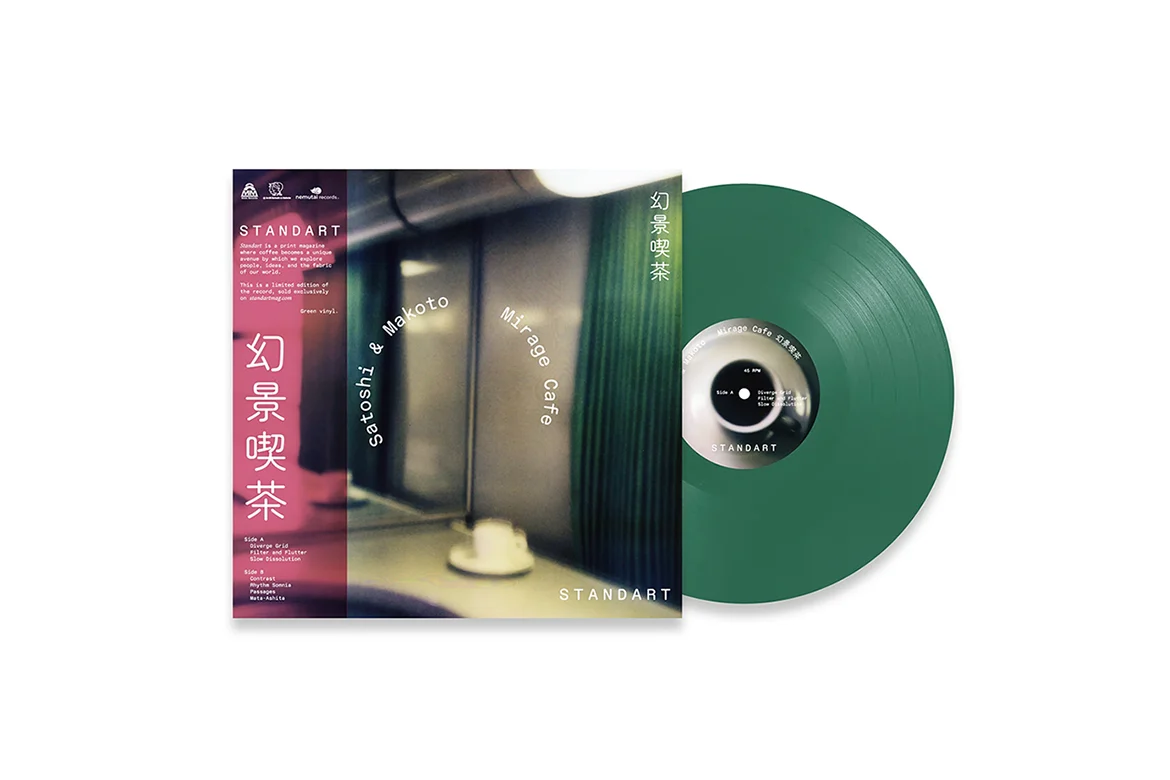
The intersection of specialty coffee and contemporary music has found a new definitive expression in the release of Mirage Cafe, a collaborative EP between the award-winning quarterly publication Standart and the acclaimed Japanese electronic duo Satoshi & Makoto. Officially announced on May 6, the project represents a multi-sensory exploration of the café environment, translating the olfactory and tactile experiences of coffee consumption into a cohesive auditory narrative. This collaboration marks a significant milestone for both parties, merging the high-production values of independent print media with the minimalist, atmospheric traditions of Japanese ambient electronica.
For the specialty coffee industry, which has long emphasized the importance of the café atmosphere, Mirage Cafe serves as a curated soundtrack for the "slow ritual" of brewing and drinking. The project highlights a growing trend within the hospitality and lifestyle sectors where brands seek to engage customers across multiple sensory dimensions. By moving beyond the page and into the realm of sound, Standart continues to solidify its position not merely as a magazine, but as a cultural arbiter within the global coffee community.
The Genesis of the Collaboration
The partnership between Standart and Satoshi & Makoto did not emerge in a vacuum. The identical twin brothers from Kanagawa, Japan, first entered the Standart universe in Issue 34, published approximately two years ago. In that feature, the duo engaged in an in-depth conversation regarding the "sonic expression of coffee," exploring how the complexities of a specific roast or the ambiance of a bustling café could be distilled into electronic frequencies.
Satoshi & Makoto have built a reputation for their meticulously crafted, analog-leaning sound. Their previous work, often characterized by the use of vintage synthesizers and a focus on melody within ambient structures, resonated with Standart’s editorial philosophy, which champions the "analog" experience in an increasingly digital world. Mirage Cafe represents the culmination of this two-year dialogue, serving as the duo’s first major release in six years. The hiatus has seemingly allowed for a deeper maturation of their sound, one that aligns perfectly with the sophisticated, international aesthetic that Standart has cultivated since its inception.
Creative Process and Production Logistics
The production of Mirage Cafe was an international endeavor, reflecting the global nature of both the coffee trade and the electronic music scene. The tracks were primarily recorded in Tokyo, a city renowned for its influential listening bars and deep-rooted coffee culture. Following the initial recording sessions, the production moved to Porto, Portugal, where the final mixing and mastering took place. This geographic split—between the precision of Japanese synthesis and the artistic vibrancy of Southern Europe—is reflected in the EP’s sound, which Standart describes as a blend of "ambient electronica and understated groove."
The creative brief for the album centered on the concept of an "imaginary café." This conceptual space is designed to be a sanctuary for contemplation and connection, transcending physical boundaries to provide a universal backdrop for the daily coffee ritual. According to the artists, the music was composed to "unfold like a day shaped by coffee," beginning with the quiet anticipation of the morning and moving through the steady, rhythmic energy of the afternoon.
Technical Specifications and Vinyl Release
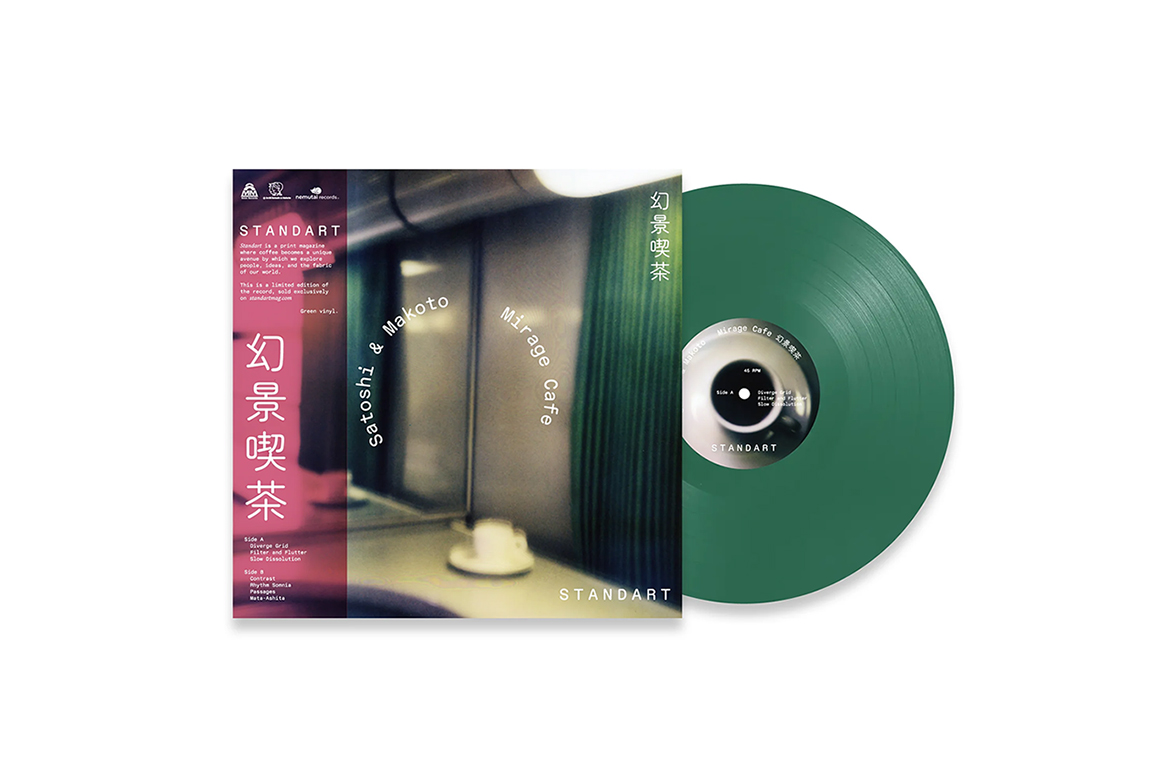
In keeping with the theme of tactile, analog experiences, Standart has announced a limited-edition vinyl pressing of Mirage Cafe. The physical release is limited to 500 copies worldwide, pressed on translucent green vinyl. Priced at $30 and available exclusively through the Standart website, the record is positioned as a collector’s item for both audiophiles and coffee enthusiasts.
The decision to opt for a vinyl release is a strategic move that mirrors the values of the specialty coffee movement. Just as a pour-over coffee requires time, specific equipment, and a degree of intentionality, playing a vinyl record demands a focused engagement that streaming services often lack. For Standart, the vinyl record is the musical equivalent of their high-quality print magazine: a physical object that commands attention and provides a richer, more nuanced experience than its digital counterparts.
For those without a turntable, the EP has also been made available across all major digital platforms, including Bandcamp, Spotify, and Apple Music. This hybrid distribution model ensures that while the "analog" core of the project is preserved for collectors, the music remains accessible to a global audience.
Chronology of the Launch
The rollout of Mirage Cafe followed a carefully managed timeline designed to build anticipation within the niche communities of specialty coffee and ambient music.
- Early April – Late April: Standart began a series of cryptic teasers on its Instagram account, utilizing minimalist visuals and short audio snippets. These teasers emphasized the "analog nexus" between the two mediums.
- May 6: The official announcement was made, coinciding with the opening of pre-orders for the limited-edition vinyl. The announcement provided the first detailed look at the collaboration’s conceptual framework.
- May 7 – Onward: Digital distribution went live, allowing the broader public to stream the EP. The 500-unit vinyl stock began moving through the Standart webshop, with early indicators suggesting high demand among the magazine’s subscriber base.
Contextualizing the "Analog" Trend in Specialty Coffee
The release of Mirage Cafe arrives at a time when the specialty coffee industry is increasingly looking toward "slow living" movements to define its brand identity. As automated coffee technology becomes more prevalent in the commercial sector, the high-end specialty market has doubled down on the "ritual" aspect of coffee preparation. This involves a return to manual brewing methods and an emphasis on the sensory environment of the café.
Data from the vinyl industry supports this shift toward physical media. According to the RIAA (Recording Industry Association of America), vinyl records have seen a consistent resurgence over the last 17 years, with 2023 marking the second consecutive year that vinyl outpaced CDs in unit sales. The demographic driving this resurgence—often younger, urban-dwelling, and interested in curated "lifestyle" experiences—overlaps significantly with the primary readership of publications like Standart.
By producing a vinyl EP, Standart is tapping into a market that values the "ritual of the object." The 500-copy limit creates a sense of scarcity that mirrors the limited-run "micro-lots" of rare coffee beans that are often featured in the magazine’s pages.
Industry Implications and Analysis
The collaboration between a coffee magazine and an electronic duo may seem unconventional at first glance, but it represents a sophisticated evolution of brand storytelling. For Standart, which has already secured four Sprudgie Awards for Best Coffee Book/Magazine, the move into music production suggests an expansion of what a "coffee publication" can be.
From a marketing perspective, Mirage Cafe serves as a "lifestyle bridge." It allows Standart to enter the homes and ears of people who may not yet be subscribers but are fans of Satoshi & Makoto or the broader ambient genre. Conversely, it introduces music fans to the world of high-end coffee journalism. This cross-pollination of audiences is a key strategy for independent media outlets looking to diversify their revenue streams and increase brand loyalty in a volatile publishing landscape.
Furthermore, the "imaginary café" concept addresses a post-pandemic reality where the definition of a "café" has expanded. With more people working from home and brewing high-quality coffee in their own kitchens, the "café experience" is no longer tied strictly to a commercial location. It is a state of mind, one that can be invoked through the right combination of high-quality beans, specialized equipment, and, as this release argues, the right soundtrack.
Official Responses and Artistic Vision
While official statements from the artists have been characteristically understated, the duo has expressed their satisfaction with the project’s ability to bridge international borders. The partnership with Standart allowed them to connect their Tokyo-based creative process with a global narrative. On their official website, the duo noted that the result is an album that feels "warm, enveloping, and meticulously detailed," much like a well-prepared cup of coffee.
Editorial leadership at Standart has emphasized that Mirage Cafe is an extension of their mission to "elevate coffee culture." By commissioning original music, they are providing a holistic sensory package that complements their quarterly print issues. The magazine’s managing editors have frequently spoken about the need to treat coffee with the same intellectual and artistic rigor usually reserved for fine art or high fashion. This EP is a tangible manifestation of that philosophy.
Final Availability and Outlook
As of the second week of May, the limited-edition green vinyl remains available for purchase on the Standart official website, though stock is expected to deplete rapidly given the duo’s cult following in the electronic music community. The digital version of the EP continues to garner traction on platforms like Bandcamp, where it has been featured in several ambient and electronic "best-of" lists.
Looking forward, the success of Mirage Cafe may pave the way for future sonic collaborations within the coffee industry. As brands look for ways to differentiate themselves in a crowded market, the move toward "curated atmospheres"—incorporating sound, scent, and visual art—is likely to become a standard practice for the upper echelon of the specialty coffee world. For now, Mirage Cafe stands as a unique testament to the enduring power of the analog ritual, proving that whether it is a needle on a record or hot water on ground beans, the most meaningful experiences often require a slower pace.