Muhammad Hendra
Our breathing often becomes shallow, tense, or restricted during the day, and we don’t even notice it. This pervasive yet often overlooked physiological shift, exacerbated by the demands of modern life, can significantly impact an individual’s physical and mental well-being. A growing body of scientific inquiry and practical application points to conscious breathwork, specifically techniques like Light, Slow, Deep (LSD) breathing, as a powerful tool to counteract these negative effects, promoting relaxation, enhanced focus, and overall physiological balance. Developed and popularized by mindfulness expert Shamash Alidina, this method offers a structured approach to recalibrating one of our most fundamental life processes.
The Pervasive Problem of Modern Breathing
While the autonomic nervous system diligently manages life-sustaining processes such as heartbeat, digestion, and respiration without conscious effort, environmental stressors, sedentary lifestyles, and digital immersion can profoundly compromise the health and efficiency of these automatic functions. One of the most common manifestations of this compromise is a shift towards shallow, irregular, and often restricted breathing patterns.
Research indicates that a significant portion of the population, particularly those in desk-bound professions, routinely exhibit dysfunctional breathing. A 2020 study published in Frontiers in Psychology highlighted the strong correlation between chronic stress, sedentary behavior, and altered respiratory patterns, noting that thoracic (chest) breathing often supersedes diaphragmatic (belly) breathing under such conditions. This phenomenon is frequently observed in office environments, where individuals spend prolonged periods hunched over computers, a posture that physically constricts the diaphragm and promotes shallow respiration.
The concept of "screen apnea" or "email apnea" has gained traction as a specific example of this modern breathing dysfunction. First identified by Linda Stone, a former executive at Apple and Microsoft, screen apnea describes the unconscious habit of holding one’s breath or engaging in shallow breathing while focusing intently on digital devices, emails, or virtual meetings. A 2024 report by NPR underscored the prevalence of this issue, linking it to decreased oxygen intake and an accumulation of carbon dioxide. While not a clinical diagnosis like sleep apnea, this habitual breath-holding or shallow breathing during screen engagement can have cumulative negative effects, including reduced focus, diminished energy levels, impaired cognition, and heightened feelings of anxiety and stress. The brain, perceiving this irregular breathing as a sign of danger or stress, can activate the sympathetic nervous system, creating a vicious cycle of tension and physiological arousal.
The Autonomic Nervous System and Breath’s Profound Influence
To understand the efficacy of techniques like LSD breathing, it is crucial to grasp the role of the autonomic nervous system (ANS). The ANS operates largely outside conscious control and is divided into two primary branches: the sympathetic nervous system (SNS) and the parasympathetic nervous system (PNS). The SNS is responsible for the "fight-or-flight" response, preparing the body for action by increasing heart rate, dilating pupils, and diverting blood flow to muscles. Conversely, the PNS is associated with the "rest-and-digest" state, promoting relaxation, slowing heart rate, and aiding digestion.
In contemporary society, chronic stress often leads to an overactivation of the SNS, leaving many individuals in a perpetual state of heightened arousal. This imbalance can contribute to a wide array of health issues, including hypertension, anxiety disorders, digestive problems, and compromised immune function. The remarkable aspect of breathing is its unique position as a physiological process that can be both autonomic and consciously controlled. By intentionally altering breath patterns, individuals can directly influence the balance between the SNS and PNS. Slow, deep, and rhythmic breathing stimulates the vagus nerve, the longest nerve of the ANS, which plays a critical role in regulating internal organ functions and mediating the "rest-and-digest" response. Vagal nerve stimulation, whether through conscious breathing or other means, has been shown to reduce inflammation, lower heart rate, and promote feelings of calm.
Introducing Light, Slow, Deep (LSD) Breathing
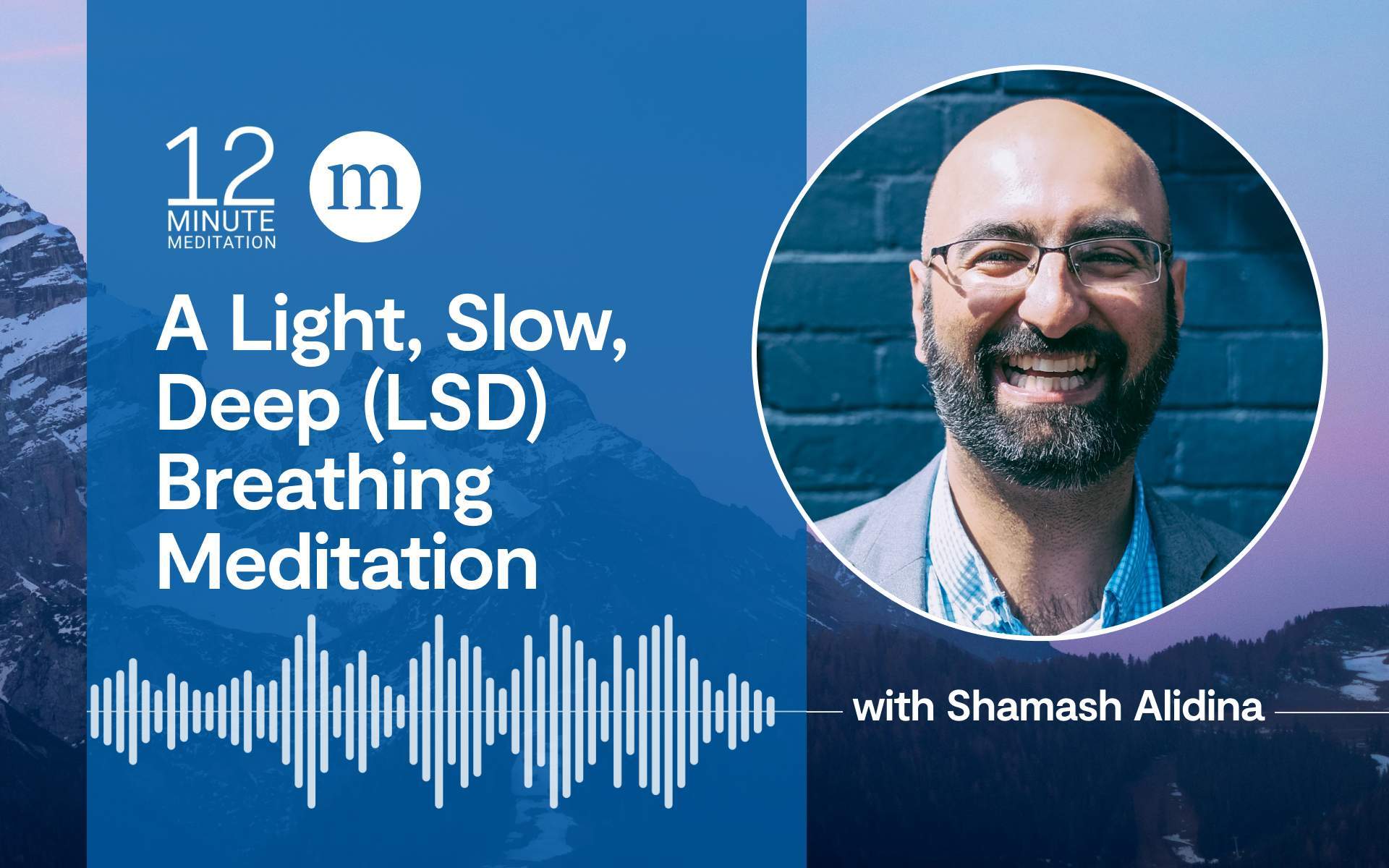
Shamash Alidina, a seasoned mindfulness practitioner and author of works like Mindfulness For Dummies, has distilled centuries of breathwork wisdom into the accessible Light, Slow, Deep (LSD) method. Alidina observes that many individuals "breathe backwards"—too hard, too fast, and too much, often gripping their breath unconsciously. The LSD technique serves as a direct invitation to reverse these detrimental patterns.
The three core qualities of Light, Slow, Deep breathing are designed to activate the parasympathetic nervous system, effectively "turning down the volume" on the internal noise and stress that often dominate daily life. This is not about shutting down the active parts of the nervous system but rather bringing them to a more balanced, natural, and gentle level, fostering a sense of inner calm and equilibrium.
The guided exercise, whether practiced through a script or audio, encourages practitioners to cultivate these qualities sequentially and synergistically:
- Light: The emphasis here is on minimal effort, almost as if the breath is a gentle breeze. This quality reduces the tendency to force air in and out, which can inadvertently trigger the sympathetic nervous system. A light breath also subtly increases carbon dioxide levels, which can paradoxically improve oxygen delivery to tissues (Bohr effect) and signal relaxation to the brain.
- Slow: Slowing down the breath is perhaps the most direct way to engage the parasympathetic nervous system. Ideal slow breathing rates typically fall between 4 to 6 breaths per minute, significantly lower than the average adult resting rate of 12-20 breaths per minute. This extended exhalation, in particular, stimulates the vagus nerve, leading to a reduction in heart rate and blood pressure, and an increase in heart rate variability (HRV), a key indicator of ANS health and resilience.
- Deep: This refers to diaphragmatic breathing, where the breath originates in the abdomen rather than the chest. Engaging the diaphragm fully allows for greater lung capacity utilization and more efficient gas exchange. Diaphragmatic breathing also acts as a gentle internal massage for the organs and promotes relaxation of the pelvic floor and core muscles, often chronically tense in stressed individuals.
The Science Behind LSD Breathing: A Deeper Dive
The efficacy of Light, Slow, Deep breathing is not merely anecdotal; it is increasingly supported by scientific research across various fields.
- Heart Rate Variability (HRV): Numerous studies have demonstrated that slow, deep breathing significantly increases HRV. HRV measures the variation in time between heartbeats and is considered a robust marker of autonomic nervous system balance. Higher HRV is associated with better emotional regulation, reduced stress, and improved overall health outcomes. A 2017 review in Frontiers in Public Health highlighted how breath control can optimize HRV, suggesting its potential as a non-pharmacological intervention for various stress-related conditions.
- Carbon Dioxide Sensitivity: The "light" aspect of breathing, characterized by reduced effort, can help normalize carbon dioxide levels. Many individuals, especially those prone to anxiety, hyperventilate slightly, leading to lower-than-optimal CO2 levels. This can trigger symptoms like dizziness and shortness of breath, reinforcing anxiety. Training the body to tolerate slightly higher CO2 levels through lighter breathing can reset the body’s chemoreceptors, reducing hypersensitivity and promoting a more relaxed state.
- Oxygenation: While it might seem counterintuitive, shallow, fast breathing does not necessarily mean more oxygenation. In fact, deep, slow breathing optimizes gas exchange in the alveoli, ensuring more efficient oxygen uptake and carbon dioxide expulsion. The deeper engagement of the diaphragm allows air to reach the lower lobes of the lungs, which are rich in blood vessels and often underutilized during shallow chest breathing.
- Neurochemical Impact: Intentional breathwork has been shown to influence neurochemical pathways. Slow breathing can increase levels of gamma-aminobutyric acid (GABA), an inhibitory neurotransmitter that reduces neuronal excitability, thus calming the nervous system. It can also modulate the release of stress hormones like cortisol and adrenaline, contributing to a more balanced physiological state.
- Cognitive Function: Improved oxygenation and reduced physiological arousal through breathwork have direct benefits for cognitive function. Studies have linked regular breath practices to enhanced attention, improved memory, and greater mental clarity. For instance, research from institutions like Stanford University has explored how mindfulness practices, often incorporating breathwork, can improve executive functions and mitigate the effects of cognitive load.
Historical Context and Contemporary Relevance

The deliberate control of breath, or pranayama, has been a cornerstone of Eastern spiritual and meditative traditions for millennia. Ancient yogic texts, Buddhist practices, and various martial arts forms have long recognized the profound connection between breath, mind, and body. These traditions intuitively understood that mastering the breath was a key to achieving mental tranquility, physical vitality, and spiritual insight.
In recent decades, Western science has begun to rigorously investigate and validate these ancient practices. What was once considered esoteric is now being integrated into mainstream psychology, medicine, and corporate wellness programs. The rise of mindfulness-based stress reduction (MBSR) programs, developed by Jon Kabat-Zinn, explicitly incorporates breath awareness as a foundational element. This convergence of ancient wisdom and modern scientific inquiry underscores the universal and timeless power of breath as a therapeutic and self-regulatory tool. Shamash Alidina’s work fits squarely within this contemporary movement, translating complex principles into actionable techniques for a modern audience.
Expert Perspectives and Practitioner Endorsement
Leading physiologists and neuroscientists increasingly emphasize the critical importance of conscious breathing for overall health. Dr. Andrew Huberman, a neuroscientist at Stanford University, frequently discusses the direct neural pathways between the diaphragm and the brain, highlighting how diaphragmatic breathing can rapidly shift states of arousal. Medical professionals are also increasingly recommending breathwork as a complementary therapy for conditions ranging from hypertension and irritable bowel syndrome to anxiety and chronic pain.
Shamash Alidina, with his extensive background in mindfulness since 1998 and his global training organization, represents a significant voice in this field. His approach in "Mindfulness For Dummies" and "The Mindful Way Through Stress" makes these powerful techniques accessible to a broad audience. His focus on "Light, Slow, Deep" simplifies the often-complex world of breathwork into three clear, actionable qualities. As Alidina himself notes, the common tendency to "grip the breath without realizing it" is a pervasive issue, and his method provides a gentle yet effective counter-strategy. His workshops and online trainings, originating from London and reaching participants worldwide, are instrumental in disseminating these vital skills.
Broader Implications for Health and Wellness
The implications of widespread adoption of conscious breathing techniques like LSD breathing are substantial, reaching beyond individual well-being to public health and societal productivity.
- Workplace Wellness: With rising levels of workplace stress and burnout, incorporating simple breathwork exercises into corporate wellness programs could yield significant benefits. Reduced stress among employees can lead to improved productivity, decreased absenteeism, and a more positive work environment. Companies are increasingly recognizing the economic burden of stress-related illnesses, making accessible interventions highly valuable.
- Mental Health Support: Breathwork offers a non-pharmacological, self-directed tool for managing symptoms of anxiety, depression, and post-traumatic stress. It empowers individuals with a tangible method to regulate their internal state, fostering a sense of agency and control. Integrating breath practices into psychotherapy and counseling could enhance treatment outcomes.
- Public Health: Promoting breath awareness from a young age, perhaps through educational initiatives in schools, could equip future generations with vital self-regulation skills. Given the increasing prevalence of stress-related chronic diseases, widespread education on effective breathing techniques could contribute to preventative health strategies, potentially reducing healthcare burdens.
- Performance Enhancement: Athletes, performers, and professionals in high-pressure environments can utilize breath control to optimize focus, manage pre-performance anxiety, and improve recovery. The ability to quickly shift into a calm, centered state is a significant competitive advantage.
In conclusion, the modern world, with its relentless pace and digital distractions, has inadvertently led many to adopt suboptimal breathing patterns that compromise health and well-being. The Light, Slow, Deep breathing technique, championed by experts like Shamash Alidina, offers a scientifically validated and practical pathway to reclaim control over this fundamental physiological process. By consciously cultivating light, slow, and deep breaths, individuals can effectively modulate their autonomic nervous system, reduce stress, enhance cognitive function, and foster a profound sense of inner calm. As research continues to uncover the intricate connections between breath and every aspect of human health, the importance of intentional breathwork is poised to grow, positioning it as an indispensable tool for navigating the complexities of contemporary life.