
 Ali Ikhwan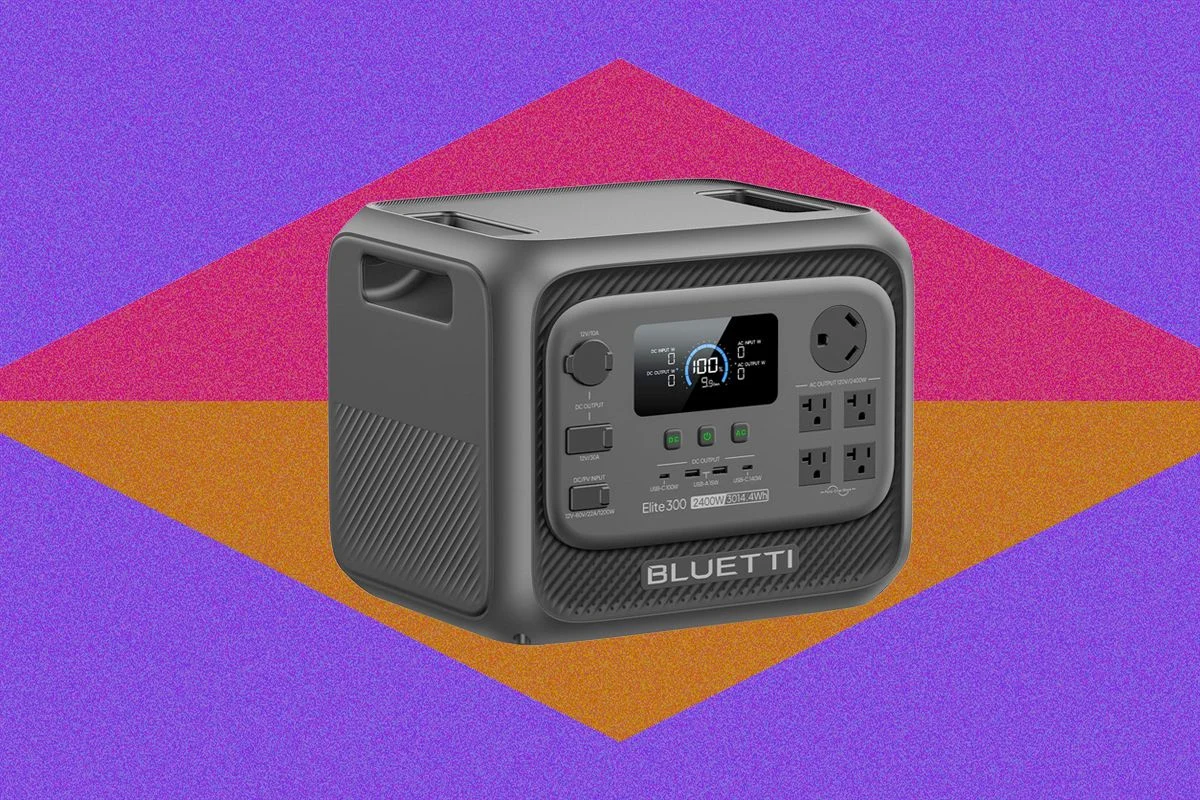
The global landscape for portable energy has shifted significantly over the last decade, transitioning from noisy, gas-powered generators to sophisticated, lithium-based portable power stations. Driven by advancements in battery chemistry and an increasing consumer demand for off-grid capabilities, these devices have become essential tools for emergency preparedness, outdoor recreation, and professional remote work. As extreme weather events and grid instability become more frequent, the market for portable power is projected to grow at a compound annual growth rate of over 5% through 2030, reflecting a broader societal shift toward decentralized energy solutions.
The High-Capacity Contenders: Reliability in Home Backups
In the realm of high-capacity units designed for home backup or extended off-grid living, the Jackery Explorer 2000 Plus represents a significant milestone in modular design. Priced at approximately $1,999, this unit features a 2,042-watt-hour capacity that is notably expandable. Users can double or even triple this capacity by integrating additional battery packs, a feature that addresses the "range anxiety" often associated with battery-powered backups. During rigorous performance evaluations, the Explorer 2000 Plus demonstrated high-efficiency output, successfully managing high-wattage appliances such as 3,000-watt kettles, though such loads can deplete approximately 6% of the battery in a single cycle.

The unit’s integration with renewable inputs is equally robust. When paired with the SolarSaga 200-watt solar panel, the system can recover from a 32% charge to full capacity within a single day of high solar irradiance. However, engineering trade-offs are present. Weighing 62 pounds, the unit relies on a telescopic handle and wheels for mobility. Technical reviewers have noted minor ergonomic hurdles, such as overly tight covers on the car ports and expansion ports, and a lack of clear documentation regarding the simultaneous button presses required to activate its 2.4 GHz Wi-Fi connection. Despite these "niggles," its three-to-five-year warranty and consistent power delivery maintain its status as a top-tier choice for domestic resilience.
Comparatively, the Bluetti Elite 200 V2 has emerged as a formidable competitor in the 2,000-watt-hour class. Retailing near $999, it offers a 2,074-watt-hour capacity with a 2,600-watt continuous output and a 3,900-watt peak surge. The Elite 200 V2 is characterized by its high-density build and an information-dense display that remains legible under direct sunlight. With a 15-millisecond Uninterruptible Power Supply (UPS) delay, it provides a seamless transition for sensitive electronics during power outages, making it a more compact alternative to the larger Jackery models.
Mid-Range Versatility: Balancing Portability and Power
For users requiring a balance between raw capacity and manageable weight, the EcoFlow Delta 3 Plus offers a compelling 1,024-watt-hour solution. Priced at $699, it provides 1,800 watts of continuous power and features a 2,600-watt surge mode. Its primary advantage lies in its rapid charging capabilities, achieving a full charge from a standard AC outlet in approximately one hour. The "Plus" designation indicates the inclusion of dual solar ports, facilitating faster renewable energy intake.

However, the Delta 3 Plus has faced criticism regarding its thermal management system. Performance tests indicate that the internal cooling fans operate frequently, even under low-load scenarios such as charging a single smartphone. These fans can reach noise levels of 55 decibels, which may be disruptive in quiet environments. While EcoFlow provides a "quiet charging mode," it significantly reduces the input rate to 200 watts, extending the charge time to over five hours.
In the same category, the Dabbsson DBS1000 Pro ($899) utilizes Lithium Iron Phosphate (LiFePO4) chemistry, which is widely regarded for its safety and longevity. This 1,024-watt-hour unit offers a 2,000-watt output with a boost mode capable of hitting 4,000 watts for brief intervals. While it serves as a solid alternative with a five-year warranty, some technical evaluations have identified inconsistencies, such as a fan that triggers frequently and occasional connectivity issues with specific USB ports.
Specialized and Entry-Level Solutions
The BioLite BaseCharge 1500, retailing for approximately $1,360, caters to a specific niche of users who prefer an intuitive, app-free interface. Weighing 29 pounds, it sits at the upper limit of what is considered truly "hand-portable." It features a standard High Power Port (HPP) input, allowing for compatibility with various solar panels beyond BioLite’s proprietary hardware. A notable drawback is its use of Lithium Nickel Manganese Cobalt (Li-NMC) chemistry, which typically offers fewer charge cycles than LiFePO4 alternatives. Furthermore, its charging speed is relatively slow, often requiring a full day to recharge from a wall outlet.

For light-duty needs, such as camping or powering small electronics during a short-term outage, the Ampace Andes 600 Pro ($449) and the Bluetti AC180 ($499) provide streamlined options. The Andes 600 Pro is a 19-pound unit with a 584-watt-hour capacity, while the AC180 offers a larger 1,152-watt-hour capacity but weighs 35 pounds. The AC180’s 20-millisecond switching time allows it to function as an Emergency Power Supply (EPS), though its weight-to-capacity ratio is higher than some competitors.
Critical Analysis of Design Failures and Market Limitations
Not all entries in the portable power market meet the rigorous standards required for professional or emergency use. The Acer 600W Portable Power Station, for instance, offers a 512-watt-hour LiFePO4 battery but has been criticized for its high price relative to its limited capacity and regional availability, currently being restricted primarily to the United Kingdom.
More significant concerns have been raised regarding the Vtoman FlashSpeed Pro 3600. Despite its massive 3,096-watt-hour capacity and high output potential (up to 7,000 watts surge), the unit suffers from suspect build quality and ergonomic flaws. Technical reviews highlight "creaky" plastic construction, a dim display that is unusable outdoors, and a cumbersome front panel design. Such issues underscore the importance of looking beyond raw specifications to evaluate the actual utility and durability of the hardware.

The Science of Longevity: Battery Chemistry and Maintenance
A critical factor in the selection of a power station is the underlying battery technology. The industry is currently divided between two primary chemistries:
- Lithium Iron Phosphate (LiFePO4/LFP): Known for being thermally stable and chemically robust. These batteries can often handle 3,000 to 5,000 charge cycles before dropping to 80% of their original capacity. This makes them ideal for daily use or long-term investments.
- Lithium Nickel Manganese Cobalt (Li-NMC): These batteries offer higher energy density, meaning more power in a lighter package. However, they are more prone to degradation and typically offer only 500 to 1,000 charge cycles.
To maximize the lifespan of any portable power station, industry experts recommend several maintenance protocols. Batteries should not be stored at 0% or 100% for extended periods; instead, a "storage charge" of 20% to 80% is ideal. Additionally, units should be stored in cool, dry environments to prevent thermal stress on the cells and internal circuitry.
Evolution of Power: UPS vs. EPS Functionality
As more consumers use these stations to protect home offices, the distinction between Uninterruptible Power Supplies (UPS) and Emergency Power Supplies (EPS) has become paramount. A true UPS, like those found in premium Bluetti or EcoFlow models, features a switching time of approximately 10 to 15 milliseconds. This is fast enough to prevent a desktop computer or server from rebooting during a power flicker. An EPS typically takes 30 milliseconds or longer, which is sufficient for lights or refrigerators but may cause sensitive electronics to fail.

Testing Methodology and Industry Standards
To ensure the accuracy of performance claims, units are subjected to standardized stress tests. These include:
- Capacity Verification: Running a constant load to see if the actual watt-hour delivery matches the manufacturer’s rating.
- Thermal Stress Tests: Operating the unit at maximum continuous output to monitor fan noise and internal temperatures.
- Charging Efficiency: Measuring the actual time required to recharge from various sources, including AC, DC (car), and Solar (MPPT).
- Ergonomic Assessment: Evaluating the portability, handle durability, and display legibility in real-world conditions.
The Future of Portable Power
As the market matures, we are seeing the introduction of semi-solid-state batteries, as seen in Zendure’s high-end SuperBase models. These promise even higher energy densities and improved safety profiles. Furthermore, the integration of smart-home ecosystems is becoming standard, with Wi-Fi and Bluetooth apps allowing users to monitor energy consumption and manage output remotely.
The shift toward portable power stations represents a significant advancement in personal energy independence. While the initial investment can be high, ranging from $400 to over $2,000, the utility provided during emergencies and the freedom offered for off-grid exploration make them a cornerstone of modern technological infrastructure. Consumers are advised to prioritize battery chemistry and warranty length over peak wattage to ensure their investment remains functional for years to come.







