Hanik Kholidah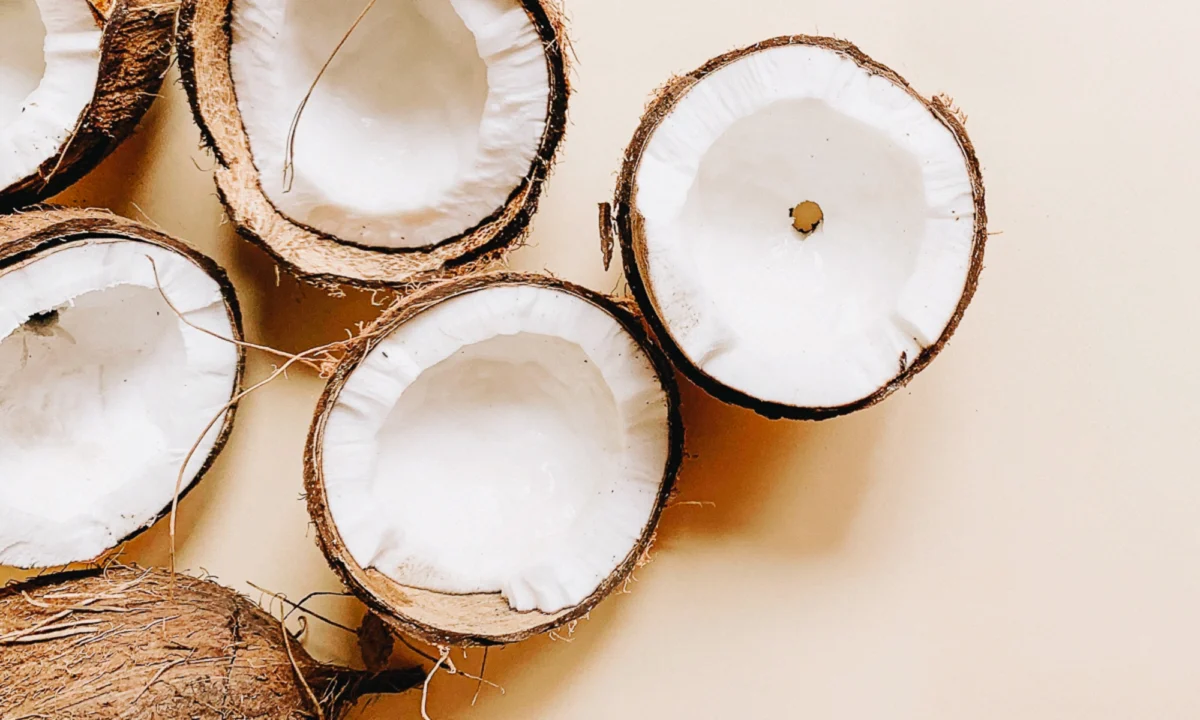
The global landscape of dietary habits has undergone a significant transformation over the last decade, driven by a surge in gluten-free living, the rise of ketogenic and paleo diets, and a broader consumer interest in nutrient-dense ingredients. Central to this shift is the diversification of the flour market, which has moved beyond traditional wheat-based products to include a wide array of grain-free alternatives. Among these, coconut flour has emerged as a prominent contender, transitioning from a specialty health food item to a staple in mainstream supermarkets. This textured, subtly sweet powder is increasingly utilized in everything from artisanal gluten-free breads to high-protein pastries, yet its unique chemical properties and nutritional profile require a nuanced understanding for both health-conscious consumers and culinary professionals.
The Origins and Production of Coconut Flour
To understand the utility of coconut flour, one must first examine its origin as a functional byproduct of the coconut industry. Coconut flour is not a "flour" in the traditional botanical sense—which refers to ground cereal grains—but is instead derived from the dried and defatted meat of the Cocos nucifera fruit.
The production process begins with the extraction of coconut milk or oil. The fresh coconut meat is soaked and pressed to remove its liquid content. The remaining solids, known as the pulp or "pomace," are then dehydrated at low temperatures to preserve nutritional integrity. Once moisture is removed, the dried pulp is ground into a fine, soft powder. According to Dana K. Monsees, M.S., CNS, LDN, a prominent dietitian-nutritionist, this origin makes coconut flour an inherently "allergen-friendly" option, as it is naturally free from gluten, grains, and nuts (though it is classified by some agencies as a tree nut, it is botanically a fruit).
The resulting product is characterized by a light, airy texture and a distinct, albeit mild, sweetness. Because it is a concentrated form of the coconut’s structural fiber, it possesses physical properties that differ drastically from wheat, rice, or almond flours, particularly regarding its hygroscopic nature—its ability to absorb moisture.
Historical Context and Market Growth
The rise of coconut flour can be traced through the chronology of modern dietary trends. In the early 2000s, the gluten-free market was largely focused on rice and potato starches, which often lacked fiber and protein. The emergence of the Paleo movement around 2010 catalyzed the demand for grain-free, low-glycemic alternatives. By 2015, the "coconut craze" had expanded from water and oil into the baking aisle.
Industry analysts suggest that the alternative flour market is projected to continue its upward trajectory. The global gluten-free flour market was valued at approximately $5.6 billion in 2022 and is expected to grow at a compound annual growth rate (CAGR) of over 8% through 2030. Coconut flour remains a key driver of this growth due to its sustainability—utilizing parts of the coconut that might otherwise be discarded—and its compatibility with various restrictive diets, including the Low-FODMAP protocol for those with irritable bowel syndrome (IBS), when consumed in appropriate portions.
A Detailed Nutritional Profile
The primary appeal of coconut flour lies in its dense nutritional matrix. When compared to all-purpose wheat flour, which contains approximately 3.4 grams of fiber and 13 grams of protein per cup, coconut flour offers a significantly higher concentration of essential macronutrients and minerals.
A standard quarter-cup (approx. 30 grams) serving of coconut flour typically provides:
- Calories: 120
- Fiber: 10 grams (representing 40% of the Daily Value)
- Protein: 6 grams
- Fat: 4 grams
- Iron: 12% of the Daily Recommended Intake (DRI)
- Net Carbohydrates: Approximately 8 grams
Registered dietitian Danielle Fineberg, M.S., R.D., emphasizes that this high fiber-to-carbohydrate ratio makes it a superior choice for those managing metabolic health. Furthermore, the presence of iron is significant, as iron deficiency remains one of the most common nutritional deficiencies globally, particularly among those following plant-based diets.
The Five Primary Health Pillars of Coconut Flour
The health implications of integrating coconut flour into a balanced diet are multifaceted, ranging from digestive support to cardiovascular protection.
1. Enhanced Nutrient Density and Mineral Intake
Unlike refined white flours, which are stripped of their bran and germ during processing, coconut flour retains the concentrated nutrients of the coconut meat. Beyond the 12% iron content mentioned by Fineberg, coconut flour contains trace amounts of potassium, magnesium, and selenium. These minerals are vital for maintaining electrolyte balance, supporting muscle function, and facilitating antioxidant activity within the body.
2. Optimization of Digestive Health
The fiber profile of coconut flour is predominantly insoluble. Insoluble fiber serves as a bulking agent, facilitating the movement of food through the digestive tract and promoting regular bowel movements. Research published in various nutritional journals indicates that insoluble fiber plays a critical role in preventing constipation and reducing the risk of diverticular disease. Furthermore, coconut flour contains a small percentage of soluble fiber, which acts as a prebiotic, feeding the beneficial Bifidobacteria and Lactobacilli in the gut microbiome.
3. Support for Weight Management and Satiety
Weight management is frequently a matter of managing hunger signals. High-protein and high-fiber foods have been scientifically proven to increase levels of satiety hormones, such as cholecystokinin (CCK) and glucagon-like peptide-1 (GLP-1). By slowing the rate of gastric emptying, the fiber in coconut flour helps individuals feel fuller for longer periods. While not a "magic bullet," as experts note, it is a functional tool for caloric control when substituted for low-fiber starches.
4. Cardiovascular Protection and Lipid Profiles
Clinical research has demonstrated a correlation between coconut fiber intake and improved lipid profiles. A study focusing on the effects of coconut flakes and flour found that participants who consumed between 15 and 25 grams of coconut fiber daily saw an 11% reduction in total blood cholesterol. More specifically, LDL (low-density lipoprotein) cholesterol—often labeled the "bad" cholesterol—dropped by 9%, while blood triglycerides decreased by up to 22%. These changes are attributed to the fiber’s ability to bind with bile acids in the intestine, prompting the body to use excess cholesterol to produce more bile.
5. Glycemic Stability and Blood Sugar Management
For individuals with Type 2 diabetes or insulin resistance, the glycemic index (GI) of food is a critical metric. Coconut flour has a lower GI than wheat or rice flours. Its high fiber content slows the absorption of glucose into the bloodstream, preventing the sharp insulin spikes that can lead to energy crashes and long-term metabolic dysfunction. Victoria Albina, a holistic nurse practitioner, notes that the natural sweetness of the flour can also reduce the need for added sugars in recipes, further stabilizing blood sugar levels.
Culinary Mechanics: The Challenges of Substitution
Despite its health benefits, coconut flour is notoriously difficult to use for those accustomed to traditional baking. The primary challenge is its extreme absorbency. Because of its high fiber content, it acts like a sponge, soaking up significantly more liquid than grain-based flours.
Expert consensus suggests that coconut flour cannot be substituted on a one-to-one basis for wheat flour. Dana Monsees advises that a common starting ratio is 1/4 cup to 1/3 cup of coconut flour for every 1 cup of all-purpose flour. To compensate for the lack of gluten—the protein that provides structure and elasticity in bread—bakers must often increase the number of eggs or use alternative binding agents like xanthan gum, psyllium husk, or flax eggs. For every cup of coconut flour used, many recipes require up to six eggs to provide the necessary lift and moisture.
Comparative Analysis: Coconut Flour vs. Almond Flour
As consumers navigate the alternative flour aisle, the most frequent comparison is between coconut flour and almond flour. While both are gluten-free and low-carb, they serve different culinary and nutritional purposes.
Almond flour, made from blanched, ground almonds, is higher in calories and fat (approximately 14 grams of fat and 160 calories per quarter-cup). It is rich in Vitamin E and monounsaturated fats, making it excellent for heart health, but it lacks the significant fiber density of coconut flour. In terms of texture, almond flour provides a denser, "nuttier" crumb, whereas coconut flour results in a lighter, drier finish. For those with nut allergies, coconut flour is the clear winner, though for those requiring a more "moist" result without the use of excessive eggs, almond flour is often preferred.
Broader Implications for Food Security and Sustainability
The increasing popularity of coconut flour also has implications for the global agricultural economy. Coconuts are primarily grown in tropical regions such as the Philippines, Indonesia, and India. The utilization of coconut meat byproducts for flour production increases the "crop utilization rate," ensuring that farmers can extract maximum value from each harvest. This reduces waste and supports the economic stability of farming communities in developing nations.
From a public health perspective, the mainstreaming of coconut flour provides a vital resource for the estimated 1% of the population with Celiac disease and the 6% with non-celiac gluten sensitivity. By providing a palatable, nutrient-dense alternative to traditional grains, coconut flour helps bridge the "nutritional gap" often found in gluten-free diets, which are frequently criticized for being overly reliant on refined starches.
Conclusion: A Functional Staple for the Modern Kitchen
The bottom line for consumers is that coconut flour represents a significant advancement in functional nutrition. While it requires a learning curve in the kitchen, its benefits—ranging from improved digestion and heart health to superior blood sugar control—make it a worthy addition to a modern diet. As the food industry continues to innovate, it is likely that we will see coconut flour integrated into more pre-packaged health foods, further cementing its status as a cornerstone of the alternative grain movement. Whether used to lower the glycemic load of a muffin or to add fiber to a morning smoothie, coconut flour stands as a testament to the power of reimagining agricultural byproducts as nutritional powerhouses.