Reynand Holland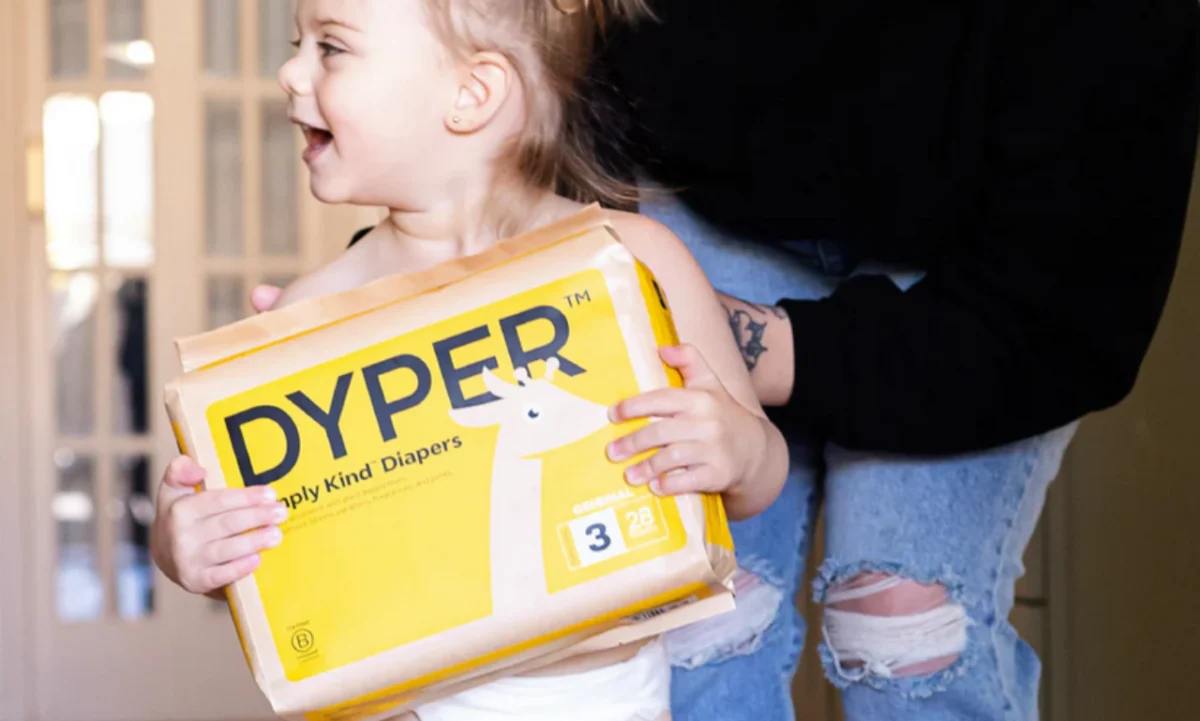
The journey of parenthood, while filled with immeasurable joy, is inextricably linked to a significant and often overlooked environmental challenge: the sheer volume of waste generated by infants. For parents navigating the demands of raising a young child, the seemingly simple act of diapering a baby presents a stark reality of consumption and disposal. Statistics indicate that the average baby will utilize approximately 6,000 diapers within their first two years of life. While reusable cloth diapers offer an alternative, their practicality is frequently challenged by the fast-paced lifestyles of modern families, leaving disposable diapers as the predominant choice for many.
However, the implications of traditional single-use disposable diapers extend far beyond landfill volume. Emerging research and growing parental awareness have highlighted significant health concerns associated with the materials and chemicals used in their manufacturing. These diapers, often composed of plastic-based components and infused with fragrances, contain a cocktail of substances that have raised red flags among health and environmental advocates. The presence of plastics, synthetic materials, and chemical additives has been linked to a spectrum of adverse health outcomes, prompting a critical re-evaluation of what goes into baby care products.
The health risks associated with conventional diapers are multifaceted. Studies have pointed to potential links between the chemicals found in disposable diapers and a range of health issues. These concerns include the possibility of endocrine disruption, which can interfere with the body’s hormonal system, potentially impacting reproductive development. Furthermore, direct skin contact with these materials has been associated with acute skin rashes, a common and distressing issue for infants. More alarming are the long-term implications, with some research suggesting potential associations with more serious health conditions later in life. The lack of comprehensive regulation in the diaper industry exacerbates these concerns. Unlike menstrual products, for instance, baby diapers are not mandated to undergo rigorous testing for a wide array of chemicals. The Consumer Product Safety Commission, for example, primarily requires testing for lead, leaving a significant gap in the oversight of potentially harmful carcinogens and endocrine-disrupting chemicals.
This dual challenge – the environmental burden and the potential health risks – has spurred innovation and a growing movement towards more sustainable and healthier alternatives. The genesis of Dyper, a company at the forefront of this movement, can be traced back to a moment of stark realization for its founders. Observing the weekly overflow of their trash bins, filled with mountains of plastic diapers, Tony Patron and his business partner recognized an urgent need for a paradigm shift in diaper production and disposal. This personal experience, coupled with Patron’s engineering background, provided the impetus to develop a viable solution that addressed both the waste problem and the health concerns.
The Genesis of Dyper: A Commitment to Change
The journey from recognizing a problem to creating a solution is often a testament to entrepreneurial vision and dedication. Tony Patron, a new father acutely aware of the environmental footprint of his child’s needs, combined his personal concern with his professional expertise. His initial efforts involved exploring partnerships with existing manufacturers of compostable diapers. However, these explorations ultimately led to a more ambitious undertaking: the formation of Dyper, a company explicitly dedicated to the creation of non-toxic, biodegradable, and high-performance diapers. The company’s mission was clear: to reduce both household waste and environmental impact without compromising on the essential functionality and comfort parents expect from a diaper.

The development of Dyper’s products has been a meticulous process, driven by a commitment to sustainability and safety. The company’s product team has diligently worked to ensure that a vast majority of their diaper components are biodegradable. While acknowledging that certain technological limitations, such as the widespread availability of biodegradable fastening systems, still exist, Dyper strives for the highest possible percentage of sustainable materials. "Our goal is to provide a diaper that performs equally to any other diaper on the market in terms of absorbency, fit, and comfort, and ensuring that we don’t have any skin irritation," Patron stated, underscoring the brand’s dedication to meeting parental expectations on all fronts.
A Closer Look at Dyper’s Sustainable Materials
Dyper’s commitment to "plants over plastic" is evident in its material sourcing and product composition. The core of their diaper design relies on plant-based materials, specifically emphasizing US-grown, FSC-certified bamboo and eucalyptus fibers. These natural fibers are not only renewable but also possess inherent qualities that make them suitable for sensitive infant skin. The viscose bamboo used in Dyper products is sourced from an Oeko-Tex certified supplier, ensuring that the material has been tested for harmful substances.
Transparency is a cornerstone of Dyper’s approach. The brand meticulously labels each layer of its diapers with its specific components, providing conscious parents with detailed information about what is in direct contact with their baby’s skin. This commitment to openness extends to their product certifications. Dyper diapers are certified USDA BioPreferred, with a minimum of 55% plant-based content, and their accompanying wipes boast an impressive 95% BioPreferred content. Furthermore, the diaper products meet stringent Oeko-Tex standards, a globally recognized certification for textile safety. In a significant validation of their skin-friendly formulation, Dyper recently achieved the DermaTest 5-Star Certification. This prestigious award from Dermatest, a leading independent dermatological testing institute, guarantees that the diapers are exceptionally gentle and unlikely to cause skin reactions.
Beyond material selection, Dyper subjects its products to rigorous third-party laboratory testing. This ensures that the diapers are not only compostable but also demonstrably non-toxic, providing parents with an additional layer of assurance regarding their safety.
The "Plants Over Plastic" Philosophy: Environmental and Health Benefits
The guiding principle of Dyper’s mission, "plants over plastic for happy babies," encapsulates their holistic approach to diapering. By consciously opting for plant-based materials and eschewing harmful chemical additives, Dyper creates diapers free from common irritants such as phthalates, latex, and parabens. These substances, often found in conventional diapers, can contribute to skin sensitivities and pose potential health risks. The natural fibers utilized by Dyper are inherently gentler on an infant’s delicate skin, reducing the likelihood of diaper rash and discomfort. Moreover, the emphasis on responsibly sourced materials ensures that the environmental impact of production is minimized.
The benefits of Dyper’s approach extend beyond immediate skin comfort and environmental consciousness. The diapers are engineered for high performance, designed to prevent leaks and keep babies dry and comfortable, thus minimizing the instances that can lead to skin irritation. This focus on functionality means parents do not have to sacrifice performance for sustainability.
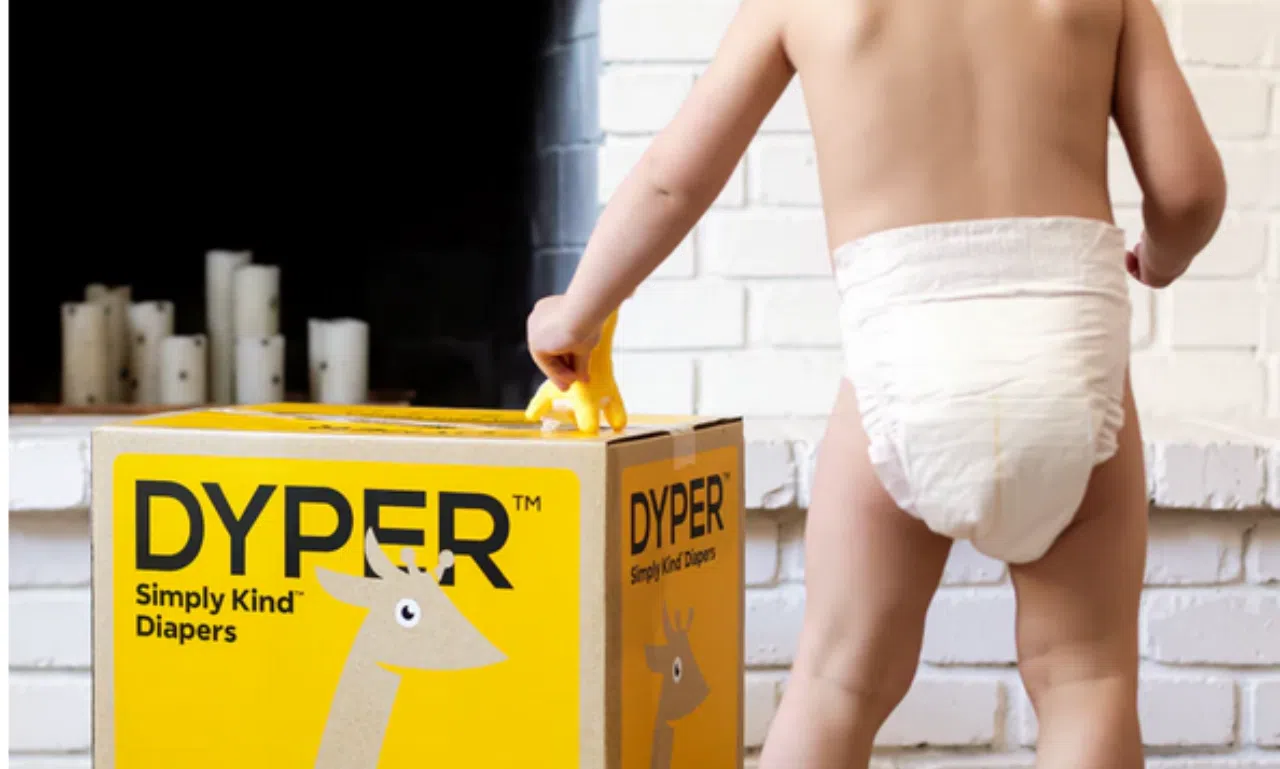
A groundbreaking aspect of Dyper’s offering is its optional REDYPER program. This service, available in select regions, provides a convenient solution for the disposal of used diapers and wipes. Through partnerships with regional composting facilities, the REDYPER program aims to divert a significant portion of diaper waste from landfills. Materials that are compostable are broken down within approximately 14 to 16 weeks, with non-compostable components being removed and properly disposed of. As of its most recent reporting, the REDYPER program has successfully diverted over 14 million pounds of waste from landfills, demonstrating a tangible impact on waste reduction efforts. This innovative service addresses the practical challenges of composting at home, making sustainable diaper disposal accessible to a wider audience.
The company’s "plants over plastic philosophy" is also reflected in its packaging. Dyper utilizes sustainable materials wherever possible in its product packaging, further minimizing its environmental footprint. This comprehensive commitment signifies that parents can choose functional, high-performing diapers without compromising on their values regarding environmental responsibility and infant health.
Making Sustainable Diapering Convenient and Accessible
Dyper understands that convenience is paramount for busy parents. To that end, the company offers flexible purchasing options, including subscriptions and one-time purchases, across a comprehensive range of sizes. For parents in areas where the REDYPER service is available, Dyper provides weekly or biweekly pickup of used diapers and wipes. This logistical solution is crucial for enabling widespread adoption of their composting program.
By partnering with regional composting facilities, Dyper facilitates a circular economy for diaper waste. This collaboration ensures that the compostable materials are processed efficiently, transforming waste into a valuable resource. The REDYPER program’s success in diverting millions of pounds of waste underscores its effectiveness and its potential to significantly reduce the environmental burden of diapering.
Choosing Dyper is more than just selecting a diaper; it represents a conscious decision to support a company committed to sustainability, transparency, and superior infant care. The brand’s dedication to using plant-based, non-toxic materials, coupled with its innovative REDYPER program, offers a compelling solution for parents seeking to minimize their environmental impact while prioritizing their baby’s health and well-being. In an industry often dominated by single-use plastics and questionable chemical formulations, Dyper stands out as a beacon of responsible innovation, proving that effective and sustainable diapering is not only possible but also increasingly accessible. The ongoing evolution of the diaper industry, driven by companies like Dyper, signals a promising future where parental choices can align with a healthier planet for generations to come.