 Cintya Tara Annisa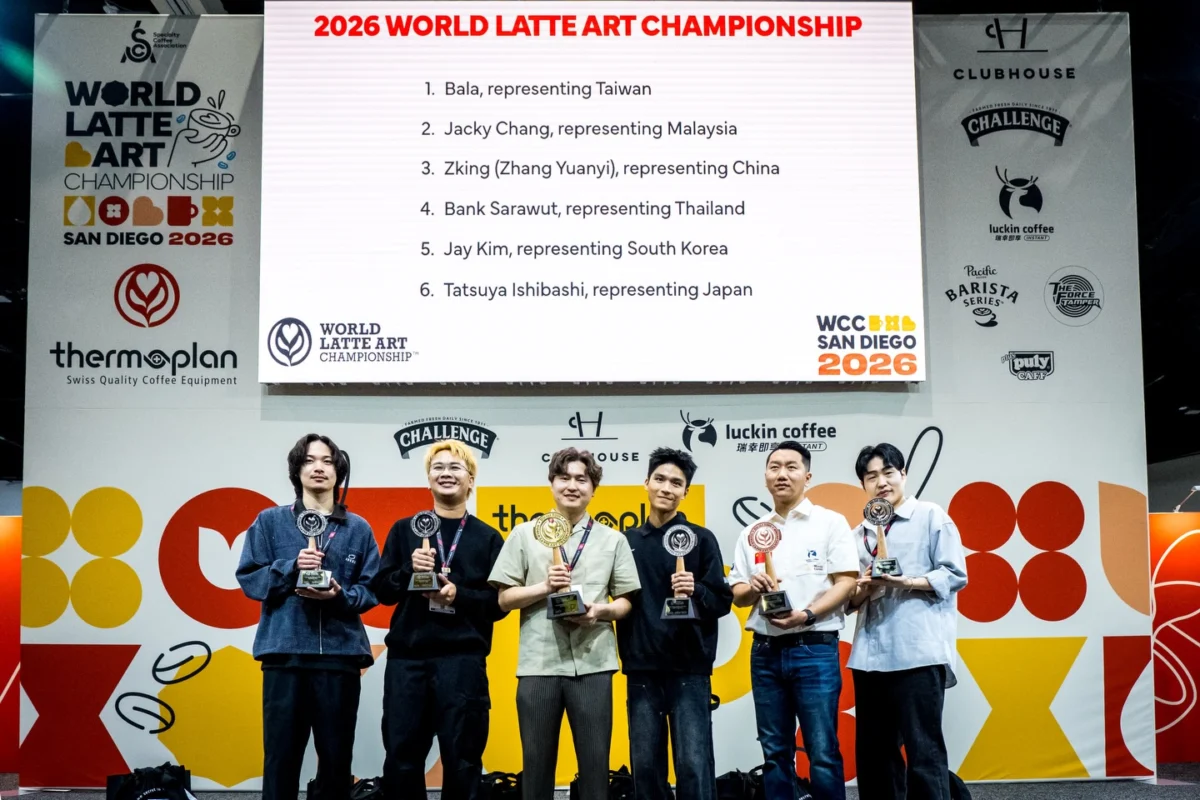
The 2026 World Latte Art Championship, held in early April, concluded with a historic victory for the competitor known as Bala, who represented Taiwan. The win was initially celebrated across the global specialty coffee community and documented by major industry publications as a triumph for the Taiwanese coffee scene. However, within weeks of the event’s conclusion, a systematic scrubbing of the term "Taiwan" began across all official digital properties managed by the World Coffee Championships (WCC) and its parent organization, the Specialty Coffee Association (SCA). As of late April 2026, all mentions of the nation in relation to Bala’s victory have been replaced with the designation "Chinese Taipei," a move that has ignited a firestorm of criticism regarding political neutrality, transparency, and the rights of international competitors.
The shift was first noted by eagle-eyed observers and reported by the Taipei Times, which indicated that the alterations to the WCC website occurred on April 28. This change is not merely cosmetic; it represents a significant departure from nearly two decades of established protocol within the World Coffee Events (WCE) framework. Historically, the WCC has allowed competitors from the island to compete under the name "Taiwan," a practice that dates back to at least 2007 when Van Lin represented the nation in the World Barista Championship. This precedent was most notably upheld in 2016 when Berg Wu won the World Barista Championship title under the Taiwanese flag, a moment that served as a catalyst for the rapid growth of the specialty coffee industry in East Asia.
The Geopolitical Context of the Chinese Taipei Designation
The term "Chinese Taipei" is a politically sensitive compromise that originated in the late 1970s and early 1980s, primarily within the context of the International Olympic Committee (IOC). Following the 1979 Nagoya Resolution, the Republic of China (Taiwan) was required to use the name "Chinese Taipei" and a specific "Plum Blossom" anthem and flag to participate in international sporting events without being recognized as a sovereign state. This arrangement was designed to allow Taiwanese athletes to compete while avoiding conflict with the People’s Republic of China (PRC), which maintains a "One China" policy and claims sovereignty over the island.
In the decades since, the designation has been adopted by various international bodies, including the World Health Organization (WHO) and the World Trade Organization (WTO), often under significant pressure from Beijing. However, non-governmental organizations and niche cultural or professional bodies—such as those in the specialty coffee industry—have frequently operated outside these strict diplomatic constraints. For 19 years, the Taiwan Coffee Association (TCA) successfully advocated for the use of "Taiwan," arguing that the coffee community should remain focused on craft and professional excellence rather than geopolitical disputes.
Chronology of the 2026 Controversy
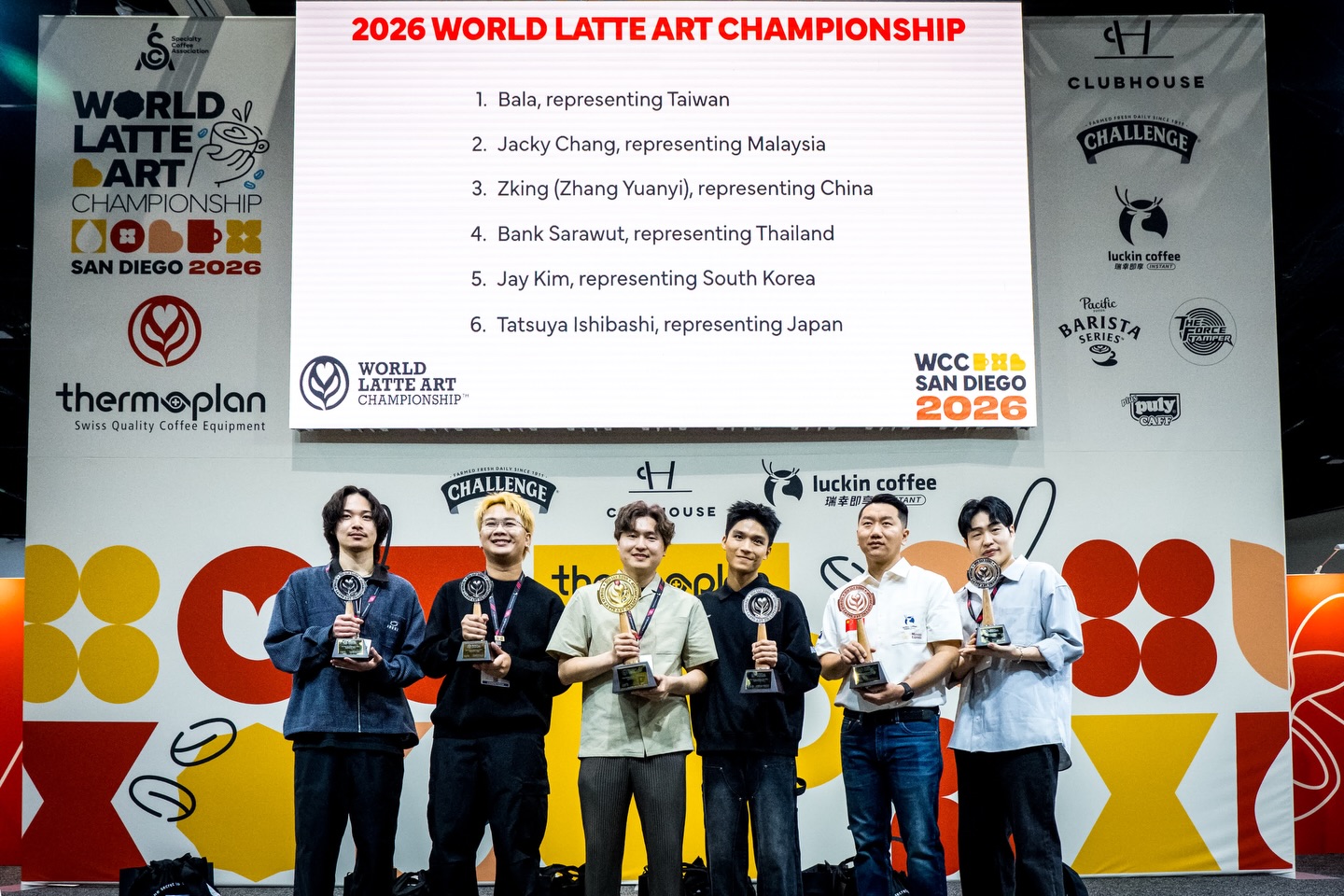
The timeline of the current controversy reveals a rapid and unannounced shift in policy by the World Coffee Championships. On April 12, 2026, Bala was crowned the World Latte Art Champion. At the time of the announcement, the stage graphics, the live stream commentary, and the immediate press releases all identified the winner as representing Taiwan.
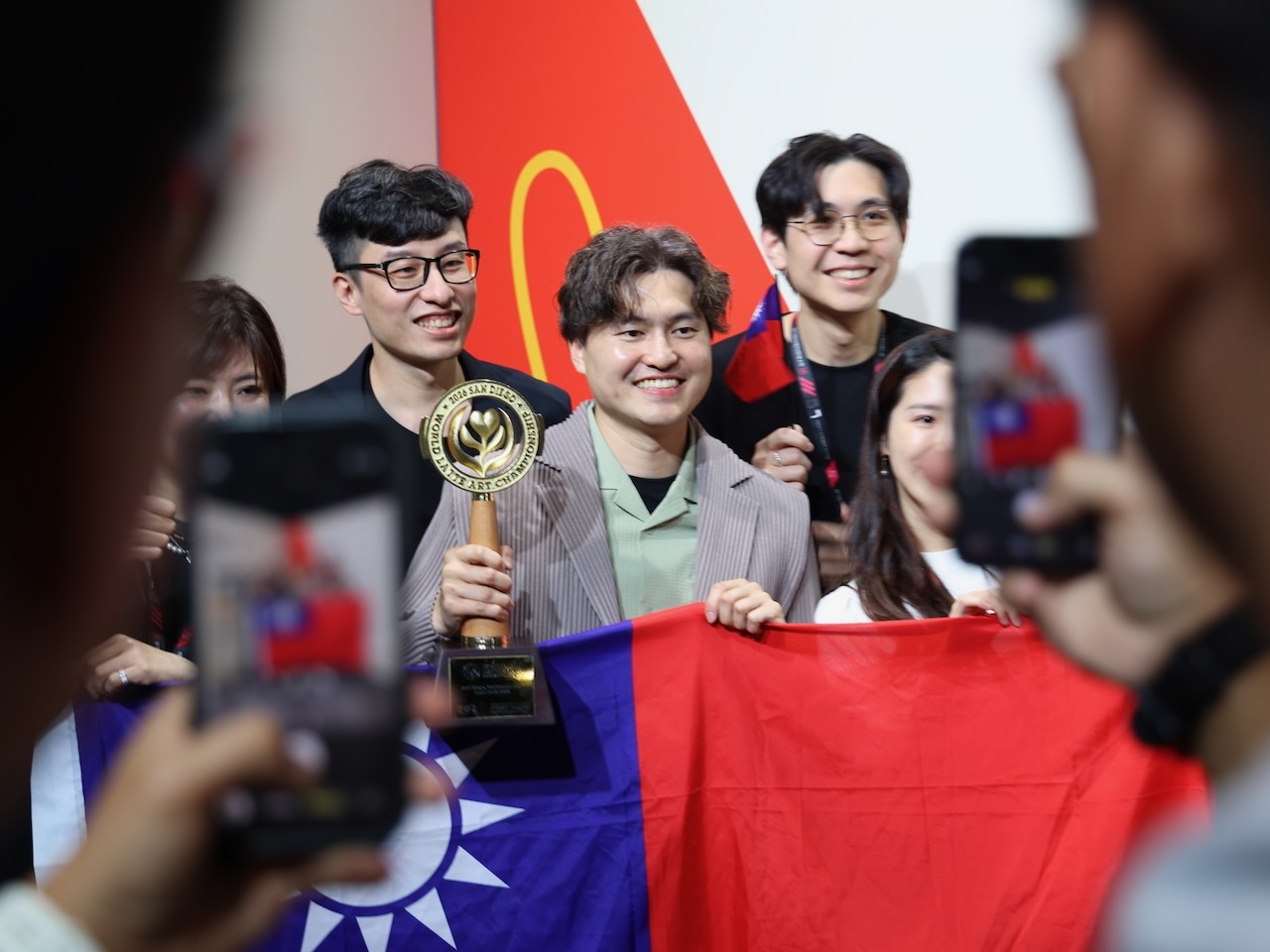
Between April 12 and April 17, the WCC website maintained its historical archives and current news sections using the original nomenclature. Web archives from April 17 confirm that the rankings for the 2026 event and previous years still listed "Taiwan" as a participating country. However, by April 28, a comprehensive sweep of the website was conducted. Not only was Bala’s 2026 title updated to "Chinese Taipei," but an image of the champion standing in front of a screen displaying the word "Taiwan" was removed from the official congratulatory post.
Furthermore, the WCC appeared to disable access to historical ranking PDFs. While links to past competitions remain on the site, many no longer direct users to the original, uneditable documents that listed "Taiwan" in the rankings for the past 15 years. The YouTube channel for the World Coffee Championships was also updated; titles for videos of Bala’s routines from both the 2026 championship and the 2023 event—which was notably hosted in Taipei—were edited to reflect the new "Chinese Taipei" branding. Despite these metadata changes, the internal video content, including audio commentary and physical signage within the recorded footage, still refers to the competitor’s origin as Taiwan, creating a jarring disconnect between the digital labeling and the event’s actual history.
Official Response from the Taiwan Coffee Association
The Taiwan Coffee Association (TCA), which oversees the national chapters and qualifying events for Taiwanese competitors, issued a formal statement expressing deep regret over the sudden change. The organization revealed that it had been in a state of constant negotiation with the SCA and WCC to maintain the "Taiwan" representative name, a battle they have fought for nearly two decades.
According to the TCA, the notification of the name change came as a shock, describing the association as being "caught off guard." Despite "intense battles" and continuous communication aimed at preserving the identity of their players, the TCA noted that their efforts were "ultimately fruitless" in the face of the WCC’s decision. The association emphasized that for the competitors, the name is not merely a label but a reflection of the community that supported them. The TCA’s statement urged the global coffee community to remain rational and continue supporting the players, asserting that their strength and results would ensure the world remembers they come from Taiwan, regardless of the official title used on a website.
Industry Leaders and Champions Voice Disappointment
The reaction from prominent figures in the global coffee industry has been one of overwhelming disappointment and concern for the precedent this sets. Berg Wu, the 2016 World Barista Champion and a towering figure in the industry, took to social media to express his grievances. Wu argued that the change was not a "simple adjustment of wording" but an erasure of a shared identity built by coaches, judges, roasters, and consumers over many years. He called for a transparent explanation from the SCA, noting that while international organizations face complex regulatory pressures, they owe their constituents direct communication when such fundamental changes are made.
Freda Yuan, a highly respected international coffee professional, multi-time World Cup Tasters finalist, and author, also criticized the move. Yuan highlighted the democratic nature of Taiwan, noting its independent constitution, government, and military. She described the renaming as a "step backwards" for an industry that prides itself on inclusion and diversity. Yuan, who serves as the Director of Coffee at Origin Coffee, expressed that the SCA’s sudden action, taken without a public explanation, felt like a betrayal of the community values that originally drew many professionals to the organization.
Economic and Cultural Impact of the Taiwanese Coffee Sector
The controversy is amplified by the significant role Taiwan plays in the global specialty coffee economy. Taiwan boasts one of the highest densities of coffee roasters per capita in the world and has become a hub for innovation in brewing technology and sensory science. The Taiwanese market is a major importer of high-quality green coffee, particularly from Central and South America, and its baristas are frequently sought after for international consulting and training.
By rebranding the nation’s representatives, critics argue that the WCC risks alienating a vital economic and cultural pillar of the specialty coffee world. The decision also raises questions about the future of the World Coffee Championships as a truly inclusive platform. If political pressure can dictate the nomenclature of a competition, there are concerns that other nations or regions could face similar erasures based on shifting geopolitical tides.
Implications for the Specialty Coffee Association
The Specialty Coffee Association, as the governing body for these championships, now faces a crisis of credibility. The organization’s mission statement emphasizes the "collaboration" and "inclusivity" of the global coffee community. However, the lack of an official press release or explanation for the April 28 changes has led to accusations of opacity.
Industry analysts suggest that the SCA may be attempting to navigate the complexities of expanding its footprint in mainland China, which represents a massive growth market for specialty coffee. Aligning with the "Chinese Taipei" designation is often a prerequisite for doing business or hosting sanctioned events within the PRC. However, the cost of this alignment appears to be a significant loss of goodwill within the established coffee communities of Taiwan, Europe, and North America.
As of the current reporting, the World Coffee Championships have not responded to requests for comment regarding the specific triggers for the name change or why it was applied retroactively to historical data. The story continues to develop as coffee professionals worldwide petition for a return to the original naming conventions or, at the very least, a transparent dialogue regarding the pressures that led to this administrative shift. For now, while the digital records may say "Chinese Taipei," the voice of the community remains firmly centered on the identity of the champion and the nation that fostered his talent.