Muhammad Hendra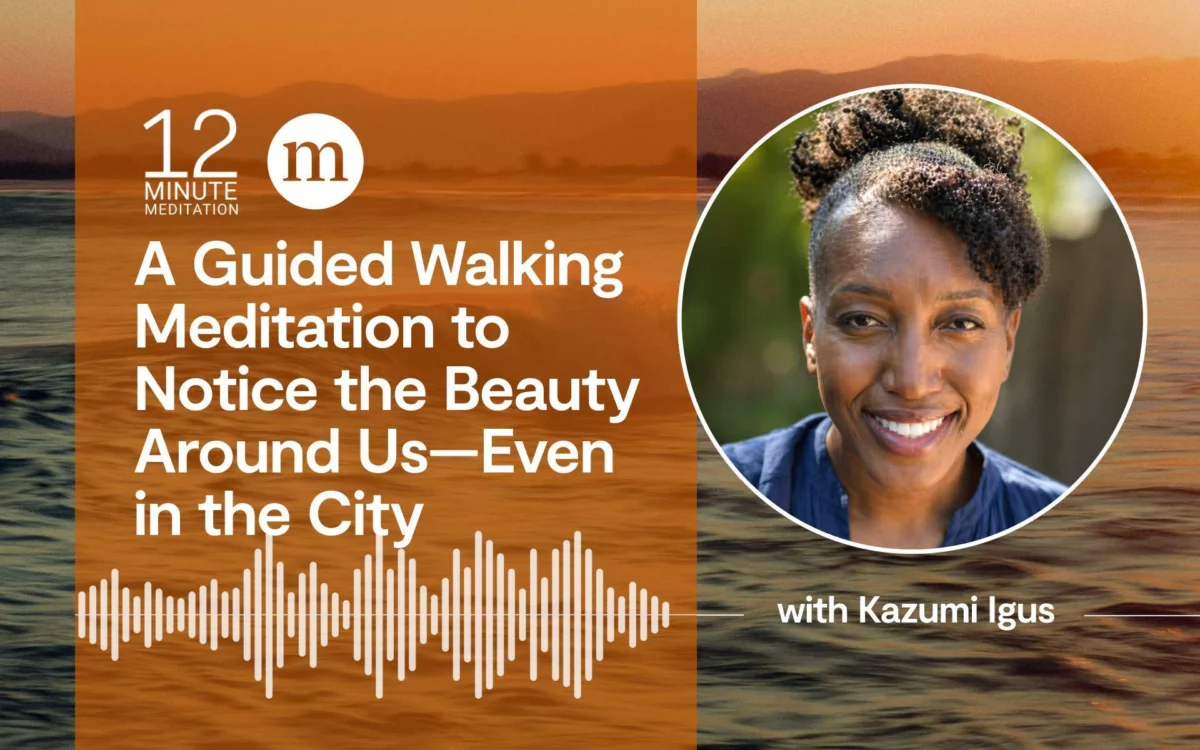
Kazumi Igus, a distinguished meditation facilitator and educator, has introduced a guided walking meditation designed to foster a deeper connection with the natural world embedded within urban environments. This initiative provides a vital opportunity for city dwellers to intentionally slow their pace, cultivate presence, and rediscover moments of wonder often overlooked amidst the relentless rhythm of metropolitan life. The meditation, available as a script or audio practice, addresses the pervasive challenge of urban stress by offering an accessible pathway to mindfulness, encouraging participants to observe the subtle beauty that persists even in the most bustling concrete landscapes.
The Genesis of Urban Mindfulness: Responding to Modern Stressors
The concept of integrating mindfulness with urban living has gained significant traction as global populations continue their inexorable shift towards metropolitan centers. According to the United Nations, 56% of the world’s population resides in urban areas as of 2021, a figure projected to rise to 68% by 2050. While cities offer myriad opportunities, they also present unique stressors: constant noise, dense populations, heightened sensory input, and often, a perceived disconnection from nature. This fast-paced environment frequently leads to feelings of overwhelm, anxiety, and a diminished capacity for observation.
Historically, mindfulness practices were often associated with serene, natural settings or quiet indoor spaces. However, contemporary understanding recognizes the imperative to adapt these practices for the contexts in which most people live. The guided walking meditation by Kazumi Igus is a direct response to this need, positing that mindfulness is not contingent upon escaping the city, but rather upon engaging with it differently. Her approach reframes the urban landscape not as a barrier to peace, but as a rich tapestry of sensory experiences awaiting conscious attention. By guiding individuals to notice elements like the call of a bird, the vibrant hues in shop windows, or the expansive sky overhead, Igus champions the idea that beauty and tranquility are always present, requiring only a shift in perception.
The Science Behind the Stroll: Benefits of Nature and Mindfulness
The efficacy of Igus’s guided walking meditation is underpinned by a growing body of scientific research validating the benefits of both mindfulness and exposure to nature. Studies have consistently demonstrated that mindfulness practices can reduce stress, alleviate symptoms of anxiety and depression, improve focus, and enhance overall emotional regulation. A meta-analysis published in JAMA Internal Medicine found that mindfulness meditation programs can significantly improve symptoms of anxiety, depression, and pain.
Complementing this, the concept of "nature deficit disorder," popularized by author Richard Louv, highlights the detrimental impact of human alienation from the natural world, particularly on children, but increasingly relevant to adults. Research in environmental psychology illustrates that even brief interactions with nature, such as walking through a park or viewing trees, can lower cortisol levels, reduce blood pressure, and improve mood. A study in Scientific Reports indicated that spending at least 120 minutes a week in nature is associated with good health and well-being. Igus’s meditation cleverly bridges this gap by demonstrating that "nature" is not solely pristine wilderness but also the resilient flora pushing through pavement cracks, the cloud formations above skyscrapers, or the intricate patterns on a leaf in a city park.
Furthermore, the act of walking itself is a powerful form of physical activity with documented cognitive and psychological benefits. When combined with mindful attention, walking meditation enhances these effects, transforming a mundane commute or stroll into an opportunity for mental rejuvenation. It stimulates parasympathetic nervous system activity, promoting relaxation and reducing the "fight-or-flight" response often triggered by urban stressors.
Kazumi Igus: A Vision for Holistic Education and Well-being
Kazumi Igus’s unique background as a Los Angeles native, science teacher, and a trained meditation facilitator through UCLA’s Mindful Awareness Research Center provides her with a distinctive lens through which to approach urban mindfulness. Her journey from science education to a leadership role in mindfulness reflects a profound commitment to holistic human development. Igus currently serves as the WholeSchool Mindfulness Director at one of the few predominantly Black high schools within the vast Los Angeles Unified School District (LAUSD). This role is critical, placing her at the forefront of integrating mindfulness into an educational system that often grapples with significant social and emotional challenges.
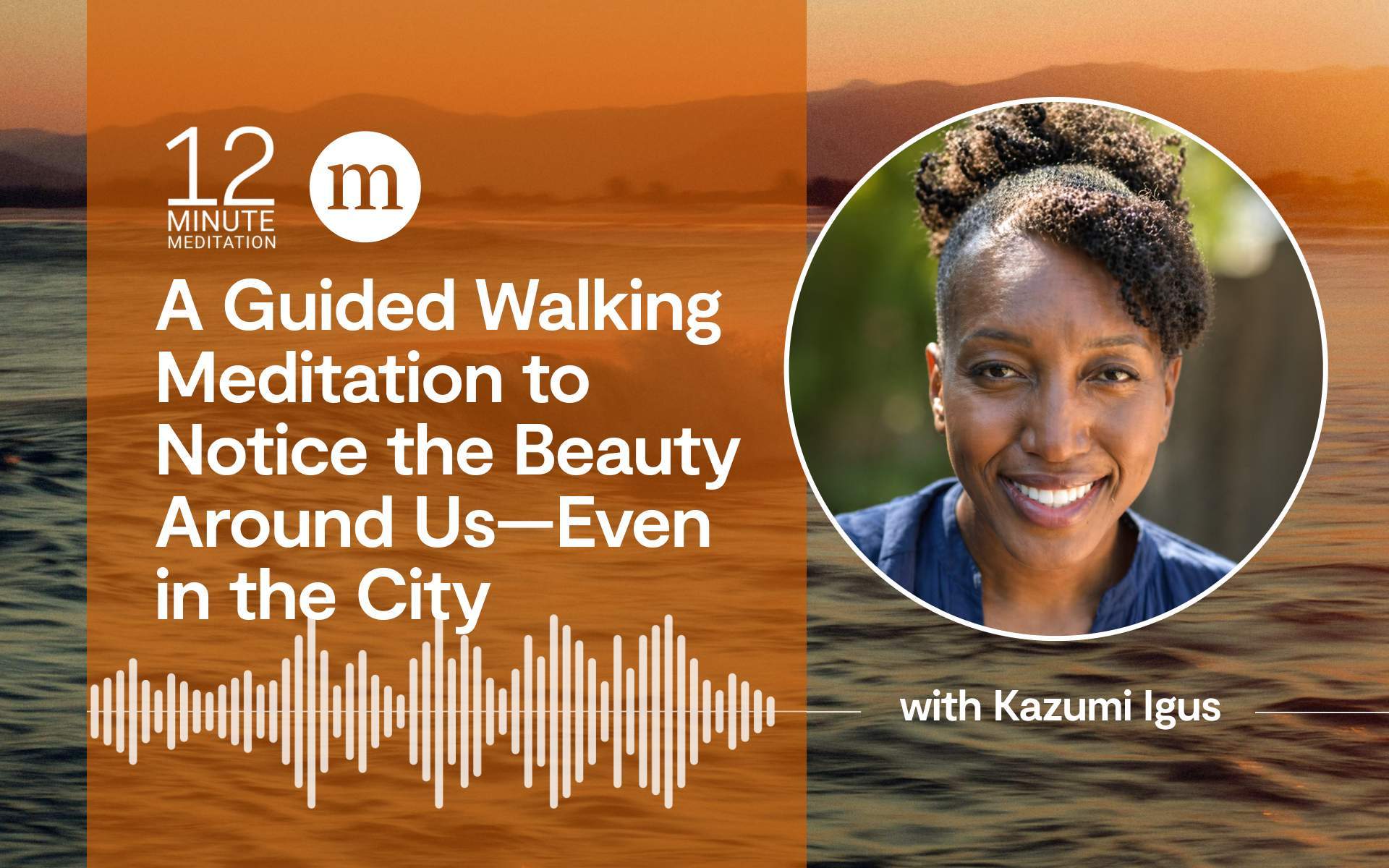
Her mission extends beyond teaching meditation techniques; it aims to fundamentally transform education into a system inherently responsive to students’ social and emotional needs. This includes explicitly fostering focus, which is increasingly challenging in an era of constant digital distraction, and empowering students to develop emotional resilience in an increasingly complex and challenging world. This deep-seated belief in nurturing inner resources for external challenges directly informs her urban walking meditation. She understands that if students can find peace and focus amidst the distractions of a classroom or a bustling schoolyard, then adults can similarly cultivate tranquility amidst the urban sprawl. Her work underscores the critical need for accessible, practical tools that equip individuals to navigate their environments with greater calm and intentionality.
Methodology and Accessibility: An Inclusive Path to Presence
The practical application of Igus’s guided walking meditation emphasizes simplicity and inclusivity. Participants are encouraged to engage with the practice regardless of their physical location or prior experience with meditation. The core methodology involves a structured sequence of observational prompts designed to redirect attention from internal anxieties or external distractions to the immediate sensory experience of the urban environment. This might include:
- Auditory Awareness: Noticing distinct sounds—birdsong, distant traffic, conversations, the rustle of leaves—without judgment.
- Visual Engagement: Observing colors, textures, patterns in architecture, street art, plant life, or the ever-changing sky.
- Somatic Sensations: Feeling the ground beneath one’s feet, the air on the skin, the rhythm of walking.
- Olfactory Exploration: Noticing scents, from blossoming flowers to the aroma of a nearby café.
The dual format of a written script and an audio practice ensures broad accessibility. The script allows individuals to self-guide at their own pace, perhaps pausing to deeply absorb a particular observation. The audio version offers a continuous, supportive voice, ideal for those new to meditation or who prefer guided instruction. This flexibility removes common barriers to entry, such as the need for specialized equipment or a quiet, secluded space, making mindfulness an everyday possibility for millions. Its inherent adaptability means it can be practiced during a lunch break, a commute, or a leisurely stroll, democratizing access to practices traditionally perceived as exclusive or demanding.
Expert Perspectives and Broader Impact
Leading mental health professionals and urban planners are increasingly recognizing the value of initiatives like Kazumi Igus’s guided urban meditation. Dr. Elena Rodriguez, a prominent urban psychologist, notes, "In a world where urban density is growing, tools that help individuals reconnect with themselves and their immediate surroundings are invaluable. Igus’s meditation offers a practical, low-barrier intervention that can significantly contribute to public mental health, fostering a sense of belonging and reducing the psychological load of city living."
Advocates for environmental awareness also highlight the secondary benefits. By fostering a conscious appreciation for the subtle natural elements within cities, the meditation can cultivate a greater sense of stewardship for urban green spaces and biodiversity. If individuals begin to truly see the life around them, they are more likely to care for it. This aligns with broader movements to integrate biophilic design principles into urban planning, recognizing that human well-being is intrinsically linked to nature.
From an educational standpoint, Igus’s work resonates deeply. Educators emphasize that developing focus and resilience in students, as championed by Igus in her role as WholeSchool Mindfulness Director, is paramount for academic success and life skills. An accessible urban meditation practice can serve as a model for how mindfulness can be integrated into daily routines, offering tangible strategies for students and adults alike to manage stress and enhance cognitive function.
Looking Ahead: The Future of Urban Mindfulness and Resilience
Kazumi Igus’s guided walking meditation represents more than just a momentary pause; it signifies a broader movement towards integrating intentional well-being practices into the fabric of modern urban life. The implications of such initiatives are far-reaching:
- Personal Resilience: By regularly engaging with this practice, individuals can build a robust internal reservoir of calm and focus, making them more adept at navigating life’s challenges. It empowers them to find pockets of peace within chaos, a critical skill in an unpredictable world.
- Community Well-being: A populace that is more mindful and less stressed contributes to healthier, more cohesive communities. Reduced individual stress can lead to more positive social interactions and a greater sense of collective well-being.
- Influencing Urban Design: As the demand for mindful urban experiences grows, it could influence city planners and architects to design spaces that actively encourage pause, reflection, and connection with nature, however small. This could manifest in more accessible green corridors, thoughtfully designed public plazas, and integration of natural elements into building designs.
- Educational Integration: The success of such accessible practices reinforces the argument for embedding mindfulness and social-emotional learning more deeply into educational curricula from early childhood through higher education. Igus’s work in LAUSD is a testament to this potential.
- Environmental Stewardship: By fostering a deeper appreciation for the urban natural world, the meditation indirectly promotes environmental awareness and conservation efforts, encouraging individuals to protect the green spaces and biodiversity within their cities.
In conclusion, Kazumi Igus’s guided walking meditation offers a timely and potent antidote to the relentless pace of contemporary urban living. It is a testament to the power of mindfulness to transform our perception, allowing us to discover profound beauty and tranquility not despite, but often within, the dynamic tapestry of our cities. As urbanization continues to define human civilization, practices like these will become increasingly essential in fostering not just individual well-being, but also a more resilient, connected, and appreciative global citizenry.