
 Ali Ikhwan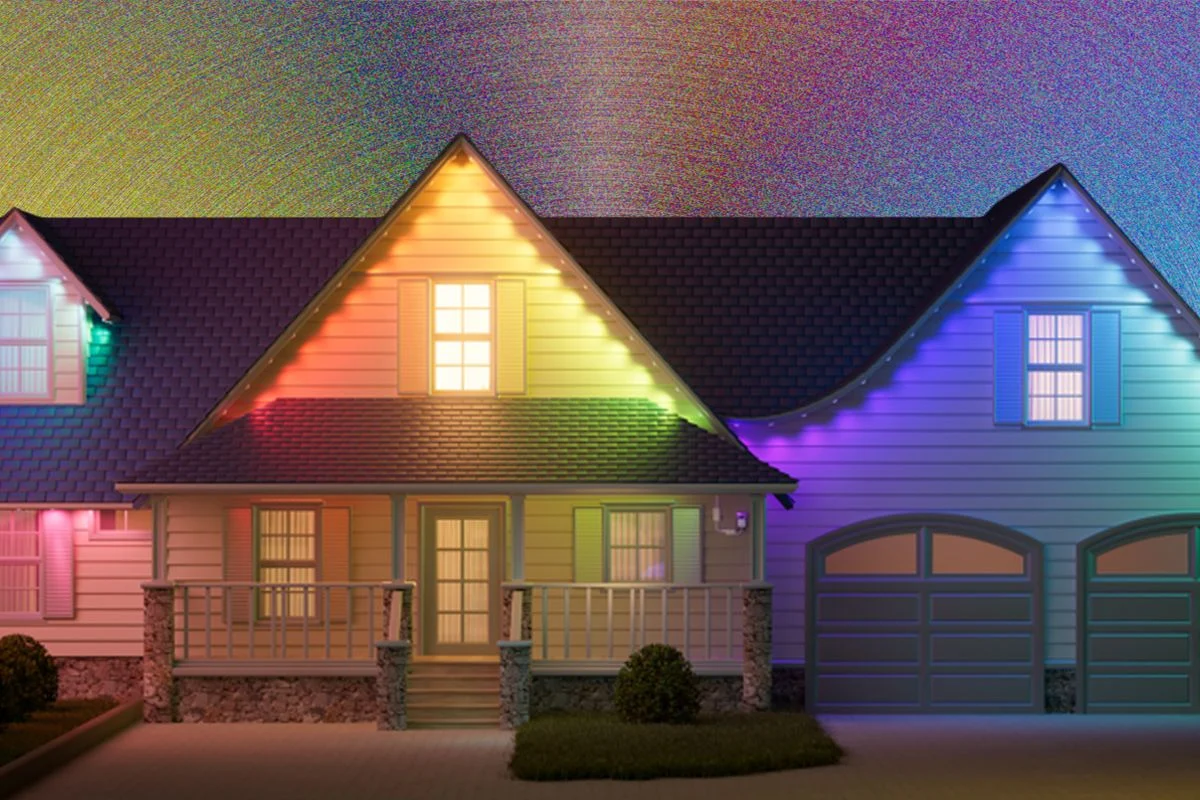
Permanent outdoor lighting systems have transitioned from niche architectural enhancements to a mainstream segment of the smart home market, offering homeowners a year-round solution for holiday decorating, security, and aesthetic curb appeal. Unlike traditional seasonal string lights, which require annual installation and removal, permanent systems are designed to be affixed to a home’s eaves or roofline indefinitely. These systems utilize advanced LED technology, robust weatherproofing, and sophisticated software integration to provide a versatile lighting solution that serves multiple purposes beyond the December holiday season. As the technology matures, consumers are increasingly weighing the benefits of high-end DIY kits against professional-grade installations, while also navigating the complexities of home architecture and neighborhood regulations.
The Technological Shift from Seasonal to Permanent Solutions
The chronology of outdoor festive lighting has seen significant shifts over the last century. For decades, the standard was incandescent mini-lights, which were prone to failure and consumed significant electricity. The introduction of LED technology in the early 2000s improved energy efficiency and longevity, but the physical labor of hanging lights remained a seasonal chore. By the early 2020s, the rise of "smart" lighting—controlled via smartphone applications and integrated with home automation ecosystems—paved the way for permanent installations.
These modern systems typically consist of "puck-style" LEDs or concentrated light modules spaced along a heavy-duty, weather-resistant cord. These are mounted under the eaves (soffits) of a house, pointing downward to wash the exterior walls with light. This orientation hides the hardware during the day while providing a dramatic architectural effect at night. Manufacturers have shifted focus toward "RGBWW" technology, which includes dedicated warm and cool white LEDs alongside the standard red, green, and blue diodes, allowing for high-quality architectural lighting when festive colors are not in use.
Market Leaders and Performance Analysis
The current market is bifurcated into professional-only installations and DIY-friendly kits. Among the DIY options, three brands have emerged as dominant players based on performance data and software reliability.
Govee Permanent Outdoor Lights Pro
Govee has positioned itself as a premium DIY option with its "Pro" series. Priced at approximately $440 for a 100-foot segment, the system is noted for its cut-and-splice capability, allowing users to customize the length to fit specific roofline peaks and gables. Technical specifications include an IP67 rating for the lights—meaning they can withstand temporary submersion in water—and an IP65 rating for the control box. Data from long-term testing indicates that Govee’s companion app is one of the most feature-rich in the industry, offering Matter support for integration with Apple Home, Amazon Alexa, and Google Home.
Eufy Permanent Outdoor Lights S4
Eufy, a brand under the Anker Innovations umbrella, offers the S4 system, which competes closely with Govee at a price point of roughly $300 to $500 for 100 feet. The S4 is distinguished by its inclusion of 120 preset holiday scenes and an AI-driven theme generator. A unique feature of the Eufy system is its integrated radar motion sensor, designed to trigger specific lighting patterns when movement is detected, effectively merging decorative lighting with home security.

GE Cync Dynamic Effects Outdoor Smart Eave Lights
For consumers seeking a more accessible entry point, GE’s Cync brand provides a 100-foot set for approximately $143. While it lacks some of the advanced splicing features of its more expensive competitors, it utilizes high-quality 3M adhesive backing for simplified installation. Testing suggests that the Cync system is particularly effective for low-height installations, such as balcony railings or porch perimeters, where drilling may be prohibited or unnecessary.
Architectural Requirements and Installation Logistics
The feasibility of a permanent lighting system is largely dictated by a home’s physical structure. Industry experts and professional installers emphasize several critical requirements for a successful installation:
- Eave Geometry: Permanent lights are most effective when mounted to flat, horizontal eaves (soffits). This allows the cords to be tucked away, making the system nearly invisible from the street during daylight hours.
- Surface Material: Adhesive-based systems require smooth, non-porous surfaces. Materials such as stucco, highly textured wood, or brick often necessitate screw-in anchors or professional-grade mounting tracks.
- Power Accessibility: Most systems require a standard outdoor GFCI outlet. For large homes, installers may need to plan for multiple power injection points to prevent "voltage drop," which causes lights at the end of a long string to appear dimmer than those at the beginning.
For homeowners with complex architecture, such as three-story elevations or steep gables, professional brands like JellyFish Lighting or Gemstone Lights are often recommended. These companies provide custom-colored tracks that match the home’s trim, and their technicians handle the high-altitude electrical work, though the cost can reach several thousand dollars.
Durability and Weatherproofing Standards
Because these lights are intended to remain exposed to the elements for five to ten years, their Ingress Protection (IP) rating is a vital metric for consumers. An IP67 rating is considered the gold standard for permanent outdoor electronics, indicating total protection against dust and the ability to withstand heavy rain or snow.
In regions with extreme climates—such as the American Midwest or the Pacific Northwest—thermal expansion and contraction can cause adhesive failures. Market data suggests that even with "permanent" adhesives, many homeowners eventually opt for mechanical fasteners (screws and clips) to ensure the system remains secure during high-wind events or ice accumulation.
Regulatory and Community Considerations
As permanent outdoor lighting becomes more common, it has drawn the attention of Homeowners Associations (HOAs) and local municipalities. The core of the debate often centers on "light pollution" and "aesthetic uniformity."
Some HOAs have updated their bylaws to restrict the use of permanent lights to specific holidays, citing concerns that nightly displays of bright or moving colors may disturb neighbors or degrade the neighborhood’s character. Conversely, proponents argue that when set to a steady, warm white, these lights function as high-end architectural lighting that increases property value and improves street-level safety.

Legal experts suggest that homeowners review their Covenants, Conditions, and Restrictions (CC&Rs) before installation. In many cases, a compromise is reached where the physical hardware is permitted if it is color-matched to the trim, but the use of colored "light shows" is restricted to specific dates or times.
Broader Impact and Market Implications
The rise of permanent lighting represents a broader trend in the "smartification" of the home exterior. This market segment is expected to grow as energy costs rise and consumers look for ways to automate home maintenance.
Economic Impact: The traditional professional holiday lighting industry, which relies on recurring annual installation fees, is facing disruption. Many of these companies are pivoting to offer permanent installation services to recapture market share.
Environmental Impact: High-efficiency LEDs used in these systems consume significantly less power than traditional bulbs. Furthermore, the longevity of permanent systems reduces the waste associated with discarded seasonal light strings, which are often not recycled properly.
Security Implications: By integrating with motion sensors and smart home cameras, permanent eaves lights are becoming a component of a comprehensive home defense strategy. Automated "away modes" can simulate occupancy by changing lighting patterns, a proven deterrent for opportunistic crime.
Future Outlook
The next generation of permanent outdoor lighting is expected to focus on deeper integration with artificial intelligence and environmental sensors. Future systems may automatically adjust their brightness based on ambient moonlight or sync with local weather alerts to flash specific colors during emergency warnings. As Matter-compatibility becomes standard, the friction between different smart home brands will dissipate, allowing these lights to act as a cohesive part of a home’s digital ecosystem.
For the modern homeowner, the decision to install permanent outdoor lights is an investment in both convenience and technology. While the upfront cost is higher than a box of traditional string lights, the elimination of annual labor, combined with the versatility of year-round architectural illumination, suggests that the "permanent" trend is likely to become a standard feature in contemporary residential design.







