Cintya Tara Annisa
The global specialty coffee industry continues to witness a profound shift toward experimental processing, rare botanical varietals, and long-term direct-trade partnerships, as evidenced by the latest curation of offerings from leading international roasters. This week’s "Roaster’s Village" collection highlights a diverse array of whole-bean coffees that reflect the current state of the high-end coffee trade, ranging from traditional wood-roasted Italian espressos to avant-garde co-fermented microlots. As consumer demand for transparency and unique sensory profiles grows, roasters are increasingly leveraging their relationships with producers to bring highly specific, often exclusive, lots to the global market.
The Evolution of Producer-Roaster Relationships
A recurring theme in the current specialty landscape is the longevity and depth of partnerships between roasting houses and coffee estates. This stability is exemplified by Madcap Coffee’s 2025 release of Finca de Dios, marking the 16th consecutive year of collaboration with producers Ellen and Stuart Prentice in Guatemala. Such long-term agreements provide financial security for farmers and allow for consistent quality improvements over decades. At Finca de Dios, the integration of family expertise—ranging from Ellen’s background in agronomy to Stuart’s focus on infrastructure—demonstrates the multi-generational effort required to maintain a 19-hectare farm across various microclimates.
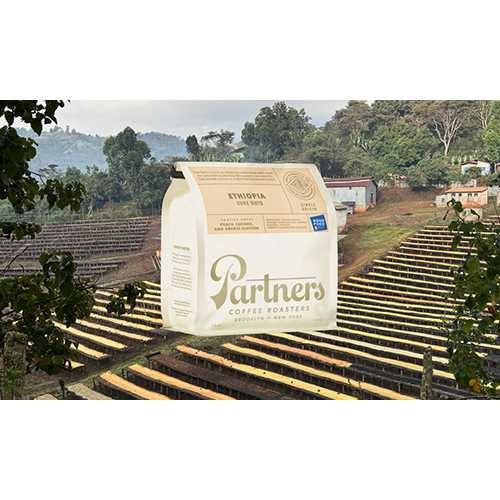
Similarly, Partners Coffee has reintroduced its washed selection from Suke Quto in the Guji region of Ethiopia. This farm, founded by Tesfaye Bekele in 2000, originated as a forest conservation project. Today, it serves as a global benchmark for sustainable agriculture, proving that high-volume specialty production can coexist with ecological preservation. The longevity of these relationships, such as the one between Partners and Bekele, underscores a move away from the transactional nature of the traditional C-market toward a more resilient, value-added supply chain.

Technical Innovations in Fermentation and Processing
The February 2025 selections reveal a significant industry trend toward "processing-forward" coffees. Roasters are moving beyond the traditional washed and natural categories to embrace controlled fermentation techniques that alter the chemical composition of the coffee cherry.
Co-Fermentation and Yeast Inoculation
Several roasters have introduced coffees that utilize "co-fermentation," a process where fruit or other organic materials are added during the fermentation stage to enhance specific flavor precursors.
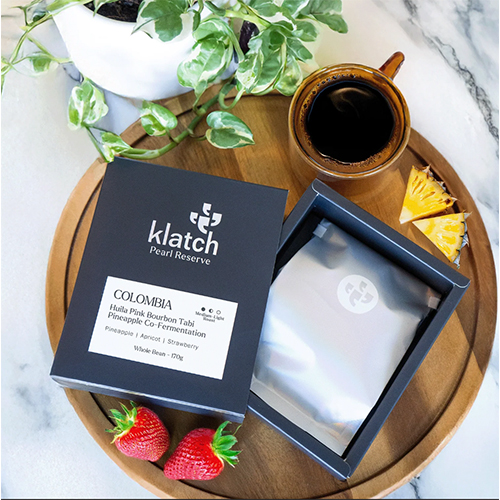
- Klatch Coffee has debuted a Colombia Huila Pink Bourbon Tabi, which undergoes a natural co-fermentation process with pineapple and panela.
- Presta Coffee Roasters offers a "Juicy Strawberry" co-ferment from San Agustín, Huila, where dehydrated strawberries are added to the fermentation tanks.
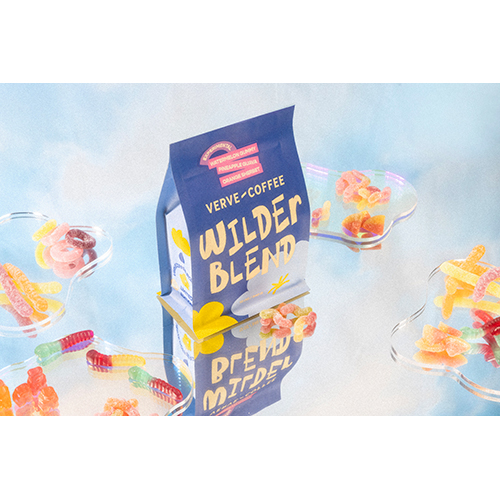
- Verve Coffee Roasters has taken a different technical route with its Wilder Blend, which utilizes yeast-inoculated Colombian coffees. By introducing specific yeast strains, roasters can amplify aromatics and sweetness without compromising the structural integrity of the coffee’s inherent terroir.
Anaerobic and Experimental Naturals
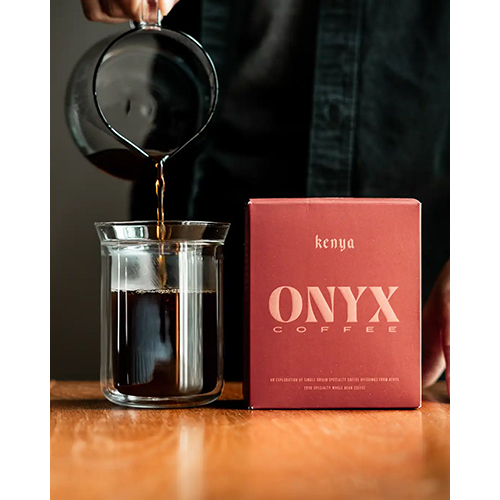
The use of anaerobic (oxygen-free) environments during fermentation continues to gain traction. PERC’s "Super Power Plum," produced by the renowned Diego Bermudez, showcases the potential of these methods to create "pixelated" or highly defined fruit notes such as red plum and raspberry. Meanwhile, Onyx Coffee Lab has released a natural lot from the Elshadai Estate in Kenya that underwent a two-day anaerobic fermentation, a departure from the traditional washed processing that has historically defined the Kenyan coffee profile.
The Rise of Rare and Exotic Varietals
As the specialty market matures, roasters are increasingly focusing on specific botanical varietals to differentiate their offerings. The current selection features several high-value cultivars, including Gesha (often spelled Geisha), SL28, and Sudan Rume.
- Phil & Sebastian has highlighted a washed Gesha from Benjamin Paz’s Finca La Salsa. Gesha, originally from Ethiopia but made famous in Panama, is prized for its floral, tea-like qualities and often commands the highest prices at international auctions.
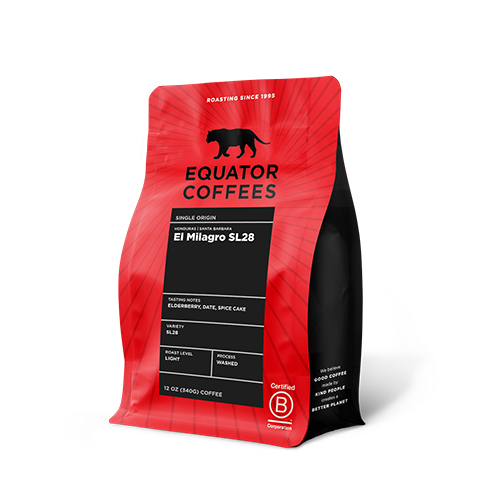
- Equator Coffees has secured an exclusive lot of SL28 from Honduran producer Anibal Pineda. The SL28 variety, a selection made by Scott Laboratories in Kenya in the 1930s, is rarely grown in Central America, making this Honduras-grown iteration a significant botanical curiosity.
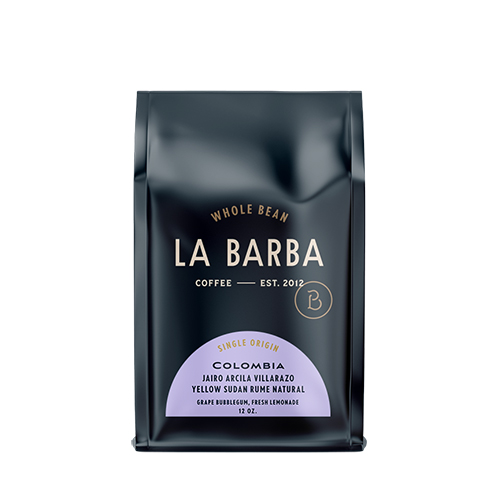
- La Barba Coffee has introduced a Yellow Sudan Rume natural from producer Jairo Arcila. Sudan Rume is an ancestral landrace variety known for its exceptional cup quality but low yield, making it a rare find in the commercial market.
Geographic Focus: Colombia as a Hub of Innovation
Colombia remains at the forefront of the specialty movement, represented in this week’s collection by a diverse range of regions and producers. The Huila department, in particular, continues to be a powerhouse for both volume and innovation.
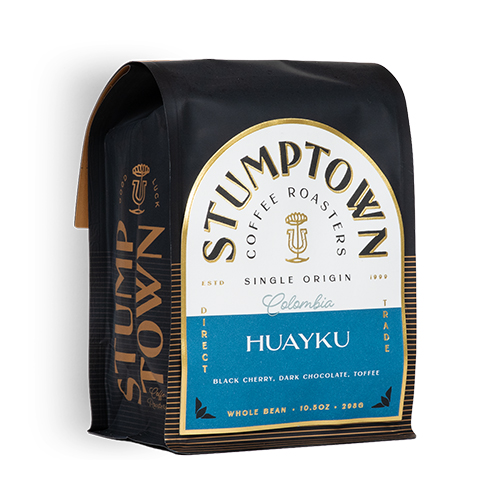
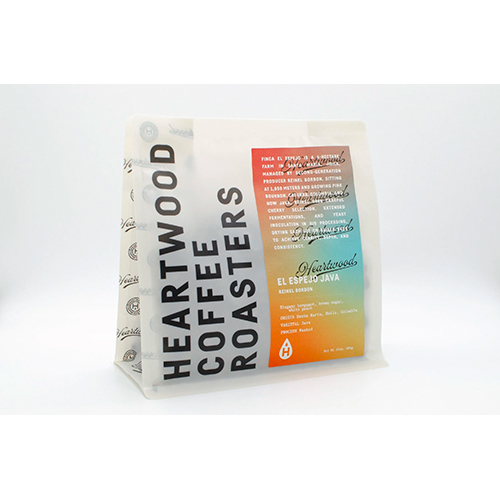
Heartwood Coffee and Stumptown Coffee Roasters both feature selections from Huila. Stumptown’s Colombia Huayku is noted for its approachability and complexity, while Heartwood’s El Espejo Java highlights the work of Reinel Borbon, a second-generation grower. The inclusion of the Java varietal—a long-berry cultivar resistant to coffee leaf rust—on a 4-hectare farm at 1,850 meters above sea level illustrates the ongoing efforts of smallholders to diversify their crops against environmental challenges.
Economic and Environmental Challenges
While the "Roaster’s Village" highlights exceptional quality, it also reflects the broader socio-economic pressures facing the industry. Onyx Coffee Lab’s Kenya Elshadai Estate Natural is described as a "tribute to a disappearing coffee landscape." Located in Kiambu County near Nairobi, the estate faces existential threats from rising land values and urban sprawl. As the city expands, traditional coffee lands are being converted into real estate developments, a trend that threatens the future of coffee production in some of Kenya’s most storied regions.
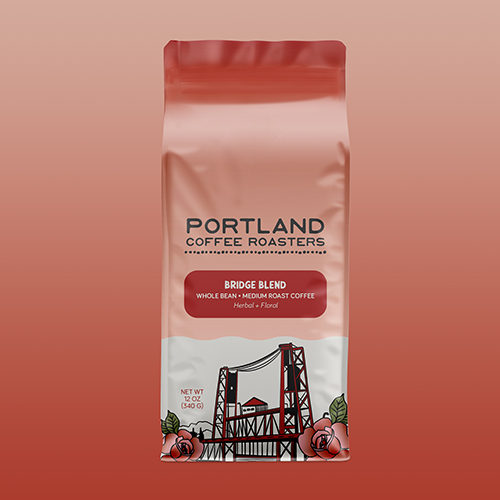
On the sustainability front, Portland Coffee Roasters has emphasized its Bridge Blend, which includes components from the PRONATUR cooperative in Peru. This partnership focuses on securing markets for growers’ organizations to ensure socio-economic development and a higher quality of life for farming communities. This highlight reinforces the industry’s shift toward "ethical sourcing" as a core brand pillar rather than a secondary consideration.
Market Pricing and Consumer Accessibility
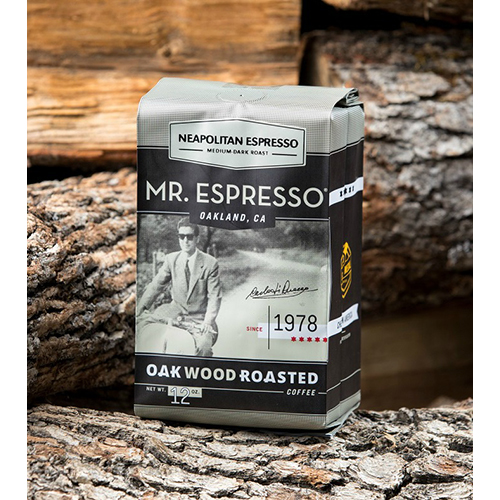
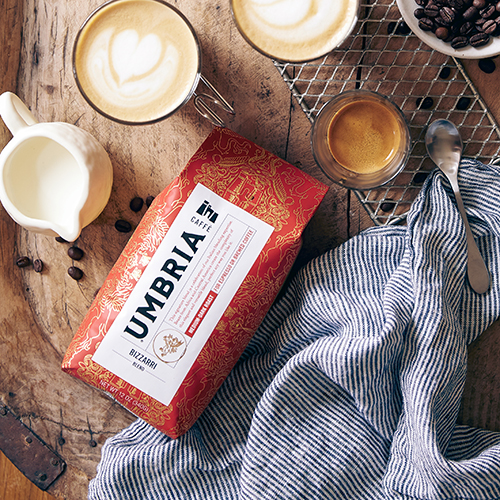
The pricing of this week’s offerings reflects the wide spectrum of the specialty market. Entry-level specialty blends, such as Mr. Espresso’s Neapolitan Espresso ($16/12oz) and Caffe Umbria’s Bizzarri Blend ($16/12oz), provide accessible price points for consumers seeking high-quality daily drinkers. These roasters often utilize traditional methods, such as Mr. Espresso’s wood-roasting technique, to differentiate their products through craft rather than rare varietals.
At the premium end of the scale, limited-edition microlots and rare varietals command significantly higher prices. Phil & Sebastian’s Finca La Salsa Gesha is priced at $45 CAD for a 100g tin, reflecting the extreme scarcity and high production costs associated with top-tier Gesha lots. Other innovative offerings, such as Presta’s strawberry co-ferment ($35/10oz) and PERC’s Diego Bermudez lot ($33/13oz), indicate that consumers are willing to pay a premium for experimental flavor profiles that deviate from the traditional coffee taste.
Chronology of Sourcing and Competition
The timeline for these coffee releases often spans several months of sourcing, cupping, and logistics. For instance, Olympia Coffee secured its 1st Place Competition Lot from El Salvador Las Tres Estaciones during the Specialty Coffee Association (SCA) Expo in Houston. The journey from a winning cupping table to a retail bag involves rigorous quality control and a competitive bidding process, highlighting the role of industry events in shaping what eventually reaches the consumer.
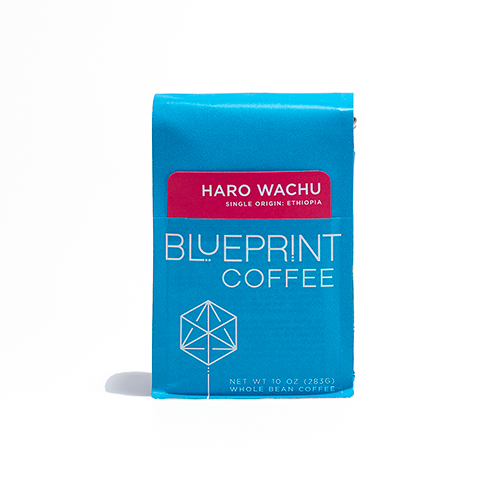
Similarly, Blueprint Coffee’s Haro Wachu from Ethiopia is the result of a visit to sourcing partner Ture Waji early last year. This timeline—from farm visit to processing at the Sookoo Coffee drying station to final roasting in St. Louis—illustrates the extensive lead times required to bring high-quality traceable coffee to market.
Broader Industry Implications
The diversity of the current Roaster’s Village offerings suggests a specialty coffee market that is bifurcating. On one side, there is a continued reverence for "purity" and terroir, seen in the washed Geshas and traditional Ethiopian lots. On the other, there is a bold move toward "designed" coffees, where fermentation and co-fermentation are used as tools to create specific, repeatable sensory experiences.
As the industry moves through 2025, the challenges of climate change and land use will likely continue to push producers toward more resilient varietals like Java and Tabi, while roasters will increasingly rely on technical innovation to capture consumer interest in a crowded marketplace. The success of these offerings will depend on the industry’s ability to communicate the value of these innovations to a global audience that is becoming increasingly sophisticated in its coffee consumption.