
 Ali Ikhwan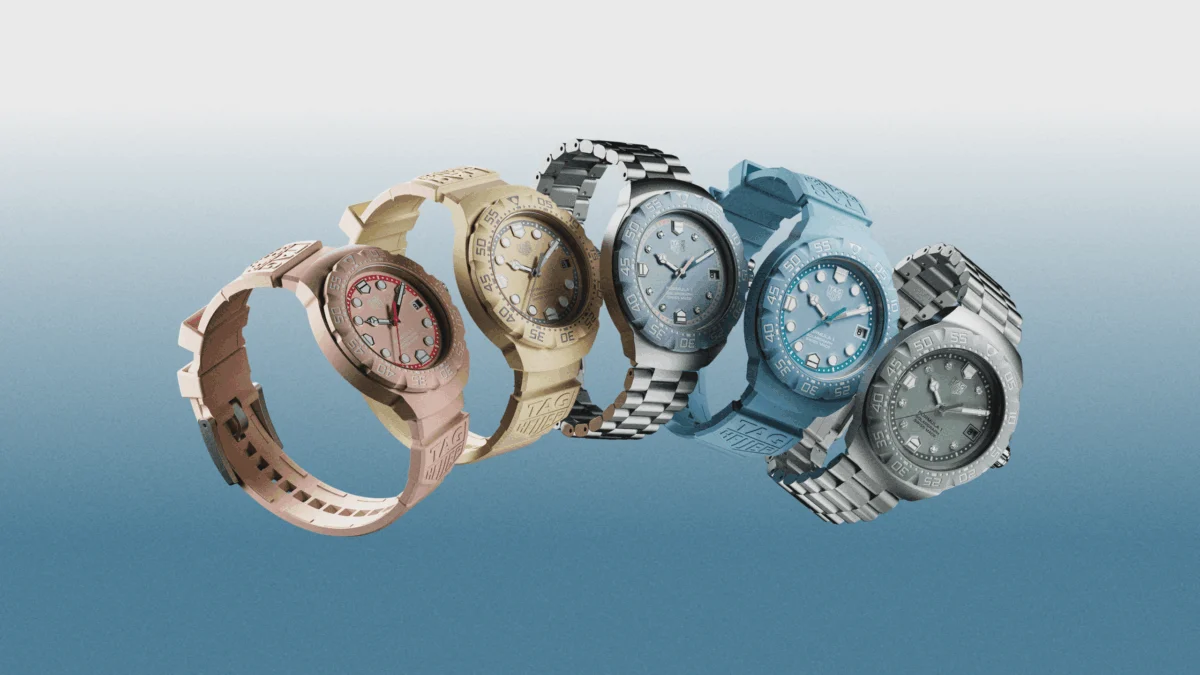
The global horological landscape, still recalibrating after the intensive product launches at Watches and Wonders Geneva, has seen a significant mid-year expansion from TAG Heuer. The Swiss avant-garde watchmaker has officially unveiled an update to its Formula 1 collection, introducing five new timepieces defined by a "pastel" aesthetic. This release builds upon the momentum of the brand’s 2025 product cycle, focusing on the revival of the iconic plastic-cased designs that defined the brand’s entry-level identity during the 1980s. The new models are integrated into the Solargraph line, utilizing light-powered movements to bridge the gap between vintage nostalgia and contemporary sustainable technology.
The Evolution of the Formula 1 Pastel Collection
The new release comprises five distinct references, all centered on a 38mm case diameter. This sizing represents a strategic middle ground for the brand, moving away from the 35mm dimensions of the original 1980s models while remaining more compact than the bulkier chronographs that have dominated the Formula 1 line in recent decades. The collection is bifurcated by material: three models utilize TAG Heuer’s proprietary bio-polyamide plastic, known as Polylight, while two models feature sandblasted stainless steel cases.

The Polylight variants are presented in pastel blue, beige, and pink. These models are equipped with color-matched rubber straps and bidirectional-rotating Polylight bezels. The use of bio-polyamide serves as a direct technical successor to the Arnite thermoplastic used in the original 1986 series. By utilizing a bio-sourced material, TAG Heuer aligns the collection with broader luxury industry trends focusing on environmental responsibility without sacrificing the lightweight, durable characteristics that made the original Formula 1 a commercial juggernaut.
The two stainless steel models offer a more traditional luxury interpretation. These pieces feature a 3-link sandblasted steel bracelet and are available with either a "pastel green" or "lavender blue" dial. Notably, these steel versions incorporate eight diamond hour markers, replacing the standard circular indices found on the Polylight models. This inclusion aims to position the steel variants as a bridge between sporty utility and "refined sophistication," according to the manufacturer.
Technical Specifications and the Solargraph Movement
At the heart of the new collection is the TH50-00 Solargraph movement. This caliber represents a significant technical partnership between TAG Heuer and the Citizen Watch Group. The movement’s architecture is a collaborative effort: the solar module and critical circuitry are produced by Citizen in Japan—the undisputed leaders in light-powered horology—while the final timekeeping components and assembly are handled by Citizen’s Swiss subsidiary, La Joux-Perret.

The Solargraph technology functions through a specialized dial construction consisting of two superposed polymer layers. These layers are engineered to be translucent enough to allow light to penetrate through to the solar cell located beneath the dial, yet opaque enough to maintain a high-quality aesthetic finish. Once light reaches the cell, it charges a secondary battery that powers the quartz movement.
The efficiency of the TH50-00 is a key selling point for the collection. A mere ten seconds of exposure to any light source—natural or artificial—is sufficient to restart a depleted movement. A full charge provides a power reserve of approximately ten months in total darkness. Furthermore, the watches are designed for active use, featuring screw-down crowns and case backs that guarantee a water resistance rating of 100 meters (10 bar), ensuring they meet the requirements for both competitive sports and recreational diving.
Historical Context: From 1986 to the Kith Collaboration
To understand the significance of the 2024 pastel release, one must look back to 1986, a pivotal year for the brand. Following the acquisition of Heuer by Techniques d’Avant Garde (TAG) in 1985, the Formula 1 was the first watch launched under the new "TAG Heuer" moniker. Inspired by the market-disrupting success of Swatch, the original Formula 1 utilized bright colors and affordable materials to reach a younger, broader demographic.

Between 1986 and 1995, the original series sold millions of units. Its credibility was bolstered by its association with the McLaren Formula 1 team, with legendary drivers such as Ayrton Senna, Alain Prost, and Michael Schumacher frequently seen wearing the colorful plastic timepieces. The collection was eventually phased out as TAG Heuer moved further upmarket, but its status as a cult classic remained.
The revival began in earnest in early 2024 through a highly publicized collaboration with the American streetwear label Kith. That limited-edition release brought back the original 35mm case size and vintage branding. The current pastel collection, however, represents the "mainline" evolution of this revival. By increasing the size to 38mm and upgrading the materials to Polylight and Solargraph movements, TAG Heuer is attempting to modernize the heritage design for a contemporary audience that values both mechanical reliability and retro aesthetics.
Chronology of the Formula 1 Series
- 1986: Launch of the first TAG Heuer Formula 1, featuring Arnite plastic cases and quartz movements.
- 1986-1995: The "Golden Era" of the F1, defined by vibrant colors and associations with world-champion racing drivers.
- 1997-2000s: Transition to all-steel cases and more traditional sports watch aesthetics.
- March 2023: Introduction of the first Solargraph movement in the 40mm Aquaracer line.
- May 2024: Collaborative release with Kith, reviving the 35mm plastic-cased aesthetic.
- June 2024: Launch of the 38mm Pastel Collection, expanding the Solargraph technology into the heritage-inspired F1 silhouette.
Pricing and Market Positioning Analysis
The pricing strategy for the new collection has sparked discussion among horological analysts. The Polylight versions (blue, beige, and pink) are priced at $1,950, while the stainless steel models with diamond indices retail for $2,800.

Critics have pointed out that Citizen, the primary supplier of the solar technology, offers its own Eco-Drive models for significantly less—often under $600. However, the premium for the TAG Heuer Formula 1 is attributed to several factors:
- Swiss Assembly: The involvement of La Joux-Perret ensures the movement meets "Swiss Made" criteria.
- Material Innovation: The development of Polylight bio-polyamide is a proprietary brand expense.
- Brand Equity: The Formula 1 name carries nearly 40 years of racing heritage and global recognition.
- Luxury Tiering: The Solargraph F1 remains considerably more affordable than the brand’s Aquaracer Solargraph, which occupies the $3,000+ price bracket.
The pink Polylight version carries additional collector value, as it is a limited edition of 1,110 pieces, released to commemorate the 110th anniversary of the Indianapolis 500. This tie-in reinforces the collection’s historical roots in motorsport, even as it adopts a softer, "lifestyle" color palette.
Broader Impact on the Watch Industry
The release of the Formula 1 Pastel Collection highlights a growing trend in the luxury watch industry: the "premiumization" of plastic and quartz. Following the unprecedented success of the Omega x Swatch MoonSwatch, luxury brands have recognized a significant appetite for high-end watches that utilize unconventional, lightweight materials and bold colors.

TAG Heuer’s approach differs from the MoonSwatch by maintaining higher manufacturing standards and superior movement technology (solar vs. standard battery quartz). By leaning into its 1980s archives, TAG Heuer is tapping into the "Neo-Vintage" trend, where designs from the 80s and 90s are now viewed with the same reverence previously reserved for the 50s and 60s.
Furthermore, the move toward gender-neutral sizing and colors reflects a shift in consumer behavior. The 38mm case and pastel palette are designed to appeal to both men and women, moving away from the traditional gendered marketing of sports watches. This inclusivity is expected to broaden the Formula 1’s reach in emerging markets and among younger collectors who prioritize style and ease of maintenance.
Future Outlook
As TAG Heuer continues to refresh its catalog under the leadership of CEO Julien Tornare, the expansion of the Solargraph technology is expected to continue. The integration of solar power into the brand’s most accessible line suggests a long-term commitment to reducing the environmental impact of battery replacements while providing a "set-and-forget" user experience.

While the secondary market for original 1980s Formula 1 watches remains active—with vintage models often trading for $500 to $800—the new Pastel Collection offers a modern alternative for those who desire the vintage look with the benefits of a manufacturer warranty, superior water resistance, and advanced material science. The success of this collection will likely determine if TAG Heuer continues to explore its "plastic" heritage or if it will return to a strictly steel-and-titanium focus for its entry-level offerings.







