rifanmuazin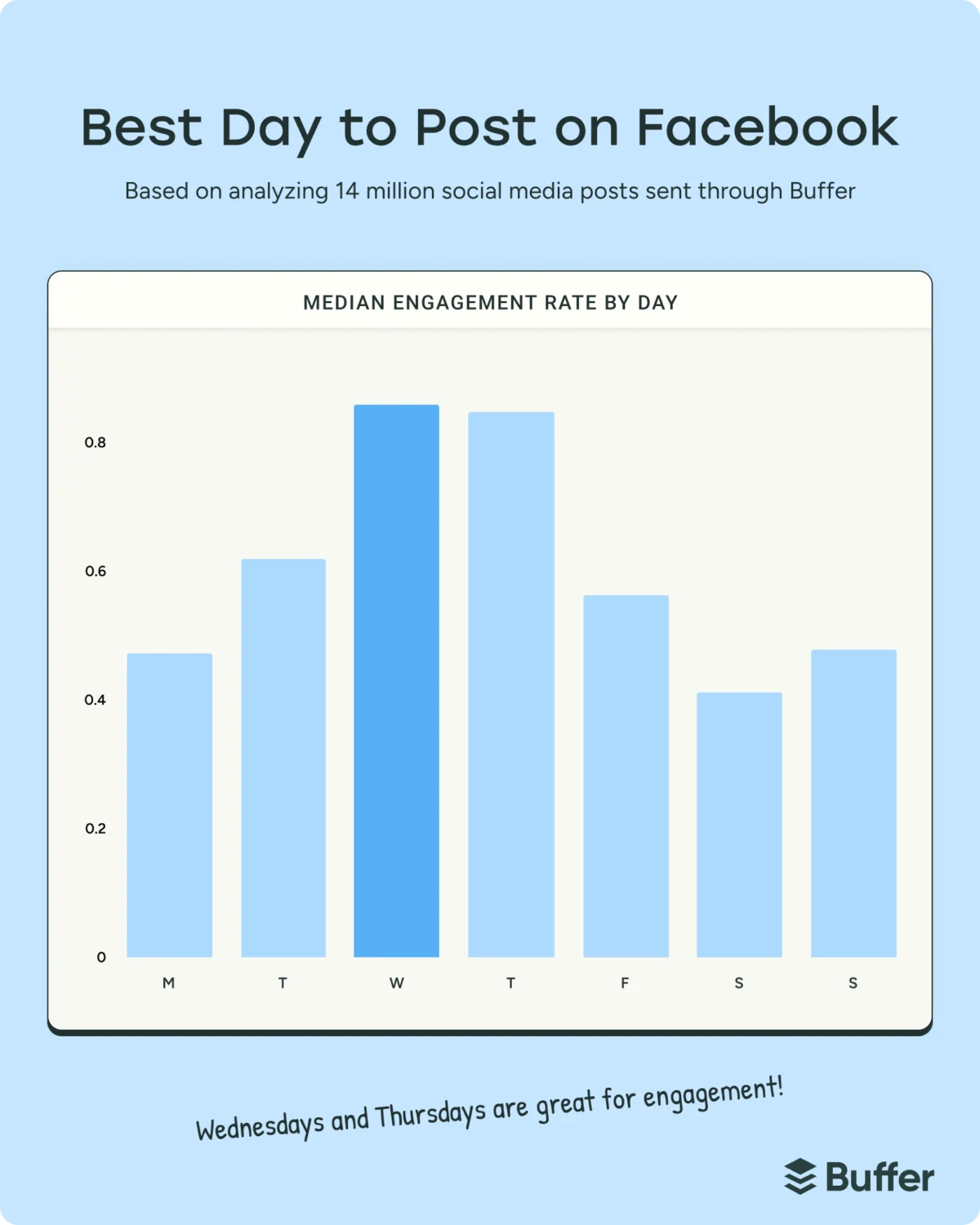
Buffer’s comprehensive 2026 State of Social Media Engagement report reveals critical insights into maximizing content reach and interaction by identifying the best times to post across Instagram, Facebook, Threads, LinkedIn, YouTube, TikTok, and X. This annual investigation, drawing upon an extensive analysis of over 52 million social media posts, provides data-backed recommendations designed to serve as a strategic starting point for digital marketers aiming to refine their social media presence. While crucial, it is imperative to acknowledge that precise timing is but one component of a multifaceted algorithm governing content success, with consistency and quality retaining paramount importance.
The Evolving Landscape of Social Engagement
The digital sphere is in constant flux, driven by evolving user behaviors and sophisticated platform algorithms. Understanding the optimal timing for content distribution has become an increasingly complex yet vital aspect of effective social media marketing. This year’s Buffer report underscores this complexity, demonstrating that a universal "best time" to post across all platforms simply does not exist. Each network serves distinct purposes, attracting diverse user demographics with varied online habits. For instance, LinkedIn, primarily a professional networking site, thrives during specific working hours and increasingly, after-work periods, reflecting a blend of professional and personal browsing. In contrast, entertainment-focused platforms like TikTok see peak engagement in evenings and weekends when users engage in leisure activities. Similarly, news-centric platforms such as X (formerly Twitter) and Threads often capture early morning attention as individuals seek immediate updates.
Buffer’s data scientists meticulously analyzed engagement metrics, including likes, comments, shares, watch time, and replies, across this massive dataset to pinpoint time slots exhibiting the highest median engagement. The findings offer a granular view, revealing distinct patterns that challenge assumptions and highlight the necessity of a tailored approach for each platform within a broader digital marketing strategy. Importantly, these recommended times are universally applicable as local times, eliminating the need for complex time zone conversions, a critical detail for international marketers.
Unpacking the Data: Buffer’s Rigorous Analysis
The 2026 report builds on years of dedicated research, emphasizing a rigorous, data-driven methodology. By examining 52 million posts, Buffer’s analysis offers a robust statistical foundation for its recommendations. The study isolates time slots with peak median engagement, acknowledging that algorithm factors such as user preferences, location, and previous engagement history also play significant roles. While timing is a valuable lever for boosting initial visibility, it functions as a single piece in a larger, intricate algorithmic puzzle. Nevertheless, for content creators already delivering high-quality, relevant material, optimizing posting times can provide a measurable advantage.
General trends observed across the data confirm some common-sense notions while debunking others. Content published in the middle of the night consistently demonstrates poor performance across most platforms. Less intuitively, posts shared on weekends generally experience reduced engagement, with TikTok being a notable exception where weekend activity often outperforms weekdays. These broad strokes reinforce the report’s central message: a bespoke social media calendar, meticulously designed for each platform, is indispensable for achieving optimal results.
Platform-Specific Insights: A Detailed Breakdown
The report provides a comprehensive "cheat sheet" of optimal posting times, urging marketers to delve deeper into the nuances for each platform.
-
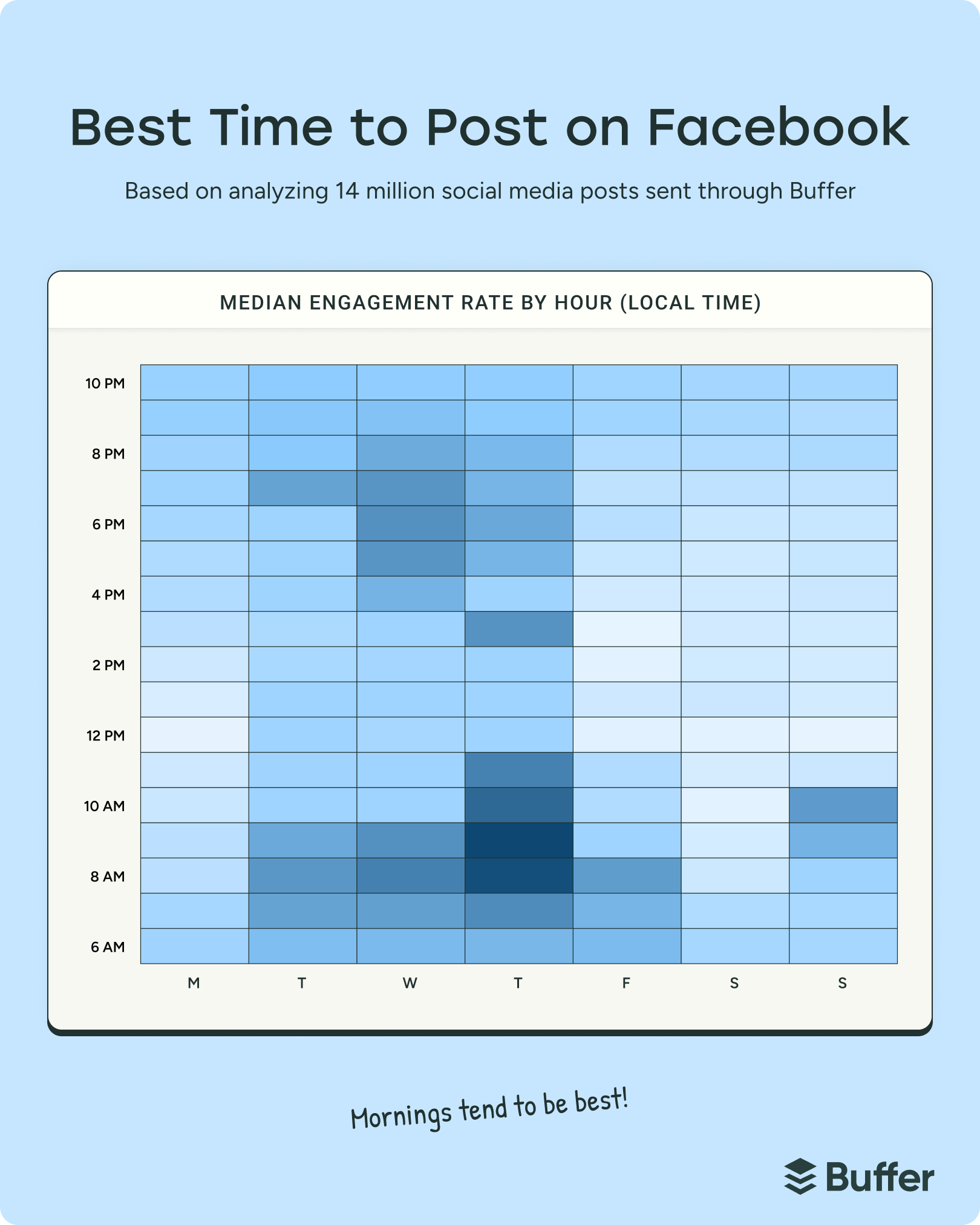
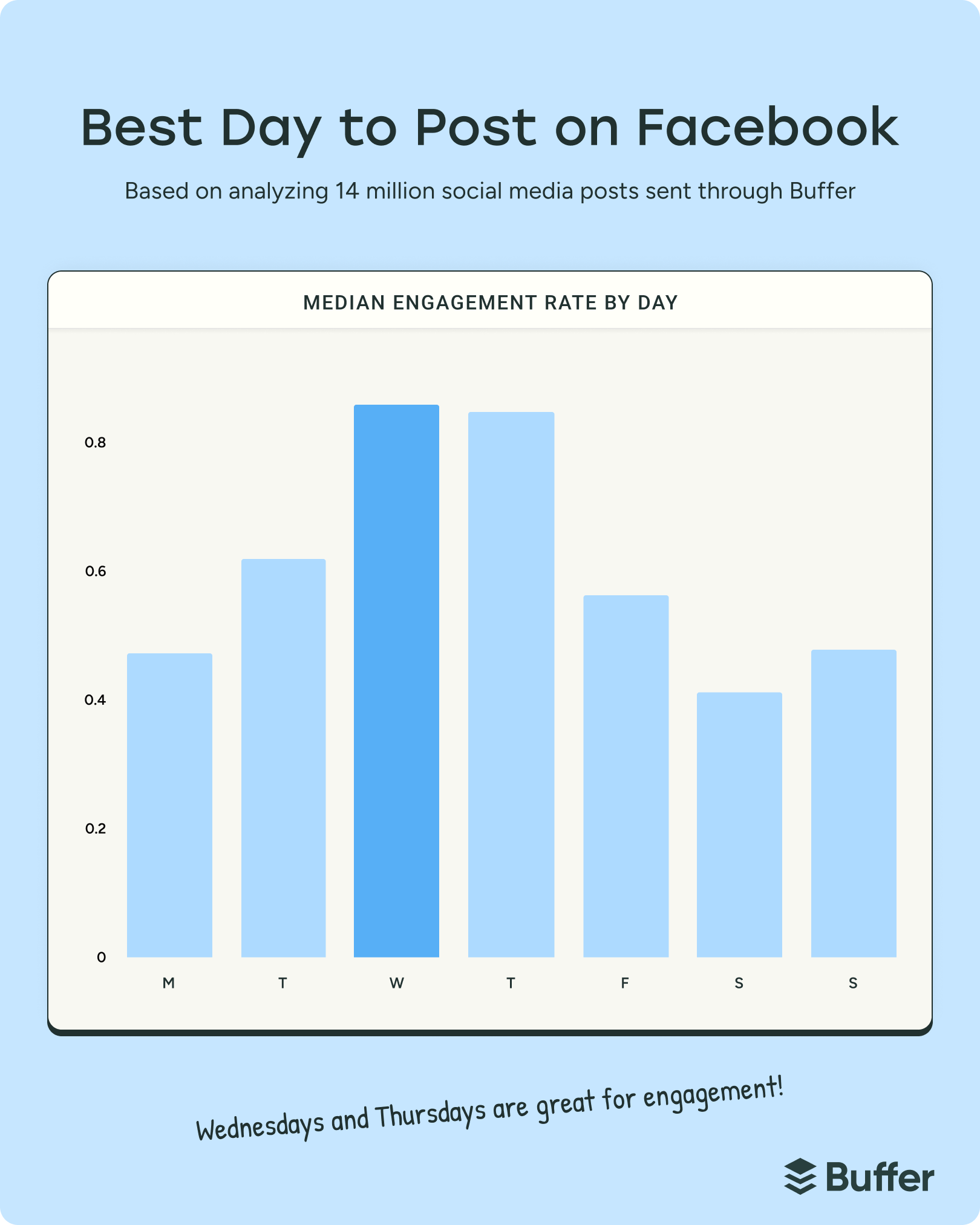
Facebook: The data suggests that 9 a.m. on Thursday is the prime moment for Facebook posts, consistently yielding the highest engagement. Generally, morning hours prove most effective, with activity peaking around midday before a gradual decline and a smaller resurgence in the early evening. Wednesday emerges as the strongest day overall for engagement, closely followed by Thursday. Conversely, weekend posts experience a noticeable dip, with Saturday registering as the quietest day on the platform. This pattern reflects Facebook’s role as a platform for casual morning browsing and mid-week catch-ups among friends and family.
-
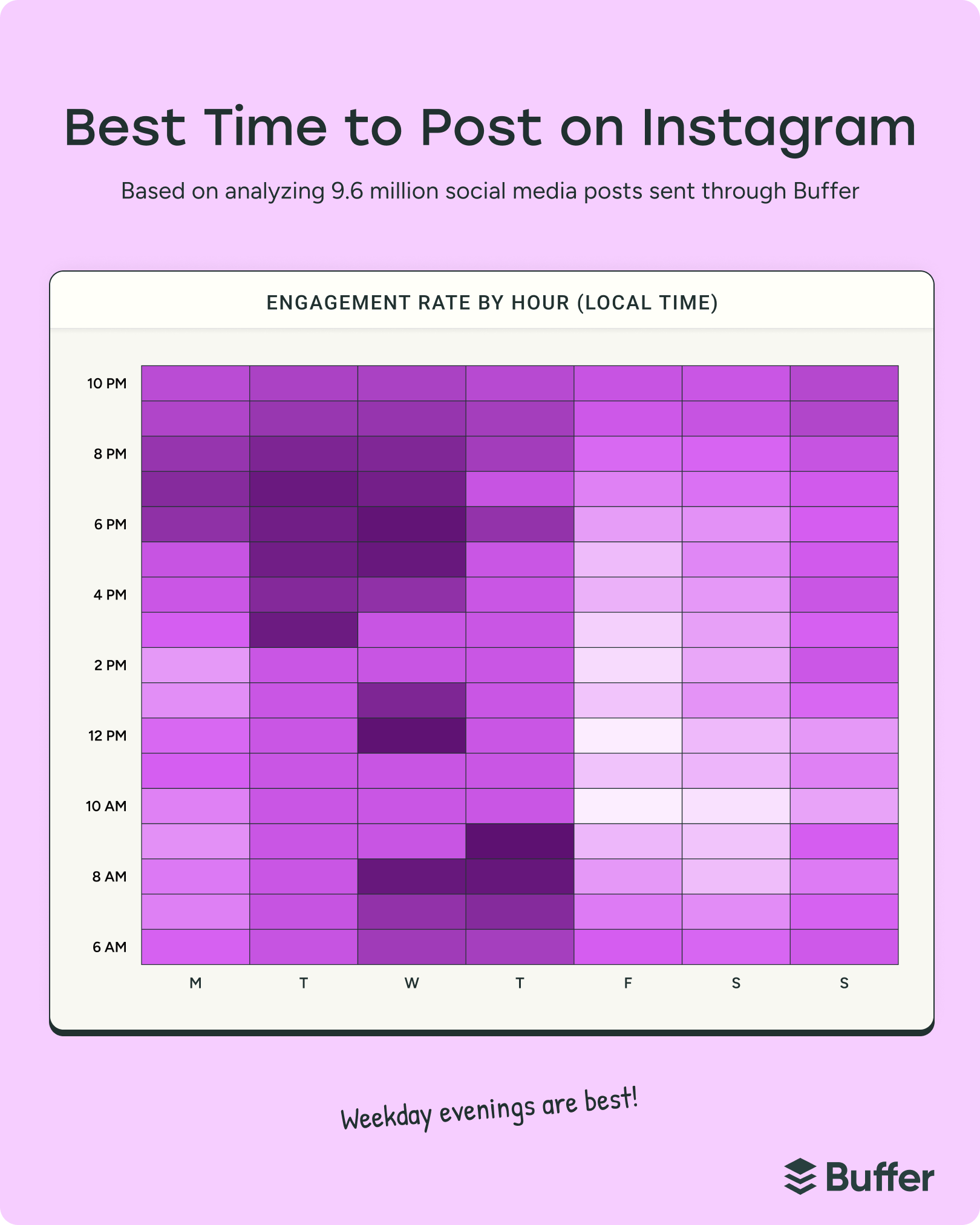
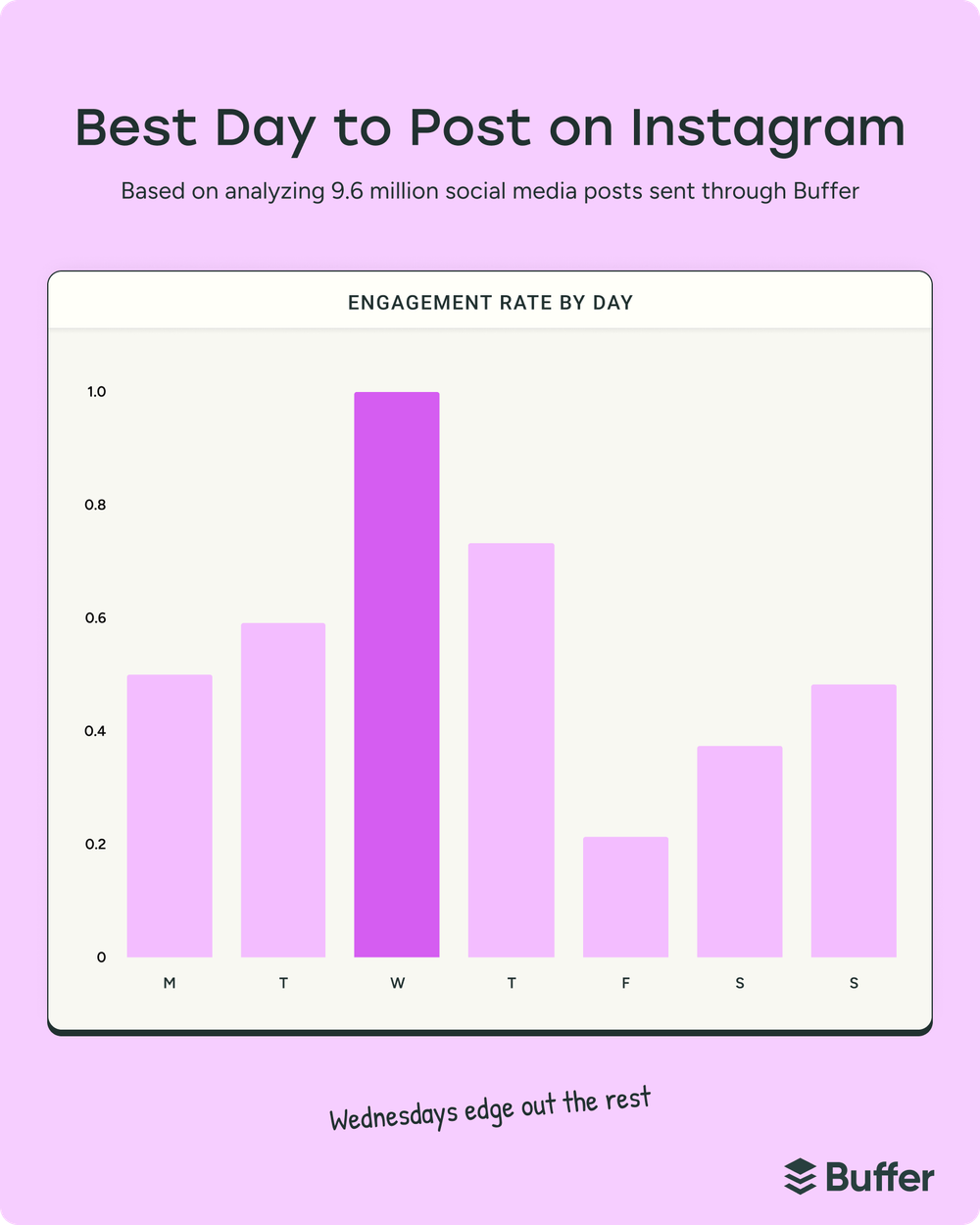
Instagram: Mirroring Facebook, 9 a.m. on Thursday is identified as the best time to post on Instagram, based on an analysis of nearly 10 million posts. Early mornings on both Wednesday and Thursday exhibit strong performance, with another significant engagement spike occurring around 6 p.m. on most weekdays. This suggests a dual engagement pattern: users checking updates early in the day and again during evening leisure hours. Weekends, particularly Friday, show a decline in reach, with recovery beginning on Monday. Wednesday stands out as the day with the highest overall engagement, making it a reliable choice for critical content.
-
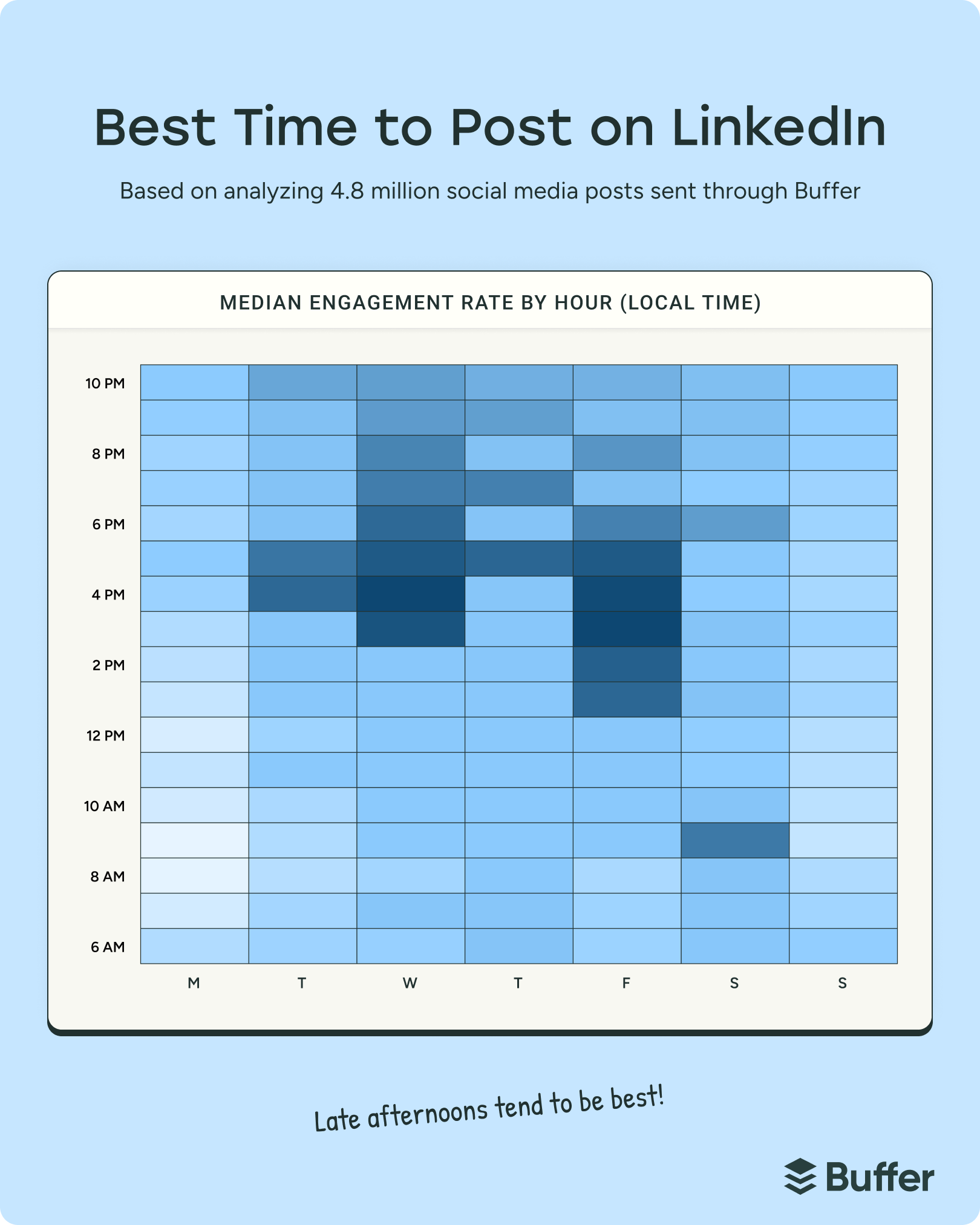
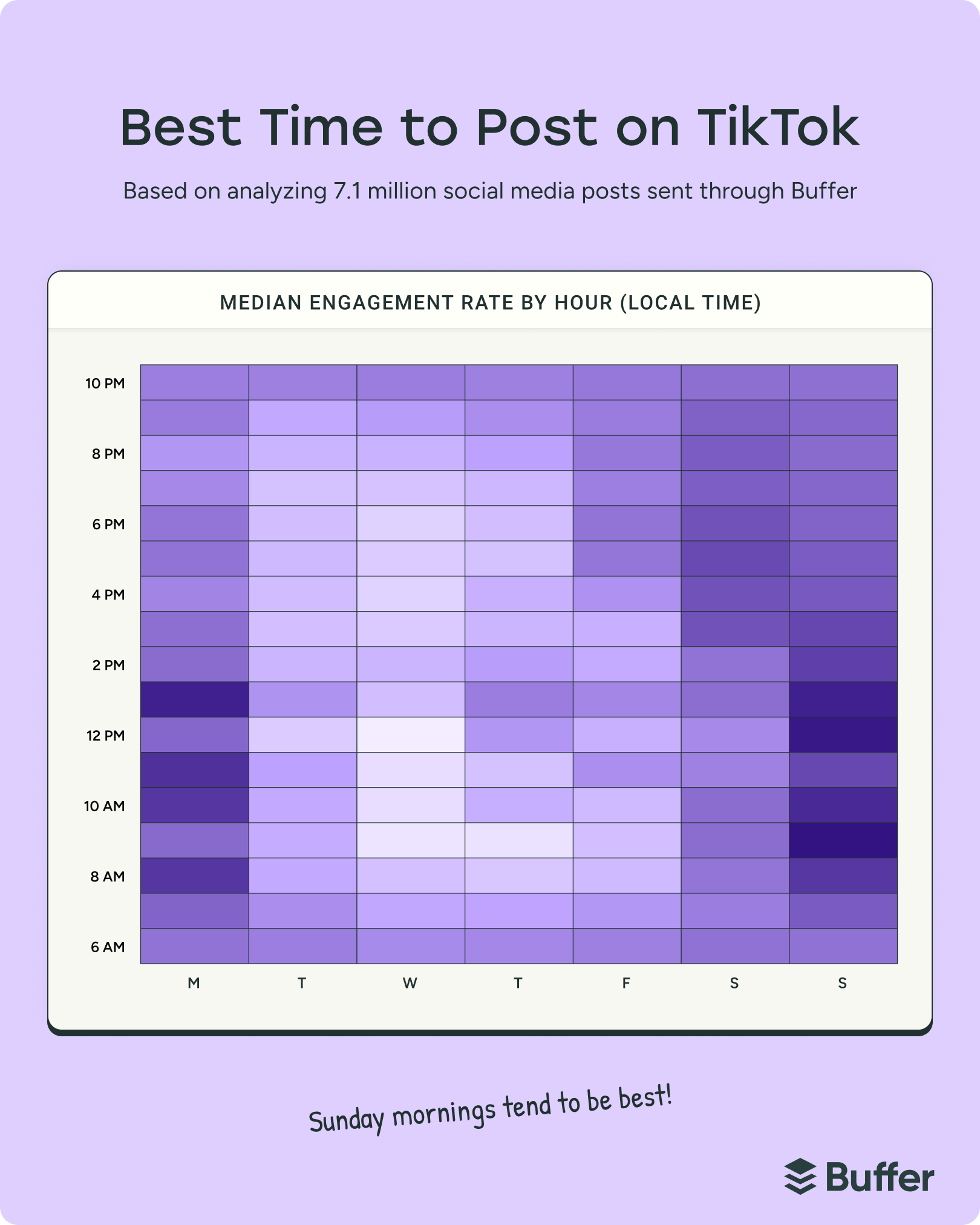
LinkedIn: A notable shift has been observed on LinkedIn, where the optimal posting times have moved beyond traditional workday hours. The best times are identified as 4 p.m. on Wednesday, 4 p.m. on Friday, and 3 p.m. on Friday. This indicates a growing trend of professionals engaging with content outside strict office hours—during commutes, evening unwinding, or pre-bedtime scrolls. Engagement typically builds in the afternoon and sustains well into the evening. Surprisingly, for a professional network, posts shared on Saturday and Sunday garner significantly more engagement than those published during early weekdays. Wednesday remains the leading day for overall engagement, followed by Thursday and Friday. This shift highlights the blurring lines between professional and personal digital consumption.
-
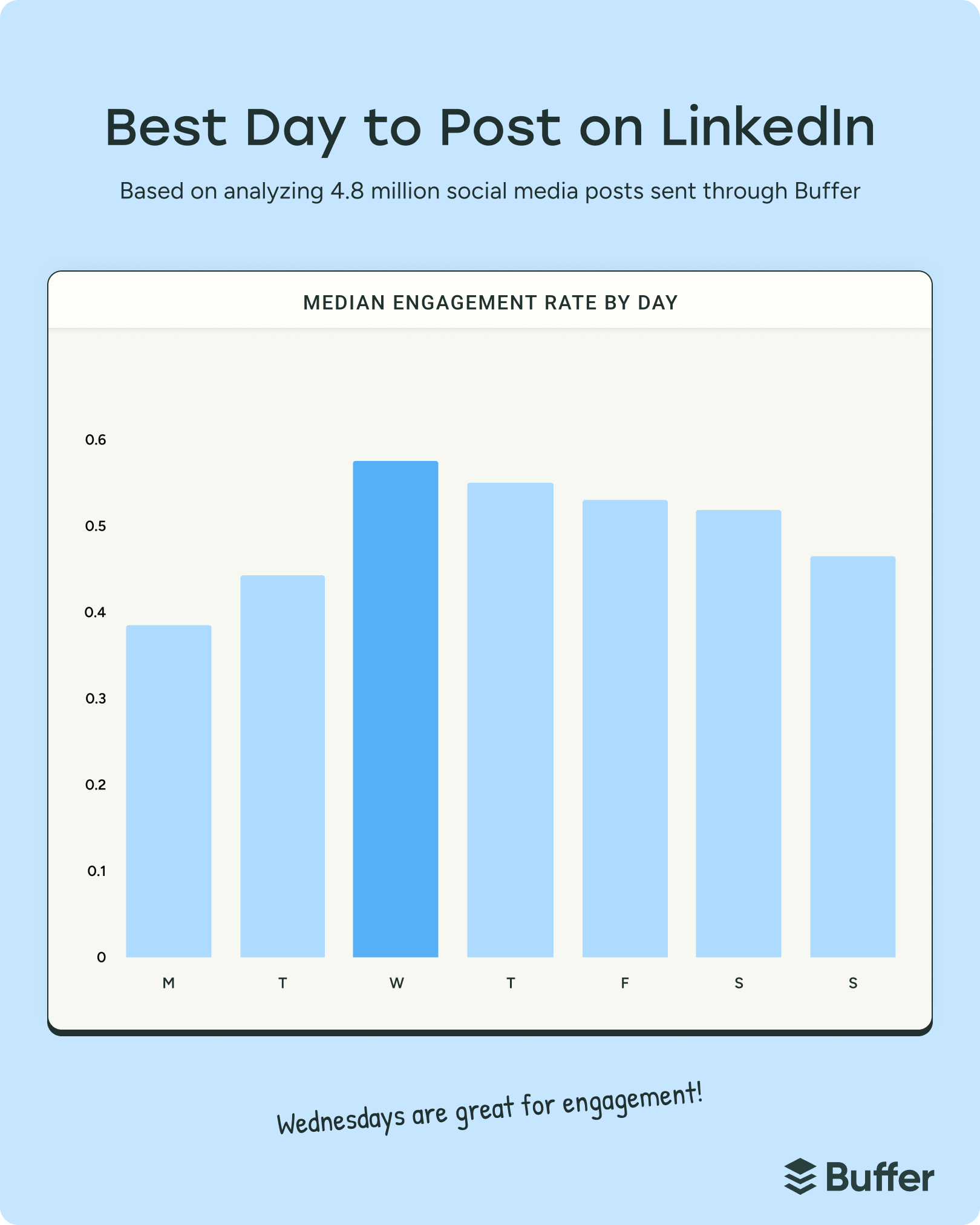
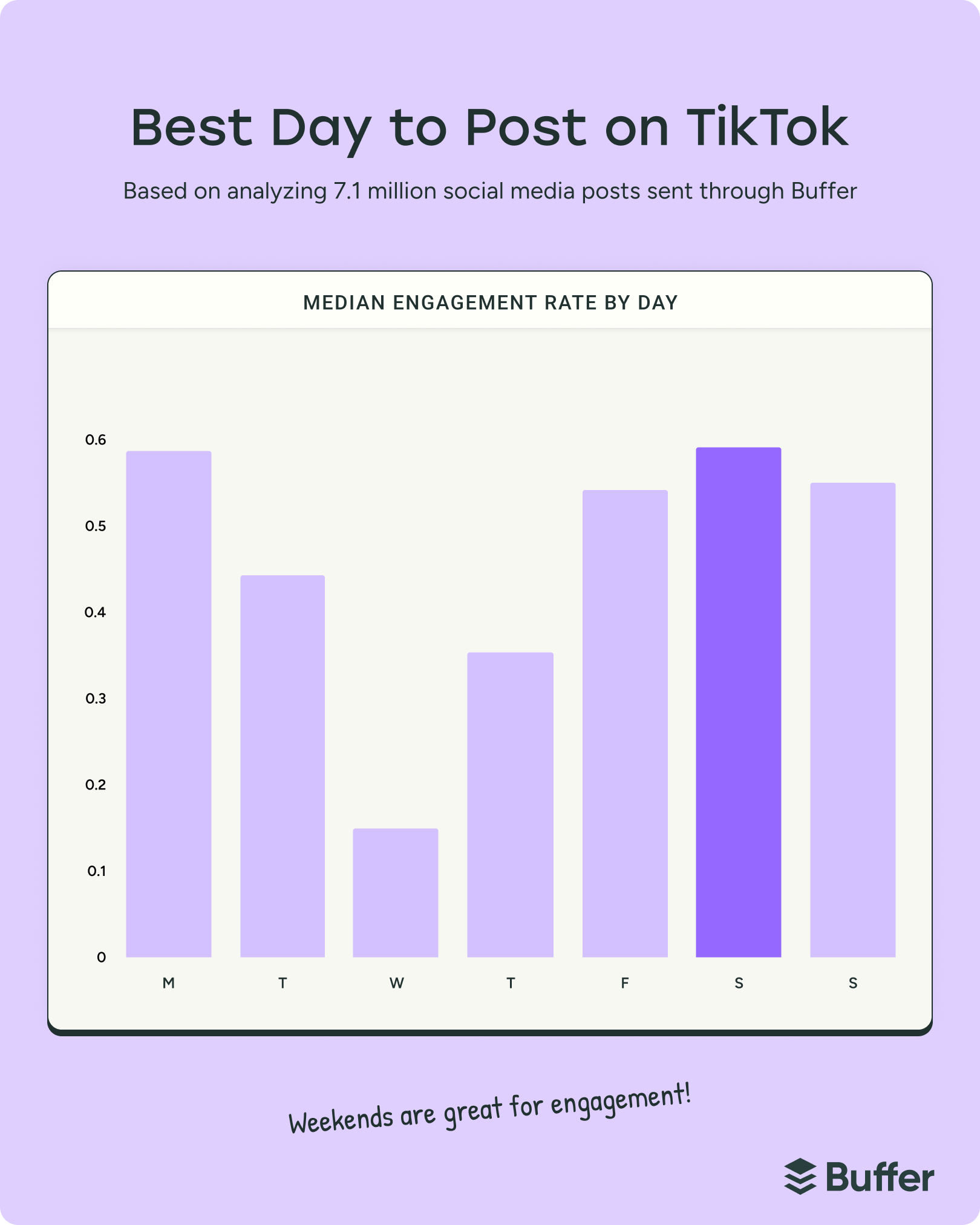
TikTok: As a dominant entertainment platform, TikTok’s engagement patterns differ significantly. The single best time to post is Sunday at 9 a.m., followed by Monday at 1 p.m. and Sunday at 1 p.m. Overall, evening hours, specifically between 6 p.m. and 11 p.m., demonstrate the strongest performance, aligning with users seeking entertainment during leisure time. TikTok also sees robust engagement across Saturdays and Sundays, distinguishing it from more professionally oriented platforms. Saturday is the best day for posting, closely followed by Monday, while Wednesday surprisingly emerges as the weakest day for TikTok engagement.
-
YouTube (Shorts and Long-Form): Recognizing the distinct consumption patterns, Buffer’s report segregates YouTube content into Shorts and long-form videos.
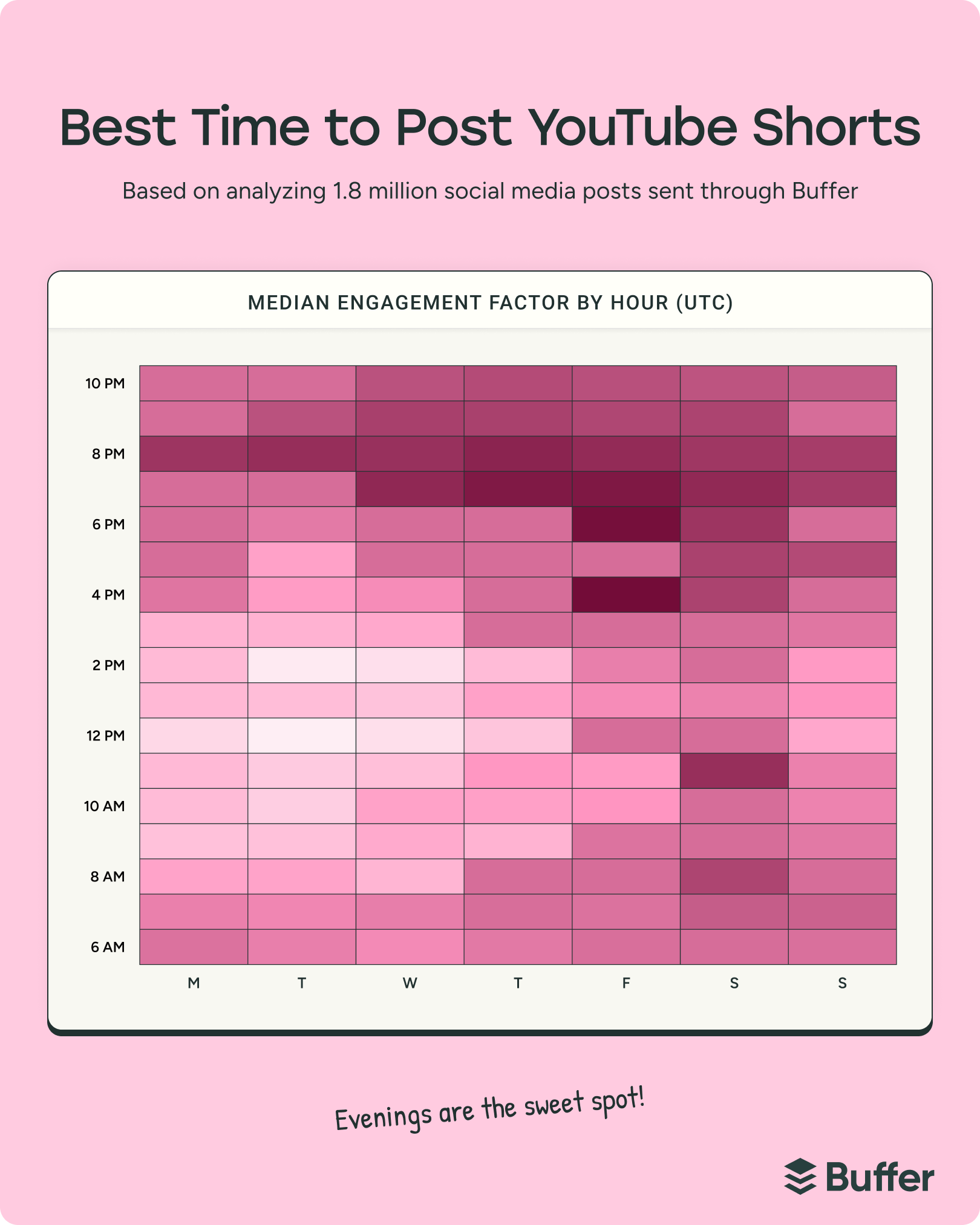
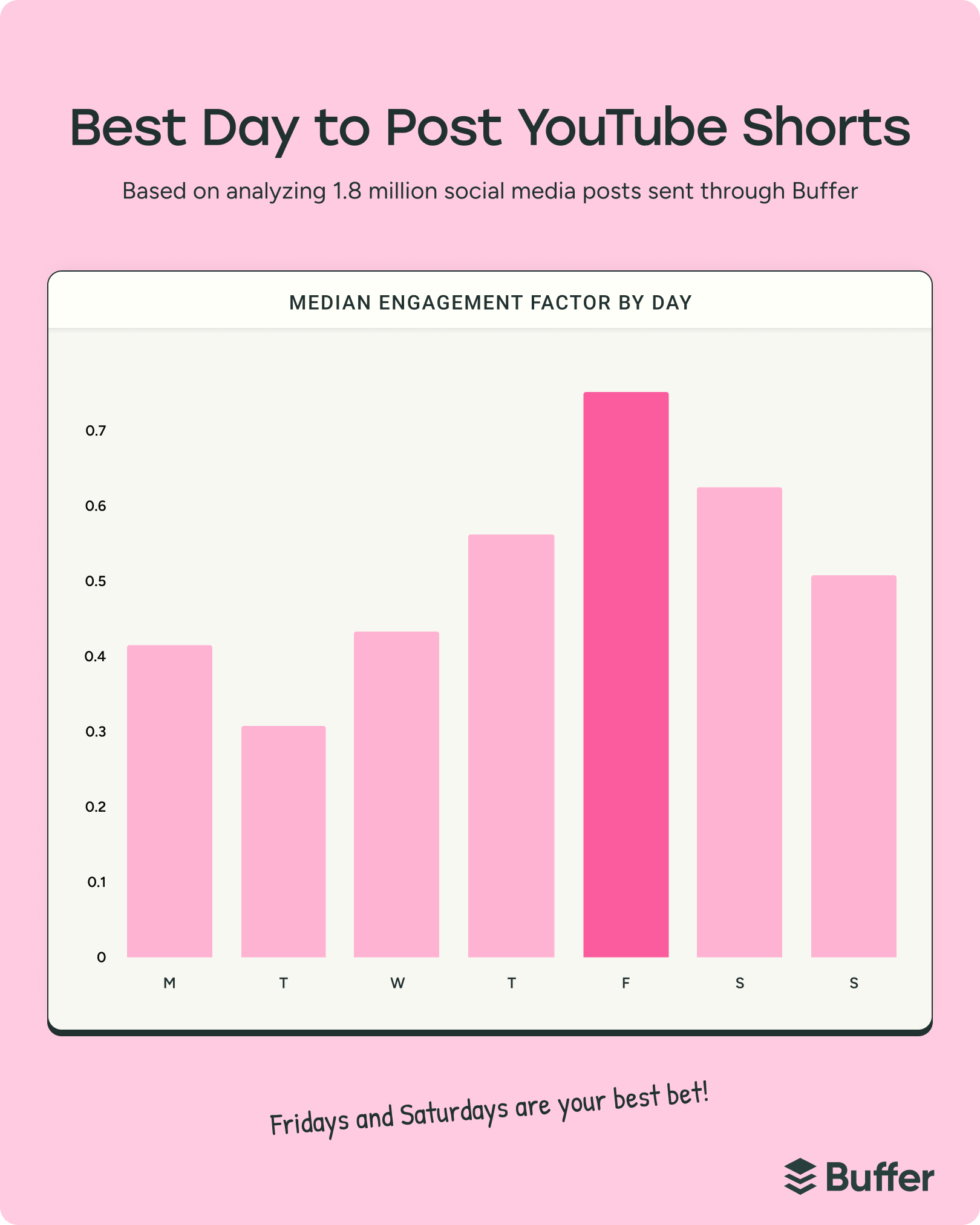
- YouTube Shorts: Friday at 4 p.m. is the top-performing time for Shorts, with 6 p.m. and 7 p.m. on Fridays also yielding high engagement. Evenings (6 p.m. to 11 p.m.) during the week are generally when Shorts gain the most traction, reflecting their role as quick, digestible content for unwinding. Friday, Saturday, and Thursday are the strongest days, with Friday leading. Early week, particularly Tuesday, shows the lowest engagement.
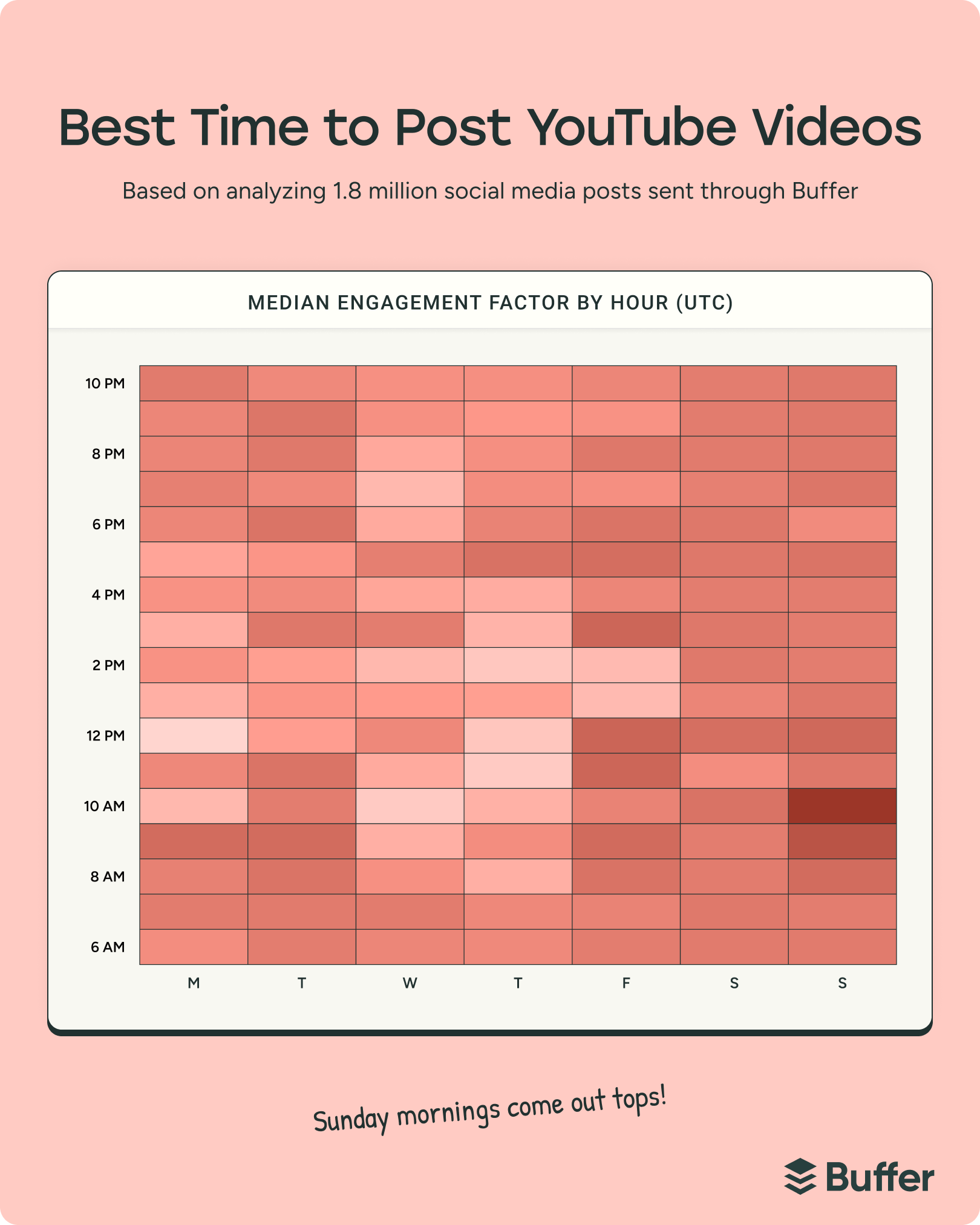
- YouTube Long-Form Videos: For more substantial content, Sunday at 10 a.m. is the clear winner, driving significantly higher engagement than any other slot. Other strong times include Sunday at 9 a.m. and Friday at 12 p.m. Generally, morning hours (8 a.m. to 11 a.m.) tend to be most effective. Sunday is the strongest day overall, with Monday and Tuesday also performing well. Midweek, especially Wednesday and Thursday, typically sees lower engagement. The emphasis on weekends and mornings for long-form content suggests viewers dedicate focused attention during these periods.
-
X (formerly Twitter): The best time to post on X is 9 a.m. on Tuesday, which recorded the highest engagement among over 8 million analyzed posts. Other strong times include Wednesday at 10 a.m. and 9 a.m. Weekday mornings, generally between 8 a.m. and 11 a.m., are consistently the most active. This indicates users engaging with news and updates during their early workday routines. Wednesday is the best day to post, with Tuesday and Thursday also performing well. Weekend engagement significantly drops, making Saturday the quietest day.
-
Threads: A newer player, Threads shares engagement patterns with its established counterparts. 9 a.m. on Thursday is the optimal time, showing the highest median engagement (likes, replies, reposts). The window between 7 a.m. and 12 p.m. on weekdays is generally strong. Wednesday is the best day for overall engagement, followed by Thursday and Tuesday. Conversely, Saturday, Sunday, and Monday exhibit the lowest engagement, suggesting Threads users are primarily active during the core workweek.
Beyond the Clock: Crafting an Effective Social Strategy
While these data-backed recommendations offer a valuable strategic advantage, they are not a guaranteed formula for viral success. Social media algorithms are dynamic and consider numerous factors beyond timing, including the inherent quality of the content, its relevance to the target audience, consistency of posting, and user preferences. The primary "secret sauce," if one exists, remains unwavering consistency in delivering high-value content that genuinely resonates with the intended audience.
For marketers seeking to implement these findings and further optimize their strategies, social media management tools like Buffer prove invaluable. Buffer’s platform allows users to automatically integrate these recommended posting times into their content calendars, simplifying scheduling and ensuring content is distributed during peak engagement windows. Furthermore, Buffer’s analytics features enable users to track post performance, identify their unique audience’s most active periods, and continuously refine their posting schedules based on personalized data. This blend of industry-wide insights and individual performance metrics empowers marketers to move beyond guesswork towards a truly data-driven approach.
Industry Insights and Future Outlook
The 2026 Buffer report serves as a critical barometer for the state of social media engagement. Industry experts consistently emphasize that successful digital strategies require agility and a commitment to ongoing learning. The nuanced shifts observed in platforms like LinkedIn underscore the necessity for marketers to continuously adapt to evolving user behaviors and algorithmic updates. As social media continues to integrate deeper into daily life, data-driven insights will remain at the forefront of effective content distribution and audience engagement. Leveraging tools that automate and personalize these insights will be crucial for maintaining a competitive edge in a perpetually crowded digital landscape.
Key Takeaways for Marketers
In summary, the 2026 State of Social Media Engagement report provides actionable intelligence for optimizing social media strategies:
- No Universal Time: Recognize that each social media platform operates on distinct user behaviors, necessitating a tailored posting schedule.
- Midweek Momentum: Across many platforms, midweek—particularly Wednesday and Thursday mornings—demonstrates heightened engagement.
- Evening and Weekend Opportunities: Platforms like TikTok and YouTube thrive on evening and weekend engagement, reflecting leisure consumption patterns.
- Timing as an Amplifier: While beneficial for initial reach, optimal timing is a booster, not a substitute for high-quality, relevant, and consistent content.
- Leverage Analytics: Utilize platform-native analytics and advanced social media management tools to identify your specific audience’s peak activity times and continuously refine your strategy.
- Experiment and Adapt: The provided recommendations are a starting point; continuous testing and adaptation based on your performance data are essential for long-term success.
By understanding these dynamics and integrating data-backed decisions into their digital marketing plans, businesses and content creators can significantly enhance their ability to connect with target audiences and achieve their social media objectives in 2026 and beyond.