Angie Faith
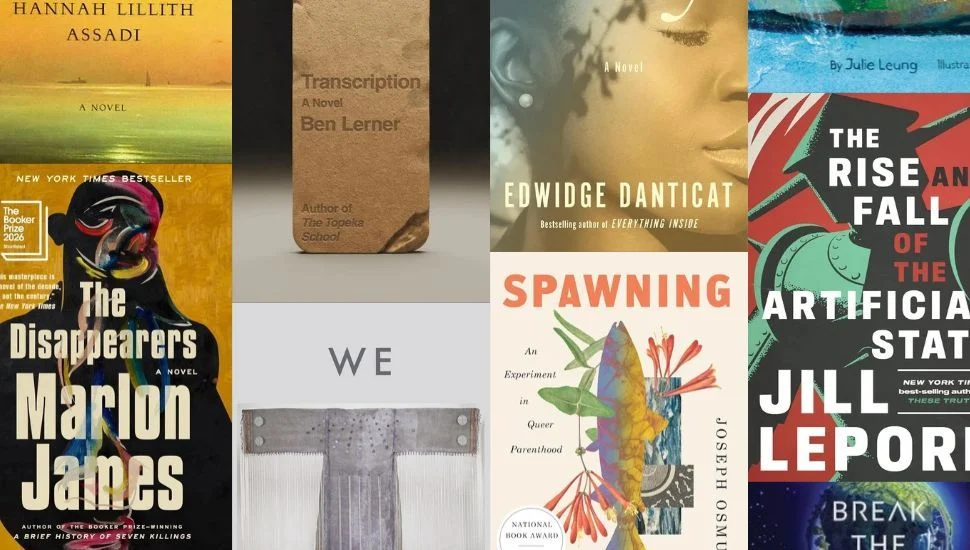
The literary world is abuzz with the announcement that Oprah Winfrey has selected Maria Semple’s latest novel, Go Gentle, as the newest addition to her prestigious Book Club. This endorsement, revealed earlier this week, marks a significant moment for Semple, whose previous works have garnered critical acclaim, and for the enduring influence of Winfrey’s curated reading list. The selection is particularly noteworthy as it arrives amidst ongoing discussions about the state of reading in America, the formats people prefer, and the evolving ways individuals engage with literature, from traditional book clubs to immersive digital experiences and even high-priced reading retreats.
Winfrey’s statement accompanying the announcement highlighted the novel’s compelling narrative and its ability to blend humor with profound insight. "For all those who crave a good page turner, this is one wild ride of a story that carries equal parts wit and wisdom," Winfrey stated. "I learned so much about Stoicism – I laughed out loud for real. And underneath the humor there was always something tender… a quiet truth about relationships, identity, and what it means to find peace with yourself." This endorsement is expected to drive significant sales for Go Gentle, a testament to Winfrey’s unparalleled ability to shape literary trends and introduce authors to a vast new audience. The book, Semple’s first in several years, is already experiencing a surge in interest, underscoring the potent impact of a Winfrey Book Club selection.
U.S. Adults Continue to Read, But Habits Are Evolving
The selection of Go Gentle comes at a time when data suggests that a substantial majority of American adults still engage with books, though the definition of "reading" and the preferred formats are diversifying. A recent survey from the Pew Research Center indicates that a significant 75% of U.S. adults reported reading at least part of a book in the past year. This figure, while robust, is often framed against a backdrop of concern about declining readership. However, the Pew data offers a more nuanced picture, revealing that print books remain the dominant format, a trend that has persisted despite the rise of digital alternatives.
Interestingly, while print holds its ground, the survey also noted a discernible increase in the popularity of audiobooks. This shift in consumption patterns has implications for how authors and publishers approach content creation and distribution. Furthermore, the data points to a relatively low participation rate in traditional book clubs, with only a small percentage of adults actively involved in such groups. This finding stands in contrast to the growing interest in alternative forms of literary community and engagement, such as the aforementioned reading retreats.
"The Hunger Games" Franchise Expands with "Sunrise on the Reaping" Trailer Release
Adding to the week’s literary news, the official trailer for Hunger Games: Sunrise on the Reaping has been unveiled, generating considerable excitement among fans of the dystopian saga. Scheduled for release on November 20, 2026, the film is an adaptation of Suzanne Collins’ forthcoming novel, which serves as a prequel to the original Hunger Games series. The narrative is set 24 years before the events of the first film, delving into the 50th Hunger Games, also known as the Second Quarter Quell. A pivotal figure in this era is Haymitch Abernathy, the eventual mentor to Katniss Everdeen, who is depicted here as a young tribute.
The Hunger Games franchise, which began with the 2008 novel, has consistently resonated with audiences for its exploration of themes such as oppression, survival, and the consequences of war. The successful film adaptations have further cemented its cultural footprint. The release of Sunrise on the Reaping is anticipated to reignite interest in the series and provide new context for the established characters and the brutal world of Panem. The trailer’s debut is a strategic move by Lionsgate, aiming to build anticipation and engage the fanbase well in advance of the film’s premiere.
Character.ai Introduces AI-Powered "Books" Feature, Sparking Debate on Digital Engagement with Classics
In a development that blurs the lines between literature and artificial intelligence, Character.ai has launched a new feature allowing users to interact with AI-powered versions of characters from classic literature. This innovative tool enables participants to engage in "participatory storytelling," effectively stepping into the narratives of iconic works such as Jane Austen’s Pride and Prejudice and F. Scott Fitzgerald’s The Great Gatsby. The platform aims to make classic literature more accessible and interactive for contemporary audiences, particularly younger generations accustomed to digital and immersive media.
The company’s rationale suggests that by lowering the barrier to entry, these AI interactions can serve as a gateway to traditional texts. However, this approach has also prompted critical discussion regarding its potential impact on genuine literary engagement and the preservation of authorial intent. Concerns have been raised about the intellectual property implications, though Character.ai asserts that it is primarily utilizing characters from works already in the public domain. Critics question whether this form of self-insert gaming truly fosters a deeper appreciation for literature or offers a superficial experience. Furthermore, the focus on established classics raises questions about diversity and representation, potentially overlooking contemporary works and authors who might benefit from similar innovative outreach. The role of educators and librarians in promoting literary engagement, both with classics and newer works, is often cited as a more traditional yet effective pathway.
The Rise of High-End Reading Retreats: A New Frontier in Social Literary Engagement
While statistics may indicate a decline in formal book club participation, the desire for communal literary experiences appears to be thriving in new and often luxurious forms. The emergence of expensive reading retreats, where individuals pay upwards of $1,000 to immerse themselves in reading alongside like-minded strangers, highlights a growing trend. These retreats offer a curated escape from daily responsibilities, providing dedicated time and a supportive environment for attendees to tackle their reading lists.
The appeal of these retreats lies in their ability to foster a sense of community and shared purpose around reading. For many, the act of reading can be solitary, and these events provide a structured opportunity for connection with other bibliophiles. While the $1,000 price tag may seem prohibitive, the underlying concept of dedicated reading time in a social setting is widely accessible. Many advocate for more informal and affordable versions, such as organizing a weekend retreat with friends, packing a picnic, and spending time reading together in a park, emphasizing that the core value lies in the shared experience rather than the cost. This trend underscores the enduring social dimension of reading, even as traditional formats evolve.
Broader Implications for the Literary Ecosystem
The confluence of these developments – a high-profile book club pick, evolving reading habits, franchise expansions, AI integration, and niche social reading experiences – paints a dynamic picture of the contemporary literary landscape. Oprah Winfrey’s endorsement of Go Gentle will undoubtedly provide a significant boost to the book and its author, reinforcing the power of curated recommendations. The Pew Research data offers crucial insights for publishers and marketers, underscoring the continued importance of print while acknowledging the growth of audiobooks and the need to cater to diverse consumption preferences.
The continued expansion of franchises like The Hunger Games demonstrates the enduring appeal of well-established narratives and their ability to capture new generations of readers and viewers. The introduction of AI-powered literary engagement by Character.ai, while promising accessibility, also necessitates a careful examination of its long-term effects on critical thinking and literary appreciation. Finally, the burgeoning trend of reading retreats suggests a sustained hunger for shared literary experiences, albeit in increasingly varied and sophisticated forms. These interconnected trends collectively indicate that while the methods of engaging with books may be changing, the fundamental human desire to connect through stories remains as strong as ever. The literary ecosystem, therefore, continues to adapt, offering a spectrum of entry points and experiences for readers of all kinds.