rifanmuazin
In an increasingly crowded digital landscape, the mantra "social media without engagement is just media" resonates as a stark truth for brands, creators, and marketers alike. The era of passive broadcasting is waning, replaced by a critical demand for genuine interaction and active participation. This shift underscores a fundamental re-evaluation of success metrics, moving beyond vanity figures like follower counts and impressions towards the tangible value of authentic connection. For many, the experience of crafting compelling content only to be met with silence, or a solitary "like" from a close acquaintance, highlights the profound challenge of cutting through the algorithmic noise. It’s a demoralizing experience that prompts introspection on content quality, timing, and the very purpose of a digital presence. However, industry analysis and recent data suggest that improving engagement is not an insurmountable task, but rather a deliberate practice rooted in understanding platform mechanics, audience behavior, and the nuanced art of digital conversation.
This comprehensive analysis delves into the critical role of social media engagement, exploring its multifaceted definition, measurement methodologies, and the strategic imperatives that consistently drive meaningful interaction. Drawing insights from Buffer’s recent "State of Social Media Engagement report," this article unpacks the evolving landscape, offering a journalistic perspective on how digital entities can transcend the "void" and cultivate thriving online communities.
Defining the Core: What Constitutes Social Media Engagement?
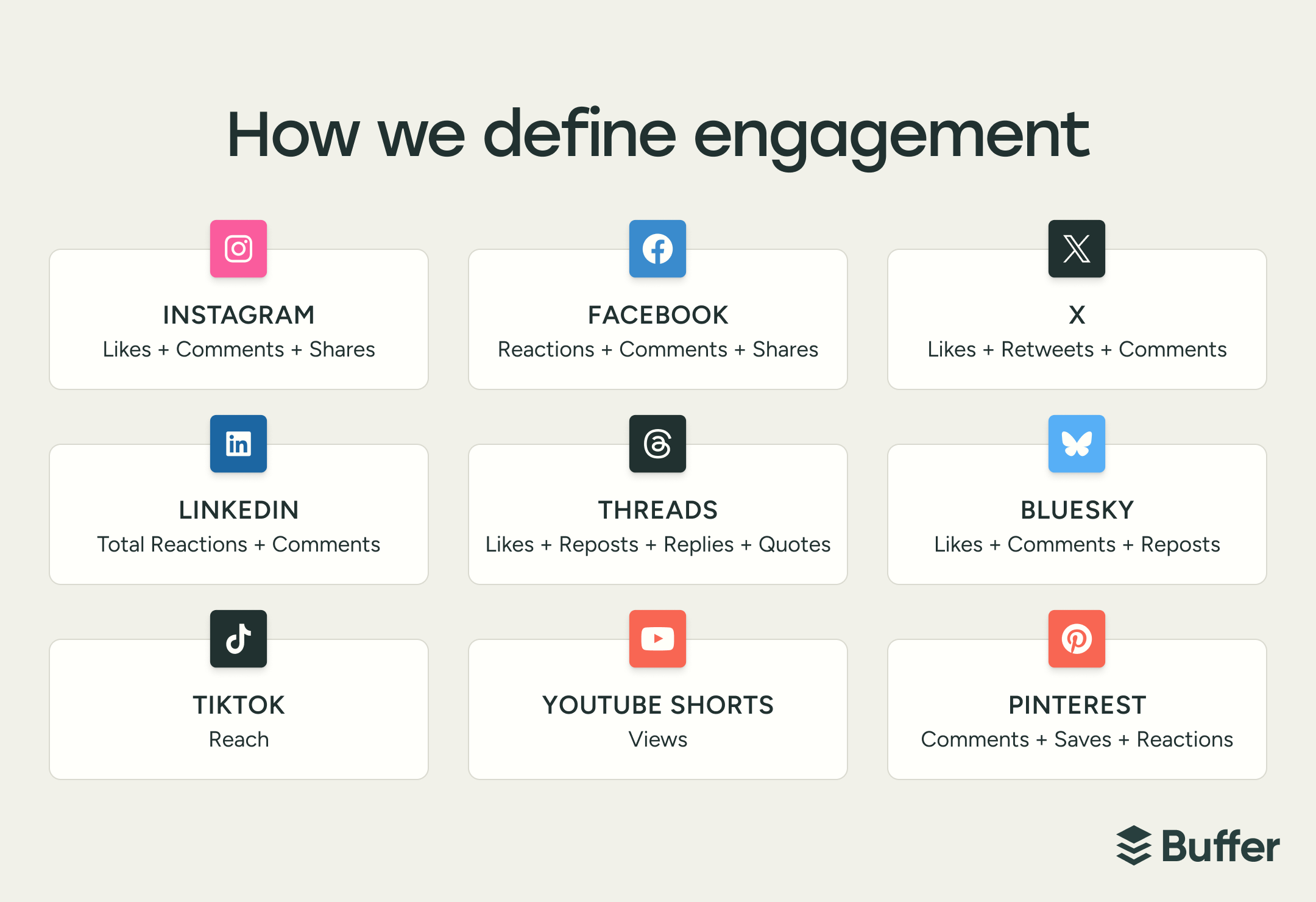
At its heart, social media engagement quantifies how users actively interact with content and brands across various digital platforms. This encompasses a spectrum of actions, from simple "likes" and "reactions" to more significant gestures such as comments, shares, saves, reposts, and direct replies. Crucially, engagement fundamentally differs from metrics like reach or impressions, which merely indicate passive exposure. While reach measures the number of unique users who saw content and impressions track the total number of times content was displayed, engagement signifies active participation—a conscious decision by a user to pause, consider, and respond to a piece of content.
Buffer’s report succinctly defines it as "any interaction someone has with your content. It’s the signal that your post got someone to stop, even for 0.1 seconds, and take an action." This distinction is paramount because it reflects the audience’s willingness to invest time and effort, signaling not just visibility, but resonance.

However, the concept of engagement operates as a two-way street. While content creators strive to elicit responses, the true potential for relationship building is unlocked when creators reciprocate that interaction. This reciprocal loop, often overlooked, represents a significant untapped opportunity for fostering deeper connections and algorithmic favor.
The Nuance of Metrics: Why Engagement Varies Across Platforms
One of the most critical insights from recent analyses is that "engagement" is not a monolithic concept. Its definition and algorithmic weighting vary significantly across platforms, leading to potential misinterpretations if benchmarks are applied uniformly. For instance:
- LinkedIn incorporates clicks into its engagement rate, reflecting its professional networking ethos where users often click through to articles or profiles.
- Instagram, in its ongoing evolution, increasingly prioritizes views as a primary success metric, particularly for video content like Reels, moving beyond traditional interaction counts.
- TikTok measures engagement as a percentage of reach, emphasizing virality and broad content consumption.
- Bluesky and Mastodon, newer decentralized platforms, often rely on raw interaction counts, reflecting a focus on direct user activity.
- X (formerly Twitter) presents a unique challenge, with a "3% engagement rate" here measuring fundamentally different interactions than on LinkedIn.
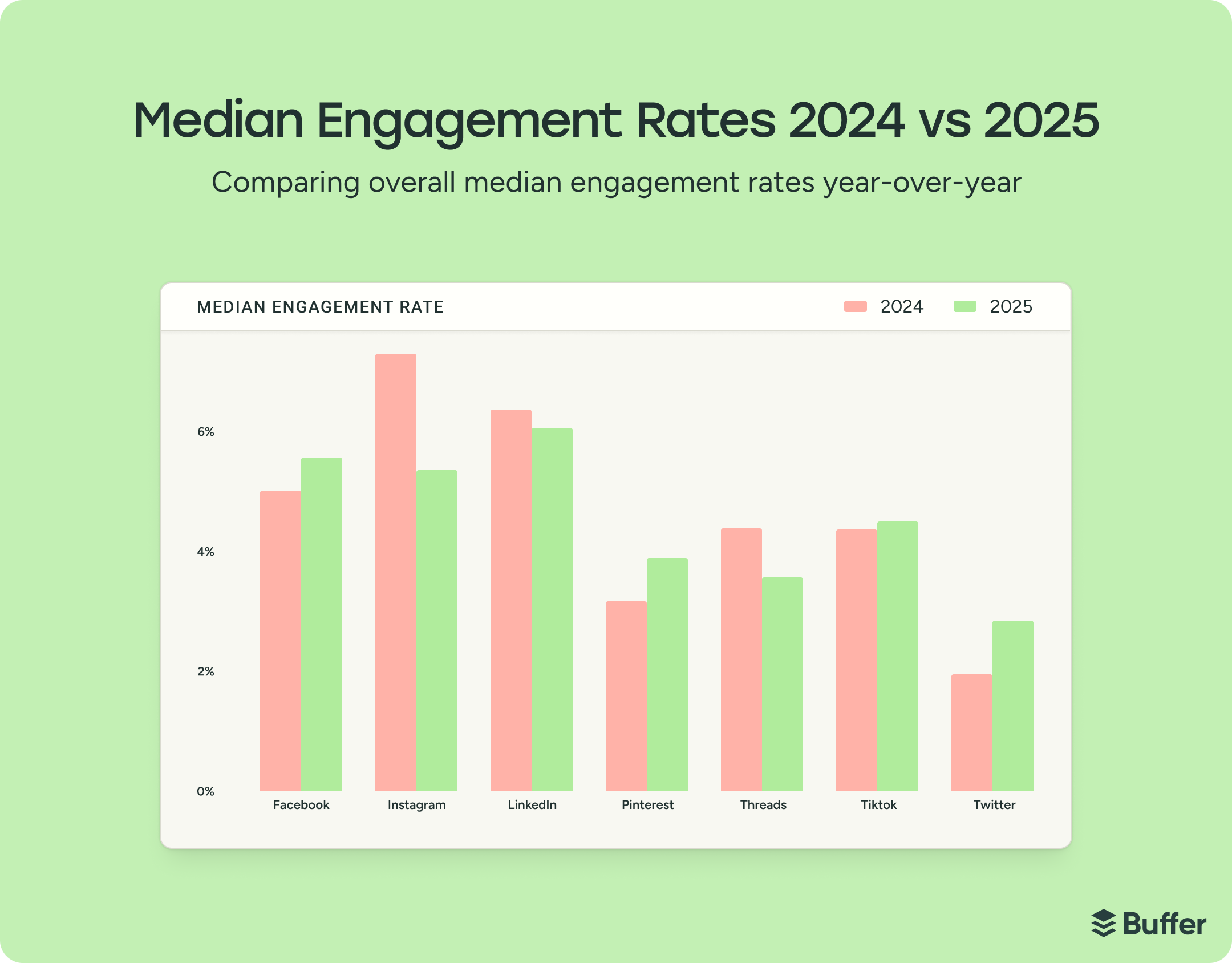
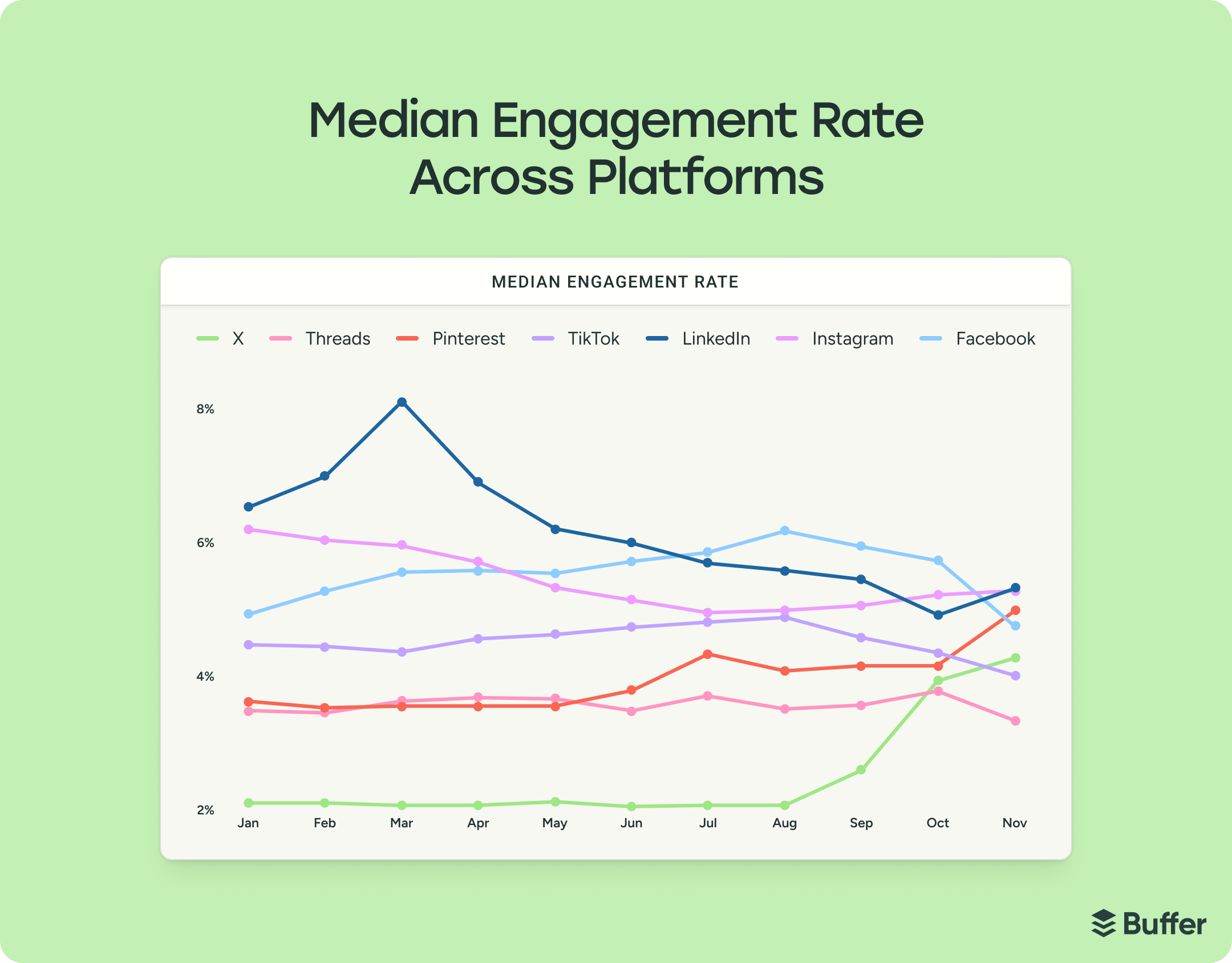
Buffer’s "State of Social Media Engagement report" highlights this uneven landscape, revealing typical engagement rates that span a wide range: from approximately 6.2% on LinkedIn to around 2.5% on X. Comparing these figures without contextual understanding can lead to flawed strategic conclusions. For example, a post achieving a 4% engagement rate would be considered underperforming on LinkedIn but an exceptional success on X.
Furthermore, these baselines are not static. The report indicates dynamic shifts year-over-year, with X seeing a remarkable 44% jump, Pinterest rising 23%, and Facebook climbing 11%. Conversely, Instagram experienced a 26% decline, Threads fell 18%, and LinkedIn dipped 5%. Julian Winternheimer, Buffer’s data lead, cautions against misinterpreting these "dramatic swings," noting they "often reflect changes in who’s posting or how metrics are defined, not necessarily genuine performance shifts." This underscores the need for creators and brands to adopt realistic expectations tailored to each platform’s unique dynamics and to regularly consult updated benchmarks.
Beyond raw numbers, the quality of engagement is paramount. A post that goes viral for negative reasons, such as a misread joke or an out-of-context screenshot, may register a high engagement rate but signals a failing content strategy. Similarly, a strong like-to-comment ratio is less impactful if genuine conversation is absent, or if a creator consistently fails to respond to audience interactions. True engagement, therefore, is not merely data; it is active participation that builds meaningful connections and fosters a sense of community.
The Algorithmic Imperative: Tailoring Content to Platform Logic
Understanding the underlying algorithms of each social media platform is indispensable for optimizing engagement. Every algorithm has its own definition of "good engagement," inherently shaping which content is amplified and which fades into obscurity. Creating content that aligns with these algorithmic incentives is far more effective than attempting to fight against them.
Consider the distinct operational logics:
- Threads Algorithm: Built around fostering conversation, the Threads algorithm actively promotes value-driven content that sparks replies and leverages tags to connect users with shared interests. Content designed to invite discussion is inherently favored.
- YouTube Algorithm: In stark contrast, YouTube’s algorithm prioritizes user retention and watch time, recommending content based on past viewing habits and expressed interests. While comments exist, they play a far lesser role in content amplification compared to video completion rates and viewer satisfaction.
- Instagram’s Evolving Algorithm: Instagram is in a state of flux, increasingly pushing creators towards views, particularly for short-form video. This shift suggests that traditional engagement rate calculations may not fully capture what the platform now optimizes for, explaining the reported decline in Instagram’s overall engagement rate despite potentially high view counts.
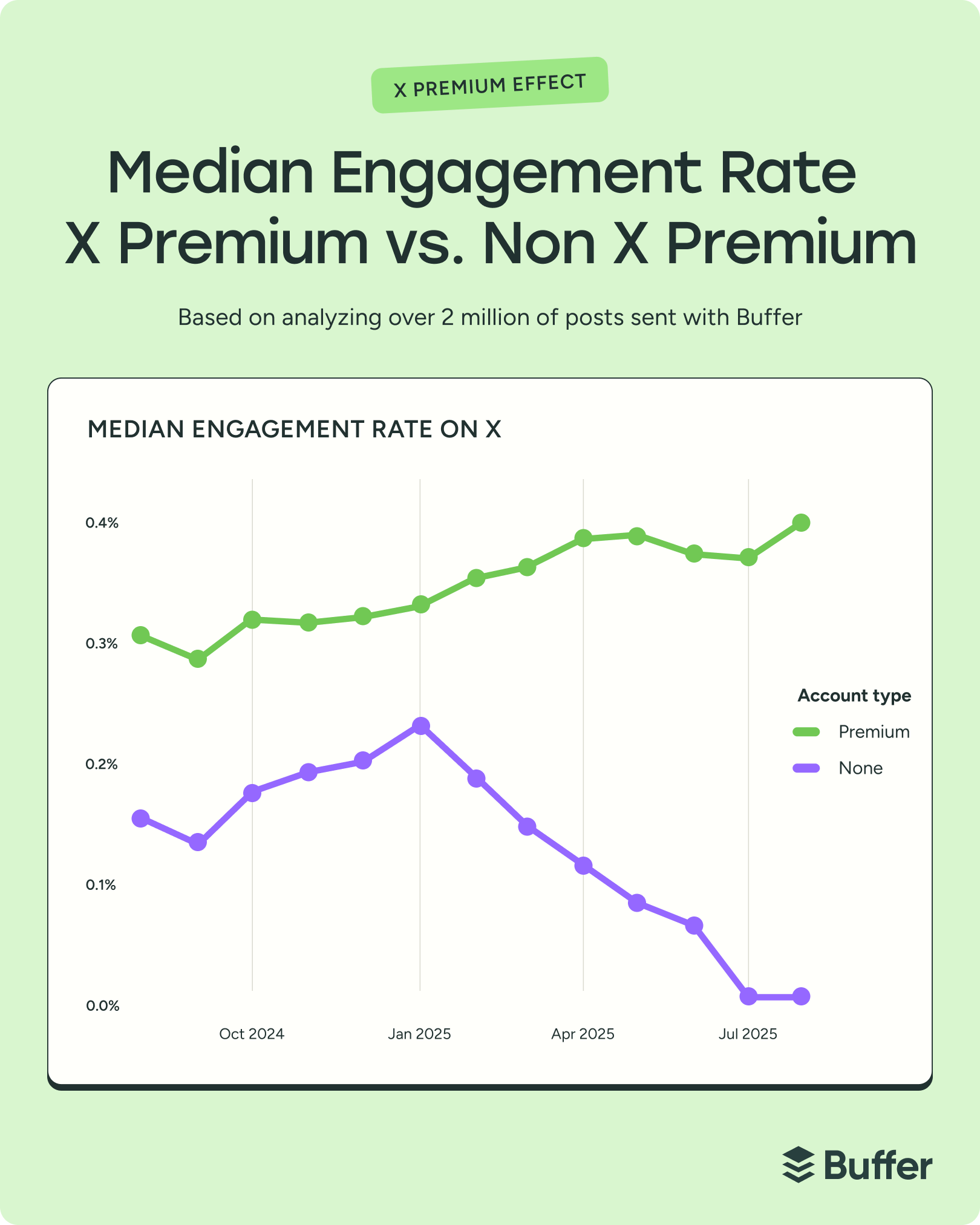
- X (formerly Twitter) and the Premium Divide: X has introduced a structural divide through its Premium tier. Data from Buffer’s report reveals a sharp divergence post-January 2025, with Premium accounts experiencing rising engagement rates while non-Premium accounts saw theirs fall, with the median for the latter even hitting 0% in recent months. This highlights how platform monetization strategies can directly impact algorithmic reach and engagement for different user segments.
The overarching takeaway is that a successful social media strategy necessitates a deep understanding of each platform’s culture, mechanics, and algorithmic priorities. Rather than attempting to master every platform simultaneously, focusing on one or two where the target audience is most active and aligning content strategy with their specific incentives yields superior results.
Strategic Pillars for Earning Engagement
Once the landscape is understood, the focus shifts to content creation. The "right" content is highly context-dependent, varying significantly between platforms and objectives. The following strategies, supported by data, provide a roadmap for consistently earning engagement.
1. Leveraging Analytics for Informed Content Strategy
Before implementing any changes, a thorough understanding of current performance is essential. Social media analytics dashboards are the primary tools for this diagnostic phase. Regular, dedicated time for data analysis can transform metrics from vanity figures into strategic insights. Key questions to explore include:
- Which posts generated the most comments or shares?
- Did specific topics lead to an increase in saves?
- Are users sharing content, or primarily engaging with passive actions like likes?
These distinct signals point to different strengths. High shares suggest broad reach and content utility, while numerous saves indicate deep resonance with an existing audience. Buffer’s Insights dashboard, for example, streamlines this process by identifying optimal posting times, top-performing content formats, and ideal frequencies, allowing creators to discern patterns without manual data aggregation. Beyond quantitative data, qualitative signals—such as recurring questions in comments or direct messages—offer invaluable insights into audience interests and pain points.
2. Adhering to Platform-Specific Engagement Benchmarks
Misinterpreting social media performance often stems from comparing engagement rates across platforms as if they were equivalent. Buffer’s research unequivocally demonstrates that they are not. The report identified distinct tiers for typical engagement rates:
- LinkedIn: ~6.2%
- Facebook: ~5.6%
- Instagram: ~5.5%
- TikTok: ~4.6%
- Pinterest: ~4.0%
- Threads: ~3.6%
- X: ~2.5%
These baselines provide crucial context, preventing creators from mistakenly abandoning a platform that is performing well relative to its peers, or from over-investing in one that appears to be thriving based on skewed comparisons. The fluidity of these benchmarks further emphasizes the need for regular re-evaluation and adjustment of expectations.
3. Optimizing Content Formats for Each Platform
A common pitfall for creators is assuming a successful content format on one platform will automatically translate to another. Buffer’s data refutes this, revealing significant format-specific performance differences.
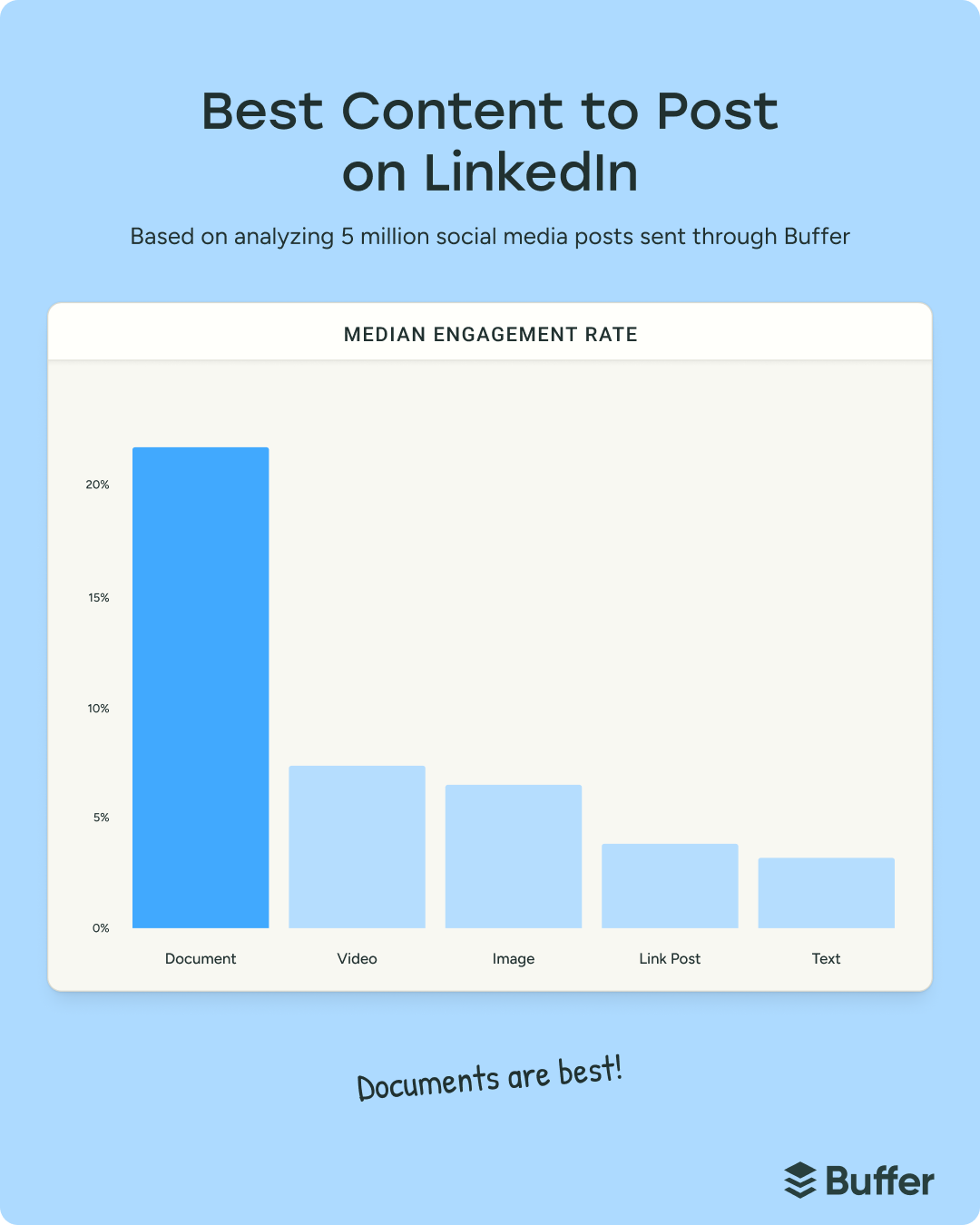
- LinkedIn: Images (photos, graphics, infographics) consistently outperform other formats, with a 7.5% engagement rate compared to 5.7% for links, 5.2% for text-only, and 4.2% for videos. This suggests a preference for visually digestible, information-rich content in a professional context.
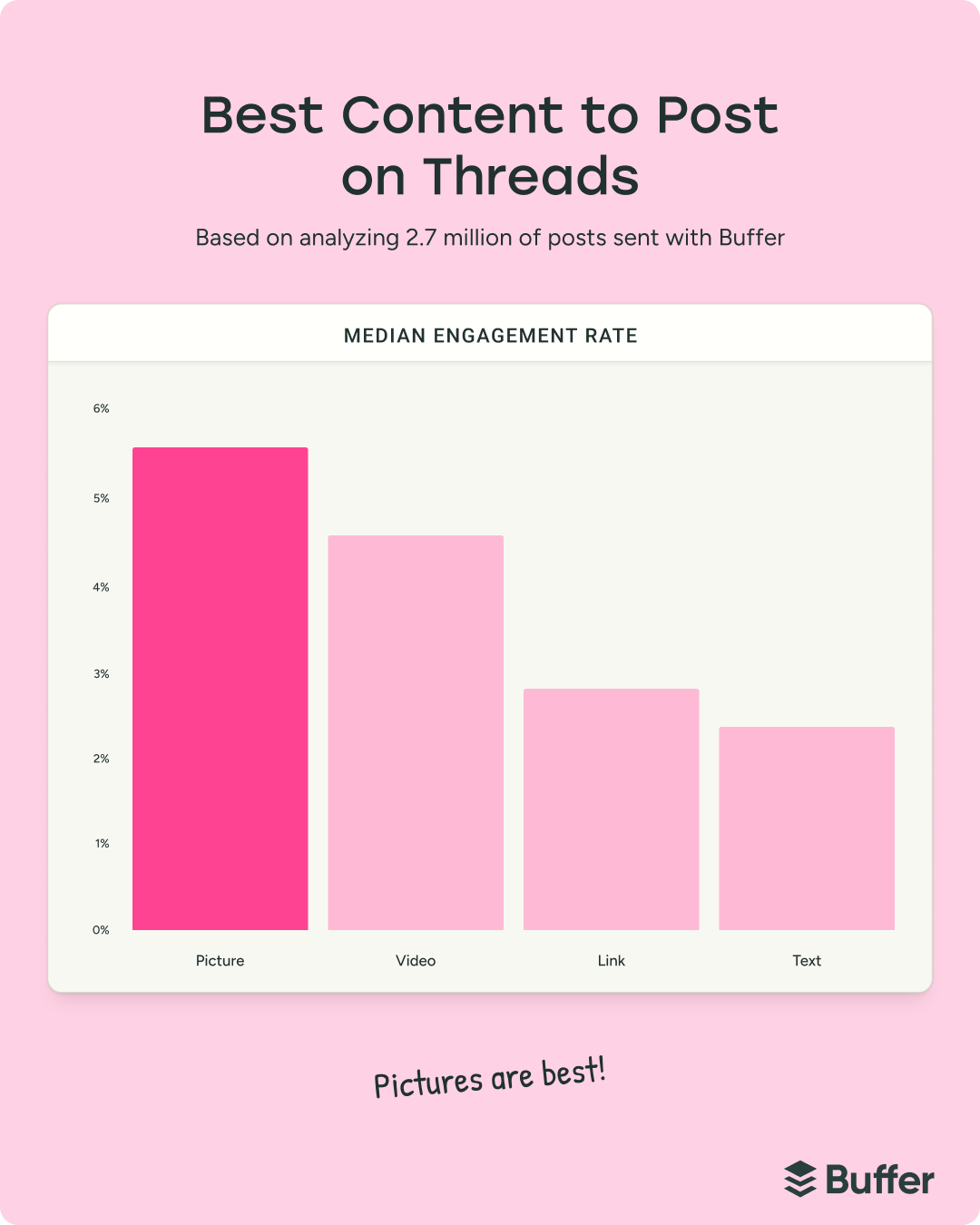
- Threads: Text-only posts surprisingly lead with a 4.1% engagement rate, followed closely by images at 3.9%. Video lags significantly at 1.8%. This reinforces Threads’ emphasis on conversation and succinct written communication.
- X (formerly Twitter): Video content performs best, with an engagement rate of 3.4%, followed by images at 3.0%, and text-only at 2.4%. This highlights X’s evolving multimedia focus.
These findings underscore that there is no universal "best format," but rather an optimal format for specific objectives on particular platforms. Strategic experimentation, treating format as a variable to be tested rather than a fixed decision, is key to uncovering platform-specific success.
4. Strategic Integration of Trends
Tapping into trending content allows creators to join existing conversations, leveraging an audience’s pre-existing interest. Algorithms often favor trending content, boosting its discoverability. Two primary categories of trends offer distinct advantages:
- Industry Trends: These are enduring themes and discussions within a specific niche (e.g., AI ethics in technology, sustainable practices in retail). They attract a genuinely interested audience and build credibility.
- Platform Trends: These are ephemeral memes, trending audios, challenges, and specific content formats unique to each app. While short-lived, they offer significant short-term reach boosts as platforms actively push them into discovery feeds.
The most effective strategy often involves combining the two: applying a niche-relevant take to a trending format. This hybrid approach maximizes both reach and relevance, making content more memorable and shareable.
5. Cultivating Engagement Through Content Series
Shifting from a standalone post mentality to a "series" approach can significantly enhance engagement and consistency. A content series is a recurring format built around a singular theme, published on a consistent schedule with clear branding. Examples include Tiffany Yu’s "Anti-Ableism Series" on TikTok, which garnered millions of views and led to a book deal, or Darcy Peters’ "10-year Buffer anniversary" series, distilling a decade of remote work lessons.
Series work because they:
- Build Anticipation: Audiences learn to expect the next installment, fostering loyalty.
- Simplify Content Creation: The established structure reduces the burden of generating new ideas for every post.
- Enhance Discoverability: Consistent themes allow algorithms to better categorize and recommend content to interested users.
- Encourage Deeper Engagement: Extended narratives invite more thoughtful comments and questions.
Identifying top-performing standalone posts that sparked deep engagement (high saves, numerous comments, DMs requesting more information) can serve as pilot episodes for new series, turning audience feedback directly into future content.
6. The Indispensable Role of Consistency
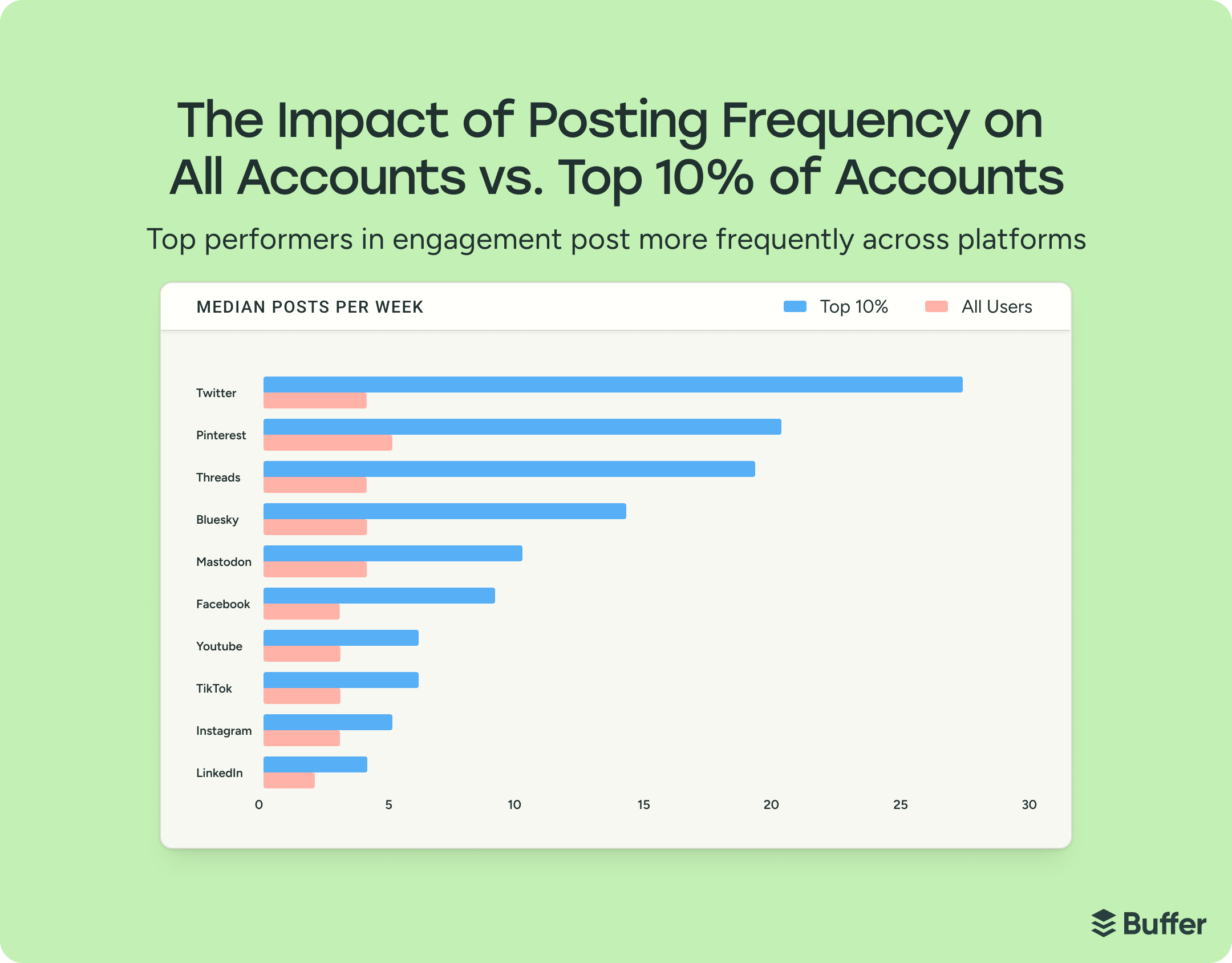
The adage "consistency matters" is powerfully validated by data. Buffer’s analysis of 4.8 million channel-week observations across Facebook, Instagram, and X revealed a "no-post penalty": accounts that failed to post in a given week consistently underperformed their own baseline growth rates. Any posting frequency, no matter how modest, was demonstrably better than silence. Accounts posting 10+ times per week saw the largest gains in followers, though the most significant threshold was simply avoiding zero posts.
While higher frequency generally correlates with aggregate growth, there’s a nuanced balance. Excessive posting can dilute per-post performance. The goal is a sustainable cadence that prioritizes quality over sheer volume. Content series, coupled with scheduling tools like Buffer, offer a framework for achieving this consistency without succumbing to burnout, allowing creators to batch content and maintain a steady presence.
Building Relationships Through Active Participation
The most profound insight from Buffer’s "State of Engagement dataset" was remarkably simple: "people talking to people." The data unequivocally shows that creators who consistently reply to comments significantly outperform those who do not. This section focuses on making active participation a core operational tenet.
7. The Power of Direct Replies
Analysis of nearly 2 million posts from over 220,000 accounts across six platforms revealed a consistent engagement lift when creators actively replied to comments:
- Threads: 42% estimated engagement lift
- LinkedIn: 29% estimated engagement lift
- TikTok: 27% estimated engagement lift
- Facebook: 25% estimated engagement lift
- Instagram: 18% estimated engagement lift
- X (formerly Twitter): 11% estimated engagement lift
While it’s challenging to establish absolute causality (high-performing posts naturally attract more comments), the consistent pattern across all platforms, even when comparing accounts against their own baselines over time, strongly suggests a direct correlation. The effect is particularly pronounced on conversation-centric platforms like Threads and LinkedIn.
This data refutes the common "post and ghost" practice. Allocating 15-20 minutes post-publication to respond to initial comments not only signals activity to algorithms, potentially extending reach, but more importantly, it builds community. When users receive a response, they are more likely to engage again, fostering a loyal audience. Tools like Buffer’s Community feature consolidate comments from multiple platforms into a single inbox, simplifying this crucial interaction.
8. Designing Content for Participation
The most engaging content often isn’t the most polished, but rather the most inviting. Content that genuinely solicits participation—through questions, polls, or open-ended prompts—can generate a rich stream of audience feedback that can then be repurposed into new content. This creates a valuable flywheel: audience responses fuel new content, which in turn generates more responses.
Strategies include:
- Direct Questions and Polls: Simple, open-ended questions related to industry trends or personal experiences can spark extensive dialogue.
- Interactive Formats: Utilizing platform-specific features like Instagram/TikTok’s "reply-to-comment-with-video" allows creators to directly address audience queries and insights, turning individual interactions into new content for broader consumption.
This approach transforms content creation into a collaborative process, making the audience an active participant in the content pipeline.
9. Harnessing User-Generated Content (UGC)
User-generated content (UGC) is a potent form of social proof and engagement driver. Research consistently shows that consumers trust UGC significantly more than brand-created content, directly influencing purchasing decisions. This credibility stems from the authenticity of peer recommendations.
UGC boosts engagement not only because it validates the brand but also because featured users actively engage with and share the content, introducing the brand to their networks through a trusted source.
UGC can be cultivated in two ways:
- Organic UGC: Monitoring brand mentions, tagged posts, and relevant hashtags to identify and (with permission) reshare authentic customer content.
- Intentional Systems: Implementing branded hashtags, post-purchase prompts, "tag us for a feature" calls-to-action, or community challenges to actively encourage content creation by the audience.
For service providers and solo creators, UGC extends to resharing testimonials, positive DMs (with consent), or posts where audiences credit the creator’s content for their insights or results. This builds trust, rewards the community, and generates authentic engagement.
10. Proactive Engagement Through Social Listening
While engaging with existing comments is vital, social listening extends the scope of interaction beyond one’s immediate orbit. It involves actively monitoring conversations surrounding a brand, competitors, niche topics, and audience pain points—even when these discussions do not directly involve the creator.
This proactive approach means:
- Active Lurking: Participating in niche communities (e.g., Reddit subreddits, LinkedIn groups) to understand prevailing sentiments and emerging needs.
- Advanced Search: Utilizing platform-specific search filters to track keywords and broader topics of interest to the target audience.
Social listening shifts content strategy from reactive to proactive, enabling creators to address audience needs and interests before they are explicitly voiced on their own channels. It informs content creation that resonates deeply because it meets people where they already are, transforming content from being about the creator to being about the audience. Tools like Buffer’s Community feature can offer AI-powered insights into comment themes, providing a lightweight social listening capability within existing workflows.
Conclusion: The Future is Conversational
The journey to effective social media engagement, as revealed by Buffer’s extensive analysis, culminates in a remarkably simple truth: the most powerful signal in the digital realm is genuine human interaction. The consistent finding that replying to comments correlates with significantly higher engagement across all platforms studied underscores this fundamental principle.
This insight shapes a new paradigm for social media strategy. While understanding platform mechanics, analyzing data, and crafting platform-specific content formats remain crucial, the ultimate differentiator lies in active participation. The eleven strategies outlined here are not a checklist to be blindly followed, but rather a framework for adopting a conversational mindset. Whether beginning with a deep dive into analytics, committing to a consistent content series, or simply dedicating a few minutes post-publication to respond to comments, the entry point is less important than the overarching shift: moving from broadcasting to listening, from monologue to dialogue.
In an increasingly automated and algorithm-driven world, the human element—the act of talking to people—remains the most potent force for building community, fostering loyalty, and ultimately, ensuring that social media is not just media, but a vibrant ecosystem of connection. Tools like Buffer, with integrated scheduling, analytics, and community management features, are designed to facilitate this shift, empowering creators to spend less time managing and more time being genuinely social.