 Angie Faith
In a significant move to democratize access to educational resources and combat declining library usage, Chicago has implemented a district-wide initiative that transforms every public school student’s identification card into a functional library card for the Chicago Public Library (CPL). This innovative program, which began as a pilot in 2022, now grants all students within the Chicago Public Schools (CPS) system immediate access to the vast resources offered by one of the nation’s largest public library systems. This development arrives at a critical juncture, as many communities across the United States are grappling with challenges to library access, making Chicago’s proactive approach a model for educational and civic engagement.
The integration of school IDs with library privileges is designed to remove traditional barriers to library membership, such as age restrictions or the need for parental consent for younger students. By leveraging existing student identification infrastructure, the program streamlines the process, ensuring that all students, regardless of their socioeconomic background or parental availability, can easily engage with the CPL’s extensive collection of books, digital resources, and educational programs. This initiative directly addresses concerns about the "digital divide" and unequal access to information, aiming to provide every student with the tools necessary for academic success and lifelong learning.
Background and Genesis of the Initiative
The concept of merging school and public library access has been explored in various forms across the country. The Chicago initiative builds upon earlier, smaller-scale partnerships and represents a bold, system-wide commitment. The pilot program, launched in 2022, likely involved a phased rollout to test the technological integration, assess student and staff reception, and refine operational procedures. The success and positive feedback from this initial phase paved the way for the current district-wide implementation.
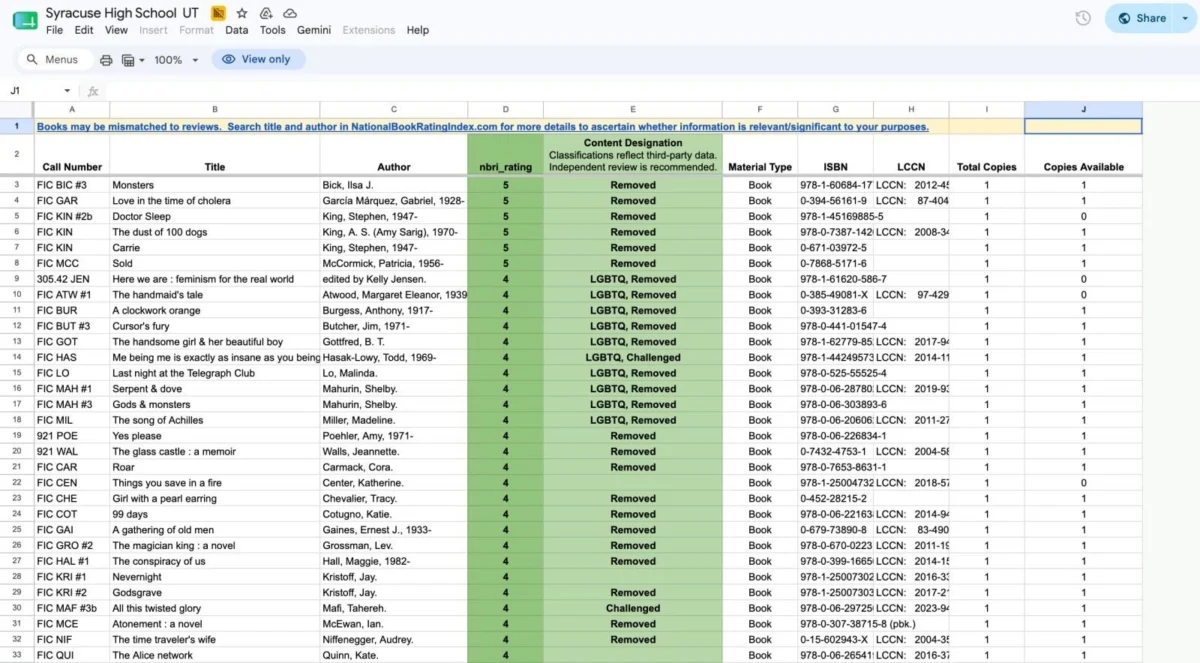
This strategy is particularly noteworthy in the context of national trends. Recent reports have indicated a concerning rise in book bans and challenges to library materials in school and public libraries across the United States. Simultaneously, some municipalities have faced legislative hurdles or budget cuts impacting library services. Chicago’s decision to proactively expand library access through its school system can be interpreted as a direct response to these broader challenges, reinforcing the vital role libraries play in a democratic society and in fostering informed citizenry. The legislative backlash experienced in Des Moines, Iowa, following a similar initiative last year, where proposed legislation sought to restrict library access for minors, underscores the contentious nature of such efforts and highlights Chicago’s commitment to an inclusive approach.
Operationalizing the Program: A Seamless Integration
The technical implementation of this program likely involves a sophisticated data-sharing agreement between CPS and the Chicago Public Library. Student identification numbers or unique identifiers are presumably linked to the CPL’s patron database. This allows for the creation of virtual library accounts, granting access to online catalogs, e-books, audiobooks, research databases, and even the ability to borrow physical materials. The process is designed to be nearly invisible to the student, with their existing school ID serving as their sole credential for library services.
This approach offers several tangible benefits:
- Increased Literacy Rates: By making books and learning resources more accessible, the program is expected to encourage greater reading engagement among students, potentially leading to improved literacy skills and academic performance.
- Enhanced Educational Support: Students can utilize library resources for homework, research projects, and independent learning, supplementing classroom instruction and providing access to materials that may not be available within school libraries alone.
- Bridging the Digital Divide: For students who may not have reliable internet access or personal devices at home, the public library offers a vital hub for digital learning and access to technology.
- Fostering a Love of Reading: Early and consistent exposure to libraries and diverse reading materials can cultivate a lifelong appreciation for literature and learning.
- Economic Efficiency: Leveraging existing school IDs is a cost-effective method for expanding library access compared to developing entirely new identification systems or managing separate library card registration for every student.
Wider Recognition of Literary Influence
Beyond the local impact of Chicago’s library initiative, the literary world continues to celebrate its prominent figures on a global stage. The annual "TIME 100 Most Influential People" list for 2026 features several individuals deeply connected to the literary landscape, underscoring the enduring impact of authors and storytellers. Among those recognized were authors Tayari Jones and Yiyun Li, whose works have resonated with a broad audience and contributed significantly to contemporary literature. The inclusion of Freida McFadden, a prolific author known for her thrillers, further highlights the diverse genres and voices that shape the literary conversation. The unique practice of having fellow esteemed writers contribute essays on the chosen individuals—such as E.L. James’s piece on Freida McFadden—adds a layer of insider perspective and mutual respect within the literary community, showcasing the interconnectedness of authors and their influence on each other and their readers.
Prestigious Awards and Emerging Talent
In the realm of children’s literature, the announcement of the Astrid Lindgren Memorial Award winner brings significant attention and acclaim. This year, the prestigious award, which includes a substantial monetary prize of approximately $750,000, was presented to illustrator Jon Klassen. The Astrid Lindgren Memorial Award is one of the most significant international honors dedicated to promoting children’s and young adult literature, recognizing individuals or organizations for their outstanding contributions. Klassen’s win is a testament to his influential work in visual storytelling for young readers. Coinciding with this major award, Candlewick Press announced a new series of board books from Klassen, signaling continued output from this celebrated artist and further solidifying his impact on the genre.
Deep Dives into Literary Masterpieces
The enduring power of literature is also explored through dedicated platforms that dissect and celebrate seminal works. On the podcast "Zero to Well-Read," hosts Jeff and Rebecca recently delved into Marilynne Robinson’s acclaimed novel, "Gilead." This discussion focused on the novel’s profound exploration of life, death, family, and faith, highlighting how a narrative with a seemingly minimal plot can be profoundly engaging. The hosts discussed Robinson’s unique ability to examine the "great mystery of existence" with a light, non-didactic touch, and reflected on why "Gilead," first published over two decades ago, continues to resonate deeply with them and its readership. Such in-depth analyses underscore the lasting cultural and philosophical significance of literary works and their ability to foster ongoing dialogue and reflection.
Broader Implications and Future Outlook
Chicago’s comprehensive approach to integrating school IDs with library access presents a forward-thinking model for urban education and community engagement. By removing barriers to entry, the city is not only investing in its students’ immediate educational needs but also cultivating a future generation of informed, engaged citizens. The program’s success could inspire similar initiatives in other districts facing similar challenges, potentially leading to a nationwide resurgence in library usage and a stronger emphasis on literacy as a foundational pillar of societal well-being.
The initiative’s success will likely be measured by several key metrics, including increased library card registrations among students, higher rates of book borrowing and digital resource utilization, and, over the long term, improvements in academic performance and literacy scores. Furthermore, the program’s ability to foster a positive and inclusive perception of libraries among young people is a crucial, albeit harder to quantify, outcome.
As the program matures, ongoing evaluation and adaptation will be essential. This may involve gathering feedback from students, educators, and librarians to identify areas for enhancement, such as expanding the types of resources accessible or developing targeted programming for students who utilize their library privileges. The partnership between Chicago Public Schools and the Chicago Public Library stands as a powerful testament to the potential of cross-sector collaboration in addressing societal challenges and enriching the lives of young people. It serves as a beacon of how proactive, innovative solutions can bolster educational equity and foster a culture of lifelong learning in an increasingly complex world.