
 Ali Ikhwan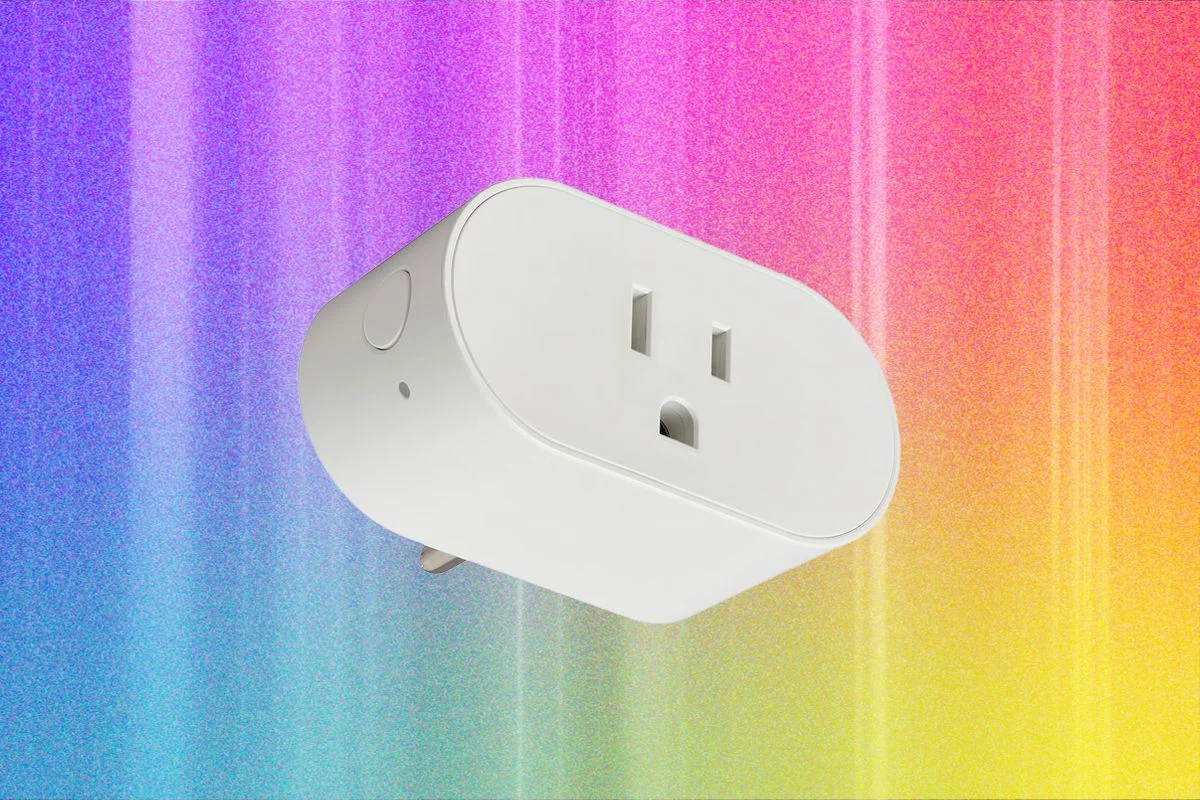
The smart plug, once viewed as a niche accessory for early technology adopters, has evolved into a cornerstone of the modern connected home, providing a bridge between traditional "dumb" appliances and sophisticated automation ecosystems. As of early 2026, the integration of universal standards like Matter has transformed these devices from simple Wi-Fi switches into interoperable components that enhance convenience, security, and energy efficiency. While the core functionality of a smart plug remains its ability to modulate power flow to an outlet via remote command, the latest iterations offer advanced features such as real-time energy telemetry and seamless cross-platform compatibility.
The Evolution of the Smart Plug: From Wi-Fi Silos to Universal Connectivity
The trajectory of smart plug development has been defined by a shift from proprietary ecosystems to open-source interoperability. In the early 2010s, consumers were often forced to choose between competing standards, such as Zigbee, Z-Wave, or manufacturer-specific Wi-Fi apps. This fragmentation frequently led to "app fatigue," where users required multiple applications to manage devices from different brands.
The landscape shifted significantly with the introduction of the Matter protocol. Developed by the Connectivity Standards Alliance (CSA)—a consortium including industry leaders such as Apple, Google, Amazon, and Samsung—Matter provides a unified language for smart home devices. This allows a TP-Link plug to communicate natively with an Apple HomePod or an Amazon Echo without the need for specialized bridges or complex third-party integrations. Market data suggests that the adoption of Matter has accelerated the growth of the smart home sector, with the global smart plug market projected to maintain a compound annual growth rate (CAGR) of approximately 16.2% through 2030.
Core Functionality and Technical Mechanics
At its most basic level, a smart plug acts as a power relay. When plugged into a standard wall outlet, it uses an internal switch to either complete or break the electrical circuit based on signals received over a wireless network. Most modern smart plugs utilize 2.4 GHz Wi-Fi, though newer models increasingly support Thread, a low-power mesh networking protocol designed specifically for the Internet of Things (IoT).
The primary utility of these devices lies in their ability to be controlled through three main avenues:
- Mobile Applications: Allowing users to toggle power from any location with internet access.
- Voice Assistants: Integrating with platforms like Amazon Alexa, Google Assistant, or Apple Siri for hands-free operation.
- Automated Scheduling: Enabling "if-this-then-than-that" (IFTTT) logic, where devices turn on or off based on time of day, geographic location (geofencing), or the state of other sensors in the home.
Strategic Applications in Residential Environments
The versatility of smart plugs allows for a wide array of practical applications, ranging from simple convenience to enhanced home security.
Lighting and Occupancy Simulation
One of the most frequent use cases for smart plugs is the automation of floor and table lamps. By connecting these "dumb" lighting fixtures to smart plugs, homeowners can create schedules that simulate occupancy while they are away. Unlike traditional mechanical timers, smart plugs can be programmed with "randomized" modes that turn lights on and off at slightly different times each day, providing a more convincing deterrent against potential intruders.
Small Appliance Management
Simple appliances that rely on a mechanical "on" switch—such as basic coffee makers, humidifiers, and fans—are ideal candidates for smart plugs. A user can prepare a coffee maker the night before and program the smart plug to activate at 7:00 AM, ensuring a fresh brew is ready upon waking. However, as automation experts note, this only works for devices that resume their last state when power is restored.
Outdoor and Seasonal Use
Weatherized smart plugs, such as the Cync Outdoor Smart Plug, have expanded automation to the exterior of the home. These devices are engineered with IP-rated enclosures to withstand rain, snow, and extreme temperatures. They are commonly utilized for controlling landscape lighting and seasonal decorations. The ability to automate large outdoor holiday displays ensures they are not left running during daylight hours, thereby reducing unnecessary electricity expenditure.
The "Dumb" Device Threshold: Identifying Compatibility Issues
Despite their versatility, smart plugs are not a universal solution for all household electronics. A critical limitation exists regarding devices with digital interfaces or "soft" power buttons.
Electronic devices that require a secondary input after receiving power—such as modern televisions, sophisticated espresso machines with touchscreens, or electric kettles with digital temperature selectors—will typically remain in a "standby" mode when a smart plug is activated. In these instances, the smart plug can successfully cut power to turn the device off, but it cannot initiate the device’s internal boot sequence to turn it back on. For these complex appliances, users may need to look toward more integrated smart appliances or IR (infrared) blasters that can simulate remote control signals.
Energy Monitoring: A New Frontier for Sustainability
A significant trend in the 2026 smart home market is the transition of the smart plug from a mere switch to a diagnostic tool. Models like the TP-Link Kasa EP25 now feature integrated energy monitoring hardware that tracks kilowatt-hour (kWh) consumption in real-time.
This data provides homeowners with insights into "phantom loads" or "vampire power"—the electricity consumed by devices even when they are turned off or in standby mode. According to data from the U.S. Department of Energy, standby power accounts for 5% to 10% of total residential energy use. By using smart plugs to identify high-consumption devices and completely severing their power during off-peak hours, consumers can realize measurable reductions in their monthly utility bills. Furthermore, some advanced ecosystems allow for "energy-aware" automation, where a plug might turn off a non-essential device if the total household energy load exceeds a certain threshold.
Industry Standards and Notable Market Entries
As of the latest industry updates in April 2026, several manufacturers have distinguished themselves through reliability, ease of setup, and adherence to modern standards.
TP-Link Tapo and Kasa Series
TP-Link remains a market leader by maintaining two distinct yet high-performing lines. The Tapo P125M has gained traction for its Matter certification and compact "mini" form factor, which ensures that it does not obstruct the adjacent outlet in a standard duplex wall socket. The Kasa line, particularly the EP10, is frequently cited for its robust app interface and long-term stability.
Ikea Grillplats
Ikea’s entry into the Matter-compatible market with the Grillplats smart plug represents a significant shift toward affordable, design-forward automation. By pairing the Grillplats with the Dirigera hub, Ikea has made Apple HomeKit and Siri integration accessible at a lower price point than many traditional tech brands. This move reflects a broader industry trend where furniture and lifestyle retailers are becoming primary distributors of smart home hardware.
Specialty and High-End Options
For users deeply embedded in the Apple ecosystem, the Eve Energy Strip offers a premium solution. While significantly more expensive than individual plugs, it provides three independently controllable outlets and high-grade aluminum construction. Conversely, budget-friendly options from Wyze and Roku (the latter being a rebranded Wyze product) continue to serve consumers who prioritize low entry costs and basic functionality.
Safety Considerations and Best Practices
While smart plugs are generally safe, fire marshals and electrical engineers advise several precautions:
- Amperage Limits: Most smart plugs are rated for 15 amps. Plucking high-draw appliances like space heaters, air conditioners, or large refrigerators into a smart plug can lead to overheating and potential fire hazards.
- Daisy-Chaining: Users should never plug a power strip into a smart plug, or vice versa, as this can exceed the device’s rated capacity and destabilize the circuit.
- Accessibility: Smart plugs should be placed in locations where they can be easily reached for manual resetting if the Wi-Fi connection fails.
Broader Impact and Future Outlook
The proliferation of smart plugs is more than a convenience; it is a fundamental component of the "Smart Grid" transition. As utility companies move toward time-of-use pricing, the ability to automate high-energy tasks—such as charging power tools or running dehumidifiers—to occur during low-demand periods becomes economically essential.
Industry analysts predict that the next generation of smart plugs will likely incorporate AI-driven edge computing. This would allow the plug to "learn" the power signature of the device attached to it, potentially alerting the user if an appliance is malfunctioning or if a refrigerator compressor is beginning to fail based on irregular energy draws.
In summary, the smart plug has transitioned from a simple remote switch to an intelligent energy management node. By lowering the barrier to entry for home automation and providing the tools necessary for granular energy oversight, these devices play a pivotal role in the ongoing digitization of the domestic environment. Whether through the lens of security, convenience, or sustainability, the smart plug remains one of the most effective and accessible upgrades for any modern household.







