
 Ali Ikhwan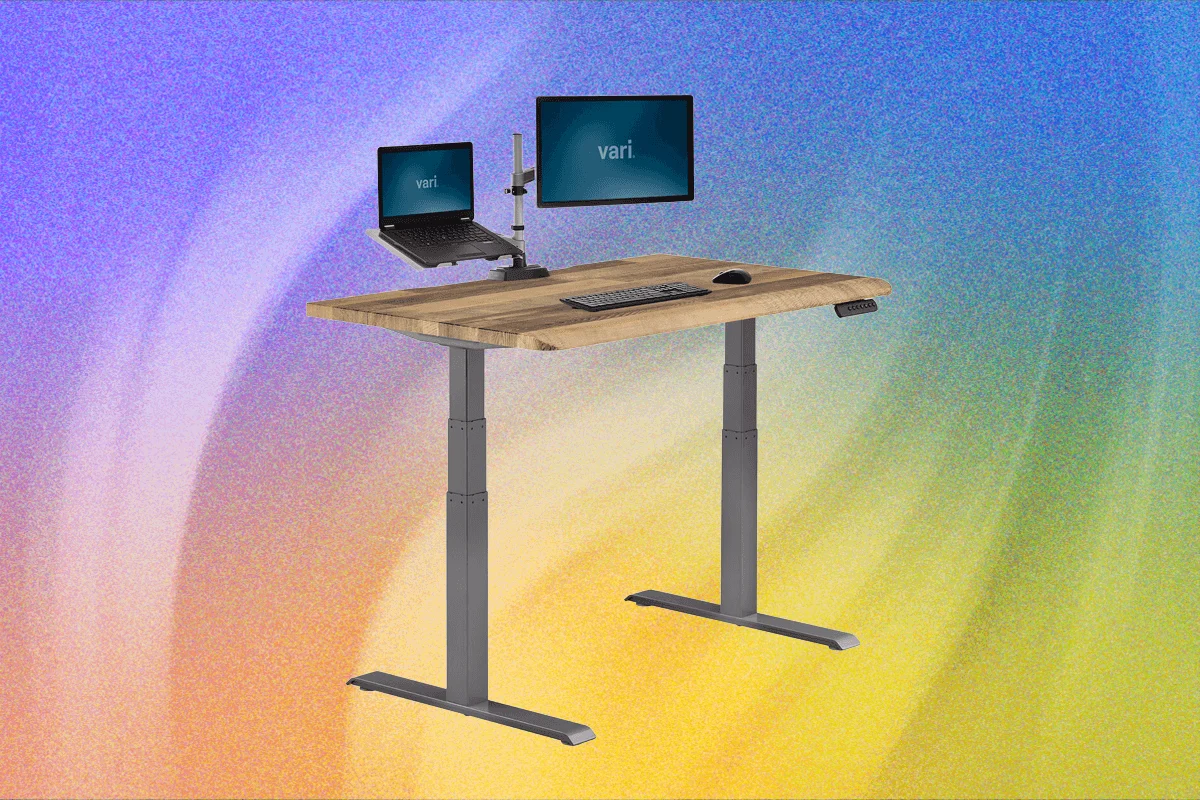
The global standing desk market, valued at approximately $7.2 billion in 2023, is projected to expand significantly as corporate wellness programs and remote work culture prioritize ergonomic health. This shift has moved the standing desk from a niche luxury item to a central component of the modern professional environment. Current market offerings reflect a broad spectrum of engineering priorities, ranging from budget-conscious compact units to ultra-premium smart furniture integrated with artificial intelligence. A comprehensive technical evaluation of the current landscape reveals that while the industry has achieved remarkable milestones in motor quietness and material sustainability, significant discrepancies remain regarding structural stability and the long-term reliability of advanced electronic components.
Market Segmentation and Entry-Level Solutions
The democratization of ergonomic furniture is most evident in the sub-$300 category, where manufacturers focus on essential functionality and spatial efficiency. The Luxor Compact Electric Standing Desk, priced at approximately $200, represents the "no-nonsense" segment of the market. Engineered with a 23.5-inch depth, it is specifically designed for high-density environments such as student dormitories and small urban apartments. Technical specifications for this model include an electric lift speed of one inch per second and a weight capacity of 154 pounds. While the lift mechanism is exposed—a common cost-saving measure—the unit maintains a quiet operational profile suitable for shared spaces.

In the same tier, the Inbox Zero 47-inch Adjustable Electric Standing Desk, retailing for roughly $163, offers additional mobility via rolling casters. This model utilizes a split-top design to reduce shipping costs and complexity. However, technical testing indicates that budget-tier motors often exhibit higher acoustic output, characterized by a distinct mechanical "tshunking" sound during vertical transitions. Furthermore, while these desks provide essential height presets, they often lack the sophisticated anti-collision sensors found in higher-end models, requiring users to maintain a clear path for movement.
Mid-Range Innovation and the Integration of AI
As the price point ascends toward the $400 to $850 range, manufacturers begin to integrate proprietary technology and improved cable management systems. The Flexispot E7 Pro, priced starting at $400, serves as a bridge between budget and premium tiers. While it mirrors the aesthetic of more expensive brands, technical evaluations have noted a tendency for high-pitched motor whines and minor stability issues when the desk is fully extended. These "wobble" factors are a primary concern for professionals using multiple monitor setups, as the center of gravity shifts significantly at standing heights.
The Autonomous Desk Pro ($600) has attempted to differentiate itself through the inclusion of "Desk AI." This control attachment monitors environmental variables such as air pressure, temperature, humidity, and noise levels. While the data provided is comprehensive, analysts suggest that without integrated environmental controls—such as a built-in air purifier or fan—the utility of these sensors remains secondary to the desk’s primary mechanical function.
-Offwhite-Background-SOURCE-Lillipad.jpg)
Further up the mid-range scale, the Boulies Magvida ($760) introduces the "EMO" system, a magnetic organization framework built into the underside of the desktop. This innovation replaces traditional drilling and bracket mounting with snap-in accessories, including cable trays and silicone straps. This move toward modularity reflects a broader industry trend where "clean desk" aesthetics are prioritized as much as ergonomic flexibility.
Premium Materials and Legacy Engineering
The $1,500 to $2,000 bracket is dominated by established names in office furniture and manufacturers utilizing high-grade natural materials. The Vari Solid Wood Electric Standing Desk ($1,500) utilizes FSC-certified lumber, providing a level of structural mass that significantly reduces lateral movement. A standout feature in this tier is the "ComfortEdge" design, a beveled desktop perimeter that reduces wrist fatigue during prolonged typing sessions.
The Herman Miller Jarvis Bamboo Standing Desk ($1,625) remains a benchmark in the industry following Herman Miller’s acquisition of Fully. Despite its premium positioning, long-term testing has revealed minor stability issues at maximum height. However, its contoured bamboo top and robust programmable controls continue to make it a preferred choice for professionals seeking a balance between sustainability and proven mechanical performance.
-Reviewer-Photo-SOURCE-Julian-Chokkattu-(no-border).jpg)
In contrast, the Herman Miller Spout Sit-to-Stand Table ($3,275) emphasizes aesthetic integration over technical features. Designed with a four-legged base to resemble traditional residential furniture, it lacks the memory presets common in desks costing a fraction of its price. This highlights a divergence in the market between "performance ergonomics" and "executive aesthetics," where the latter prioritizes a luxe appearance and smooth, quiet motor operation over granular user customization.
The Ultra-Luxury and Smart Desk Horizon
At the pinnacle of the market is the Beflo Tenon Premium, which retails for nearly $4,000. This hardwood smart desk is a technical powerhouse, featuring an integrated touchscreen interface reminiscent of modern smartphone operating systems. The Tenon includes a built-in power strip, audio passthrough, and LED lighting. Its engineering supports over 200 pounds of equipment during movement, and its motors include thermal protection to prevent damage from overheating. Despite these features, technical reviews have noted that the "whisper-quiet" marketing claims are somewhat hyperbolic, as the motors remain audible in quiet office environments.
Essential Workspace Accessories
The efficacy of a standing desk is often dictated by its ecosystem of accessories. Professional setups increasingly include:

- Integrated Power Solutions: The Branch Clamp-on Power ($89) addresses the "dangling wire" problem by providing AC and USB ports directly at the desktop level.
- Specialized Lighting: The LumeCube EdgeLight 2.0 ($150) and BenQ ScreenBar Lamp ($139) provide task-specific illumination. The BenQ model is particularly notable for its motion sensors, which automate energy savings by deactivating the light when the user departs.
- Ergonomic Support: The Secretlab Premium Footrest ($89) utilizes high-density memory foam to reduce lower-body fatigue during sitting intervals.
- Monitor Management: High-performance arms like the Mount-It! Dual Monitor Arm ($280) are essential for maintaining eye-level ergonomics, especially when using heavy ultrawide displays.
Technical Failures and Consumer Warnings
Despite the high price points of modern ergonomic furniture, mechanical and software failures remain a persistent issue. The Corsair Platform:6 Desk ($1,400) has faced criticism for its "rail system" design. Intended to allow for modular mounting of monitors and accessories, reports from users and technical reviewers indicate that the rail can tilt forward under the weight of standard dual-monitor setups.
Similarly, the ErgoAV Standing Desk ($2,000) and the Marinamantra ‘Flow’ ($1,049) have been flagged for electronic reliability. Users of the ErgoAV have reported the desk becoming "stuck" at specific heights, requiring a hard power reset to resume function. The Marinamantra Flow, designed for "floor-to-standing" transitions, has been noted for inconsistent motor behavior and assembly quality issues, such as loose hardware found upon unboxing. These failures underscore the reality that high costs do not always guarantee mechanical perfection in the rapidly evolving standing desk sector.
Chronology of Ergonomic Innovation
The evolution of the standing desk can be traced through several distinct phases:

- 2010–2014: The "Crank Era," where manual adjustment was the standard, and electric models were prohibitively expensive for home use.
- 2015–2019: The "Electric Boom," characterized by the rise of companies like Fully and Uplift, which brought dual-motor stability to the mass market.
- 2020–2022: The "Pandemic Pivot," during which supply chain demands and the work-from-home explosion led to a proliferation of budget-friendly, mass-produced models.
- 2023–Present: The "Smart Integration Era," where focus has shifted toward AI sensors, sustainable materials (FSC-certified woods), and aesthetic integration into the home.
Broader Impact and Industry Implications
The transition toward standing desks reflects a broader public health response to sedentary behavior. According to the Mayo Clinic, prolonged sitting is linked to increased blood pressure, high blood sugar, and excess body fat. However, the standing desk industry is now facing a "functionality plateau." With height adjustment technology reaching maturity, manufacturers are forced to compete on software integrations and premium finishes.
For the consumer, the primary challenge remains discerning between genuine engineering value and "spec-sheet inflation." As shown in the contrast between the $200 Luxor and the $4,000 Beflo, the core utility—moving a platform up and down—remains consistent. The premium is paid for stability, material longevity, and the reduction of "cable chaos." As the market continues to mature, it is expected that features currently reserved for the ultra-luxury tier, such as integrated power management and sophisticated anti-collision sensors, will eventually become standard across the mid-range segment, further enhancing the ergonomic standards of the global workforce.







