Hanik Kholidah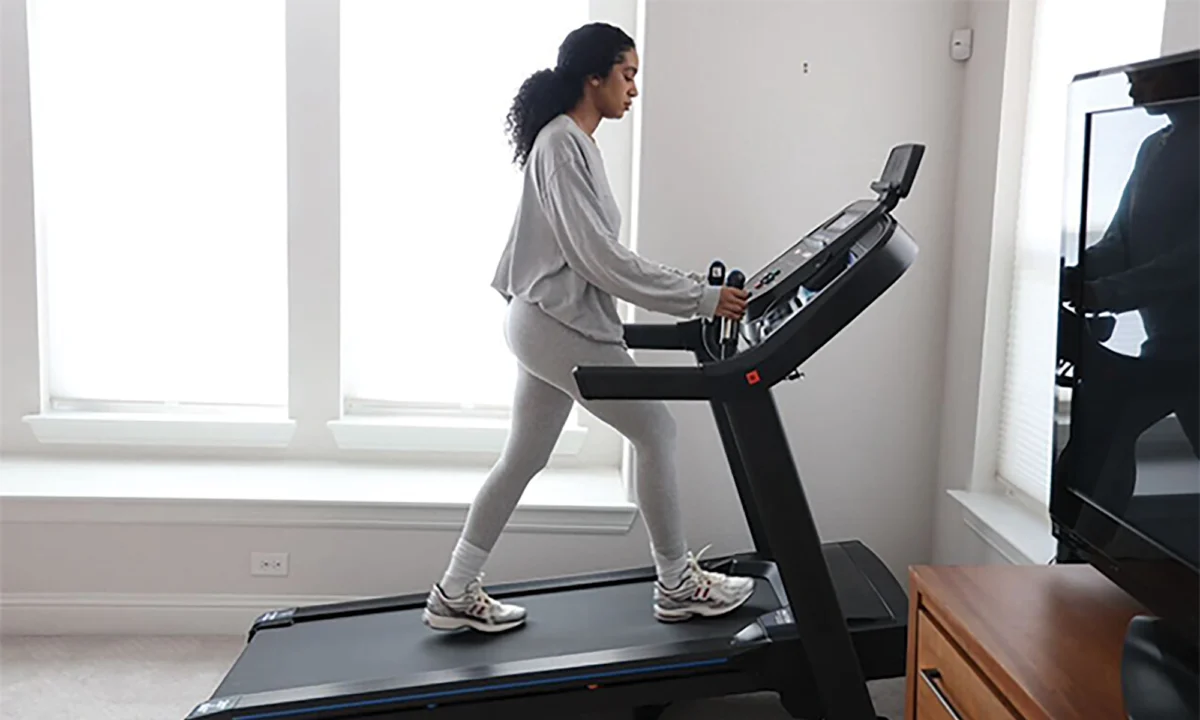
The study, which synthesized data from 69 longitudinal investigations involving millions of participants aged 35 and older, offers a robust statistical foundation for lifestyle-based prevention. By tracking health outcomes over several decades, researchers have been able to isolate the impact of daily habits from genetic predispositions. The findings underscore a critical "window of opportunity" beginning in early middle age, during which the adoption of specific behaviors can fundamentally alter the brain’s aging trajectory.
The Quantitative Impact of Physical Activity and Sedentary Behavior
The most striking finding of the PLOS One report concerns the relationship between movement and brain preservation. According to the meta-analysis, individuals who engage in regular physical activity exhibit a 25% lower risk of developing dementia compared to those with sedentary lifestyles. This reduction is not merely a correlation but is supported by a growing body of physiological evidence suggesting that exercise promotes neuroplasticity and reduces systemic inflammation, both of which are key factors in preventing the accumulation of amyloid-plaques associated with Alzheimer’s disease.
Conversely, the study identified a "tipping point" for sedentary behavior. Participants who remained seated for more than eight hours a day faced a 27% higher risk of cognitive impairment. This finding is particularly relevant in the modern era of remote work and digital entertainment, where prolonged sitting has become a default state for a large portion of the global workforce. Public health experts have long warned of "sitting disease" in relation to cardiovascular health and diabetes; however, this research explicitly links the lack of movement to the degradation of the central nervous system.
The data suggests that the intensity of the exercise may be less important than its consistency. While high-intensity interval training (HIIT) and resistance training offer unique benefits, the meta-analysis indicated that even moderate activities, such as brisk walking, gardening, or cycling, contribute significantly to the 25% risk reduction. The mechanism is believed to involve increased blood flow to the hippocampus—the region of the brain responsible for memory—and the release of brain-derived neurotrophic factor (BDNF), a protein that supports the survival of existing neurons and encourages the growth of new ones.
The Sleep Paradox: Finding the Optimal Duration
The second pillar identified by the researchers is sleep duration, which follows a distinct "U-shaped" risk curve. For years, the scientific consensus focused primarily on the dangers of sleep deprivation. The new research confirms this, noting that regularly sleeping less than seven hours a night increases dementia risk by 18%. During deep sleep, the brain’s glymphatic system—a waste-clearance pathway—becomes highly active, "washing" the brain of toxic metabolic byproducts, including tau proteins and beta-amyloid. Without sufficient time in these deep sleep stages, these toxins can build up over years, eventually leading to neurodegeneration.

However, the study also highlighted a less-discussed risk: oversleeping. Participants who regularly slept more than eight hours per night showed a 28% higher risk of dementia—a figure even higher than that of the sleep-deprived group. Researchers suggest that long sleep duration may be a marker for underlying health issues, such as poor sleep quality, undiagnosed sleep apnea, or early-stage neurological changes that increase the need for rest. This finding challenges the "more is always better" approach to rest and emphasizes the importance of the 7-to-8-hour "Goldilocks zone" for cognitive longevity.
A Chronology of Dementia Research and the Shift Toward Prevention
To understand the significance of this study, one must look at the timeline of dementia research over the last three decades. In the 1990s and early 2000s, much of the research was focused on the "Amyloid Hypothesis," which posited that removing plaques from the brain would cure the disease. However, after dozens of failed clinical trials, the focus shifted.
In 2017 and 2020, the Lancet Commission on Dementia Prevention, Intervention, and Care published landmark reports identifying 12 modifiable risk factors—including hearing loss, smoking, and social isolation—that could theoretically prevent up to 40% of dementia cases. The PLOS One study builds upon this foundation by providing more granular data on the specific thresholds for sleep and activity. It moves the conversation from general advice ("stay active") to specific, data-driven targets (avoid sitting for more than 8 hours, aim for 7-8 hours of sleep).
This shift represents a fundamental change in how the medical community views aging. Rather than seeing dementia as an inevitable consequence of getting older, it is increasingly viewed as a long-term process that begins in one’s 30s and 40s. The chronology of the studies reviewed—some spanning 20 to 30 years—allows researchers to state with confidence that the lifestyle choices made today will manifest in cognitive health decades down the line.
Institutional Reactions and Public Health Implications
While the researchers who authored the PLOS One study have remained objective in their presentation of the data, the broader medical community has reacted with a sense of urgency. Representatives from various Alzheimer’s advocacy groups have noted that these findings should influence urban planning and workplace regulations. If sitting for more than eight hours is a primary driver of dementia, then "active workstations" and mandatory movement breaks may eventually be classified as occupational health requirements rather than perks.
Public health officials are also weighing the economic implications. The cost of caring for dementia patients is currently estimated at over $1 trillion annually on a global scale. If a 25% reduction in risk can be achieved through lifestyle modification, the potential savings for national healthcare systems are astronomical. This has led to calls for "Brain Health" campaigns similar to the anti-smoking and heart-health initiatives of the late 20th century.

Medical practitioners are also being urged to incorporate sleep and activity assessments into routine checkups for middle-aged patients. Traditionally, a primary care physician might focus on cholesterol and blood pressure; the new data suggests that asking a 45-year-old about their nightly sleep duration and daily sitting time is equally vital for their long-term neurological health.
The Biological Mechanisms of Protection
The enrichment of this research lies in the biological "why" behind the numbers. Why does an extra hour of sitting or a lack of sleep lead to the destruction of neurons?
- Vascular Health: The brain is the most metabolically active organ in the body, requiring a constant supply of oxygen and glucose. Physical activity strengthens the cardiovascular system, ensuring that the microvessels in the brain remain clear and resilient. Sedentary behavior, conversely, leads to stiffening of the arteries and reduced cerebral blood flow.
- The Glymphatic System: As mentioned, sleep is the only time the brain can effectively "clean" itself. The PLOS One study reinforces the idea that sleep is a non-negotiable biological requirement for metabolic maintenance.
- Chronic Inflammation: Both physical inactivity and poor sleep are linked to chronic low-grade inflammation. This inflammation can break down the blood-brain barrier, allowing harmful substances to enter the brain and trigger an immune response that mistakenly attacks healthy neurons.
Future Outlook: Personalizing Prevention
As research continues to evolve, the next step will likely involve personalizing these lifestyle recommendations based on genetic markers, such as the APOE-ε4 allele, which is known to increase Alzheimer’s risk. Early evidence suggests that individuals with a higher genetic risk may benefit even more significantly from the 25% risk reduction offered by exercise.
Furthermore, the integration of wearable technology—smartwatches and rings that track sleep stages and sedentary alerts—will allow for real-time monitoring of these two key factors. The PLOS One meta-analysis provides the scientific "target," and technology may provide the means for individuals to hit that target consistently.
In conclusion, the identification of sleep and physical activity as the two most critical modifiable factors for dementia risk offers a sense of agency to an aging population. While genetic factors remain beyond human control, the ability to adjust sleep duration and incorporate movement into the day provides a powerful defense against cognitive decline. The data is clear: the path to a healthier brain is paved with consistent movement and disciplined rest. As the global community prepares for the demographic shifts of the coming decades, these "back to basics" lifestyle interventions may prove to be the most effective medicine available.