Michael Sholeh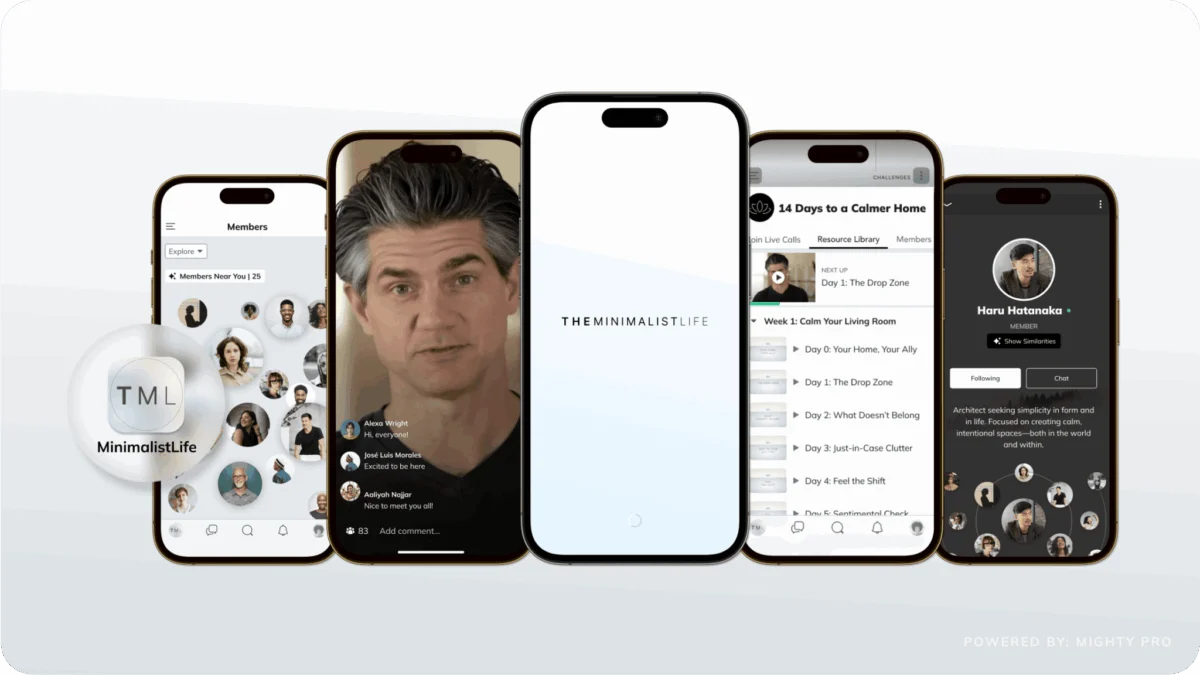
Joshua Becker, a prominent figure in the global minimalism movement and the founder of the "Becoming Minimalist" platform, has announced the launch of a new comprehensive community initiative titled "The Minimalist Life." This development marks a significant pivot in Becker’s professional trajectory, transitioning from a primarily content-driven educational model to a membership-based, interactive community focused on long-term lifestyle sustainability. The announcement comes after 17 years of digital publishing, during which Becker has authored over 1,700 articles, produced 400 videos, and facilitated the "Uncluttered" course for more than 90,000 participants worldwide.
The introduction of "The Minimalist Life" is designed to address a recurring challenge reported by followers of the minimalist lifestyle: the difficulty of maintaining intentional habits after the initial "decluttering" phase. According to Becker, the initiative represents a shift from theoretical education to practical, community-supported implementation. The platform aims to provide a structured environment where individuals can apply minimalist principles to various facets of life beyond physical possessions, including personal finance, time management, digital consumption, and interpersonal relationships.
The Evolution of the Minimalism Movement: A 17-Year Context
The minimalist movement has undergone a significant transformation since Becker began writing in 2008. Initially viewed as a niche lifestyle choice focused on extreme asceticism or architectural aesthetics, minimalism has evolved into a mainstream response to the rising levels of consumerism and digital distraction in the 21st century.
Over the past two decades, the "Becoming Minimalist" platform has tracked this cultural shift. Becker’s work has consistently emphasized that minimalism is not merely about owning fewer items, but about making space for things that provide true value. His previous publications, including bestsellers like The More of Less and The Minimalist Home, provided the foundational framework for this philosophy. However, as the movement matured, a gap emerged between the initial act of "purging" possessions and the lifelong habit of "intentional living."
Market analysts observe that the "minimalist economy" has shifted toward the "experience economy" and "wellness industry." As consumers become increasingly wary of the "fast-fashion" and "planned obsolescence" cycles, there is a growing demand for services that offer psychological support and accountability rather than just "how-to" guides. The launch of "The Minimalist Life" aligns with this broader market trend toward subscription-based community learning.
Addressing the "Sustainability Gap" in Lifestyle Changes
A central motivation for the new community is what behavioral psychologists often refer to as the "sustainability gap." While many individuals find success in short-term challenges—such as a 30-day decluttering spree—long-term habit formation remains elusive. Studies in behavioral science suggest that lifestyle changes are most successful when supported by social reinforcement and consistent, incremental goals.
Data from the "Uncluttered" course indicated that while 90,000 people successfully initiated home organization projects, many struggled to prevent the gradual accumulation of "clutter" in other areas of their lives, such as their schedules or digital environments. "The Minimalist Life" seeks to solve this by offering monthly themes that guide members through different life domains. This structured approach is intended to prevent the "burnout" often associated with radical lifestyle overhauls.
By focusing on one area per month—such as finances or habits—the platform utilizes a "micro-habit" methodology. This strategy is backed by research from institutions like the Stanford Fogg Behavior Design Lab, which suggests that small, repeatable actions are more effective for long-term change than large, infrequent efforts.
Platform Features and the Human-Centric Mandate
The "The Minimalist Life" community is positioned as a private, human-centric alternative to the increasingly automated and AI-driven digital landscape. Becker has emphasized that the platform will prioritize direct human interaction over algorithmic content delivery. Key features of the community include:
- Monthly Thematic Focus: Each month is dedicated to a specific aspect of intentional living, ranging from physical environments to mental health.
- Direct Interaction: Regular live sessions and Q&A opportunities with Becker and other experts in the field.
- Peer Support Networks: Private forums and groups where members can share progress, challenges, and local resources.
- Resource Library: Access to exclusive worksheets, guides, and video content designed to facilitate practical application.
In an era where social media platforms are frequently criticized for contributing to "decision fatigue" and "comparison culture," Becker’s community is designed to be a "digital sanctuary." The private nature of the group aims to foster a high-trust environment where members can be vulnerable about their struggles with consumerism and debt without the pressures of public scrutiny.

Supporting Data: The Cost of Excess
The necessity for a community-based approach to minimalism is underscored by recent economic and psychological data. According to the Los Angeles Times, the average American home contains approximately 300,000 items. Furthermore, a study by UCLA’s Center on Everyday Lives of Families (CELF) found a direct correlation between high levels of household clutter and increased cortisol (stress hormone) levels in mothers.
From a financial perspective, the average American household carries over $7,000 in credit card debt, often driven by impulse purchases and the societal pressure to maintain a certain lifestyle. Minimalism, as taught by Becker, serves as a financial intervention. By reducing the desire for unnecessary acquisitions, individuals can redirect capital toward debt repayment, savings, or charitable giving.
The "The Minimalist Life" community arrives at a time when global inflation and economic uncertainty are forcing many households to re-evaluate their spending habits. Journalistic analysis suggests that minimalism is no longer just a "middle-class luxury" but a practical survival strategy for navigating a volatile economy.
Chronology of the Launch and Enrollment
The rollout of "The Minimalist Life" follows a strategic timeline designed to reward early adopters and long-term followers of the "Becoming Minimalist" brand:
- 2008–2024: The foundational years of content creation, including the publication of five books and the establishment of a global readership.
- Early 2025: Beta testing of the community model with a select group of long-term "Uncluttered" alumni.
- June 2025: Official public announcement and opening of the "Founding Member" enrollment window.
- June 30, 2025: Deadline for the "Founding Member" rate of $18 per month or $180 per year.
- July 2025: Commencement of the first official community-wide monthly theme.
The pricing structure is intentionally positioned to be accessible while ensuring the sustainability of the platform’s operations. By offering a discounted annual rate, the initiative encourages long-term commitment, which is essential for the "lifestyle" aspect of the program to take root.
Broader Implications for the Wellness and Digital Sectors
The launch of this community has implications that extend beyond the immediate sphere of Joshua Becker’s audience. It represents a broader trend in the creator economy: the move away from "mass-market" social media toward "niche-community" platforms. As creators seek more stable revenue streams and deeper engagement with their audiences, the membership model is becoming the gold standard for digital-first businesses.
Furthermore, the emphasis on "human interaction" in the age of Artificial Intelligence is a notable strategic choice. As AI-generated content becomes more prevalent, the value of authentic, lived experience and personal mentorship is expected to rise. Becker’s move suggests that the future of online education may lie in "community-as-a-service," where the primary value proposition is the connection between members rather than just the information provided by the leader.
Industry observers also point out that the expansion of minimalism into areas like "digital life" and "relationships" reflects a growing awareness of "mental clutter." In a world of infinite scrolls and constant notifications, the minimalist philosophy is being repurposed as a framework for digital wellness and mental health.
Conclusion and Outlook
Joshua Becker’s "The Minimalist Life" is a calculated response to the evolving needs of a global audience that has moved past the "why" of minimalism and is now focused on the "how." By providing a structured, supportive, and human-centric environment, the platform aims to transition minimalism from a fleeting trend into a permanent lifestyle fixture for its members.
As the doors open for founding members, the success of the initiative will likely be measured not just by enrollment numbers, but by the tangible life changes reported by its participants. In a society often defined by "more," Becker’s 17-year journey continues to advocate for the profound power of "less," now backed by a community designed to make that vision a lasting reality.