
 Ali Ikhwan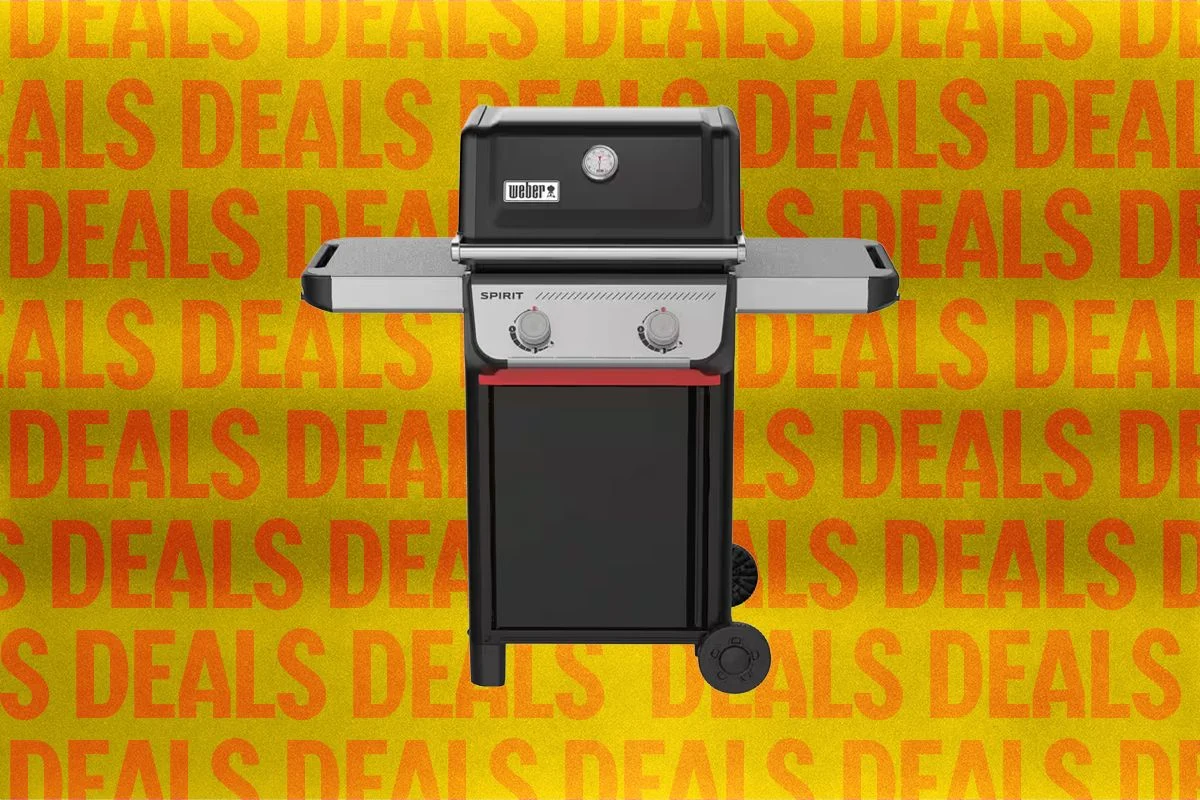
The Home Depot has officially launched its annual "Spring Black Friday" promotional event, a strategic retail campaign designed to capture the surge in consumer spending as homeowners transition into outdoor maintenance and renovation projects. Running through April 22, the event marks a pivotal moment in the retail calendar where the "Black Friday" moniker—traditionally reserved for the day following Thanksgiving—is repurposed to signify deep discounting across the home improvement sector. While the term was historically associated with holiday shopping chaos and the start of the winter gift-giving season, its application in April reflects a broader shift in retail strategy, positioning the spring season as the "Christmas of DIY."
This year’s promotion focuses heavily on high-value categories, including outdoor cooking equipment, cordless power tools, and lawn maintenance machinery. Industry analysts note that these categories are essential for Home Depot to maintain market share against competitors like Lowe’s and Amazon, particularly as inflationary pressures continue to influence consumer behavior. By offering substantial price reductions on premium brands such as Weber, Milwaukee, and Ryobi, the retailer aims to incentivize "project-based" shopping, where consumers purchase the foundational equipment necessary for larger home upgrades.
The Evolution of Seasonal Retail Branding
The concept of a "Spring Black Friday" is not a new phenomenon, but its scale has expanded significantly over the last decade. Retail experts point to the early 2010s as the period when major big-box retailers began experimenting with high-intensity sales events outside the fourth quarter. The logic is rooted in the seasonal nature of home improvement; just as consumers look for electronics and toys in November, they seek mulch, grills, and garden tools in April.
By utilizing the "Black Friday" branding, Home Depot leverages a high level of consumer recognition and the psychological expectation of "best-of-year" pricing. This strategy effectively creates a sense of urgency, encouraging homeowners to finalize purchases for spring projects that might otherwise be deferred. According to market data from the retail sector, seasonal sales events in the second quarter are critical for home improvement stores, often accounting for a significant portion of their annual revenue as the weather warms and the real estate market typically sees an uptick in activity.
Deep Discounts on Outdoor Cooking Equipment
One of the cornerstones of the 2024 Spring Black Friday event is the reduction in prices for premium gas grills. Weber, a brand often cited for its durability and consistent performance, is a primary focus of the current discounts. The Weber Spirit E-210, a two-burner liquid propane gas grill, is currently positioned as a lead offer with a $50 price reduction, bringing the retail cost down to $399.
Technical analysis of the Spirit E-210 reveals why it remains a staple in the mid-range grill market. It features porcelain-enameled cast-iron grates designed for heat retention and ease of cleaning, alongside Weber’s proprietary "Flavorizer" bars that vaporize drippings to enhance smoky flavor. With a 10-year warranty on all parts of the grill, the Spirit series is marketed toward families seeking a long-term investment rather than a disposable unit.
For consumers with larger requirements, the sale also includes the Weber Genesis E-325, which is discounted by $100 to a price of $849. The Genesis line represents a step up in both power and versatility, offering a larger searing zone, higher British Thermal Units (BTUs), and expanded prep areas. Retail data suggests that while the Spirit series attracts the "value-conscious" segment, the Genesis deals are designed to capture the "prosumer" market—individuals who host frequent large gatherings and require professional-grade equipment.
The Power Tool Battery Ecosystem and BOGO Strategies
Beyond outdoor living, the Spring Black Friday event features a complex array of "Buy One, Get One" (BOGO) deals on professional-grade power tools. These offers are primarily centered on the "battery ecosystem" model, a retail strategy where the purchase of a tool or a starter kit includes a free high-capacity battery pack, often valued at approximately $200.
This strategy is particularly prominent with the Milwaukee Tool brand. Milwaukee, known for its M18 and M12 fuel systems, has cultivated a loyal following among contractors and serious DIY enthusiasts. By offering a free power pack with the purchase of specific tools, Home Depot reinforces brand loyalty. Once a consumer is invested in a specific battery platform, the "switching cost" to a competitor like DeWalt or Makita becomes prohibitively high, as batteries are rarely interchangeable between brands.

The 2024 sale includes similar BOGO structures for DeWalt and Ryobi. DeWalt remains a favorite for its ergonomic design and historical reliability in heavy-duty construction, while Ryobi is positioned as the high-value option for the general homeowner. The mechanics of these deals, while sometimes complex for the consumer to navigate on digital platforms, represent some of the steepest discounts available in the tool industry, effectively lowering the barrier to entry for high-performance cordless systems.
Advancements in Electric Yard Maintenance
A significant portion of the current promotional material is dedicated to Ryobi’s 40V lithium-ion outdoor power equipment. As municipal noise ordinances and environmental regulations increasingly target gas-powered lawn equipment, the shift toward electric alternatives has accelerated. Ryobi has positioned itself at the forefront of this transition, offering an ecosystem that spans from basic trimmers to zero-turn riding mowers.
A standout offer in the current cycle is a bundle featuring a 40V HP Brushless 20-inch cordless walk-behind push lawn mower packaged with a free leaf blower. This "starter kit" approach is designed to transition homeowners entirely away from internal combustion engines. The 40V HP (High Performance) line utilizes brushless motors, which offer greater torque and longer motor life compared to traditional brushed motors.
Furthermore, the Ryobi service model has been noted as a unique selling point in specific regions, such as the Pacific Northwest. Unlike brands that require tools to be shipped to centralized repair hubs, Ryobi often utilizes a decentralized network of mobile technicians. This focus on post-purchase support is a critical factor in consumer confidence, particularly for high-cost items like battery-powered mowers which may require specialized technical maintenance.
Economic Context and Market Implications
The timing of the Spring Black Friday sale coincides with a complex economic landscape. High interest rates have slowed the pace of existing home sales, leading many homeowners to stay in their current residences longer. This "lock-in effect" has historically driven an increase in home renovation and maintenance spending, as owners choose to invest in their current properties rather than move.
However, consumer sentiment remains cautious due to the increased cost of living. By offering "Black Friday" level discounts in April, Home Depot is addressing this price sensitivity directly. Data from the Home Improvement Research Institute (HIRI) suggests that while overall project volume may see slight fluctuations, the demand for "maintenance-ready" products—those required to keep a home functional and aesthetically pleasing—remains inelastic.
The competitive landscape also dictates these aggressive pricing strategies. Amazon’s expansion into the "Big and Bulky" delivery sector has allowed the e-commerce giant to compete more effectively on items like grills and power tools. In response, Home Depot’s reliance on its physical store network—offering immediate "Buy Online, Pick Up In Store" (BOPIS) capabilities—remains its primary advantage. The Spring Black Friday event serves as a high-visibility reminder to consumers of the convenience and immediate availability of these products.
Chronology of the Event and Consumer Guidance
The Home Depot Spring Black Friday sale follows a specific timeline:
- Late March: Early "teaser" deals and digital-only offers begin appearing on the mobile app.
- April 4: The official launch of the full promotional catalog, including the flagship Weber and Milwaukee deals.
- April 11–18: The peak period of the sale, often involving restocks of popular BOGO tool bundles.
- April 22: The scheduled conclusion of the event, coinciding with the peak of the spring planting season in many temperate zones.
For consumers navigating the sale, retail analysts recommend focusing on the "free gift with purchase" tool deals, as these often represent a higher percentage of savings than flat price cuts on individual items. Additionally, the sale on mulch and soil—often sold in "5 for $10" or "3 for $10" increments—remains one of the highest-volume components of the event, drawing significant foot traffic into the garden centers.
Conclusion
The Home Depot’s Spring Black Friday 2024 is more than a simple clearance event; it is a calculated retail operation designed to dominate the second-quarter home improvement market. By focusing on premium brands and the essential tools of the spring season, the retailer addresses both the practical needs of homeowners and the economic realities of the current market. As the event nears its April 22 conclusion, the focus will likely shift from equipment sales to live goods and landscaping, marking the end of the "equipment acquisition" phase of the spring DIY cycle. This strategic deployment of the Black Friday brand ensures that even in a volatile economy, the tradition of the "spring refresh" remains a primary driver of domestic retail activity.







