Muhammad Hendra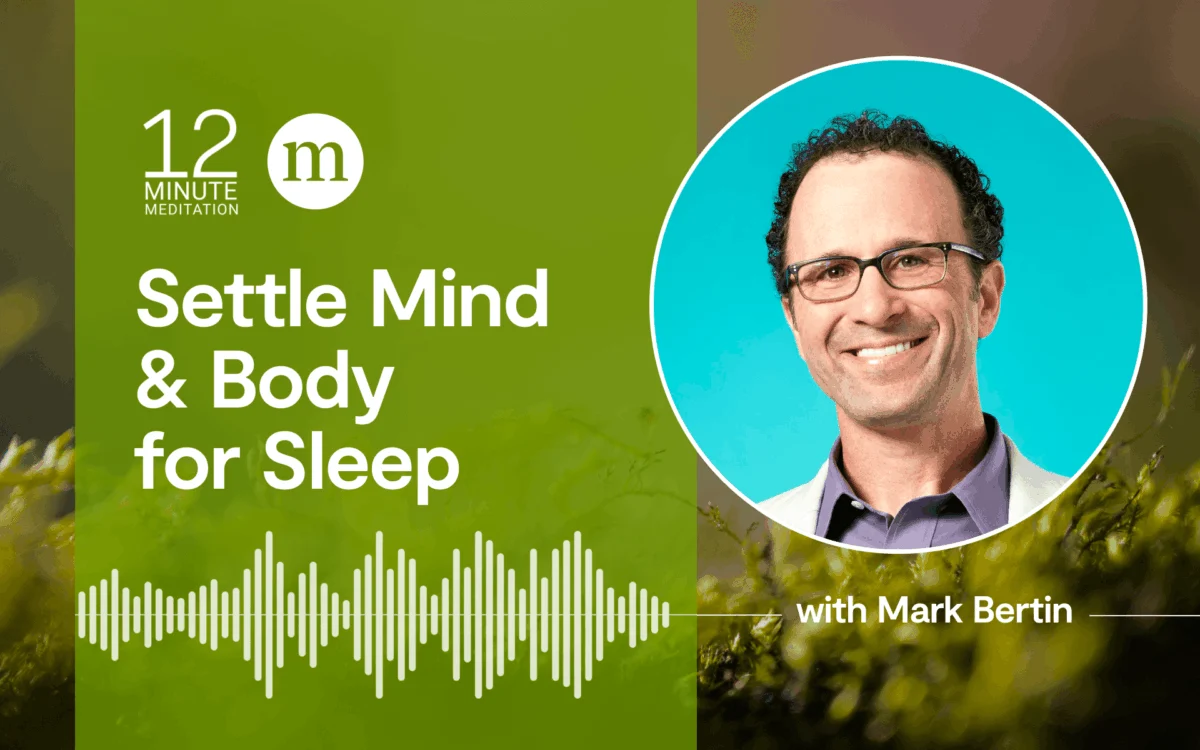
The pervasive challenge of sleep deprivation and restlessness continues to affect a significant portion of the global population, prompting a growing interest in non-pharmacological interventions. Among these, mindfulness-based practices, particularly those incorporating breathwork, are gaining traction as effective tools to mitigate racing thoughts and physical tension that impede restful sleep. Experts in mindfulness and mental wellness, such as Mark Bertin, advocate for structured practices that leverage the breath as a calming anchor, offering a accessible method to transition the mind and body into a state conducive to rest. This approach addresses not only the immediate discomfort of sleeplessness but also aims to cultivate long-term patterns that signal to the brain and body that it is time for repose.
The Widespread Challenge of Sleep Disturbances
Sleep is a fundamental pillar of health, yet its disruption is increasingly common in contemporary society. A confluence of factors, ranging from chronic work-related stress and relationship complexities to significant health concerns, hormonal fluctuations, and the overarching anxieties stemming from global events, contribute to a pervasive inability to initiate and maintain sleep. Data from organizations like the Centers for Disease Control and Prevention (CDC) frequently indicate that a substantial percentage of adults, often exceeding one-third in many developed nations, consistently fail to achieve the recommended seven to nine hours of sleep per night. This widespread issue extends beyond occasional restlessness; it encompasses chronic insomnia, sleep apnea, and other sleep disorders that collectively represent a significant public health crisis.
The implications of chronic sleep deprivation are far-reaching, impacting physical health, cognitive function, and emotional well-being. Physiologically, insufficient sleep has been linked to an increased risk of cardiovascular diseases, type 2 diabetes, obesity, and a compromised immune system. Cognitively, it impairs concentration, memory, decision-making, and reaction times, directly affecting productivity and increasing accident risks. Emotionally, sleep disturbances exacerbate symptoms of anxiety, depression, and mood instability, creating a vicious cycle where mental distress further disrupts sleep. The economic burden is also substantial, with billions lost annually in healthcare costs, decreased productivity, and workplace accidents attributed to sleep deficiency.
The Science Behind Mindfulness and Breathwork for Sleep
The efficacy of practices like the one offered by Mark Bertin lies in their ability to directly counteract the physiological mechanisms that keep us awake. When faced with stress or anxiety, the body activates its sympathetic nervous system, commonly known as the "fight-or-flight" response. This state is characterized by an elevated heart rate, increased respiration, heightened muscle tension, and the release of stress hormones like cortisol. These physiological changes are inherently antithetical to sleep, which requires a dominance of the parasympathetic nervous system, responsible for "rest and digest" functions.
Mindfulness meditation and focused breathwork serve as potent activators of the parasympathetic nervous system. By consciously slowing and deepening the breath, individuals can directly influence the vagus nerve, a critical component of the parasympathetic system. This stimulation sends signals to the brain that the body is safe and can relax, thereby reducing heart rate, lowering blood pressure, and decreasing muscle tension. The practice of focusing on the breath also provides a focal point for attention, effectively disrupting the incessant loop of racing thoughts that often accompanies sleeplessness. Instead of engaging with worrying thoughts, the mind is gently redirected to the present moment, anchored by the rhythmic sensation of inhalation and exhalation. This systematic redirection trains the brain to disengage from rumination, fostering a mental environment more conducive to sleep onset.
Neuroscientific research further supports these claims. Studies utilizing fMRI scans have shown that regular mindfulness practice can lead to structural and functional changes in brain regions associated with emotional regulation, attention, and self-awareness, such as the prefrontal cortex and the amygdala. By modulating the activity of the amygdala, the brain’s fear center, mindfulness can reduce the intensity of stress responses. Simultaneously, strengthening the prefrontal cortex enhances the ability to sustain attention and regulate emotional states, crucial skills for calming a busy mind before sleep.
A Chronology of Mindfulness Integration in Sleep Health
The concept of using breath and present-moment awareness for well-being is deeply rooted in ancient contemplative traditions, particularly within Eastern philosophies like Buddhism and Yoga, where practices date back millennia. These traditions have long recognized the profound connection between mind, body, and breath, utilizing various forms of meditation and pranayama (yogic breathing techniques) to cultivate inner peace and prepare for restful states.
The integration of these ancient practices into Western healthcare and psychology began to gain significant momentum in the latter half of the 20th century. Pioneers like Jon Kabat-Zinn, who developed Mindfulness-Based Stress Reduction (MBSR) in the late 1970s, played a pivotal role in secularizing mindfulness and introducing it into clinical settings. Initially focused on chronic pain and stress, MBSR soon demonstrated its effectiveness in addressing a wide array of conditions, including sleep disorders.
The 21st century has witnessed an acceleration in research and adoption. Academic institutions and medical centers worldwide have increasingly investigated mindfulness-based interventions for insomnia (MBTI). A systematic review published in the Journal of the American Medical Association (JAMA) Internal Medicine in 2015, for instance, highlighted the robust evidence supporting mindfulness meditation as a moderate-effect treatment for sleep problems. This period also saw the proliferation of digital health platforms and applications, making guided meditations and breathwork exercises readily accessible to millions. Mark Bertin’s offering stands as a contemporary example within this timeline, leveraging established principles and delivering them in a format suitable for modern lifestyles, whether through written scripts or audio guides. This evolution underscores a broader societal shift towards preventive health and holistic well-being, recognizing the intricate interplay between mental state and physical health.
The Mechanics of a Soothing Sleep Practice
Mark Bertin’s approach, aligned with established mindfulness principles, emphasizes the systematic softening of restlessness through intentional breathwork. The practice typically begins with finding a comfortable position, often lying down, which immediately signals to the body a transition from active engagement to passive repose. The core of the exercise involves directing attention to the natural rhythm of the breath—observing the sensation of air entering and leaving the body without attempting to control it. This focused attention serves as the "calming anchor," a stable point of reference amidst the internal chatter of the mind.
As the practice deepens, it often incorporates elements such as a gentle body scan, where awareness is systematically moved through different parts of the body, noticing and releasing any accumulated tension. This non-judgmental observation helps to ground individuals in their physical experience, diverting attention from cognitive rumination. The invitation is not to forcefully empty the mind but rather to gently acknowledge thoughts as they arise and, without judgment, guide attention back to the breath. This repeated redirection trains the mind in a form of mental discipline that is crucial for overcoming the persistent thought loops characteristic of pre-sleep anxiety.
The more consistently one engages with such practices, the more effectively the brain and body are conditioned to associate these specific actions with the onset of rest. This is a process of neural conditioning, where repeated activation of the parasympathetic nervous system in response to the practice establishes a strong associative link. Over time, simply initiating the practice can trigger a pre-programmed relaxation response, making it easier to fall asleep and to return to sleep if awakened during the night. It transforms a conscious effort into a learned physiological response, akin to a calming reflex.
Expert Perspectives and Official Responses
Leading sleep specialists and mental health professionals increasingly endorse mindfulness and breathwork as valuable components of a comprehensive sleep hygiene strategy. Dr. Isabella Chen, a prominent sleep researcher at a nationally recognized sleep institute, notes, "While pharmacological interventions have their place, we are seeing a significant shift towards behavioral and mind-body therapies. Practices like guided meditation offer individuals tools to actively manage their sleep environment, both external and internal, without the side effects often associated with medication."
Similarly, Dr. David Miller, a clinical psychologist specializing in stress reduction, emphasizes the empowerment aspect. "The beauty of breath-based mindfulness is its accessibility. It’s a skill that can be learned and applied anywhere, at any time, giving individuals a sense of agency over their own well-being. It’s not just about getting to sleep; it’s about fostering a healthier relationship with stress and one’s internal experience." Public health organizations, in their advisories on promoting healthy lifestyles, frequently include recommendations for stress management techniques such as mindfulness, yoga, and meditation, recognizing their potential to alleviate a broad spectrum of health issues, including sleep disorders. This growing consensus among experts underscores a broader acceptance of holistic approaches in mainstream healthcare.
Broader Impact and Future Implications
The integration of mindfulness and breathwork into sleep routines signifies a broader paradigm shift in how society approaches health and well-being. It moves beyond a reactive model of treating symptoms towards a proactive, preventative approach that empowers individuals to cultivate resilience against the stressors of modern life.
The accessibility of resources like Mark Bertin’s practice, often available through online platforms, apps, or easily downloadable audio, democratizes access to effective stress and sleep management techniques. This widespread availability is crucial for addressing the public health challenge of sleep deprivation, especially in populations that may lack access to specialized clinical interventions. Furthermore, the non-pharmacological nature of these practices makes them attractive to individuals seeking alternatives to medication, minimizing concerns about dependency or side effects.
Looking ahead, the ongoing research into the neurobiology of mindfulness and its effects on sleep promises even more refined and personalized interventions. As understanding deepens, future iterations of these practices may incorporate biofeedback or other technological enhancements to optimize individual responses. The growing adoption of mindfulness in corporate wellness programs also highlights its potential to improve employee health, reduce burnout, and enhance productivity, signaling its broader societal value beyond individual sleep improvement. Ultimately, the emphasis on practices that soothe racing thoughts and ease tension, as advocated by experts like Mark Bertin, represents a vital step in fostering a more rested, resilient, and mindful society.