
 Indra Kusuma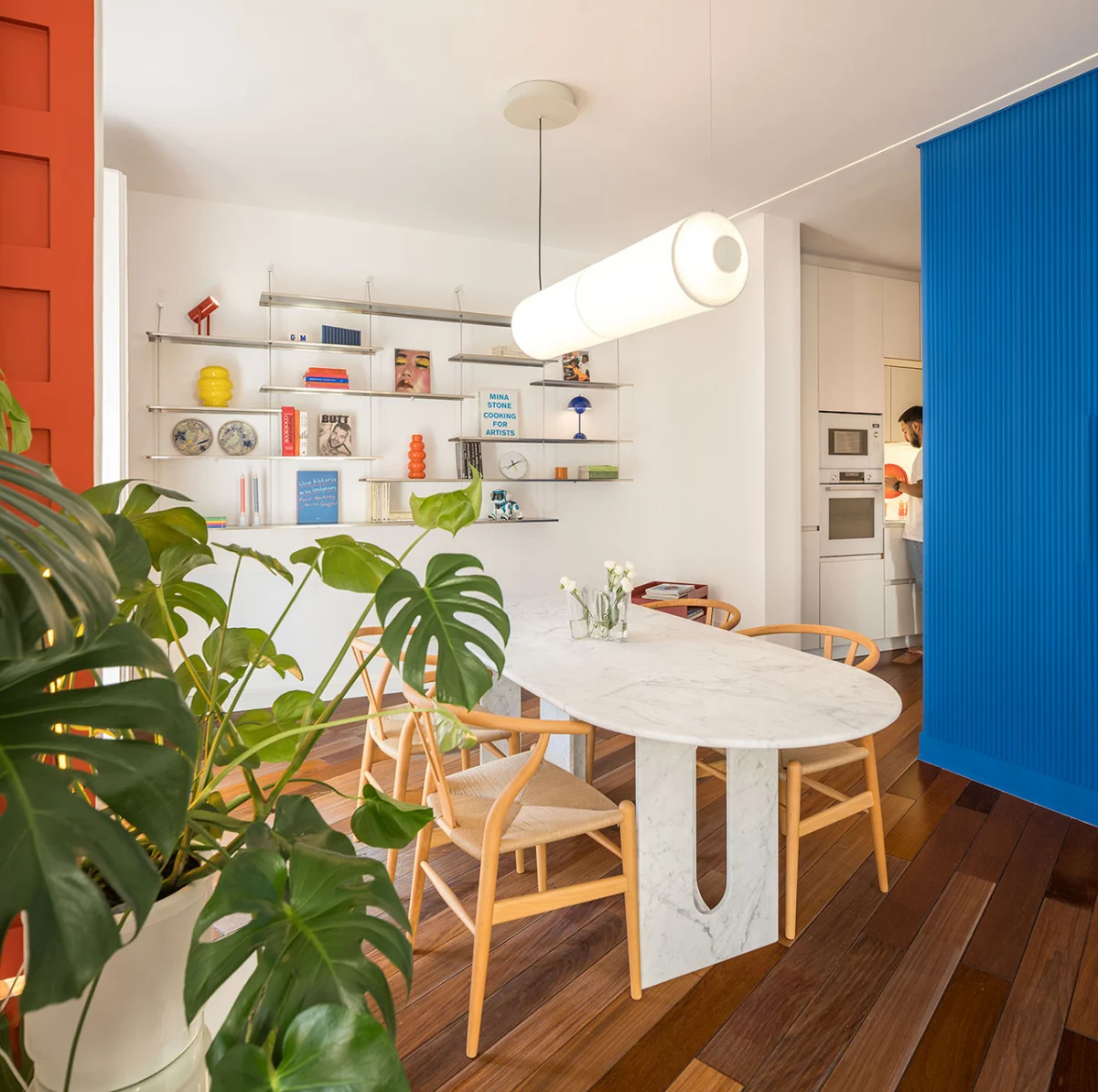
The revitalization of Casa EME, an apartment situated within a venerable corner building overlooking Madrid’s iconic Plaza Mayor, represents a masterful synthesis of historical reverence and contemporary design. Conceived by gon architects, this project transcends mere renovation, evolving into a sophisticated exploration of memory, humanism, and the transformative power of color. For Manuel, the homeowner and an ardent enthusiast of both design and culinary arts, the apartment initially evoked a profound sense of familiarity, echoing the layered history and distinctive spirit of Madrid de los Austrias. This intrinsic connection to the past served as a foundational principle for the architectural intervention, aiming to create a refreshing and bright living space that simultaneously honors its historic roots and anticipates the demands of modern life.
Historical Canvas: Madrid de los Austrias and Plaza Mayor
The setting of Casa EME is intrinsically linked to the rich tapestry of Madrid’s history. Madrid de los Austrias, or "Habsburg Madrid," refers to the old quarter of the city built during the reign of the Habsburg dynasty (16th-17th centuries). This area is characterized by its narrow, winding streets, grand plazas, and traditional architecture, often featuring iron balconies and ornate facades. At its heart lies the Plaza Mayor, a magnificent rectangular square completed in 1619, which has served as a central venue for public life, from markets and bullfights to royal proclamations and festivals, for centuries. The plaza, along with its surrounding buildings, is a protected heritage site, embodying the enduring legacy of Spanish imperial power and urban planning.
The apartment’s position, directly overlooking this constellation of landmarks, offers an unparalleled vantage point. Its five expansive windows act almost theatrically, framing the bustling city life as a dynamic, ever-changing backdrop. This direct visual dialogue with one of Europe’s most significant historical squares meant that any design intervention within the apartment needed to acknowledge and integrate this external grandeur without overwhelming the interior space. The architects, gon architects, approached this challenge by seeking "a quiet return to humanism," emphasizing careful delineation and a philosophy of "creating more with less." This principle posits that thoughtful design, rather than excessive ornamentation or expansive gestures, can yield profound spatial experiences and enhance livability within existing footprints.
gon architects’ Vision: Recalibrating Domesticity
gon architects, known for their innovative and context-sensitive approaches to residential and public spaces, undertook the Casa EME project with a clear objective: to transform a previously fragmented and illogical layout into a fluid, legible, and highly functional home. Their methodology prioritized recalibration over outright demolition, a sustainable and respectful strategy that sought to unlock the inherent potential of the existing structure. This involved a strategic "sliding of programs" across the apartment’s original footprint, reorganizing internal relationships until a new, coherent domestic order emerged.
According to a spokesperson for gon architects, the design intent was to "establish a dialogue between the apartment’s historical essence and contemporary living requirements, ensuring that every intervention felt both fresh and deeply rooted." This approach is evident in the project’s resistance to wholesale structural changes, instead focusing on intelligent spatial reconfigurations that optimize flow and utility. The result is an apartment that, while starkly angular in its modern aesthetic, remains ambitiously unpretentious. Each design element operates quietly, contributing to the overall harmony without any single feature demanding undue attention, reflecting a mature and confident design hand.
A Symphony of Color: Spatial Delineation and Bauhaus Influence
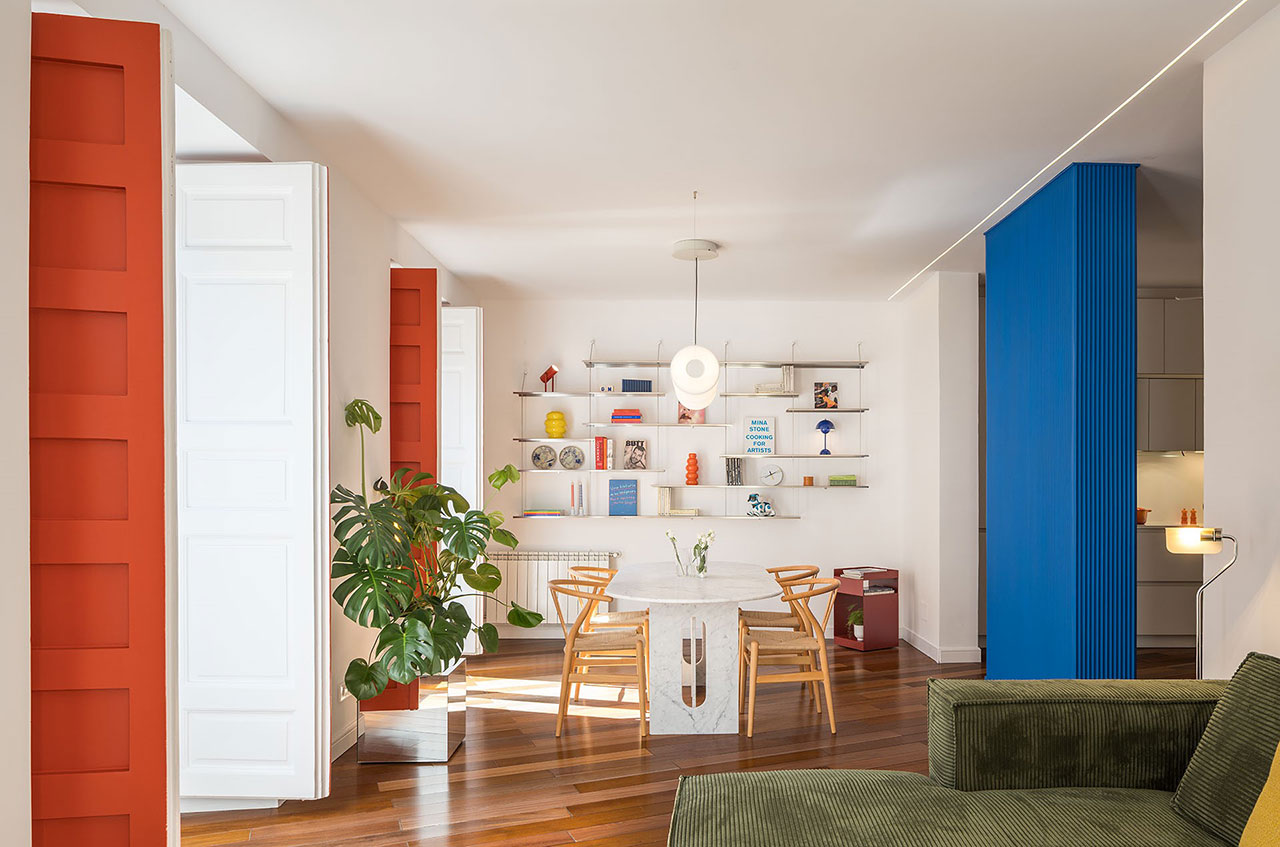
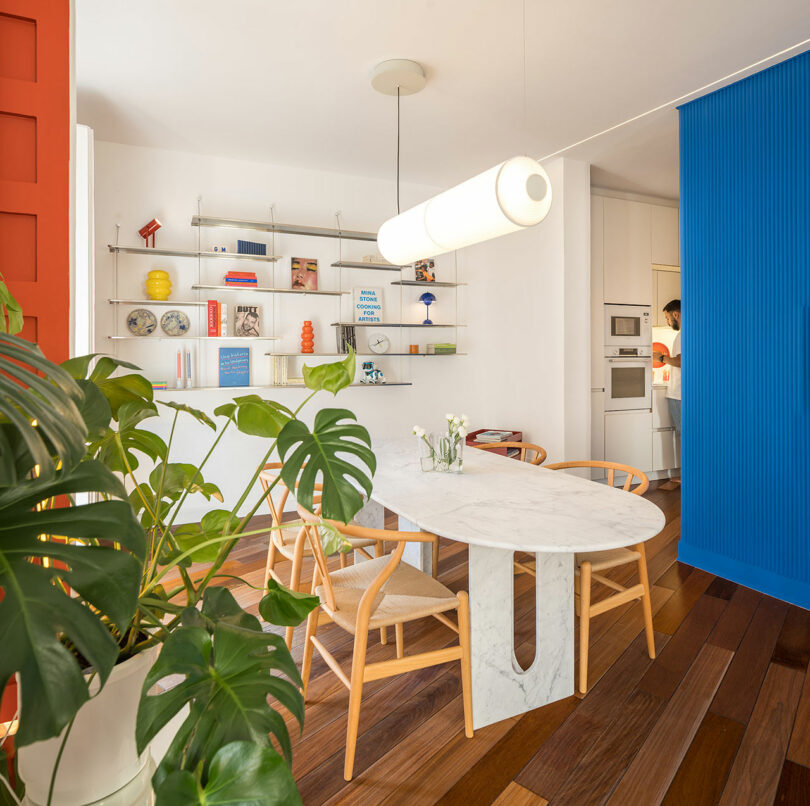
A defining characteristic of Casa EME is its bold and deliberate use of color. Upon entering, the space immediately reveals itself as a series of chromatic fields – full-height bursts of red, blue, and yellow that inject the apartment with both clarity and a distinct personality. This strategy moves beyond mere decoration, employing color as a fundamental spatial device, echoing a "Bauhaus-adjacent sensibility." The Bauhaus movement, originating in Germany in the early 20th century, championed functionalism, minimalist forms, and the integration of art and craft with technology. Its principles often included the use of primary colors to define spaces and elements, emphasizing clarity, order, and visual impact.
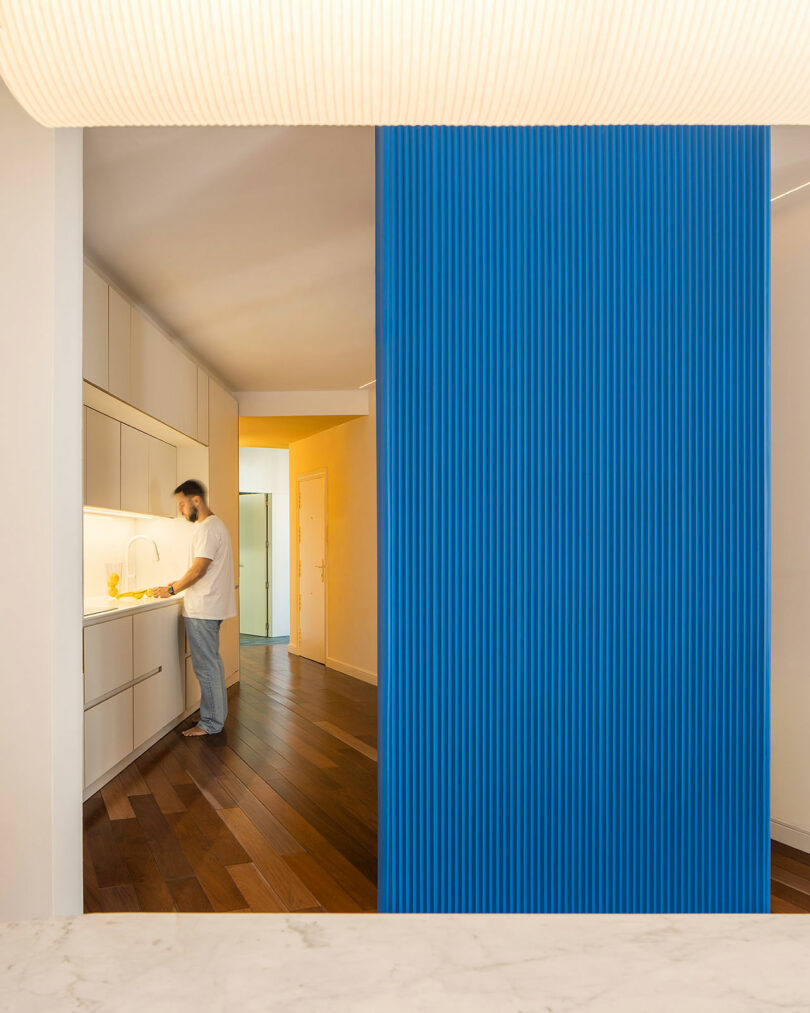
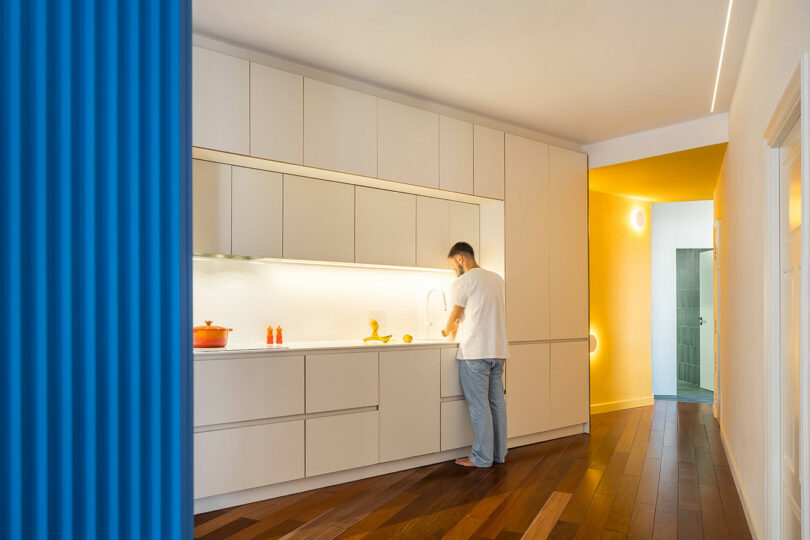
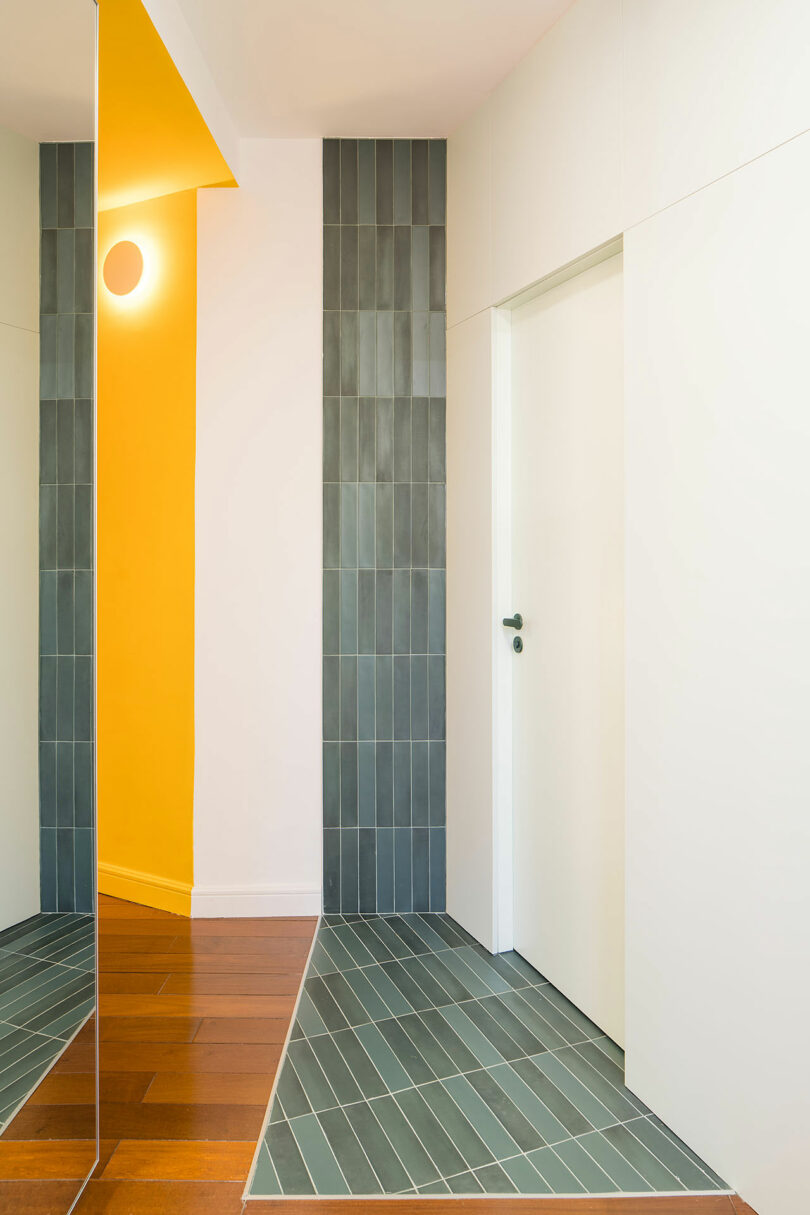
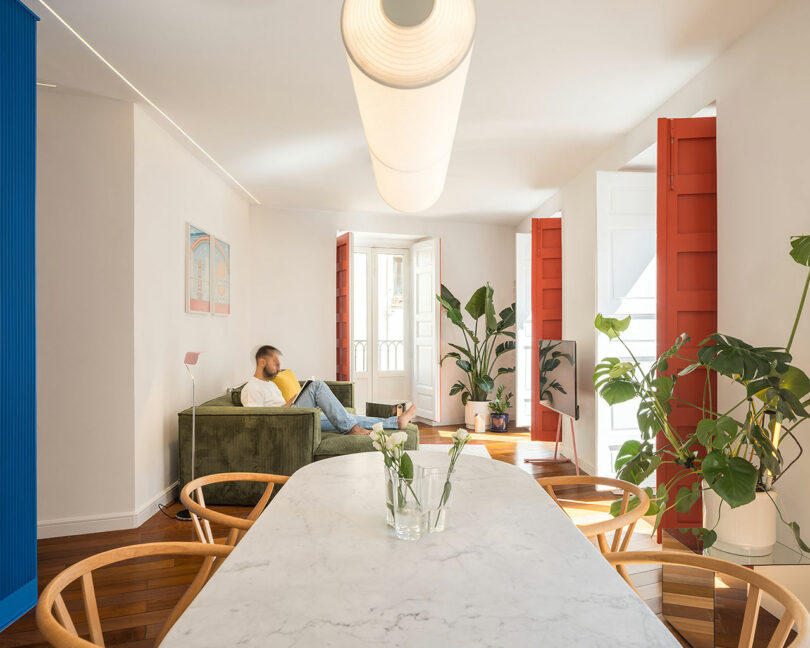
In Casa EME, gon architects apply this principle with remarkable effectiveness. Scarlet doors, for instance, are not merely entry points but dynamic elements that swing open in a "butterfly-like gesture," visually extending the interior toward the historic streetscape. This vibrant red reinforces the home’s connection to Madrid’s spirited identity, creating a palpable link between the private dwelling and its public environment. Similarly, a vivid yellow corridor compresses the entry sequence, transforming what might have been a mundane threshold into a deliberate hinge between the apartment’s public and private zones. This compression creates an immediate sensory experience, preparing the occupant for the unfolding domestic narrative.
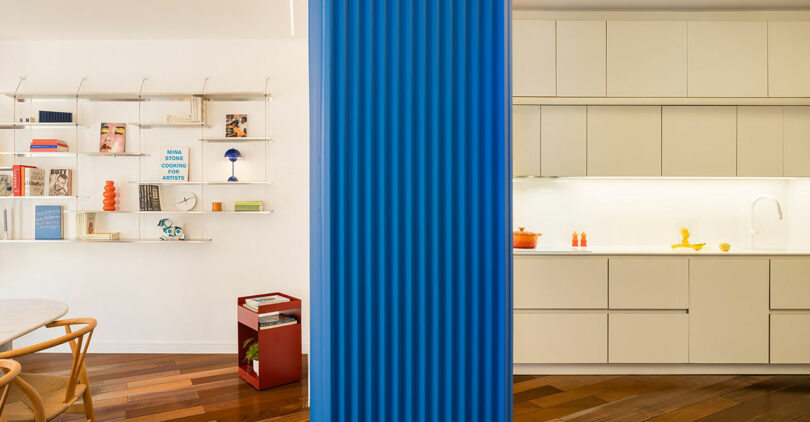
A textured, blue-clad volume serves as another powerful chromatic anchor. This element not only defines the living area but also subtly improves acoustics, a critical consideration in open-plan spaces, especially in historic buildings where sound transmission can be a challenge. It functions simultaneously as an object of visual interest and a subtle divider, demonstrating how color, texture, and rhythm can articulate boundaries more effectively than traditional walls. The architects’ mastery lies in their ability to make rooms feel defined and distinct without being enclosed, fostering a sense of openness and connectivity throughout the home.
The Heart of the Home: A Culinary and Social Nexus
Central to the reorganized plan is the kitchen, which has been strategically placed to become the undisputed social heart of Casa EME. This relocation reflects a contemporary understanding of the kitchen as more than just a functional area for food preparation; it is a space for gathering, interaction, and communal experience. For Manuel, a passionate cook, this emphasis is particularly significant. His culinary endeavors are designed to be part of the home’s lived architecture, transforming meals into shared events within a beautifully orchestrated setting.
The kitchen features soft, integrated cabinetry that maintains a minimalist aesthetic while offering ample storage. This seamless integration ensures that the functional aspects of the kitchen do not detract from its role as a social hub. The choice of materials and finishes further enhances this balance, creating an inviting yet sophisticated atmosphere. The careful placement and design of the kitchen underscore the architects’ commitment to creating spaces that intuitively support the "cadence of daily life," accommodating activities from cooking and hosting to resting and quiet contemplation.
Echoes of the Past: Material Memory and Thoughtful Preservation
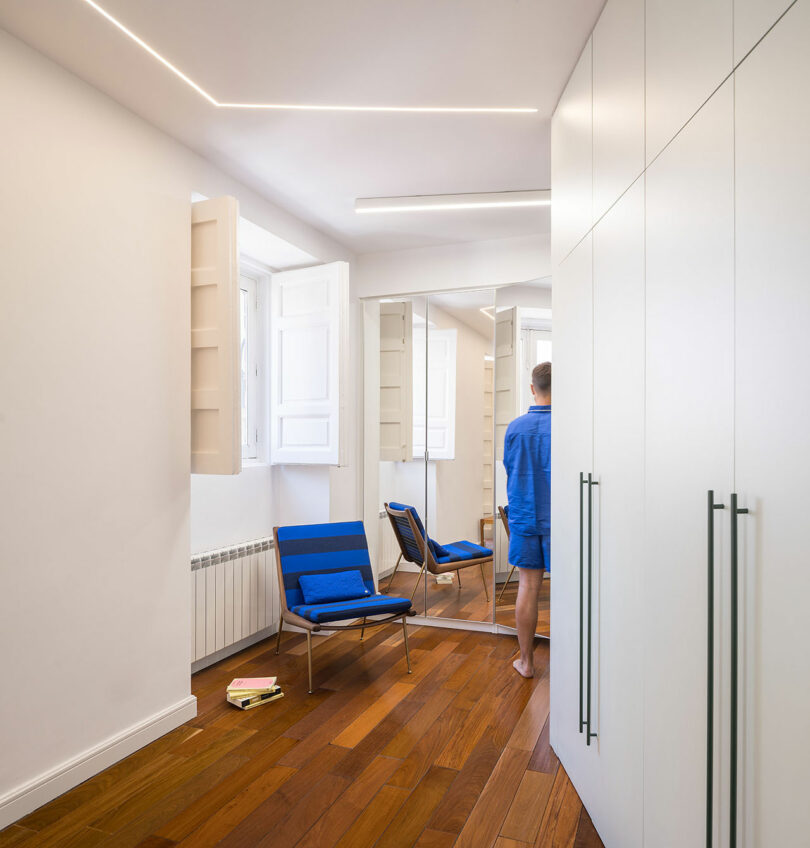
One of the most compelling aspects of Casa EME is its nuanced approach to preserving the apartment’s original character. The decision to retain the existing IPE wood flooring in its entirety serves as a powerful testament to this philosophy. IPE, a dense and durable South American hardwood, is renowned for its resilience and rich, dark tones. By preserving this continuous wooden surface throughout the apartment, the architects have effectively created a "material memory," grounding the project in its historical timeline. The visible marks of use and age on the IPE floor are not concealed but celebrated, allowing the imperfections to tell a story of past lives and adding a layer of authenticity and warmth to the modern intervention.
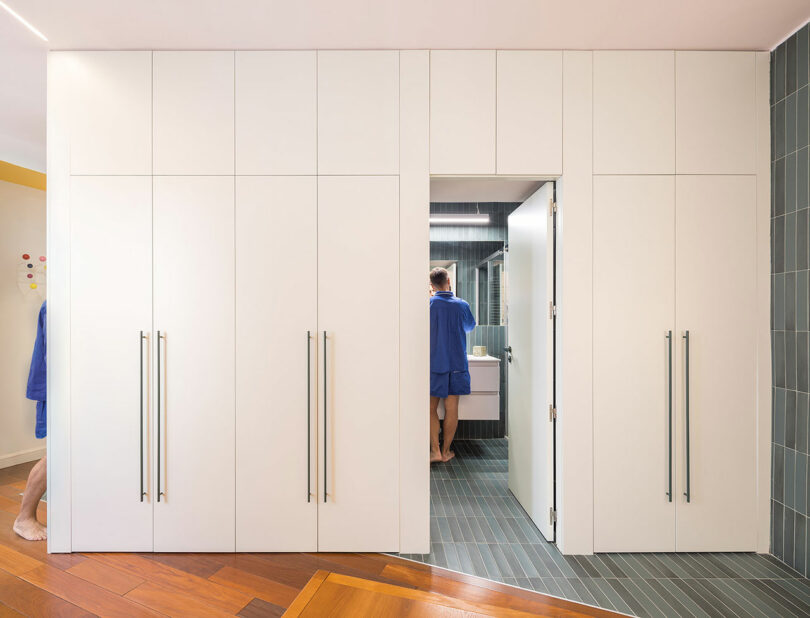
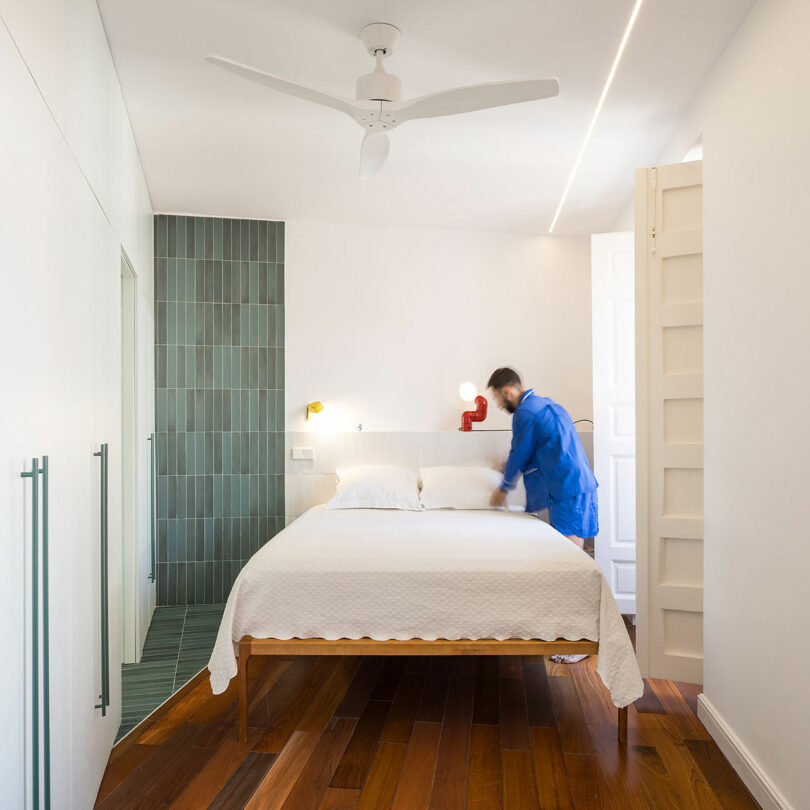
This reverence for the past extends to more subtle details. In a stroke of "roguery," as the architects playfully describe it, tile from the bathroom deliberately extends outward into adjacent spaces, crossing its expected boundary. This "ceramic footprint" acts as a visible trace of what once was, a subtle rupture in the otherwise continuous floor that marks time as much as it does space. Rather than erasing the apartment’s past, gon architects have allowed it to remain legible, creating an engaging dialogue between different eras. In the bedroom, this ceramic element reappears alongside green-toned surfaces, evoking an "almost exterior landscape" and softening the transition between the private rituals of bathing and rest. This thoughtful integration of old and new materials creates a unique textural and historical depth.
Strategic Contrasts and Fluid Transitions
The design of Casa EME is characterized by its strategic use of contrast, which sharpens the overall experience of the space. The architects masterfully employ "spatial binaries"—compressed and open, warm and cool, saturated and neutral—to guide movement and perception. The vivid yellow entry corridor, for example, creates a sense of compression that then gives way to the more open living areas. The warmth of the IPE wood flooring softens the more saturated interventions, grounding the vibrant chromatic elements in a sense of continuity and warmth.
Transitions throughout the home are marked by shifts in color and material, providing great clarity without resorting to rigid boundaries. The absence of conventional doors in many areas means that movement is mediated instead by these subtle changes in hue, texture, and light. This "choreography of thresholds" engages sight, touch, and perception, transforming mundane circulation into a sequence of deliberate experiences. The effect is anything but rigid; rather, it cultivates a delicate balance between precision and ease, where every design choice feels considered yet never overdetermined.
Beyond Aesthetics: Functionality and Human-Centric Design
Beyond its striking aesthetic, Casa EME is a triumph of human-centric functionality. Integrated storage solutions are seamlessly woven into the architecture, with long, unbroken white walls concealing closets and even the entrance to the bathroom. This strategic concealment maintains a sense of visual calm and uncluttered spaciousness, while accommodating the practical necessities of daily life. The design cleverly anticipates and addresses the need for storage in urban living environments, where space is often at a premium.
Elsewhere, furnishings are treated as independent entities, floating freely within the plan rather than being fixed or built-in. A table, a sofa, and shelving form a "loose constellation," allowing for flexibility in arrangement and use. This approach fosters a dynamic and adaptable living environment, capable of evolving with the resident’s needs and preferences. The blue-clad volume’s subtle acoustic improvements further exemplify the architects’ commitment to enhancing the qualitative aspects of the living experience, addressing comfort and well-being alongside visual appeal. The overall design actively supports the resident’s intuitive shifts between different activities, from focused work to social interaction to peaceful repose.
Implications and Legacy
Casa EME stands as a compelling case study for sensitive urban renovation, particularly within historically significant contexts. Its design philosophy, which embraces material memory, strategic color application, and a humanist approach to spatial organization, offers valuable insights for architects and urban planners grappling with similar challenges. The project demonstrates that it is possible to modernize a historic dwelling without sacrificing its soul, instead enriching it with a contemporary layer that respects and enhances its legacy.
The work by gon architects contributes significantly to the contemporary architectural discourse on adaptive reuse, color theory in spatial design, and human-centric living. It underscores the potential for existing urban structures to be reimagined as vibrant, functional homes that resonate with personal history and broader cultural narratives. Casa EME is not merely an apartment; it is a meticulously crafted environment that fosters a deep connection between its occupant, its immediate surroundings, and the enduring spirit of Madrid. This harmonious blend of the historical and the contemporary positions Casa EME as a benchmark for future projects seeking to infuse old-world charm with cutting-edge design.
Conclusion
With its confident use of color, thoughtful material choices, and innovative spatial recalibration, Casa EME achieves a rare harmony where each element stands distinctly on its own while contributing to a larger, cohesive vision. The project serves as a vibrant testament to the power of design to evoke memory, facilitate modern living, and celebrate the rich tapestry of urban history.
To learn more about Casa EME and other projects by the studio, visit gonarchitects.com.
Photography courtesy of gon architects.







