
 Indra Kusuma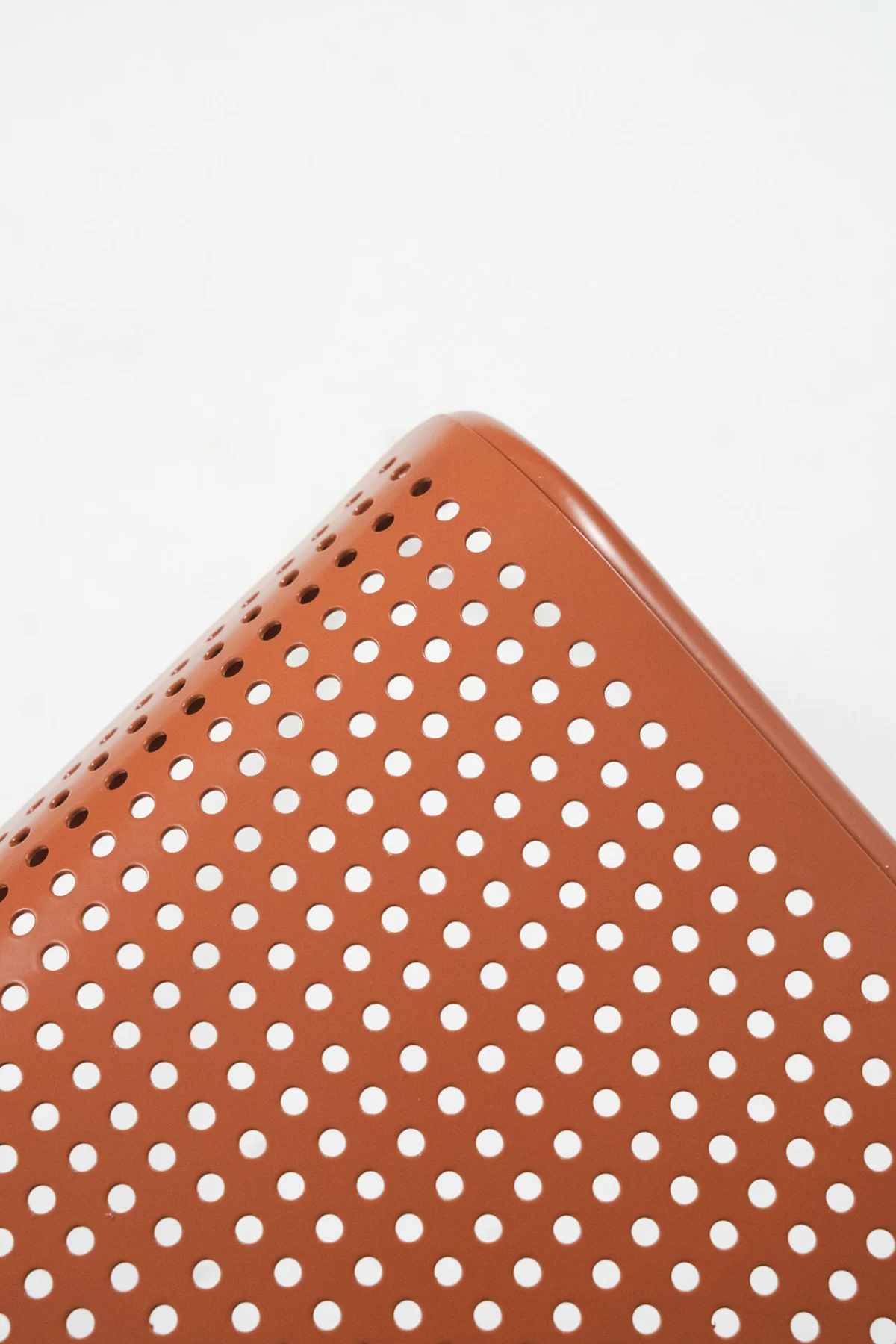
The concept of stability, often sought but rarely fully grasped in contemporary life, finds a tangible and elegant expression in the Settecento Chair by Argentine designer Leonardo Liendo. This innovative piece of furniture, far from merely offering a place to sit, embodies a philosophical stance on enduring strength and consistent design, serving as a welcoming anchor amidst the dynamism of modern existence. In an era marked by rapid change and ephemeral trends, the Settecento Chair stands as a testament to the power of thoughtful design to provide balance and a sense of calm, echoing the timeless human desire for solidity.
Historical Context and Design Lineage
The genesis of the Settecento Chair is deeply rooted in a dialogue with design history, specifically drawing inspiration from one of the 20th century’s most iconic pieces: Gio Ponti’s 699 Superleggera. Introduced by Cassina in 1957, the Superleggera (meaning "super light") revolutionized chair design through its minimalist form and groundbreaking use of ash wood, weighing a mere 1.7 kilograms. Ponti’s vision was to create a chair so light it could be lifted with a single finger, yet robust enough for everyday use. This achievement was a culmination of extensive experimentation, reducing the structural elements to their absolute essentiality, using a triangular cross-section for the legs to maximize strength while minimizing material. The Superleggera quickly became a symbol of post-war Italian design, celebrated for its elegant simplicity, innovative engineering, and democratic appeal, making high design accessible and functional.
Liendo’s Settecento Chair respectfully acknowledges this formidable predecessor, translating its core principles of lightness, structural integrity, and recognizable silhouette into a distinctly modern vernacular. Where Ponti championed wood, Liendo embraces steel, thereby reimagining familiar typologies through a contemporary lens and creating unique structural "vertices" that are entirely his own. This material shift is not merely aesthetic; it represents a fundamental re-evaluation of strength, durability, and manufacturing possibilities in the 21st century. By choosing steel, Liendo challenges preconceived notions of what a lightweight, elegant chair can be, pushing the boundaries of material application while preserving the spirit of his inspiration.
The Design Philosophy of Leonardo Liendo

Leonardo Liendo, based in Córdoba, Argentina, has established a design practice characterized by a unique balance between experimental processes and a meticulous sensitivity to form and function. His work is often described as possessing clear logic, where each piece immediately communicates its purpose with distinct clarity. The Settecento Chair exemplifies this philosophy, showcasing Liendo’s commitment to creating objects that bridge the warmth of tradition with the freshness of modernity. It is an object that feels both deeply familiar, almost remembered from a collective design consciousness, and simultaneously newly resolved, offering a contemporary answer to enduring design questions.
Liendo’s approach to design is not simply about creating new forms but about refining and reinterpreting existing ones, imbuing them with renewed relevance and functionality. The Settecento Chair, through its deliberate engagement with Ponti’s legacy, highlights Liendo’s understanding that true innovation often stems from a profound appreciation of historical precedents, allowing designers to build upon established excellence rather than starting from a vacuum. This intellectual rigor, combined with an aesthetic sensibility, positions Liendo as a significant voice in contemporary design, one who prioritizes purposeful creation over fleeting trends.
Material Innovation and Manufacturing Precision

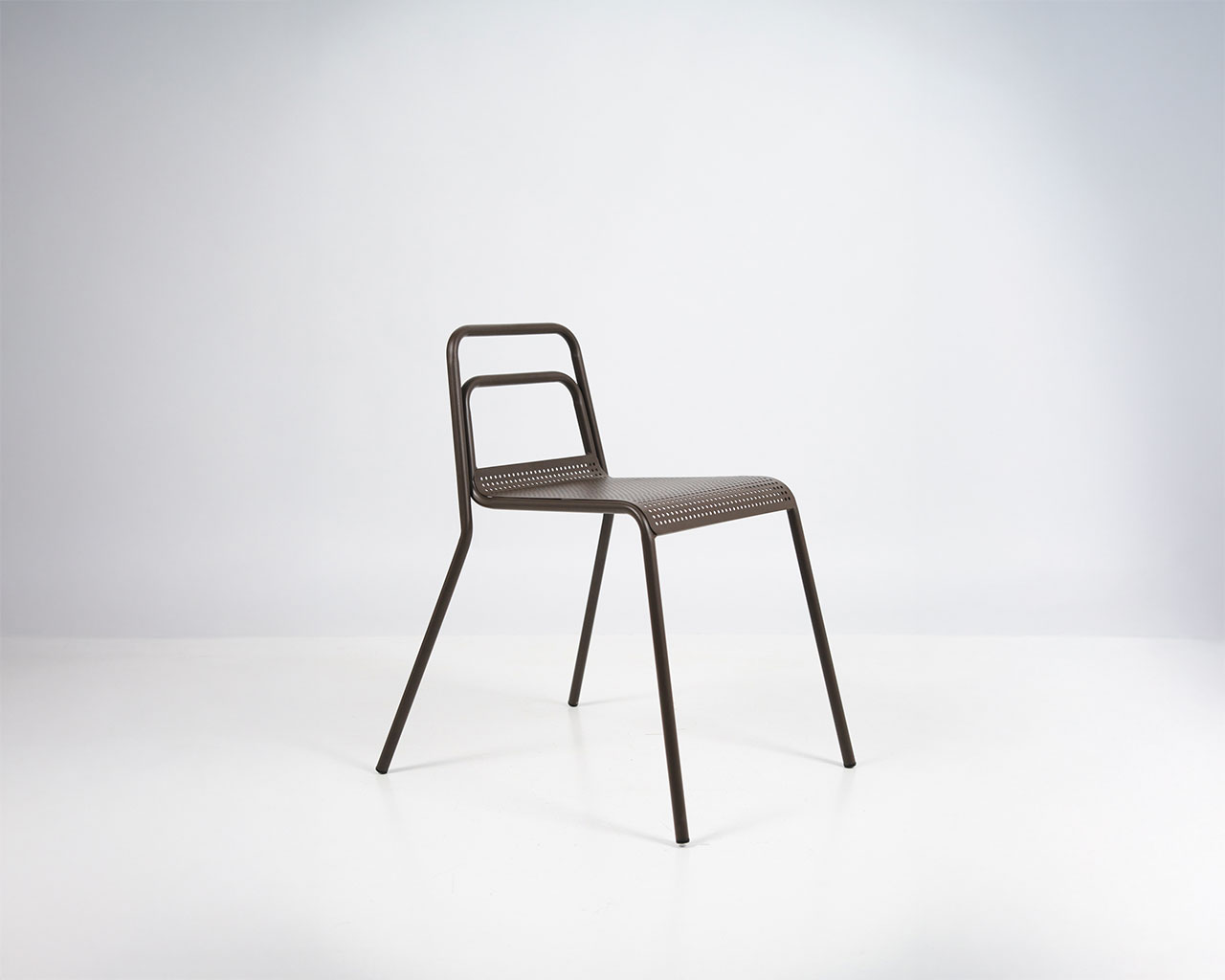
The choice of steel as the primary material for the Settecento Chair is central to its identity and performance. Unlike the Superleggera’s wooden frame, Liendo utilizes two continuous curved steel tubes to form both the legs and the backrest. This approach reduces the overall structure to its most essential gesture, maintaining a clear and recognizable silhouette that is both elegant and robust. Steel, with its inherent strength and malleability, allows for a minimalist profile that would be challenging to achieve with wood without compromising durability. The continuous curve not only provides structural integrity but also contributes to the chair’s visual fluidity, creating an impression of seamlessness and grace.
Further enhancing the chair’s modern character and functional attributes is its perforated seat, crafted using CNC laser-cutting technology. This advanced manufacturing technique allows for precise, intricate patterns that would be difficult or impossible to achieve with traditional methods. The perforations serve multiple purposes: they significantly lessen the overall weight of the chair, contributing to its "super light" ethos, while also adding a charming transparency to its aesthetic. Functionally, these openings offer crucial ventilation and drainage, making the Settecento Chair equally at home in diverse environments, from indoor dining rooms to outdoor patios. This versatility expands the chair’s appeal and utility, reflecting a contemporary lifestyle that blurs the lines between interior and exterior spaces.
The integration of CNC technology underscores a broader trend in modern manufacturing, where digital precision meets industrial craft. This blend allows designers like Liendo to achieve complex geometries and optimized material use, pushing the boundaries of what is possible in furniture production. The result is a product that benefits from the efficiency and accuracy of machine processes, while still embodying the thoughtful intent and refined aesthetics typically associated with artisanal creations.

Ergonomics and User Interaction
A subtle yet significant nod to Ponti’s iconic design language is found in the Settecento Chair’s backrest, which features double bars instead of a singular one. This seemingly minor detail is a testament to Liendo’s meticulous attention to ergonomics and user interaction. The double bars distribute weight more evenly, enhancing comfort and stability for the sitter. Furthermore, by placing these bars closer together, Liendo has optimized the leverage point for handling the chair, allowing for greater ease and accessibility in use.
This thoughtful design consideration transforms the act of moving or adjusting the chair from an effortful task into a second nature interaction. The result is an object that feels intuitive in the hand as much as it does stable beneath the body, fostering a seamless relationship between the user and the furniture. This focus on intuitive interaction aligns with contemporary design principles that prioritize user experience and accessibility, recognizing that a truly well-designed object anticipates and responds to human needs without requiring conscious effort. The Settecento Chair, therefore, is not just a static object but an active participant in the daily rhythm of life, designed to facilitate ease and comfort.

Color Palette and Material Honesty
The aesthetic versatility of the Settecento Chair is further amplified by its range of multiple powder-coated colors. Powder coating is a highly durable and environmentally friendly finishing process that provides a resilient surface, making the chair virtually indestructible against scratches, fading, and corrosion. This choice of finish underscores the chair’s commitment to longevity and low maintenance, essential qualities for both residential and commercial applications.
Liendo has curated a sophisticated palette that balances contemporary trends with timeless appeal. The four distinct colors offered are:

- Caffè: A deep, rich brown that evokes warmth and sophistication, reminiscent of classic furniture hues.
- Terracotta: A warm, earthy brown with reddish undertones, reflecting natural elements and adding a touch of rustic charm.
- Pistacchio: A vibrant, yellow-leaning green that introduces a fresh, playful, and contemporary accent. This color choice speaks to a broader trend towards incorporating more natural and invigorating tones into interior and exterior spaces.
- Metallo: A clear gloss lacquer that serves a unique purpose. Rather than concealing the material, it preserves the integrity of the steel while revealing its inherent material honesty. This transparent finish allows the raw beauty of the steel to shine through, celebrating the industrial origins and structural elegance of the chair. It appeals to those who appreciate authenticity and the intrinsic aesthetic qualities of materials.
This carefully selected color range allows the Settecento Chair to integrate seamlessly into diverse design schemes, from minimalist modern to more eclectic environments. Each color option contributes to the chair’s overall narrative, offering a distinct personality while maintaining its core design integrity.
Local Production and Global Impact
A significant aspect of the Settecento Chair’s identity lies in its origin: it is designed and produced entirely in Argentina. This commitment to local manufacturing reflects a growing global trend towards celebrating regional craftsmanship and supporting local economies. The production process involves a delicate balance between industrial precision and a hands-on sensibility. Each component is bent, welded, and assembled with meticulous care, reinforcing a dynamic dialogue between machine processes and the indispensable human touch.

This blend of high-tech manufacturing and skilled artisanal work is a hallmark of quality and attention to detail. It allows Liendo to maintain strict control over the production standards, ensuring that each chair meets his exacting specifications. Furthermore, local production minimizes supply chain complexities and can reduce the environmental footprint associated with long-distance transportation, aligning with contemporary values of sustainability and responsible consumption.
The Settecento Chair’s Argentine origin also positions it within a vibrant and evolving global design landscape. Latin American design, often characterized by a fusion of European influences, indigenous traditions, and a pragmatic approach to material innovation, is gaining increasing recognition on the international stage. Liendo’s work, by embodying these characteristics, contributes to this growing narrative, showcasing the region’s capacity for producing world-class design that is both culturally resonant and globally competitive.
Broader Implications and The Future of Design

The Settecento Chair by Leonardo Liendo is more than just a piece of furniture; it is a thoughtful commentary on the state of contemporary design and its trajectory. Its core message of "stability" resonates deeply in a world grappling with constant flux. The chair’s design, manufacturing, and philosophical underpinnings offer several broader implications for the design industry and consumers alike:
- Reinterpretation as Innovation: The chair demonstrates that true innovation does not always mean inventing entirely new forms, but often lies in the thoughtful reinterpretation of existing classics. By drawing inspiration from Gio Ponti, Liendo highlights the enduring power of good design and the potential for new materials and technologies to breathe fresh life into established typologies. This approach fosters a continuity in design history, allowing contemporary pieces to engage in a meaningful dialogue with their predecessors.
- Durability and Sustainability: In an era increasingly concerned with environmental impact and planned obsolescence, the Settecento Chair’s emphasis on durability, low maintenance, and material honesty positions it as a sustainable choice. Its "virtually indestructible" nature, combined with a timeless aesthetic, promotes longevity, counteracting the throwaway culture and encouraging consumers to invest in pieces that will last.
- The Blend of Craft and Technology: The chair’s production in Argentina, balancing industrial precision with human touch, exemplifies a harmonious integration of advanced technology and traditional craftsmanship. This model offers a blueprint for how design can leverage the efficiency of machines while retaining the soul and quality imparted by skilled human hands.
- Democratic Design: Like Ponti’s Superleggera, Liendo’s Settecento aims for a certain democratic appeal through its versatility, durability, and functional elegance. While a designer piece, its robust nature and adaptability for indoor/outdoor use make it accessible to a wider range of applications and lifestyles.
- Globalized Design Dialogue: Designed and produced in Argentina, yet drawing from Italian design history and appealing to a global aesthetic, the Settecento Chair underscores the increasingly interconnected nature of the design world. It demonstrates how regional talent can contribute significantly to the international discourse, enriching the global design tapestry with unique perspectives and local expertise.
In conclusion, the Settecento Chair by Leonardo Liendo stands as a compelling example of how contemporary design can offer both aesthetic pleasure and profound meaning. It is a piece that provides not just physical support, but also a conceptual anchor, inviting users to find their own moment of stability in a rapidly evolving world. Through its meticulous craftsmanship, innovative material use, and thoughtful homage to design history, the Settecento Chair solidifies its place as a significant contribution to modern furniture, an object that feels both remembered and newly resolved, promising enduring relevance for years to come.
To learn more about the Settecento Chair by Leonardo Liendo, visit leonardoliendo.com.

Photography by Sofia Quiroga.







