
 Ali Ikhwan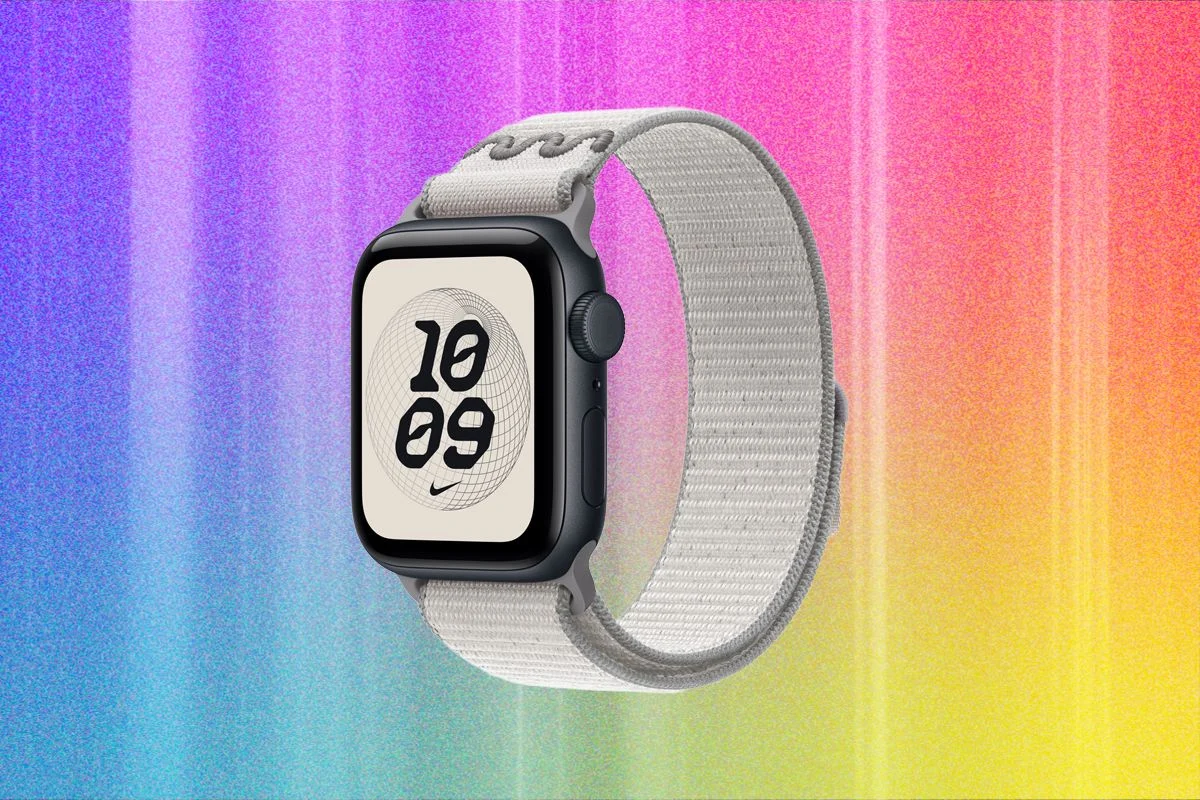
Since the initial release of the Apple Watch in April 2015, the device has evolved from a nascent wearable experiment into the most popular timepiece in the world, commanding a significant portion of the global smartwatch market. This success is not solely a result of internal hardware iterations but is deeply rooted in the ecosystem of modularity Apple created through its proprietary lug system. By allowing users to swap bands in seconds, Apple transformed a high-tech gadget into a versatile fashion accessory capable of transitioning from high-intensity interval training to formal evening events. The secondary market for Apple Watch bands has since expanded into a multi-billion-dollar industry, ranging from five-dollar silicone replicas to luxury designer collaborations costing hundreds of dollars.
The fundamental challenge for the modern Apple Watch user lies in balancing aesthetic appeal with functional performance. While the standard silicone sport bands provided with most models are durable and waterproof, they often lack the sophistication required for professional or formal environments. Conversely, high-end leather or metal link bracelets, while visually striking, often fail to provide the breathability and weight distribution necessary for athletic pursuits. Industry experts and long-term testers have identified a select group of bands that successfully bridge these gaps through innovative material science and ergonomic design.
The Evolution of the Apple Watch Band Ecosystem
The chronology of Apple Watch accessories reflects broader trends in the consumer electronics and fashion industries. In 2015, the original lineup focused heavily on traditional watch aesthetics, featuring the Link Bracelet and the Milanese Loop. However, as the Apple Watch pivoted toward health and fitness, the demand for breathable, sweat-resistant materials surged. This led to the 2017 introduction of the Sport Loop, a hook-and-loop fastener made from double-layer woven nylon.
By 2020, Apple introduced the Solo Loop and Braided Solo Loop, removing clasps entirely to prioritize comfort. The most significant shift occurred in 2022 with the launch of the Apple Watch Ultra, which introduced specialized bands—the Alpine Loop, Trail Loop, and Ocean Band—designed for extreme environments. In 2023, Apple made a high-profile move toward sustainability by discontinuing leather accessories in favor of "FineWoven" materials, a decision that met with mixed reviews from consumers but signaled a definitive shift toward the company’s "Apple 2030" carbon-neutral goal.

Leading Performers for Everyday and Athletic Use
For the majority of users, the "everyday" band must be lightweight, breathable, and easy to adjust. The Nike Sport Loop has emerged as a gold standard in this category. Constructed from a blend of recycled polyester, Spandex, and nylon, the band utilizes a double-layer weave with dense loops on the skin side that provide soft cushioning while allowing moisture to escape. Data from long-term durability tests suggest that these bands maintain their elasticity for several years, provided they are regularly cleaned to remove salt buildup from perspiration.
In the realm of high-performance materials, titanium has become a focal point for premium third-party manufacturers. The Nomad Stratos Band represents a significant advancement in this sector. Designed to complement the rugged aesthetic of the Apple Watch Ultra while remaining compatible with standard Series models, the Stratos utilizes Grade 4 titanium hardware treated with a Diamond-Like Carbon (DLC) coating for scratch resistance. The inclusion of FKM fluoroelastomer links—a high-performance rubber that is both antimicrobial and resistant to oils—provides a level of flexibility that traditional metal link bracelets lack. The use of N52 magnets in the clasp, reinforced by a manual release button, ensures that the watch remains secure during vigorous movement, a common failure point for magnetic-only closures.
Innovation in Silicone and Synthetic Materials
While silicone is often viewed as a budget material, recent innovations have elevated its status. The Moft Snap Duo Watch Band utilizes food-grade, non-toxic silicone with a pebbled finish designed to mimic the texture of leather. This hybrid approach offers the aesthetic of a dress band with the waterproof utility of a sport band. One of the primary innovations in this product is the bidirectional connector, which allows the user to flip the band to reveal different colorways, effectively offering four distinct looks in a single purchase.
Supporting data on wearable comfort indicates that adjustability is the most critical factor for heart rate monitoring accuracy. If a band is too loose, the optical sensors on the back of the watch lose contact with the skin; if it is too tight, it can restrict blood flow and cause discomfort. The shift toward magnetic and hook-and-loop fasteners addresses this by allowing for "micro-adjustments" that traditional buckle-and-tang systems cannot achieve.
The Intersection of Luxury and Craftsmanship
Despite Apple’s move away from leather, the demand for high-quality hides remains strong in the third-party luxury market. Brands like Konsu NYC continue to cater to users who value traditional horological craftsmanship. Their Moher Green band, for instance, utilizes top-grain calfskin leather reinforced with a proprietary thin fiber core claimed to be 15 times stronger than steel. This structural reinforcement prevents the leather from stretching over time—a common issue with cheaper leather straps.

At the highest end of the spectrum is the Hermès collaboration, which remains the pinnacle of Apple’s fashion-first strategy. The Hermès Kilim Single Tour Band, priced at approximately $350, targets a demographic that views the Apple Watch as a piece of jewelry rather than a mere utility. Made from high-performance fluoroelastomer with a "deployment buckle" (a folding clasp commonly found on luxury Swiss watches), the Kilim band offers a tactile experience that justifies its premium for collectors. Market analysts suggest that these luxury partnerships are essential for Apple to maintain its status in the premium watch segment, where brand heritage often outweighs technical specifications.
Specialized Designs and Niche Market Growth
As the Apple Watch user base has diversified, niche designs have emerged to satisfy specific subcultures. The Western-themed collaboration between Wrangler and WithIt Gear illustrates this trend. By utilizing materials like calf hair and turquoise-studded links, these bands appeal to a demographic that traditionally felt underserved by the minimalist tech aesthetic.
Furthermore, the "Milanese" style has seen a resurgence with the introduction of titanium versions. The Apple Milanese Titanium Band, launched alongside the Ultra 2, features a parachute-style buckle that provides a secure mechanical lock. This design is particularly favored in professional settings where the metallic mesh provides a more "executive" appearance than nylon or silicone.
Technical Analysis of Durability and Maintenance
A fact-based analysis of band longevity reveals that material choice dictates the maintenance schedule. Nylon and polyester bands, such as the Sport Loop, are prone to absorbing odors and skin oils. Laboratory testing suggests that hand-washing these bands every two weeks is necessary to maintain hygiene. Conversely, metal bands with PVD (Physical Vapor Deposition) or DLC coatings are highly resistant to environmental degradation but can be susceptible to "desk diving" scratches—fine abrasions caused by contact with laptop surfaces.
Fluoroelastomer, used in Apple’s official Sport Bands and the Nomad Stratos, remains the most chemically stable material available for wearables. Unlike standard silicone, which can become "sticky" or "shiny" as it breaks down, fluoroelastomer maintains its matte finish and structural integrity for years.
-Apple-Watch-Accessory-Reviewer-Photo-SOURCE-Adrienne-So.jpg)
Broader Impact on the Wearable Industry
The success of the Apple Watch band ecosystem has forced competitors like Samsung and Google to adopt similar quick-release mechanisms, though none have achieved the same level of third-party saturation. The environmental implications of this industry are also significant. With millions of bands produced annually, the shift toward recycled materials is a necessary response to the growing problem of e-waste and textile pollution.
Official responses from accessory manufacturers indicate an increasing focus on "backward compatibility." Apple has maintained the same lug attachment mechanism since 2015, ensuring that a band purchased for the original 38mm watch will still fit the modern 42mm Series 10. This consistency has created a rare "long-tail" market for accessories, where products do not become obsolete with each new hardware generation.
In conclusion, the selection of an Apple Watch band is a balance of science and style. Whether prioritizing the lightweight breathability of a Nike Sport Loop for endurance training or the Grade 4 titanium of a Nomad Stratos for professional durability, the modern consumer has access to a level of customization previously unseen in the history of watchmaking. As materials continue to evolve—moving toward carbon neutrality and enhanced durability—the Apple Watch band will remain a critical component of the user experience, defining how the world’s most popular wearable fits into the daily lives of its owners.







