
 Indra Kusuma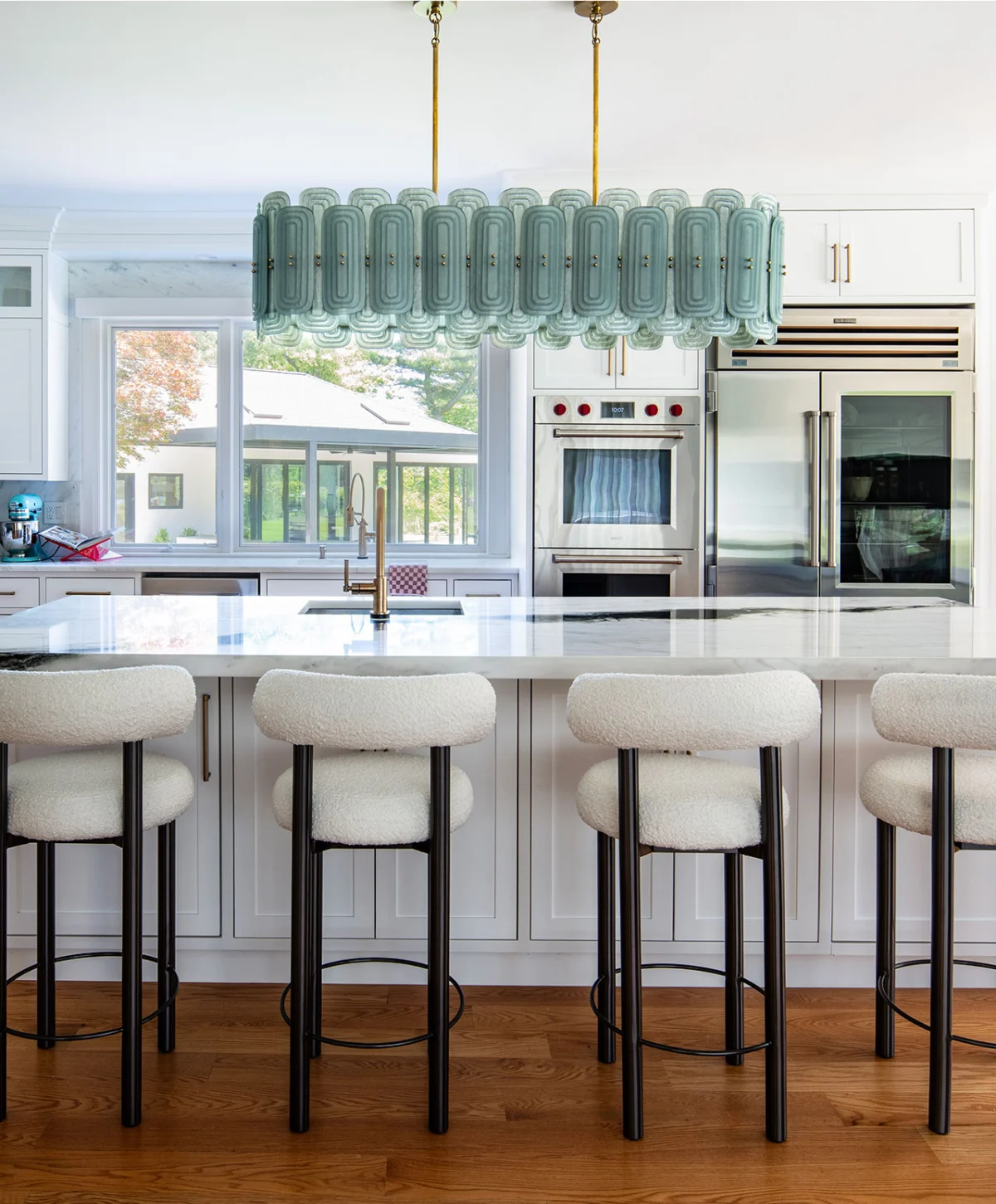
For the better part of a decade, the world of interior design, fashion, and even architecture has been largely defined by an aesthetic dubbed "quiet luxury." Characterized by restrained palettes, hushed materials, and statement pieces that whisper rather than shout, this trend has dominated luxury spaces, prioritizing a serene, almost monastic calm achieved through the absence of vibrant color. However, a groundbreaking project by Shanna Gatanis Design Studio on Long Island offers a compelling counter-narrative, positing that true calm and profound well-being can be found not in color’s absence, but in its exuberant abundance. This newly unveiled 12,000-square-foot contemporary residence is a vibrant declaration: joy as a core design principle, and color as a powerful tool for emotional reset and resilience.

The Paradigm Shift: From Quiet Luxury to Vibrant Expression

The "quiet luxury" trend, often associated with a post-2008 economic climate and a desire for understated sophistication, gained further traction in recent years as consumers sought refuge from an increasingly chaotic world. Influenced by Scandinavian minimalism and Japanese wabi-sabi philosophies, it manifested in interiors featuring expansive white walls, natural wood tones, muted greys and beiges, and bespoke furnishings that eschewed overt branding in favor of impeccable craftsmanship and subtle textures. From the serene, almost invisible interiors of high-end penthouses to the "stealth wealth" fashion prevalent on runways, this aesthetic suggested that true luxury lay in discretion and a refined, almost austere sense of calm. Data from market research firms specializing in luxury real estate and interior design consistently showed a preference for neutral schemes in high-value properties, with designers often advising clients against bold color choices to maintain broad appeal and perceived timelessness.

However, a growing sentiment among a segment of luxury consumers suggests a fatigue with this pervasive neutrality. For many, the quietude, initially a sanctuary, began to feel like silence, a lack of personal expression, or even emotional suppression. This Long Island home directly addresses this emerging desire for spaces that actively uplift and engage the senses, rather than merely soothe them. It represents a significant departure from the prevailing design dogma, signaling a potential shift towards a more expressive and personalized approach to luxury living.

Genesis of a Joyful Vision

Perched majestically atop a hill and embraced by a canopy of old-growth trees, the imposing 12,000-square-foot structure was initially conceived with a starkly minimalist ethos. Its architectural bones, defined by clean lines, sharp angles, and an all-white interior, were a textbook example of the era’s dominant aesthetic. The potential for a gallery-like existence, however, fell short for its owners—a dynamic family deeply woven into the cultural fabric of New York City. For them, the meticulously crafted neutrality of the space, rather than offering a desired sanctuary, felt sterile and devoid of the vitality that characterized their lives. Their brief to Shanna Gatanis Design Studio was unequivocal and, in the context of contemporary luxury design, profoundly radical: they desired a home that didn’t just contain life, but actively radiated happiness.

Given a veritable blank canvas and entrusted with complete creative freedom, Shanna Gatanis embarked on a subversive design journey. Her studio’s approach was not to merely inject color, but to entirely re-envision the home’s emotional infrastructure. The goal was to transform the stark architectural shell into a saturated, high-energy environment that, paradoxically, still managed to feel deeply restorative and profoundly grounding. This ambitious project, therefore, became an exercise in calibration rather than chaos, a bold declaration that joy, when thoughtfully articulated, can provide as much stability and comfort as stillness.

A Symphony of Color: Design as Emotional Infrastructure

At the heart of Gatanis’s transformative design lies a profound philosophy: color is not merely decorative; it is a fundamental component of emotional infrastructure, a potent tool for influencing mood and fostering resilience. This philosophy is meticulously woven into every fiber of the Long Island home. The immediate and visceral impact of bright hues is leveraged to uplift and energize, creating spaces that actively contribute to the inhabitants’ well-being. This approach aligns with extensive research in environmental psychology, which demonstrates the powerful, albeit often subconscious, effects of color on human emotion, behavior, and even cognitive function. For instance, blues are often associated with calmness and stability, greens with nature and renewal, yellows with optimism and energy, and reds with passion and vitality.

The specific palette for this project draws inspiration from an unexpectedly vibrant triumvirate: the bold graphics and raw energy of 1990s hip-hop ephemera, the dynamic chromaticism of retro sports aesthetics, and the truly unique starting point—the vivid, recycled hues of a Nike sneaker floor. This eclectic mix imbues the home with a sense of playful nostalgia and authentic cultural resonance. Blues, deployed strategically throughout the residence, serve as an anchoring force, providing a pervasive sense of depth, continuity, and tranquility, akin to the sky or ocean. These foundational blues are then punctuated by a rhythmic interplay of saturated reds, yellows, and greens. These energetic accents move through the interiors like visual beats, energizing each space without ever overwhelming the senses. The careful balance ensures that the vibrancy stimulates rather than fatigues, creating a dynamic yet harmonious flow.

This design is a deliberate and direct rejection of what art critic David Batchelor famously termed "chromophobia"—a deep-seated cultural fear of color that has, for centuries, dictated what is considered "tasteful" in Western aesthetics. Chromophobia often manifests as a preference for monochrome or muted palettes, equating sobriety with sophistication and vibrancy with vulgarity or childishness. The Long Island home proudly defies this convention, embracing color for its inherent power to reflect mood, amplify joy, and even invite active participation and engagement from its occupants. It’s a space that doesn’t shy away from being seen and felt, but rather celebrates the full spectrum of human experience through its visual language.

Material Intelligence and Tactile Narratives

The masterful equilibrium achieved between the home’s striking vibrancy and its overall sense of refinement is a testament to an astute understanding of material intelligence. Shanna Gatanis Design Studio carefully selected a diverse array of textures and finishes that, in combination, create layers of tactility and visual interest, preventing the saturated palette from becoming overwhelming or chaotic. Warm woods, such as rich walnuts or lighter oaks, introduce an organic warmth and grounding presence, counterbalancing the cooler tones and providing a natural anchor. Terrazzo, with its composite nature and embedded fragments of marble, quartz, glass, and shell, offers a sophisticated yet playful speckled texture that adds depth and a subtle retro flair.

Colored glass, utilized in elements like decorative orbs in the entryway or bespoke lighting fixtures, introduces a luminous quality, allowing light to play through hues and cast dynamic reflections. Lacquered surfaces, from cabinetry to accent furniture, provide a sleek, contemporary sheen that reflects light and amplifies the richness of the colors. These varied materials contribute to an immersive sensory experience. To further temper the intensity and introduce a sense of softness and fluidity, sheer fabrics are employed for window treatments, diffusing natural light and creating a gentle, ethereal ambiance. Rounded, 1970s-inspired forms in furniture and architectural details – from curved sofas to circular mirrors – also play a crucial role. These softer contours provide a comforting contrast to the home’s original sharp, minimalist angles, creating a more inviting and visually harmonious environment. The overall effect is a design that is undeniably vibrant and emotionally charged, yet perfectly palatable and immensely livable for the rigors and joys of daily life.

Experiential Living: Beyond Aesthetics

Beyond its captivating aesthetic, the Long Island home is programmatically designed to be both a dynamic playground and a serene retreat, blurring the lines between living space and an immersive experiential environment. The 12,000-square-foot footprint allows for a deliberate flow that caters to diverse family needs and social interactions. Expansive, open-plan entertainment zones, ideal for large gatherings and lively celebrations, transition seamlessly into more intimate family spaces, providing cozy nooks for quiet reflection or close-knit activities. This intelligent zoning ensures that the home can adapt to various moods and functions, fostering both connection and privacy.

The amenities within and around the property are thoughtfully curated to extend the very idea of home into something truly experiential and enriching. An indoor basketball court offers an active outlet for recreation and fitness, while a dedicated music lounge provides a haven for creative expression and entertainment. Multiple pools, both indoor and outdoor, offer opportunities for relaxation and aquatic enjoyment regardless of the season. A convertible outdoor room exemplifies the home’s adaptability, seamlessly transitioning between an open-air pavilion and an enclosed space, allowing the family to fully embrace Long Island’s changing seasons. These integrated facilities ensure that the home is not merely a place of residence but a comprehensive ecosystem for living, playing, and thriving.

Personal Narratives and Cultural Resonance

What truly elevates this project beyond a mere spectacle of color and innovative materials is its deep integration of personal narrative, transforming the space into a vivid autobiography of its inhabitants. Throughout the home, moments of delight are strategically placed, often with a playful and unexpected twist. A fireplace, crafted to resemble stacked Lego bricks, rises as a sculptural focal point, injecting a sense of childhood wonder and creative ingenuity into a formal living area. This playful element serves as a conversation starter and a symbol of the family’s youthful spirit.

Perhaps most striking is a bespoke graffiti mural, a vibrant homage that skillfully weaves together iconic imagery and cultural touchstones. It pays tribute to Brooklyn, the birthplace of so much cultural influence, to the legendary Biggie Smalls, a titan of 1990s hip-hop, and to the enduring passion of basketball, a sport deeply ingrained in New York culture. This mural is more than just street art; it’s a visual love letter to the family’s roots, their passions, and their identity. While these gestures might initially be perceived as whimsical or purely decorative, they transcend mere ornamentation. They become powerful markers of identity, tangible expressions of memory, and anchors of belonging. They imbue the grand scale of the home with an intimate, deeply personal resonance, making it uniquely theirs. This thoughtful infusion of personal stories and cultural touchstones ensures that the home is not just beautiful, but profoundly meaningful.

Implications for Contemporary Design

The "Joyful Long Island Home" by Shanna Gatanis Design Studio holds significant implications for the trajectory of contemporary interior design. It serves as a powerful testament to the evolving desires of luxury clients, signaling a potential shift away from the pervasive "quiet luxury" towards a more expressive, personalized, and emotionally intelligent approach. This project suggests that the next wave of high-end design may prioritize authenticity, individual narrative, and the psychological impact of spaces over understated elegance alone.

Firstly, it validates the idea that bold color, far from being a design risk, can be a sophisticated and grounding element when handled with expertise. It encourages designers and clients alike to reconsider "chromophobia" and embrace the full spectrum of emotional possibilities that color offers. Secondly, the project underscores the growing importance of experiential design in residential contexts. Homes are increasingly expected to be multifaceted environments that cater to a wide range of activities, from high-energy recreation to quiet contemplation, seamlessly integrated into the overall aesthetic. Finally, and perhaps most crucially, this home champions the integration of personal narrative and cultural references as central to luxury design. It moves beyond generic opulence to create spaces that are deeply autobiographical, reflecting the unique stories, passions, and identities of their inhabitants. This approach transforms a house into a truly bespoke sanctuary that resonates on a profound emotional level.

In conclusion, the Long Island residence stands as a vibrant beacon, offering a compelling vision for the future of luxury living. It challenges the long-held notion that calm is exclusively found in muted tones and hushed environments. Instead, it eloquently argues that tranquility, joy, and a deep sense of belonging can be discovered by fully embracing the world in all its technicolor glory. This pioneering project by Shanna Gatanis Design Studio is not merely about decorating a space; it’s about dialing up the saturation on life itself, proving that a home can be both a luxurious haven and a joyful, resonant autobiography.

Photography courtesy of nickjohnsoninteriors.com.







