
 Indra Kusuma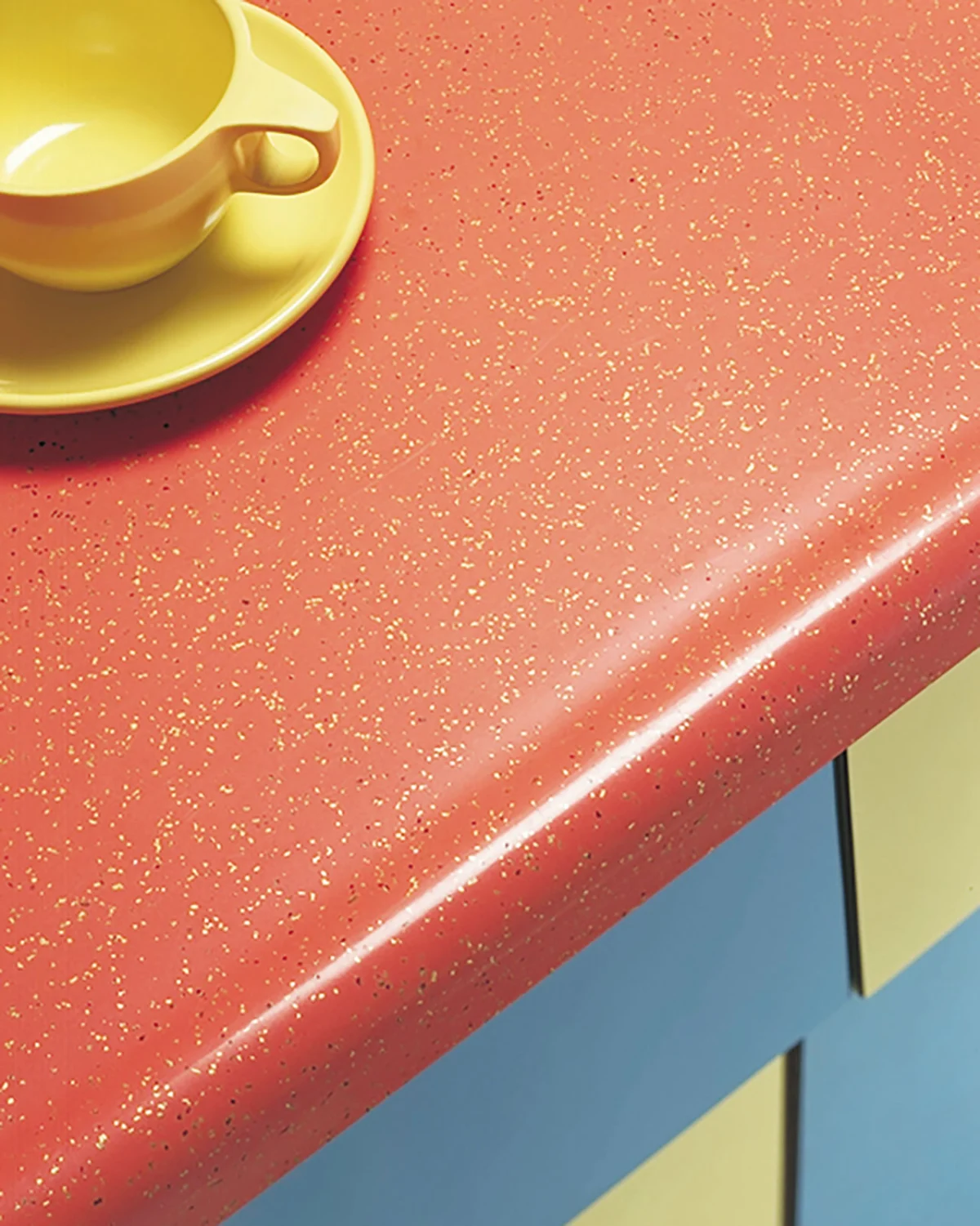
As engineered surfaces manufacturer Wilsonart commemorates its 70th anniversary this year, attention is once again drawn to Wilson House, the unique residence and product showcase meticulously constructed by the company’s visionary founder, Ralph Wilson, Sr. This architectural gem, located in Temple, Texas, not only served as the Wilson family home but also as a dynamic laboratory for the groundbreaking laminate products that would define Wilsonart’s seven decades of industry leadership.
A Legacy Forged in Texas: The Genesis of Wilsonart
The journey of Wilsonart began in 1956 when Ralph Wilson, Sr., a determined entrepreneur, relocated from California to Temple, Texas. Recognizing the burgeoning post-World War II housing boom and the growing demand for durable, affordable, and aesthetically pleasing interior surfaces, Wilson founded the Ralph Wilson Plastics Company. His foresight identified a significant market gap for high-pressure decorative laminates (HPDL) that could offer both robust performance and design versatility, a stark contrast to the limited options available at the time. The choice of Temple, a city with a strategic location in the heart of Texas, provided access to essential resources and a burgeoning regional market, setting the stage for the company’s future growth. This foundational period was characterized by an entrepreneurial spirit focused on innovation and a relentless pursuit of product excellence.
Wilson House: A Living Laboratory of Mid-Century Design
Completed in 1959, just three years after the company’s inception, Wilson House was more than just a family dwelling; it was the physical embodiment of Ralph Wilson Sr.’s experimental ethos. He envisioned a home where his products could be rigorously tested in real-world conditions, allowing for immediate adjustments and refinements. Kate Grossman, Vice President of Marketing and Design at Wilsonart, aptly describes it as "a living piece of history" that "tells the story of laminate and Wilsonart." This approach to product development, integrating the design and testing phases directly into the lived environment, was remarkably advanced for its time and underscored Wilson’s deep commitment to quality and user experience. The house served as a tangible proof of concept, demonstrating laminate’s potential not just as a utilitarian material but as a versatile design element capable of enhancing modern living spaces.

Architectural Vision: Bonnie Wilson’s Contribution
The design of the 3,000-square-foot, three-bedroom residence was entrusted to Wilson Sr.’s daughter, Bonnie, a decision that highlights the family’s integral role in the company’s early development. Bonnie’s design skillfully blended the practicality of ranch-style architecture with the clean lines and open concepts characteristic of mid-century modernism. This architectural synthesis resulted in a home that felt both inviting and forward-thinking. Mid-century modern architecture, which flourished from the mid-1940s to the late 1960s, emphasized functionality, simplicity, and a seamless connection between indoor and outdoor spaces. Bonnie Wilson’s interpretation for Wilson House incorporated these principles, creating an environment where form and function coexisted harmoniously, and where the innovative use of materials, particularly laminate, could be prominently showcased. Her involvement underscores a broader trend of family-driven enterprise and the personal investment that often fueled pioneering businesses in post-war America.
The Material Revolution: Laminate’s Rise to Prominence
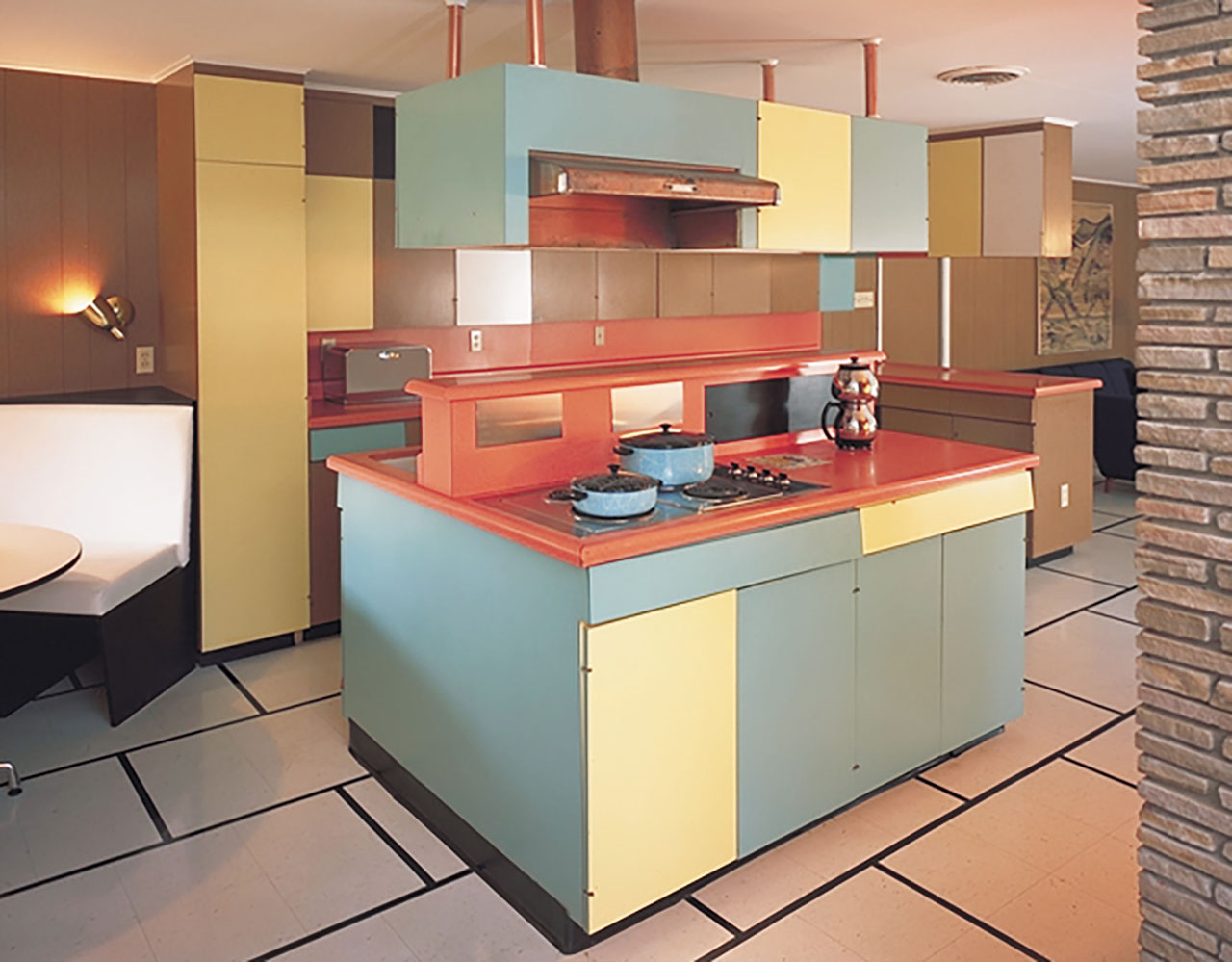
At the core of Wilson House’s design philosophy was the pervasive application of Wilsonart laminate. Ralph Wilson Sr. made sure his signature material was integrated into virtually every high-touch zone of the home, transforming it into a continuous exhibition of laminate’s capabilities. This was particularly evident in the kitchen, a central hub of domestic activity in the 1950s. The kitchen countertops were early examples of "post-forming," a revolutionary process where laminate sheets are heated and bent to create continuous, seamless curves from the top surface down to the vertical edge. This technique not only eliminated unsightly seams but also enhanced durability and ease of cleaning, offering a significant advantage over traditional countertop materials.

The ubiquity of laminate extended beyond the kitchen, appearing in the laundry area, bathrooms, and even, surprisingly, in the showers. This daring application challenged conventional perceptions of laminate as merely a surface material, pushing its boundaries into areas typically reserved for tile or stone. By demonstrating laminate’s resistance to moisture and wear in such demanding environments, Wilson Sr. effectively expanded its market potential and validated its engineering. The meticulous attention to detail in these applications, coupled with the functional benefits, showcased laminate as a truly versatile and resilient solution for modern homes.
Post-Forming and Practicality: Innovation in Action
The "post-forming" technique exemplified in Wilson House kitchens was a significant leap forward in laminate manufacturing. Prior to this innovation, countertops often featured sharp, vulnerable edges or required separate trim pieces, which could collect dirt and harbor moisture. Post-forming allowed for a continuous, seamless surface, significantly improving hygiene, aesthetics, and longevity. This process requires precise control over heat and pressure to bend rigid laminate sheets without cracking or delamination, a testament to Wilsonart’s early engineering prowess. The ability to create these smooth, rounded edges contributed to the sleek, modern aesthetic popular in mid-century design, while also offering practical advantages in daily use. This innovation not only elevated the functional performance of laminate but also its design credibility, making it a viable and attractive alternative to more expensive or less durable materials.

A Palette of Progress: Bold Colors and Organic Textures
Ralph Wilson Sr. was not content with the muted, neutral palettes often associated with functional materials of the era. Wilson House served as a vibrant testament to his appreciation for bold colors, demonstrating how laminate could be used to create dynamic and aesthetically rich interiors. A vibrant turquoise enlivened cabinet doors and wall art in the living room, while a sunny orange tint provided a cheerful pop on kitchen countertops and matching backsplashes. These deliberate color choices were ahead of their time, predicting contemporary design trends that favor personalized and expressive interior schemes.
Beyond bold hues, Wilson also incorporated laminate designs that mimicked natural woodgrains, adding an organic, grounding feel to the open interiors. This combination of vibrant solids and realistic wood patterns showcased laminate’s incredible versatility, allowing designers and homeowners to achieve diverse aesthetic goals without compromising on durability or cost-effectiveness. The strategic use of color and texture in Wilson House illustrated Wilsonart’s commitment to offering a comprehensive design palette, moving beyond mere utility to embrace the full spectrum of interior design possibilities.

The Wilson Family: First Testers and Brand Ambassadors
The most authentic test subjects for Wilsonart’s products were, undoubtedly, Ralph Wilson Sr.’s own family: his wife, Sunny, and their children. Living daily with the products in their home, they were the "ideal users," navigating the high-touch zones at all hours and inadvertently putting the materials’ durability to the ultimate test. Ralph Wilson Sr. regularly swapped out various elements, such as cabinet doors, experimenting with new iterations and formulations. This intimate, familial testing environment provided invaluable feedback, allowing for immediate adjustments and improvements based on genuine user experience. This hands-on, user-centric approach to product development was a hallmark of Wilsonart’s early years, fostering a culture of continuous improvement that remains central to the company’s operations today. The family’s active participation not only ensured the robustness of the products but also embedded a personal touch into the brand’s narrative, making the products truly "liveable," as Kate Grossman noted.
Preserving a Legacy: Wilsonart’s Commitment to History
Following Ralph Wilson Sr.’s passing, Wilsonart took a significant step to preserve its founder’s vision and the company’s heritage. In 1997, the company purchased Wilson House from Sunny Wilson, undertaking a meticulous restoration project to return the residence to its original 1959 appearance. This commitment to historical preservation underscored Wilsonart’s deep respect for its origins and the pioneering spirit of its founder. The restoration process involved careful research and craftsmanship to ensure that every detail, from the color palettes to the specific laminate patterns, accurately reflected the house’s original design. This effort was not merely about maintaining a building but about safeguarding a tangible piece of industrial design history and a symbol of continuous innovation.

National Recognition and Renewed Inspiration
The historical significance of Wilson House has not gone unnoticed. It is now proudly listed on the National Register of Historic Places, a testament to its architectural importance and its role in American industrial design. This national recognition elevates Wilson House beyond a corporate curiosity, firmly establishing it as a landmark worthy of preservation and study. Today, Wilson House is open to visitors by appointment, offering a unique educational experience for architects, designers, students, and enthusiasts of mid-century modernism and material innovation.
This renewed focus on Wilson House provides contemporary specifiers and designers with invaluable inspiration. It offers a fresh perspective on laminate, demonstrating its enduring aesthetic appeal and functional versatility. Grossman emphasizes that Ralph Wilson Sr. was "pushing it to its limits so that people could utilize it in different ways." She adds, "He believed in deeply liveable spaces, and he felt that laminate and the house provided an opportunity to show that." This philosophy continues to resonate, inspiring Wilsonart to explore new applications and designs for engineered surfaces. The house serves as a powerful reminder that innovative materials can create spaces that are both beautiful and highly functional, capable of standing the test of time.

The Broader Impact: Design, Durability, and Historical Significance
The 70th anniversary of Wilsonart and the enduring legacy of Wilson House carry significant implications for several sectors. For Wilsonart, the house reinforces its brand identity, showcasing a rich heritage rooted in innovation and quality. It serves as a powerful marketing tool, connecting the company’s present-day product lines to a storied past of pioneering material science and design. It also acts as an internal source of pride and inspiration for employees, reminding them of the foundational values instilled by Ralph Wilson Sr.
For the broader design industry, Wilson House challenges lingering misconceptions about laminate. By showcasing its aesthetic versatility, durability, and historical significance, it encourages contemporary designers to reconsider laminate as a sophisticated and sustainable option for various applications, from residential interiors to commercial spaces. The house stands as a compelling argument for the material’s ability to combine high performance with distinctive style.

In terms of historical preservation, Wilson House highlights the importance of recognizing and protecting sites that embody industrial innovation and specific design movements. It demonstrates that not all historic buildings need to be grand estates; everyday homes that pushed boundaries in material use and architectural style also hold immense cultural and historical value. Its inclusion on the National Register of Historic Places underscores a growing appreciation for mid-century modern architecture and the often-overlooked materials that defined the era.
Furthermore, Wilsonart’s journey over seven decades reflects the dynamic evolution of engineered surfaces. From basic utility to advanced decorative solutions, modern laminates now incorporate sustainable practices, utilizing recycled content and environmentally responsible manufacturing processes. This aligns with the forward-thinking spirit of Ralph Wilson Sr., who sought to provide high-quality, accessible materials for a better way of living. As Wilsonart continues to innovate, the principles embodied in Wilson House — durability, design flexibility, and a commitment to practical elegance — remain central to its mission.

Wilsonart’s 70th anniversary is not just a celebration of a company’s longevity; it is an affirmation of a legacy built on innovation, a testament to the transformative power of materials, and a vibrant reminder of how one man’s vision, manifested in a unique home, could shape an entire industry. Wilson House stands as a timeless monument to this enduring spirit, continuing to inspire and educate on the possibilities of engineered surfaces.
To learn more about what the brand has to offer, visit wilsonartengineeredsurfaces.com.

Photography courtesy of Wilsonart.







