Angie Faith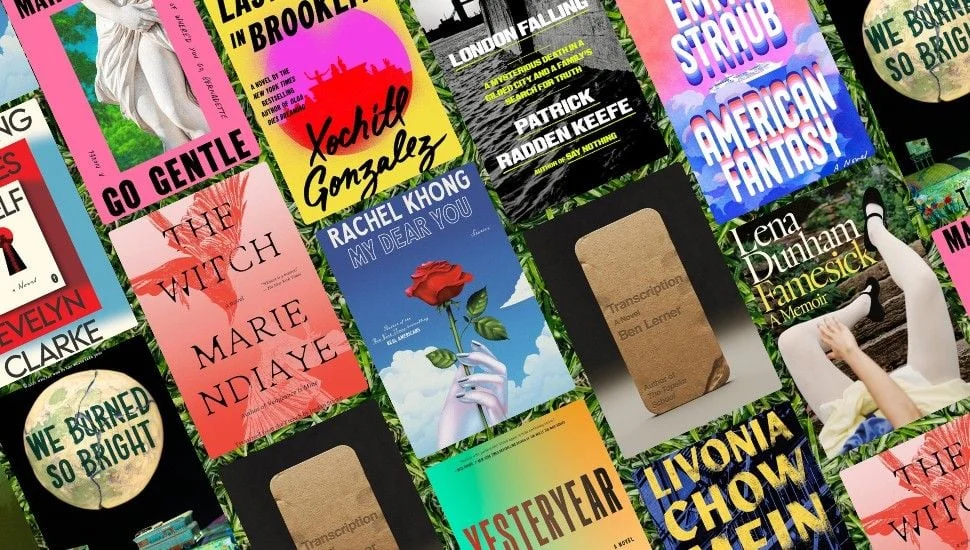
Publishing’s vibrant spring season officially blossoms in April 2026, a month poised to inundate readers with a wealth of new literary offerings. With a significant number of highly anticipated titles scheduled for release, particularly on April 7th, discerning the month’s definitive "It Book" presents a compelling challenge for literary enthusiasts and critics alike. To navigate this rich landscape, a comprehensive evaluation process, considering critical acclaim, thematic relevance, and potential cultural impact, will be employed to identify the standout release. This year’s contenders span a diverse range of genres and subjects, promising to engage a wide spectrum of readers and stimulate significant literary discourse.
A Multifaceted Literary Landscape Emerges
The selection of potential "It Books" for April 2026 encompasses a compelling array of narratives, each with the potential to resonate deeply with contemporary audiences. Among the frontrunners is Emma Straub’s latest novel, American Fantasy: A Novel, a work that ventures into the realm of nostalgia and rediscovery. The novel centers on a group of middle-aged women who embark on a cruise, reuniting with their cherished ’90s boy band. This premise taps into a powerful cultural current of shared memory and the enduring appeal of youthful idols, suggesting a narrative that explores themes of aging, friendship, and the persistent echoes of pop culture. The timing of such a novel, as demographic shifts continue to bring the millennial generation into midlife, indicates a timely exploration of personal and collective histories.
Complementing Straub’s exploration of nostalgia is Marie NDiaye’s The Witch: A Novel. This Booker International shortlisted work offers a more introspective and perhaps allegorical journey. Described as a novel about a "mediocre witch," the narrative promises to delve into the complexities of identity, power, and societal expectations, likely through a lens that subverts traditional archetypes. NDiaye’s established reputation for crafting intricate and psychologically astute prose suggests that The Witch will be a work of significant literary merit, capable of sparking nuanced discussions about representation and the nature of magic in a modern context. The inclusion of a Booker International shortlisted author underscores the global significance of literary innovation and the cross-cultural appeal of compelling storytelling.
Further diversifying the month’s literary offerings is Patrick Radden Keefe’s narrative nonfiction piece, London Falling: A Mysterious Death in a Gilded City and a Family’s Search for Truth. Keefe, known for his meticulous investigative journalism and compelling narrative style, turns his attention to a complex true-crime story set against the backdrop of London’s elite society. The promise of a deep dive into a mysterious death and a family’s quest for resolution positions this book as a potential critical success, appealing to readers who appreciate meticulously researched accounts that also possess the propulsive drive of a well-crafted narrative. The inherent drama and social commentary embedded within such a subject matter are likely to generate significant public interest and critical analysis.
Rounding out the prominent contenders are Rachel Khong’s My Dear You: Stories. Khong, a writer with a growing reputation for her insightful and evocative prose, presents a collection of short stories. The short story format, often a proving ground for literary talent, allows for a concentrated exploration of diverse themes and characters. A collection from a celebrated writer is expected to showcase a range of emotional depth and stylistic versatility, offering readers a series of distinct yet interconnected literary experiences. The critical reception of Khong’s previous work suggests that this collection will be a strong contender for critical acclaim and reader engagement.
The Selection Process: A Blend of Critical Acclaim and Cultural Resonance
The identification of the "It Book" of April 2026 will not be based on a singular metric but rather a multifaceted evaluation designed to capture the book’s potential to become a cultural touchstone. This process, while described humorously as "vibes-based," will incorporate several key journalistic considerations:
- Critical Reception: Early reviews from reputable literary critics, awards buzz, and inclusion in prestigious literary journals will be significant indicators of a book’s artistic merit and intellectual depth.
- Thematic Relevance: The extent to which a book addresses contemporary issues, resonates with current societal conversations, or offers a fresh perspective on enduring human experiences will be a crucial factor.
- Authorial Pedigree and Momentum: The established reputation of the author, their previous successes, and any existing literary momentum will be considered.
- Potential for Broader Discourse: The capacity of a book to spark conversations, generate debate, and influence cultural understanding will be a key determinant. This includes its potential for adaptation into other media, its ability to be discussed in book clubs, and its impact on broader literary trends.
- Market Impact and Sales Potential: While not the sole criterion, the anticipated commercial success and widespread availability of a book can indicate its reach and influence.
The collective release on April 7th, featuring novels by Straub and NDiaye, alongside Keefe’s nonfiction and Khong’s short stories, highlights a particularly dense period of literary output. This concentration of high-profile releases necessitates a rigorous comparison to determine which work will ultimately capture the public imagination and the critical spotlight.
Chronology of Anticipation: Leading Up to April 2026
The lead-up to April 2026 has been marked by strategic marketing campaigns and growing anticipation within literary circles. Publishers have been carefully curating their release schedules, with many earmarking April as a prime month for their most significant literary investments.
- Late 2025 – Early 2026: Advance reader copies (ARCs) of these prominent titles would have begun circulating among literary agents, reviewers, and influential book bloggers. This period is crucial for generating early buzz and securing pre-publication reviews. Publishers would have been actively pitching these books to major literary outlets and participating in pre-publication events.
- February – March 2026: Marketing efforts would have intensified. This would include targeted advertising, social media campaigns, author interviews, and potential early festival appearances or literary events. Publishers would be releasing official synopses, cover art, and engaging in pre-order campaigns to gauge reader interest. Literary journals and online platforms would begin publishing early reviews and features on the most anticipated titles.
- April 1, 2026: The official start of the month, with the preceding days likely seeing a final push for media attention and a surge in online discussion.
- April 7, 2026: The pivotal release date for a significant cluster of these "It Book" contenders. This day is anticipated to be a major event in the publishing calendar, with bookstores and online retailers featuring these titles prominently. The immediate aftermath of this date will be critical for observing initial sales figures and early reader reactions.
- Mid-April 2026: Critical reviews from major publications will begin to flood in, shaping public perception and influencing the trajectory of each book’s reception. Book clubs and literary discussions will likely begin to form around the most prominent titles.
- Late April 2026: The "It Book" of the month will likely begin to emerge as a consensus choice, based on a combination of critical consensus, reader engagement, and media attention. This period will also see the beginning of discussions about potential awards nominations for the year.
Supporting Data and Industry Context
The competitive nature of the April 2026 literary landscape is not an anomaly but rather a reflection of broader trends in the publishing industry. Publishers strategically concentrate their major releases during key seasons to maximize visibility and sales.
- Seasonal Publishing Cycles: Spring (March-May) and Fall (September-November) are traditionally the busiest periods for new book releases, especially for adult fiction and narrative nonfiction. These seasons are often targeted for major award contenders and holiday gift-giving periods.
- The "It Book" Phenomenon: The concept of an "It Book" is a recognized marketing and cultural phenomenon. Such books often drive significant sales, generate widespread media coverage, and can influence literary trends for months or even years. Examples include works that become book club sensations, are adapted into popular films or television series, or spark widespread social commentary.
- Impact of Digital Platforms: The rise of social media, online book communities (e.g., Goodreads, BookTok), and podcasting has amplified the "It Book" effect. These platforms allow for rapid dissemination of opinions and recommendations, quickly shaping public perception. The inclusion of podcast availability for discussions about these books underscores this trend.
- Affiliate Marketing: The presence of affiliate links in the original article indicates a common practice where content creators earn commissions on book sales generated through their recommendations. This practice highlights the commercial aspect of book promotion and its integration with online content.
Official Responses and Publisher Strategies
While direct "official responses" from publishers regarding the "It Book" competition are unlikely until the month concludes, their strategic decisions leading up to April offer insights. Publishers meticulously plan their campaigns to elevate their chosen titles.
- Advance Review Copies (ARCs): The distribution of ARCs to key reviewers and influencers is a standard strategy to generate early positive commentary. Publishers will likely have focused on securing reviews from prominent literary critics and publications for their lead titles.
- Marketing and Publicity Budgets: Significant financial investment in marketing and publicity is crucial for any book aiming for "It Book" status. This includes advertising, social media campaigns, author tours (virtual or in-person), and media outreach. Publishers of the leading contenders will have allocated substantial resources to these efforts.
- Pre-Order Campaigns: Encouraging pre-orders is a key indicator of reader enthusiasm and helps to establish a strong launch-day sales performance, which in turn can influence bestseller lists and media attention.
- Author Platforms: Leveraging the established platforms of authors like Emma Straub and Marie NDiaye is a core strategy. Their existing fan bases and critical reputations provide a strong foundation for generating initial interest. For newer voices like Rachel Khong, building on prior critical success is paramount.
- Narrative Framing: Publishers will be working with authors and publicists to craft compelling narratives around each book, highlighting its unique themes, literary significance, or timely relevance to capture media and reader attention.
Broader Impact and Implications
The emergence of a dominant "It Book" in April 2026 will have several ripple effects throughout the literary ecosystem and beyond.
- Literary Discourse: The chosen book will likely become a focal point for literary criticism, academic study, and public discussion. Its themes and stylistic choices will be dissected, debated, and potentially influence future literary trends.
- Reader Engagement: A successful "It Book" can introduce a wider audience to literary fiction, encourage reading habits, and foster a greater appreciation for contemporary literature. It can also serve as a gateway to discovering other works by the same author or within similar genres.
- Bookseller Influence: Bookstores, both independent and chain, will prominently feature the "It Book," influencing purchasing decisions and contributing to its sales momentum. This can also translate into increased foot traffic and sales for other titles.
- Adaptation Potential: Books that capture the public imagination often become candidates for film, television, or stage adaptations. The success of an "It Book" can significantly increase its value in the media rights market.
- Cultural Commentary: Beyond its literary merits, an "It Book" can become a barometer of the cultural zeitgeist, reflecting or challenging prevailing societal attitudes, anxieties, and aspirations. The themes explored in Straub’s nostalgia-driven cruise, NDiaye’s exploration of the marginalized, Keefe’s dive into societal undercurrents, and Khong’s nuanced storytelling all have the potential to spark broader cultural conversations.
In conclusion, April 2026 presents a rich and competitive field of literary contenders. The process of identifying the month’s "It Book" will involve a careful examination of critical reception, thematic resonance, authorial impact, and potential for broader cultural influence. The diverse offerings, from nostalgic journeys to introspective explorations and compelling true crime narratives, promise a dynamic and engaging month for readers and critics alike, underscoring the enduring power and evolving landscape of contemporary literature.