rifanmuazin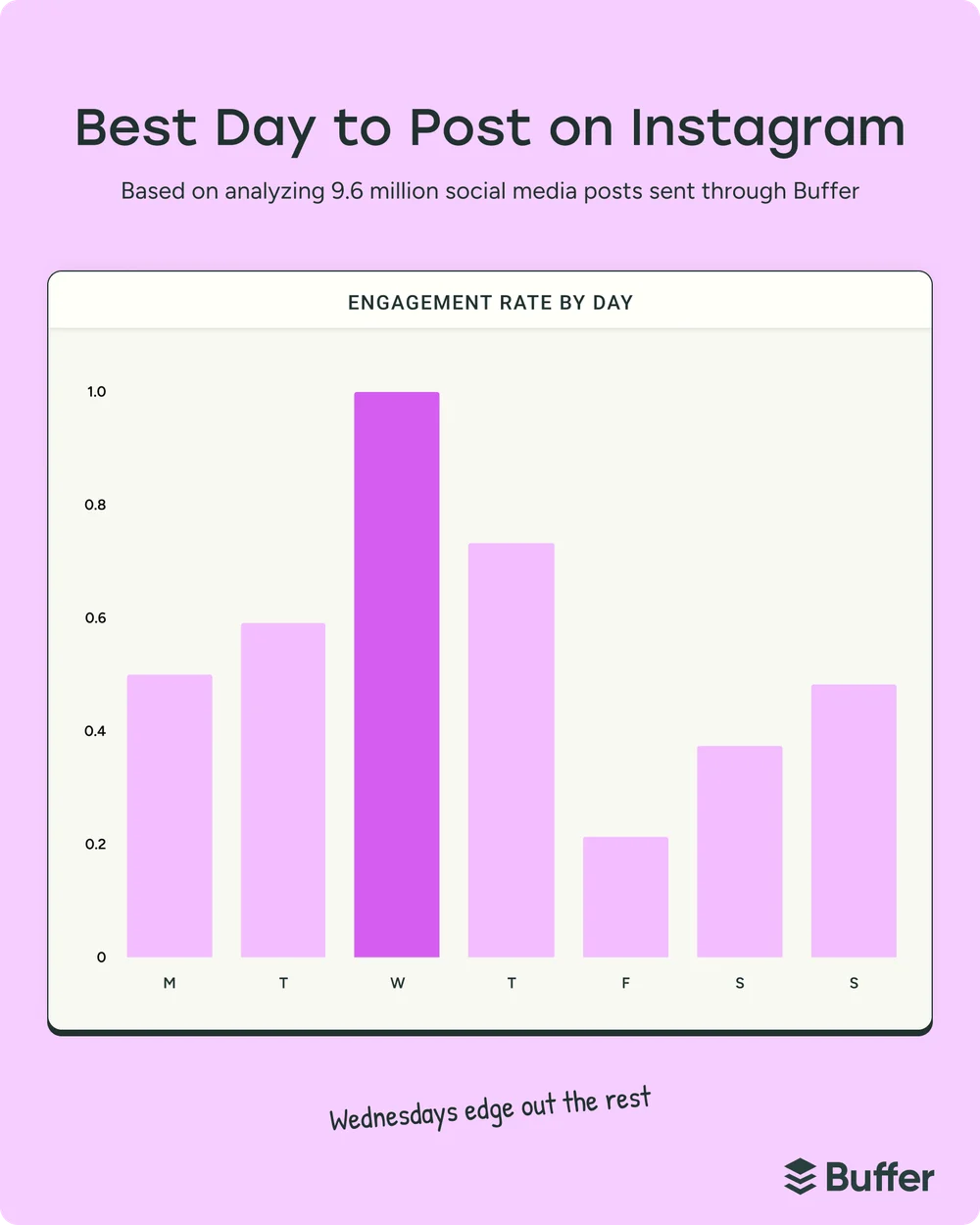
San Francisco, CA – A groundbreaking analysis by Buffer, a prominent social media management platform, has unveiled the most effective times to publish content across seven major social media platforms in 2026. The comprehensive study, part of Buffer’s annual "State of Social Media Engagement Report," meticulously examined over 52 million posts, offering data-backed recommendations crucial for digital marketers and content creators aiming to maximize their reach and engagement. While the research highlights distinct patterns for each platform, it also issues a vital caveat: timing, though influential, is merely one component of a successful social media strategy, with content quality and consistency remaining paramount.
The 2026 report builds on Buffer’s ongoing commitment to providing actionable insights into the ever-evolving landscape of social media. By leveraging advanced data science, the company has identified specific time slots that consistently yield the highest median engagement rates on Instagram, Facebook, Threads, LinkedIn, YouTube, TikTok, and X (formerly Twitter). The findings underscore the diverse nature of user behavior across these platforms, negating the existence of a single "best time" for all content.
Methodology and Context of the Annual Report
Buffer’s "State of Social Media Engagement Report" has become an anticipated annual benchmark for industry professionals. For the 2026 edition, Buffer’s data science team undertook an exhaustive analysis, sifting through a colossal dataset of over 52 million posts. This rigorous approach allowed for the identification of statistically significant engagement patterns, providing a robust foundation for the derived recommendations. The report’s methodology accounts for various engagement metrics, including likes, comments, shares, and views, to offer a holistic view of content performance.
"Our annual deep dive into social media engagement is more critical than ever as algorithms become increasingly complex and user habits fragment," stated Hailley Griffis, Buffer’s Head of Public Relations (inferred statement). "This year’s analysis, spanning tens of millions of posts, provides an unparalleled snapshot of optimal posting windows, helping marketers make informed decisions." The data scientist, referred to as "Bufferoo" in internal communications, further clarified that the recommended times are universally applicable, having undergone mathematical adjustments to correspond to local time zones worldwide, eliminating the need for complex conversions.
Key Findings: A Platform-Specific Breakdown
The report’s central revelation is the distinct optimal posting schedules tailored to each social media platform. These variations reflect the differing primary uses and audience demographics of each network, from professional networking on LinkedIn to entertainment on TikTok and news consumption on X and Threads.
-
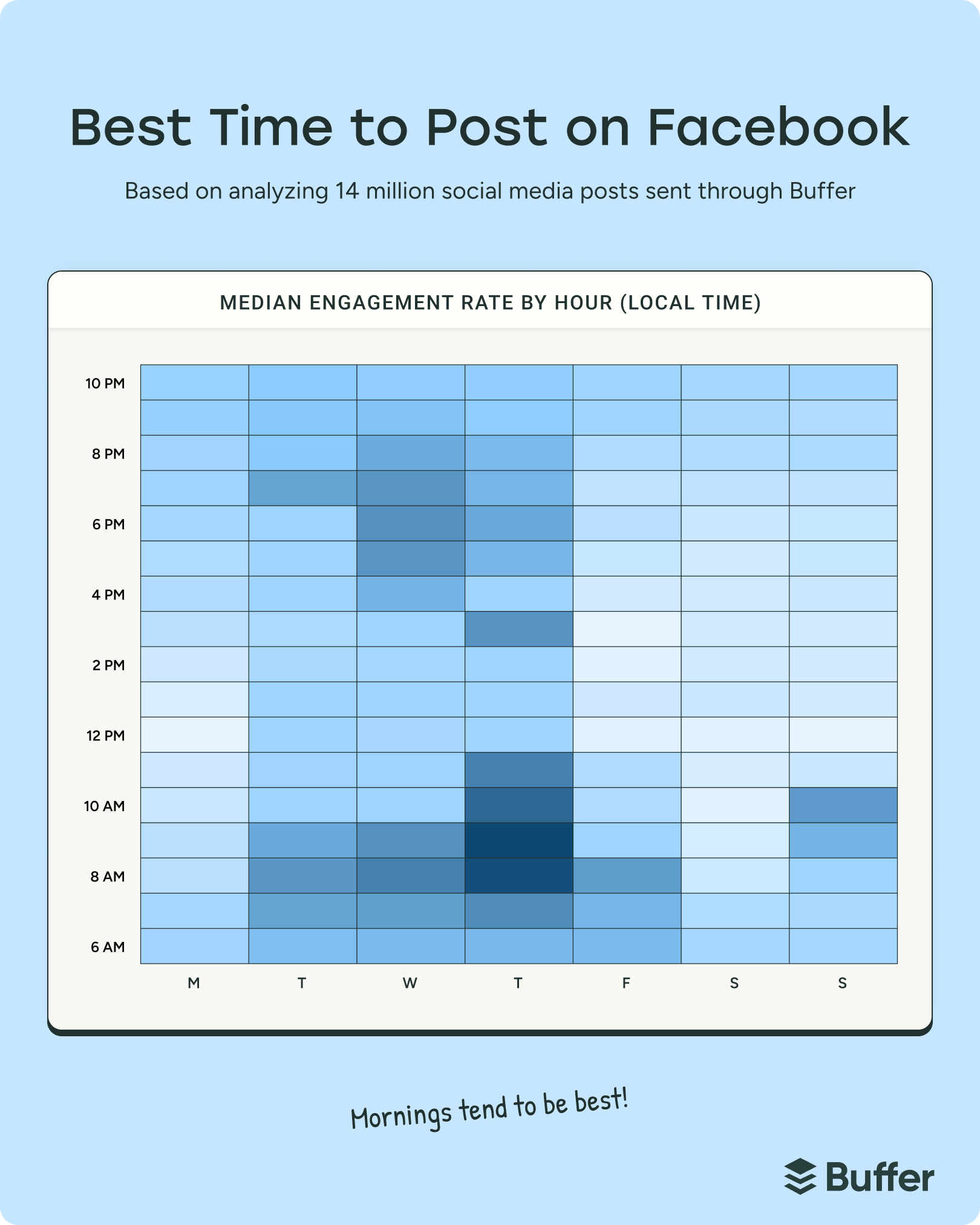
Facebook: Morning Dominance
- Best Time: 9 a.m. on Thursday.
- General Trend: Mornings generally drive the highest engagement, with activity peaking around midday before a gradual decline and a smaller spike in the early evening.
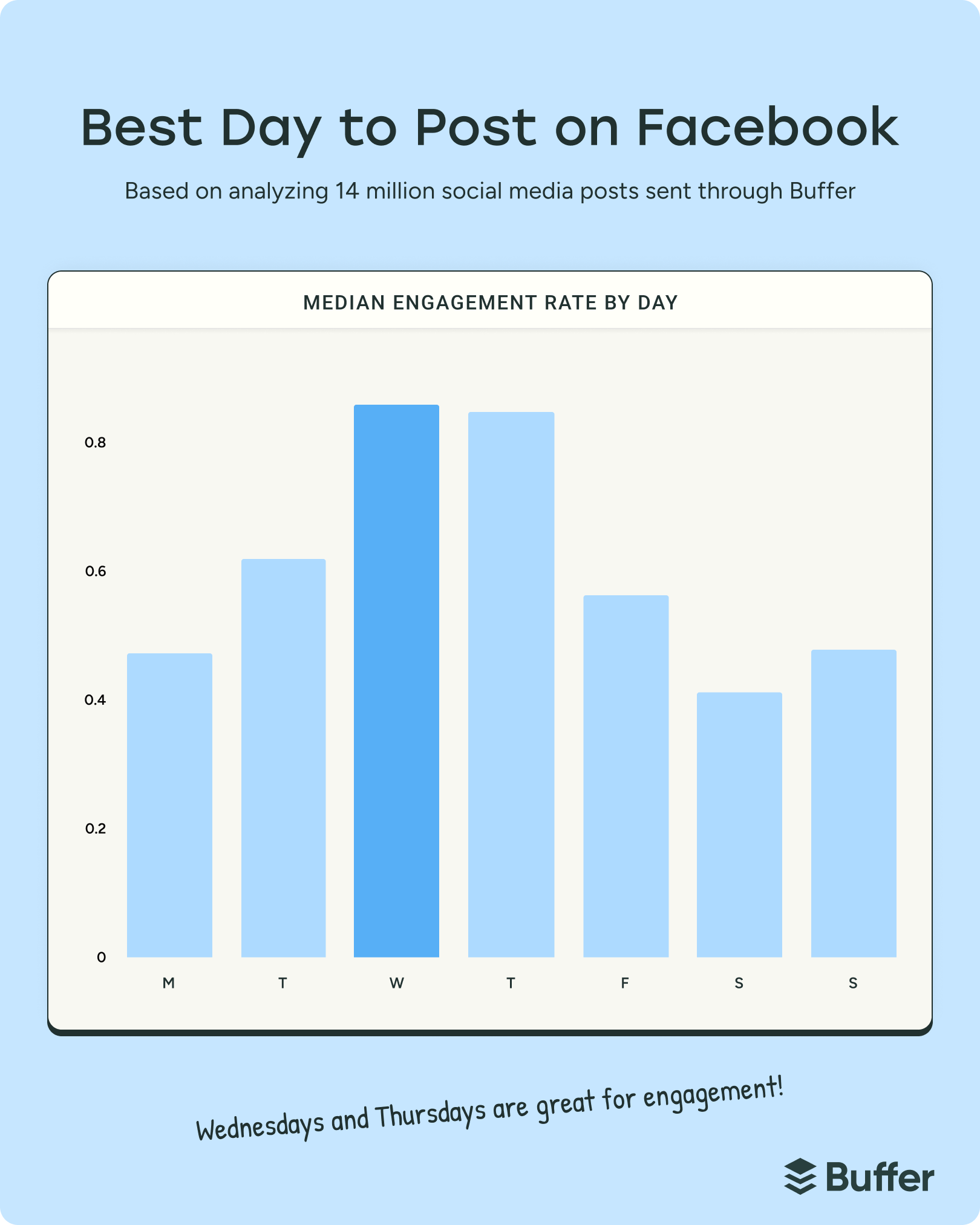
- Best Day: Wednesday, followed closely by Thursday.
- Lowest Engagement: Weekends, particularly Saturday.
- Analysis: Facebook, often used for catching up with friends and family, sees users engaging most actively during the initial hours of the workday or mid-morning breaks. The midweek peak suggests a routine-driven consumption pattern before the weekend shift.
-
Instagram: Mid-Morning and Early Evening Appeal
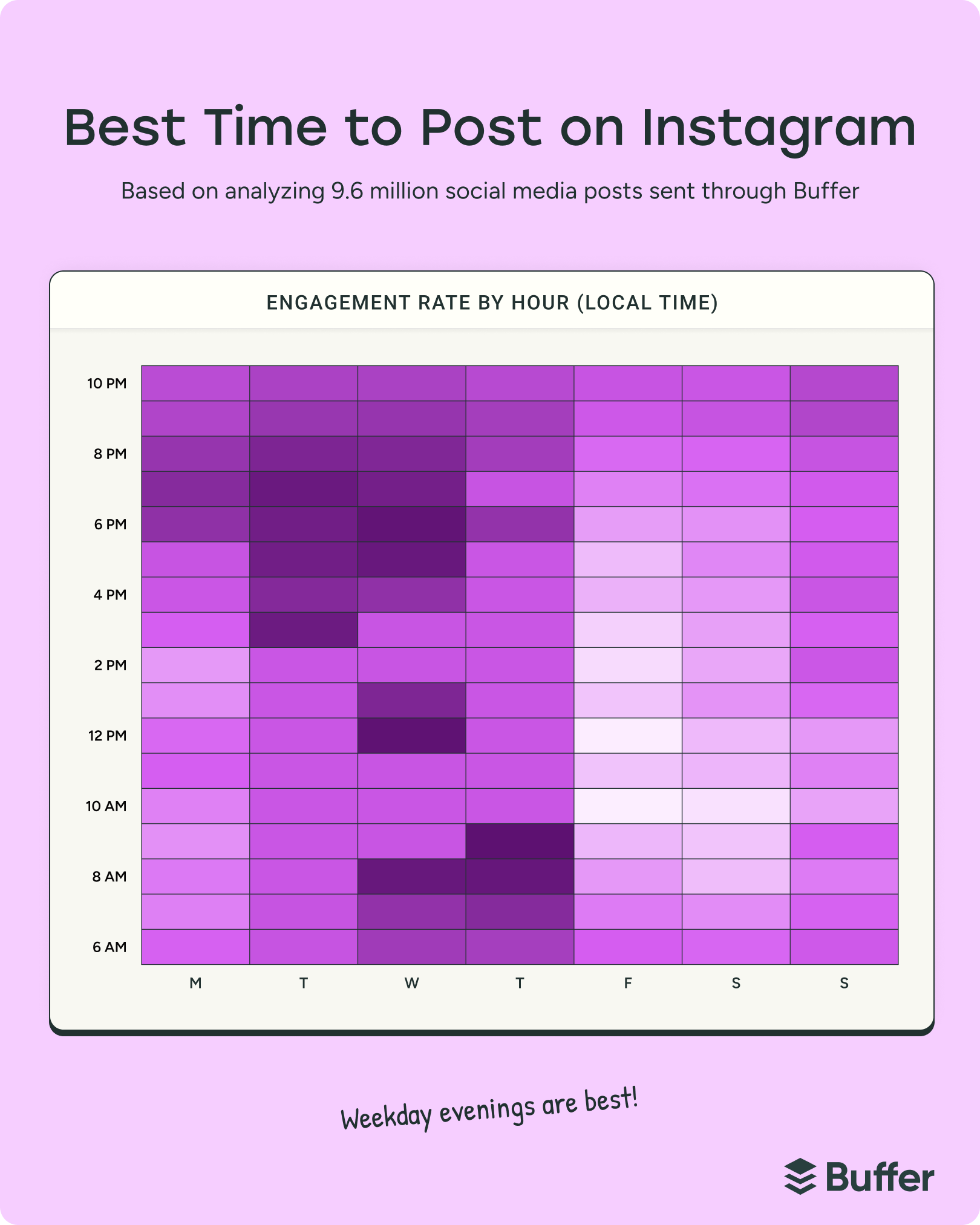
- Best Time: 9 a.m. on Thursday.
- General Trend: Early mornings on Wednesday and Thursday are strong, with another significant engagement spike around 6 p.m. daily.
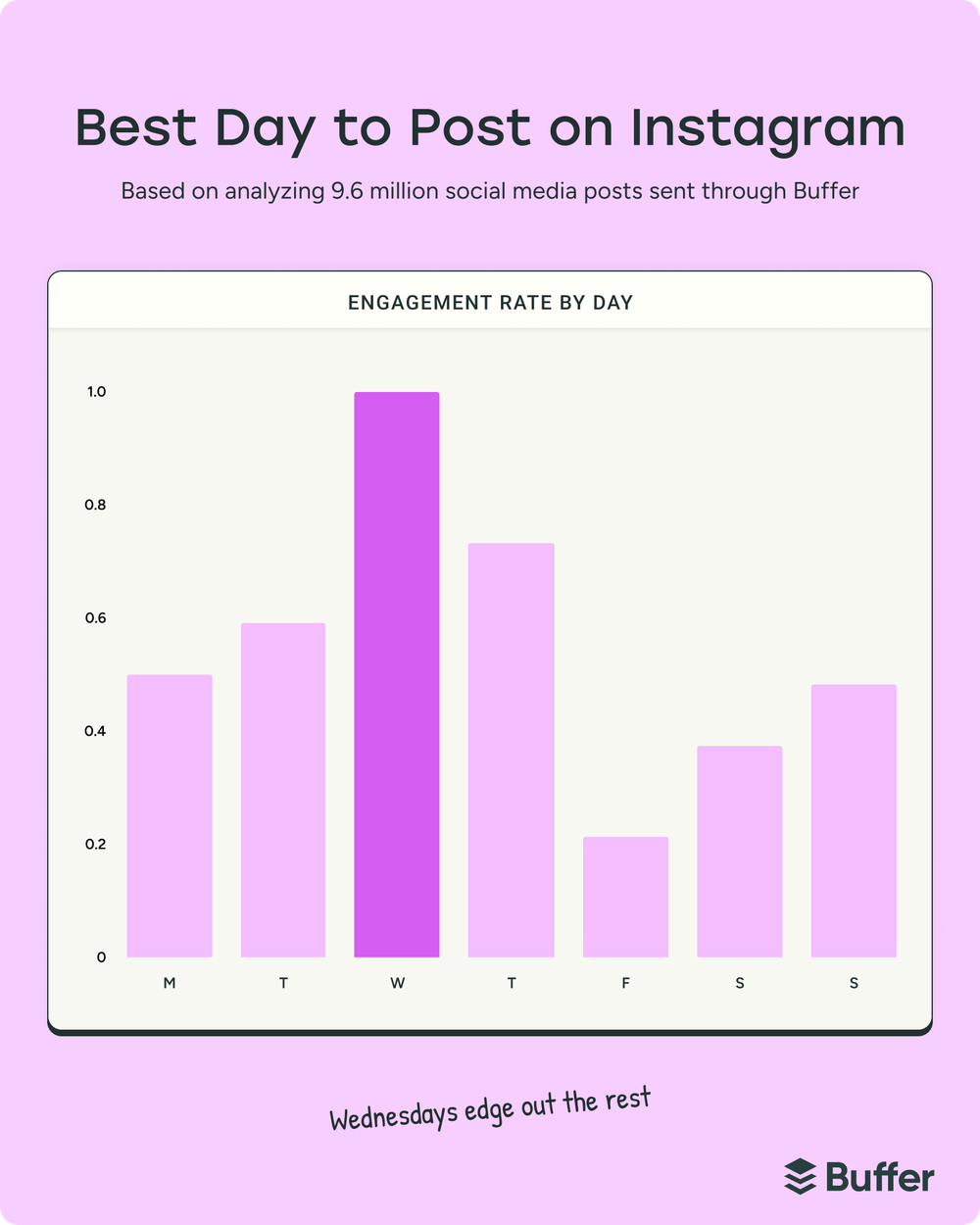
- Best Day: Wednesday.
- Lowest Engagement: Friday and weekends.
- Analysis: Instagram’s visual content thrives when users are likely commuting, taking a break, or unwinding in the evening. The consistent 6 p.m. peak across most weekdays suggests a post-work or pre-dinner scroll habit.
-
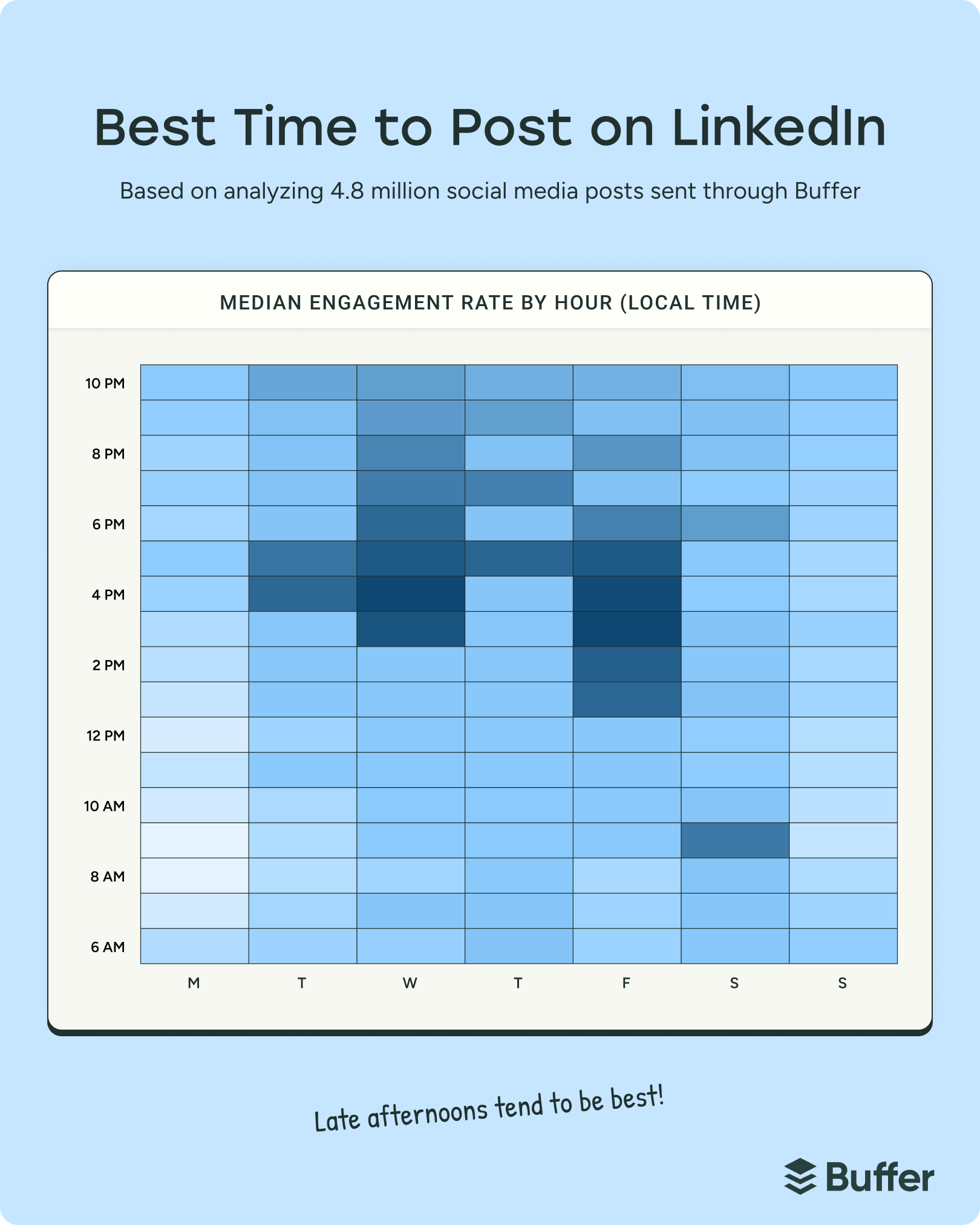
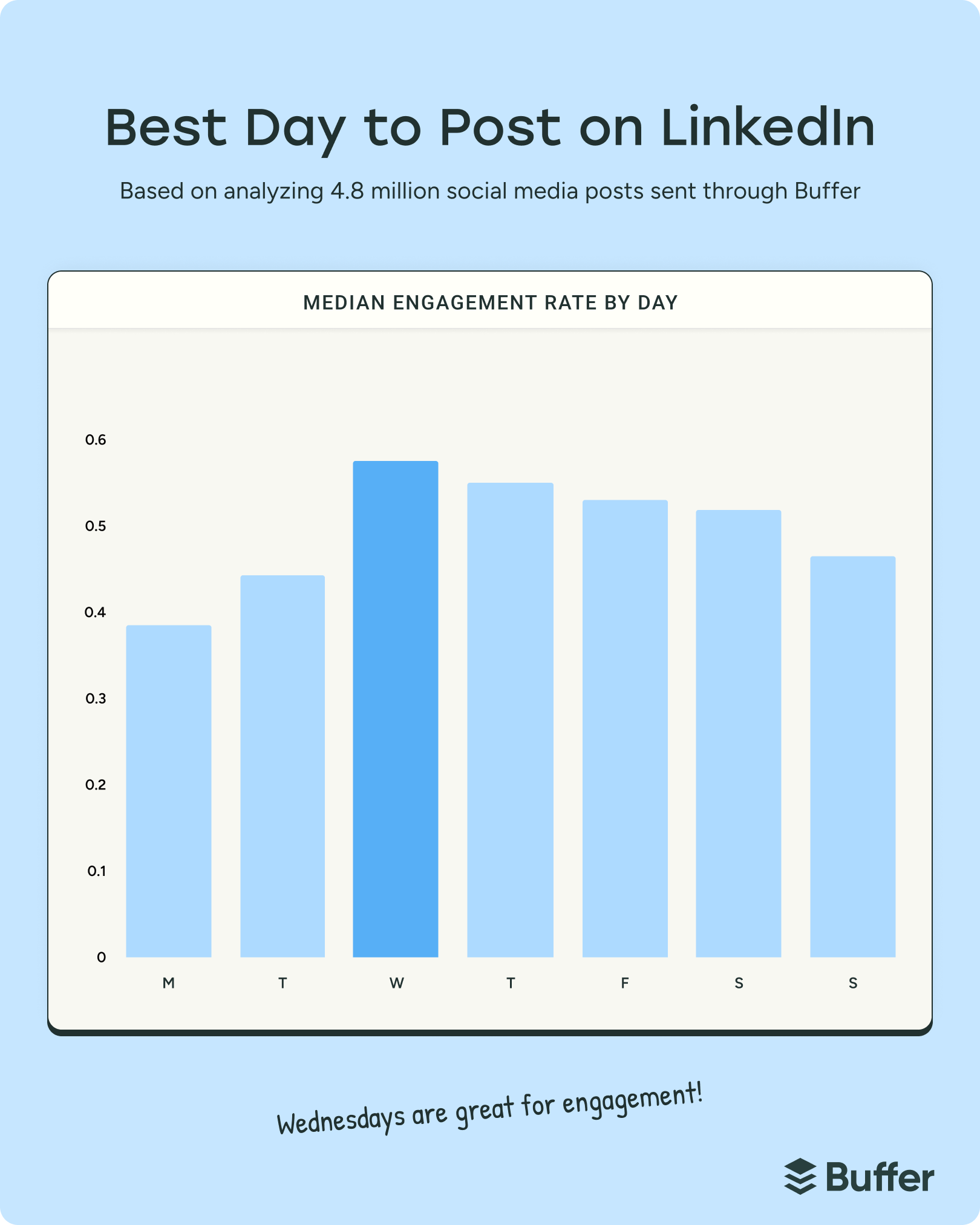
LinkedIn: The Evolving Professional Window
- Best Times: 4 p.m. on Wednesday, 4 p.m. on Friday, and 3 p.m. on Friday.
- General Trend: A notable shift from 2025, with peak times now extending into late afternoon and early evening, indicating increased out-of-office hour engagement. Early morning posts (6-11 a.m.) show comparatively lower engagement.
- Best Day: Wednesday, followed by Thursday and Friday.
- Unexpected Insight: Saturday and Sunday posts garner noticeably more engagement than early weekdays.
- Analysis: While LinkedIn remains a professional platform, the data suggests a growing trend of users engaging with content during commutes, post-work unwinding, or even during weekend personal development. This represents an adaptation of professional networking habits beyond strict office hours.
-
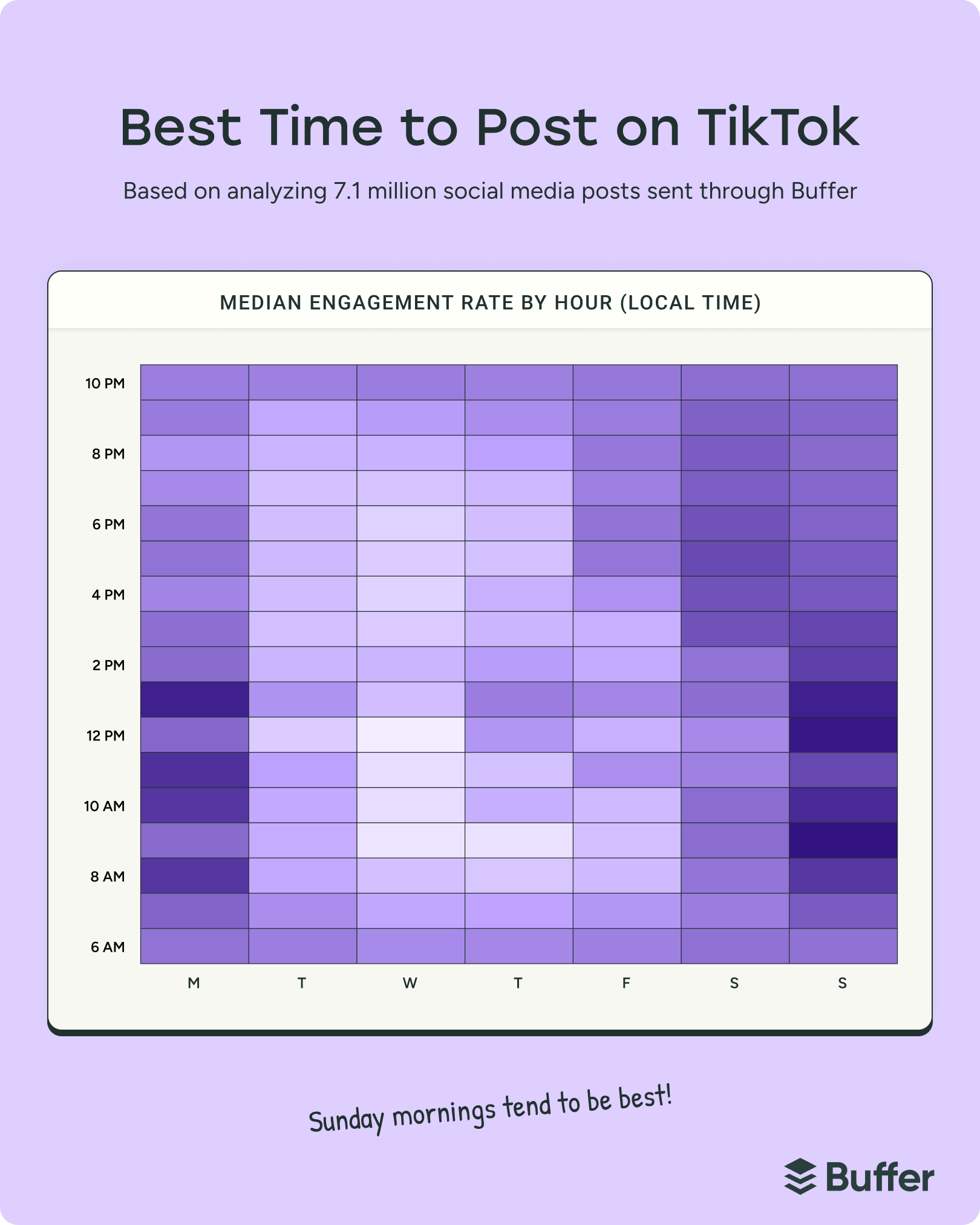
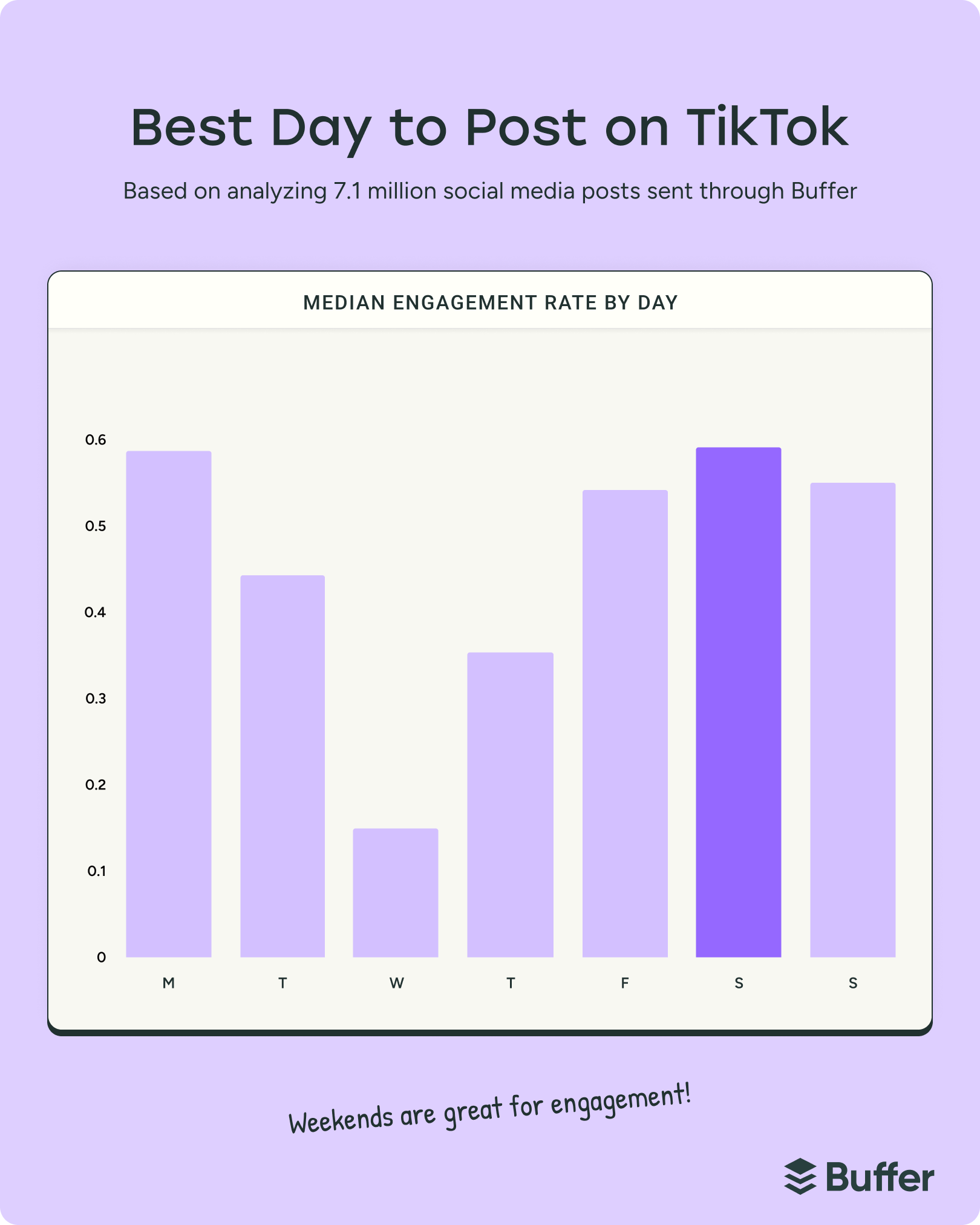
TikTok: Weekend and Evening Entertainment
- Best Time: 9 a.m. on Sunday, followed by 1 p.m. on Monday and 1 p.m. on Sunday.
- General Trend: Views generally climb in the evening, with the strongest performance between 6 p.m. and 11 p.m. Afternoons (12-5 p.m.) are quieter.
- Best Day: Saturday, closely followed by Monday.
- Lowest Engagement: Wednesday.
- Analysis: TikTok’s entertainment-focused, short-form video content thrives during leisure hours. Weekend mornings and weekday evenings align with periods of relaxation and casual browsing, making it an outlier among platforms that see weekend dips.
-
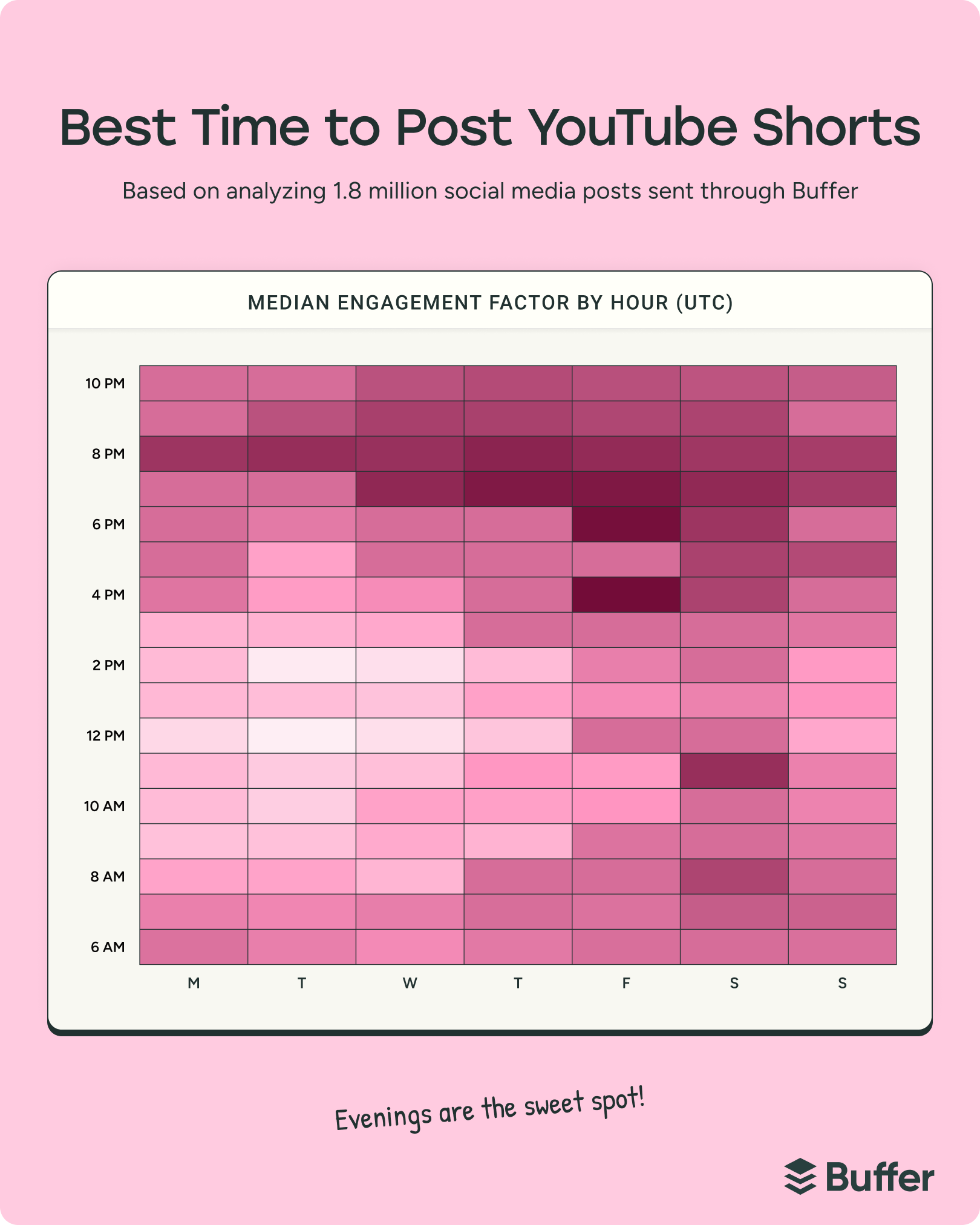
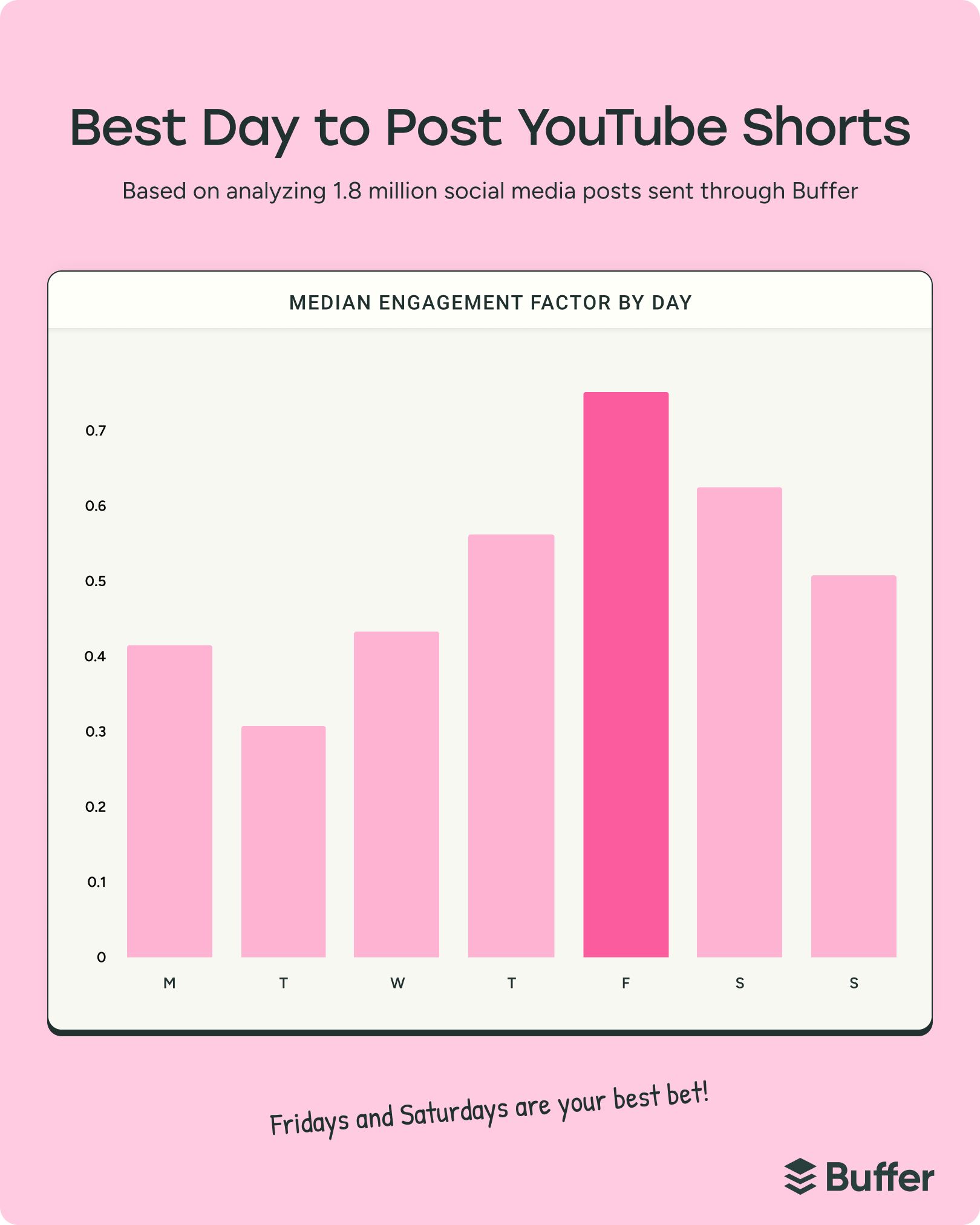
YouTube Shorts: After-Work Scroll
- Best Time: 4 p.m. on Friday, with 6 p.m. and 7 p.m. on Fridays also performing strongly.
- General Trend: Evenings (6 p.m. to 11 p.m.) during the week show the most traction, aligning with quick, digestible content consumption. Afternoons are generally weaker.
- Best Days: Friday, Saturday, and Thursday.
- Lowest Engagement: Tuesday and Monday.
- Analysis: Similar to TikTok, YouTube Shorts benefit from after-work or weekend unwinding, where users seek quick entertainment or information. Friday afternoon signifies the start of weekend leisure.
-
YouTube (Long-Form Videos): Dedicated Viewing Time
- Best Times: Evenings (6 p.m. to 10 p.m.) are the sweet spot.
- General Trend: Longer videos require more dedicated viewing time, hence the evening and weekend peaks. Some morning and midday spikes on weekends also suggest varied consumption habits. Afternoons, especially midweek, are weakest.
- Best Day: Sunday, with consistently high engagement. Tuesday and Monday also perform well.
- Lowest Engagement: Midweek, particularly Wednesday and Thursday.
- Analysis: Long-form content consumption is typically scheduled around free time, making evenings and weekends prime viewing periods. However, content type matters; instructional or professional videos might perform better during weekday working hours.
-
X (formerly Twitter): Morning News and Information Intake
- Best Time: 9 a.m. on Tuesday, followed by 10 a.m. and 9 a.m. on Wednesday.
- General Trend: Weekday mornings are optimal, with engagement picking up around 8 a.m. and peaking between 9 a.m. and 11 a.m. Activity tapers off into the afternoon.
- Best Day: Wednesday, followed by Tuesday and Thursday.
- Lowest Engagement: Weekends, with Saturday being the quietest.
- Analysis: X’s role as a real-time news and information platform means users are most active during their initial daily check-ins, often during commutes or early work hours. The sharp drop on weekends reflects a shift away from immediate news consumption.
-
Threads: Weekday Morning Conversations
- Best Time: 9 a.m. on Thursday, consistent with Facebook, Instagram, and X.
- General Trend: 7 a.m. to 12 p.m. on weekdays represents a strong window.
- Best Day: Wednesday, followed by Thursday and Tuesday.
- Lowest Engagement: Saturday, Sunday, and Monday.
- Analysis: As a text-based platform often linked with Instagram, Threads exhibits similar weekday morning engagement patterns, suggesting users engage with conversational content during their daily routines.
The Crucial Caveat: Timing is Not the "Secret Sauce"
Despite the detailed recommendations, Buffer’s report reiterates a critical message: posting at the "right" time is not a magic bullet for content success. "If there were a secret sauce, it would be consistency," emphasized a Buffer spokesperson. Social media algorithms consider a myriad of factors beyond just timing, including engagement history, watch time, user preferences, location, and content relevance. Optimal posting time is likely just one small piece of a much larger, intricate puzzle.
"While these global trends offer a powerful starting point, truly impactful social media strategies are built on a deep understanding of one’s specific audience and continuous adaptation," stated Kevan Lee, Buffer’s Chief Marketing Officer (inferred statement). "Marketers must prioritize creating high-quality, consistent content that genuinely resonates with their community. Timing merely gives that great content a better chance to be seen early on."
Implications for Digital Marketing Strategies
The findings carry significant implications for businesses and content creators. Relying on a generic posting schedule across all platforms is likely to yield suboptimal results. Instead, a tailored digital marketing plan incorporating platform-specific calendars is essential.
- Strategic Scheduling: Marketers should use these data-backed recommendations as a starting point to inform their content calendars. This means scheduling professional updates for LinkedIn in the late afternoon, viral entertainment for TikTok in the evenings or weekends, and news-driven content for X or Threads in weekday mornings.
- Audience-Centric Approach: While global trends are informative, individual audience behavior can vary. Businesses are encouraged to delve into their own analytics to identify unique peak engagement times for their specific followers. Platforms like Instagram and YouTube offer native insights, and social media management tools like Buffer provide comprehensive analytics to crunch historical data and recommend personalized optimal times.
- A/B Testing and Adaptation: The dynamic nature of social media algorithms and user behavior necessitates ongoing experimentation. Marketers should test different posting times, track performance, and adjust their strategies accordingly. What works today might evolve tomorrow.
- Leveraging Tools: Social media management tools, such as Buffer, can automate the process of adhering to these optimized schedules. Buffer, for instance, allows users to automatically set recommended posting times for all connected platforms, updating them regularly based on the latest research. This feature streamlines content distribution, freeing up marketers to focus on content creation and strategy.
The Evolving Landscape and Future Outlook
The 2026 "State of Social Media Engagement Report" serves as a reminder that the digital marketing landscape is in constant flux. The observed shift in LinkedIn engagement towards later hours, for instance, highlights how user habits can evolve, influenced by work-life integration and device accessibility.
As social media platforms continue to innovate and algorithms become more sophisticated, the importance of data-driven decision-making will only grow. While hitting the "perfect" time may offer an initial boost, sustainable social media success will always hinge on a robust strategy built on authentic content, consistent presence, and a deep understanding of one’s target audience. The Buffer report empowers marketers with the insights to navigate this complex environment, providing a valuable compass in the quest for optimal engagement.