Pranda Michaela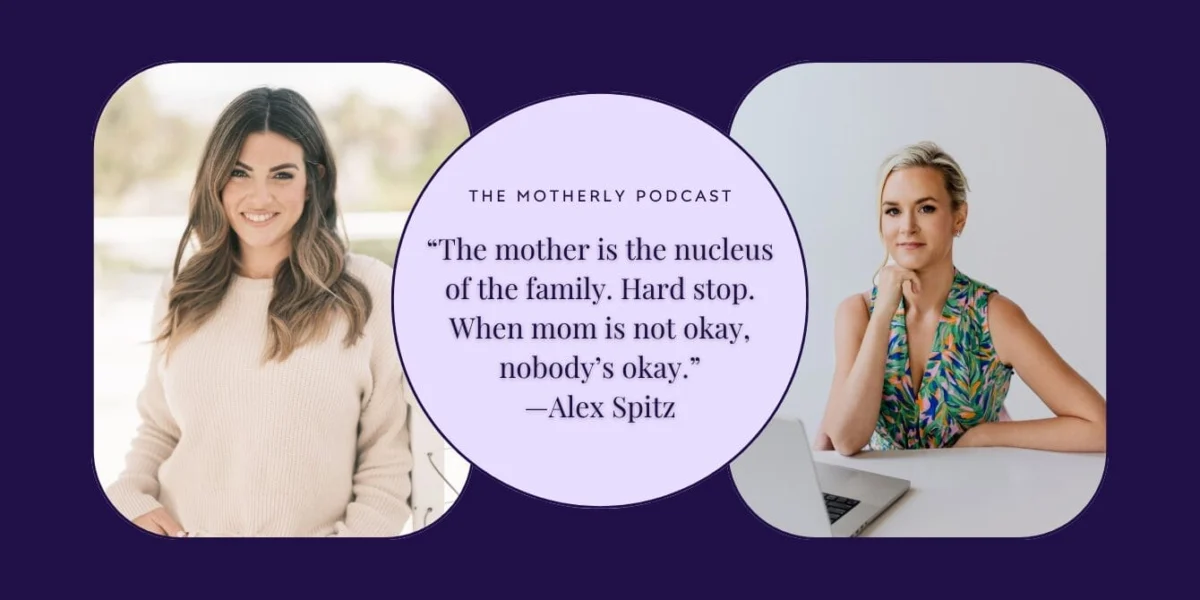
When Alex Spitz became a mom 15 years ago, she was blindsided. She had imagined her newborn son would be her little accessory – baby Nikes, lunches with friends, 12 blissful weeks of maternity leave. Instead, she found herself isolated, angry, and completely unprepared for the emotional earthquake of new motherhood. This profound personal experience ignited a mission to address what she identified as a critical "care gap" for postpartum mothers in the United States, leading to the founding of New Mom School, a structured, research-backed, in-person support program that has since expanded to 37 locations nationwide.
Spitz’s journey from personal crisis to entrepreneurial success highlights a systemic issue that affects countless new mothers. The transition into parenthood, while often idealized, can be an intensely isolating and emotionally taxing period. The lack of comprehensive, accessible support leaves many mothers feeling unprepared and alone, a sentiment Spitz herself experienced acutely.

The Unforeseen Realities of New Motherhood
Spitz candidly shared her initial expectations for motherhood on The Motherly Podcast, hosted by Liz Tenety. "When I was pregnant with my first son, I felt like my life wasn’t going to change," she recalled. "He was going to be my little accessory. I was going to dress him in cute little man clothes and baby Nikes." This perception, she admitted, was a stark contrast to the reality that unfolded. "The expectations are so vastly different than the reality, and that reality kicked my butt," Spitz stated.

The emotional toll of this disconnect was significant. Spitz described feeling inadequate, stating, "I felt like I couldn’t do anything right. Everything I was reading had conflicting information. I felt like a failure. I felt guilt no matter what I did." This profound sense of unpreparedness and isolation underscored her core realization: "Why didn’t anyone prepare me for this?"

Identifying and Addressing the "Care Gap"
This personal struggle became the catalyst for Spitz’s entrepreneurial endeavor. After finding solace and crucial support in a local mom group, she recognized the immense value of community and the glaring absence of such structured support for new mothers in broader society. This observation led her to identify what she terms the "care gap" – the insufficient support systems available to women in the critical postpartum period in the United States.

The postpartum period is a time of immense physical and emotional recovery, hormonal shifts, and a fundamental redefinition of identity. However, societal structures and healthcare systems often fall short in providing the necessary support. Maternity leave policies in the U.S. are notoriously inadequate compared to other developed nations, with the Family and Medical Leave Act (FMLA) only offering unpaid, job-protected leave for some workers, and no federal mandate for paid leave. This financial precarity exacerbates the isolation and stress experienced by new mothers.

The Genesis of New Mom School
In 2012, Spitz launched New Mom School in Orange County, California. The program was designed to be a structured, research-backed, in-person support system for postpartum mothers. The core philosophy was simple yet radical: new mothers should not have to navigate this profound life change alone. The program offers group programming organized by the baby’s birth date, fostering a unique sense of shared experience and understanding among participants who are navigating similar developmental stages with their infants.

"I saw a big opportunity: take the original mom group format but bring in research-backed information and actual experts to present on their areas of expertise," Spitz explained. "I created what I wished I’d had as a new mom."

The Evolution and Expansion of New Mom School
What began as a localized initiative has grown into a nationwide franchise with 37 locations across the country, 21 of which are currently open and operating. This rapid expansion speaks to the widespread need for the services New Mom School provides. The model emphasizes the irreplaceable value of in-person connection, a sentiment that has become even more pronounced in an era saturated with digital interactions.

Spitz’s conviction in the power of physical community is rooted in human biology and psychology. "We’re hardwired to be in community. We’re tribal as humans," she asserted. She further elaborated on the unique efficacy of their age-specific groups: "We organize by your baby’s birth date. You’re in a class with other women who have babies born within just a few weeks of your own." This approach ensures that the challenges and triumphs shared are highly relevant, fostering deeper empathy and more practical advice.

Addressing the Strain on Couple Dynamics
Beyond the individual mother’s experience, Spitz also touched upon the significant impact new parenthood has on marital relationships. She recounted a particularly poignant moment with her husband, eight weeks postpartum: "He looked at me and said, ‘If this is how it’s gonna be, I don’t think I’m gonna be able to stick it out. This isn’t what we signed up for.’" This candid exchange highlighted the dramatic shift in their previously "adoring relationship" and the immense pressure it placed on their partnership.

The couple navigated this challenging period by actively choosing to work together. Spitz emphasized the importance of shifting from a mindset of "scorekeeping" – where partners tally perceived contributions – to one of being "on the same team." Her advice for couples struggling with the division of labor and mental load is practical: "Write a list of all the responsibilities and put a star next to the ones that give them the most anxiety. Then say to your partner, ‘I need these things taken off the list.’" Offering choices and focusing on what each partner enjoys or dislikes least can foster collaboration rather than conflict.

The Unseen Impact on Child Development and Family Well-being
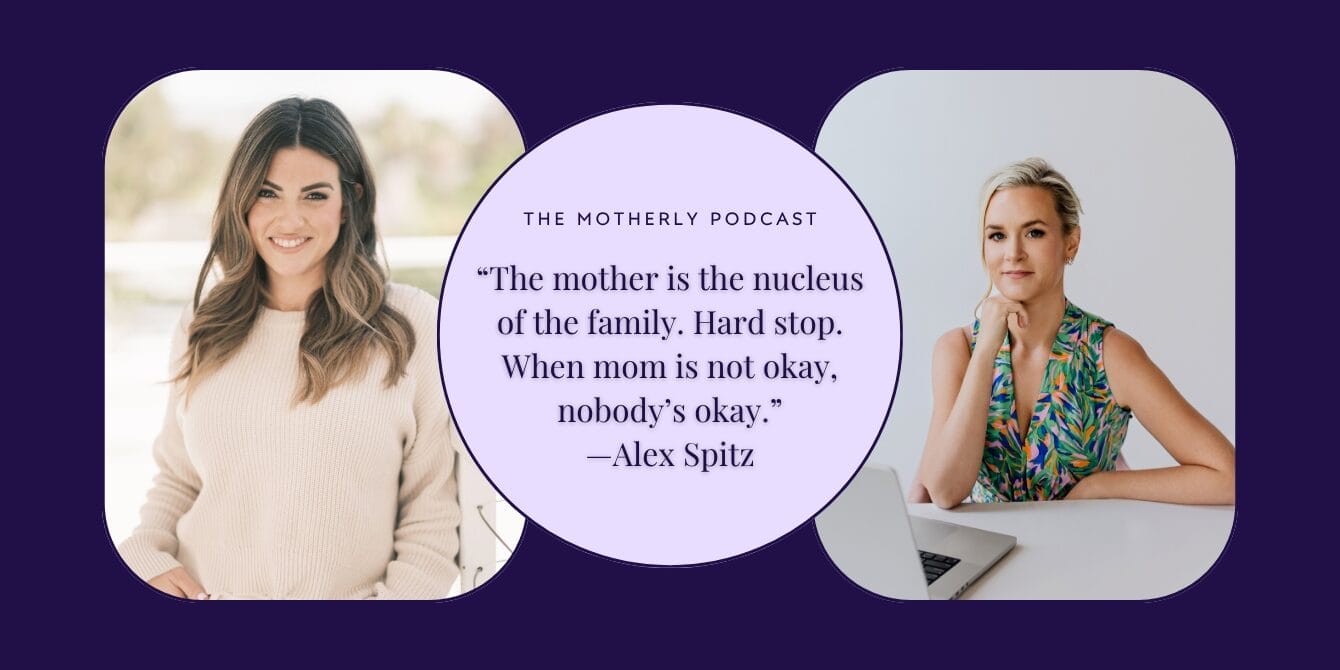
Spitz’s vision extends beyond simply helping mothers survive the postpartum period; she aims to help them thrive and find joy. She stressed that a mother’s well-being is foundational to the entire family’s health. "When mom is not okay, nobody’s okay," she stated. "When we are taking care of ourselves, that’s when our family thrives."

The data supports this assertion. Research consistently shows that maternal mental health is a critical determinant of infant development and overall family functioning. For instance, studies on the impact of maternal depression have linked it to increased risks of behavioral problems in children and challenges in parent-child attachment. By providing a supportive and informative environment, New Mom School aims to bolster maternal resilience, which in turn benefits the entire family unit.

The program’s structured approach, focusing on specific topics each week, differentiates it from informal support groups. Spitz explained, "It’s not a free-for-all support group. I wanted to create spaces where we talk about the real things – the vulnerable things, the things that keep us up at night feeling guilty and ashamed." This emphasis on open, honest discussion, coupled with evidence-based information, empowers mothers with the knowledge and emotional support needed to navigate the complexities of early parenthood.

The Essential Role of In-Person Connection
In an age of ubiquitous digital connectivity, Spitz remains a staunch advocate for the irreplaceable value of in-person interaction. She shared the story of her online program’s failure: "I actually launched an online program and it flopped. I was devastated… Because that’s not what moms need. They need the in-person connection."

This preference for face-to-face interaction is not merely anecdotal. Human beings are inherently social creatures, and the nuances of non-verbal communication, the palpable sense of shared experience, and the formation of deep, authentic bonds are often best cultivated through in-person contact. While online communities can offer valuable connections, they often lack the depth and immediate support that physical presence provides, especially during a time as physically and emotionally demanding as the postpartum period.

The "Reinvented Village" and Future Aspirations
Spitz views New Mom School as a "reinvented village." Historically, communities provided a natural support system for new mothers, with extended family and neighbors offering assistance and guidance. In contemporary society, with increased mobility and fragmented family structures, this traditional village has largely dissolved. New Mom School aims to fill this void by recreating that sense of collective support and shared wisdom.

The program’s success is evident in the testimonials and the growing demand for its services. Spitz shared her dream: "My dream would be that we create policy change – that every woman gets to have some kind of community and village across this country." She also expressed a desire for New Mom School to be covered by insurance, highlighting its crucial role in maternal healthcare. "This postpartum support is a need to have. It’s a huge investment in the future well-being of you as a mom and your family and your kids."

Finding Joy Amidst the Chaos
Ultimately, Spitz’s message to new mothers is one of hope and empowerment. Her advice for listeners struggling to get out of survival mode is simple yet profound: "Surrender." She elaborated, "You have to surrender to the new normal. If you’re fighting the new normal and feeling like you can change it or that it’s unfair, you’ll stay in that headspace." Lowering expectations and embracing the unpredictability of new parenthood, she suggests, can lead to a more peaceful and ultimately joyful experience.

The joy, she asserts, is intrinsically linked to community. "The joy – it comes from community. That is the key to unlocking joy in motherhood." She reframes the often-dreaded cliché "enjoy every minute" by acknowledging the inherent difficulties of new motherhood while emphasizing that a sense of enjoyment is achievable with the right support structures. "It’s like any job. If you don’t have the right tools and resources to do your job well, you’re not going to knock it out of the park. New motherhood needs support, resources, community, and other people who have walked the path."

Alex Spitz’s journey exemplifies the transformative power of personal experience coupled with a commitment to addressing societal needs. New Mom School stands as a testament to the vital importance of community, education, and holistic support for new mothers, fostering not just survival, but genuine thriving in the early stages of parenthood.