Hanik Kholidah
The longevity of tea, a beverage consumed by billions globally and second only to water in popularity, remains a subject of significant consumer inquiry regarding food safety and sensory quality. While tea is often perceived as a shelf-stable pantry staple, botanical experts and food scientists emphasize that both dried leaves and brewed infusions are subject to degradation over time. Understanding the shelf life of tea requires an analysis of the chemical composition of the Camellia sinensis plant, the impact of environmental factors on volatile oils, and the microbial risks associated with liquid infusions.
The Chemical Composition and Degradation of Dried Tea
All traditional teas—including black, green, white, and oolong—originate from the Camellia sinensis plant. The primary difference between these varieties lies in the level of oxidation and processing they undergo. Because tea is a dried agricultural product, it does not "expire" in the traditional sense of becoming toxic, provided it remains free of mold. Instead, it undergoes a process of senescence where its flavor-providing polyphenols, catechins, and essential oils diminish.
In optimal conditions—defined as a cool, dark, and airtight environment—dried tea can maintain its peak flavor profile for up to two years. However, the degradation process begins almost immediately after the leaves are processed. For green and white teas, which are minimally oxidized, the degradation of chlorophyll and delicate antioxidants occurs more rapidly than in black or puerh teas.
The primary catalysts for tea spoilage are light, heat, oxygen, and moisture. When exposed to ultraviolet light, the chemical bonds in the tea leaves break down, leading to a "sun-bleached" flavor. Oxygen promotes further oxidation, turning vibrant green teas into a dull brown and stripping black teas of their maltiness. Moisture is the most significant risk factor, as it can introduce fungal growth and mycotoxins, rendering the tea unsafe for consumption.
Chronology of Tea Freshness: From Harvest to Cup
To understand the timeline of tea quality, one must look at the standard supply chain and consumer storage habits.
- Harvest and Processing (Months 0-1): Leaves are plucked, withered, and dried. At this stage, the volatile oil content is at its zenith.
- Packaging and Distribution (Months 2-6): Tea is sealed in bulk or individual retail packaging. Vacuum-sealed or nitrogen-flushed packaging can extend the "fresh" window significantly.
- Consumer Purchase (Months 6-12): Most high-quality teas reach the consumer within this window. If stored in original airtight tins, the flavor remains robust.
- The Two-Year Threshold (Months 24+): At this point, even well-stored tea begins to lose its character. The "nose" or aroma of the tea will be noticeably fainter.
- Brewing (The Final Stage): Once water is added, the timeline shifts from years to hours. The extraction of solids creates a nutrient-rich environment for bacteria.
Sensory Analysis: The Role of the Olfactory System
Food scientists recommend the "olfactory test" as the most reliable home method for assessing tea quality. The human nose is capable of detecting minute changes in chemical composition. By familiarizing oneself with the scent of fresh leaves—noting the floral, grassy, or smoky notes—a consumer can identify when those notes have vanished. If a tea leaf smells like "dust" or "old paper," it indicates that the essential oils have evaporated, and the resulting brew will be astringent and flat. While drinking such tea is generally not a health risk, it offers none of the antioxidant benefits associated with fresh infusions.
The Science of Brewed Tea Longevity
The question of how long a brewed cup of tea remains safe to drink is a matter of microbiology. Once tea is steeped, the resulting liquid contains carbohydrates and minerals that can support microbial growth.
A critical distinction exists between aromatic and non-aromatic herbs. Aromatic plants, such as peppermint (Mentha piperita), chamomile (Matricaria chamomilla), and lavender, contain high concentrations of volatile oils like menthol and linalool. These compounds possess natural antimicrobial and preservative properties that can inhibit the growth of bacteria for a limited time. Consequently, an aromatic tea may remain palatable for up to 24 hours at room temperature or four days if refrigerated in a sealed container.
Conversely, non-aromatic infusions—such as those made from nettles or red clover—lack these protective oils. These "nutritive" teas are highly susceptible to fermentation and bacterial colonization. Experts suggest that non-aromatic teas should be consumed within 12 hours if left unrefrigerated, or within 48 hours if kept in a refrigerator.
Impact of Brewing Methods on Shelf Life
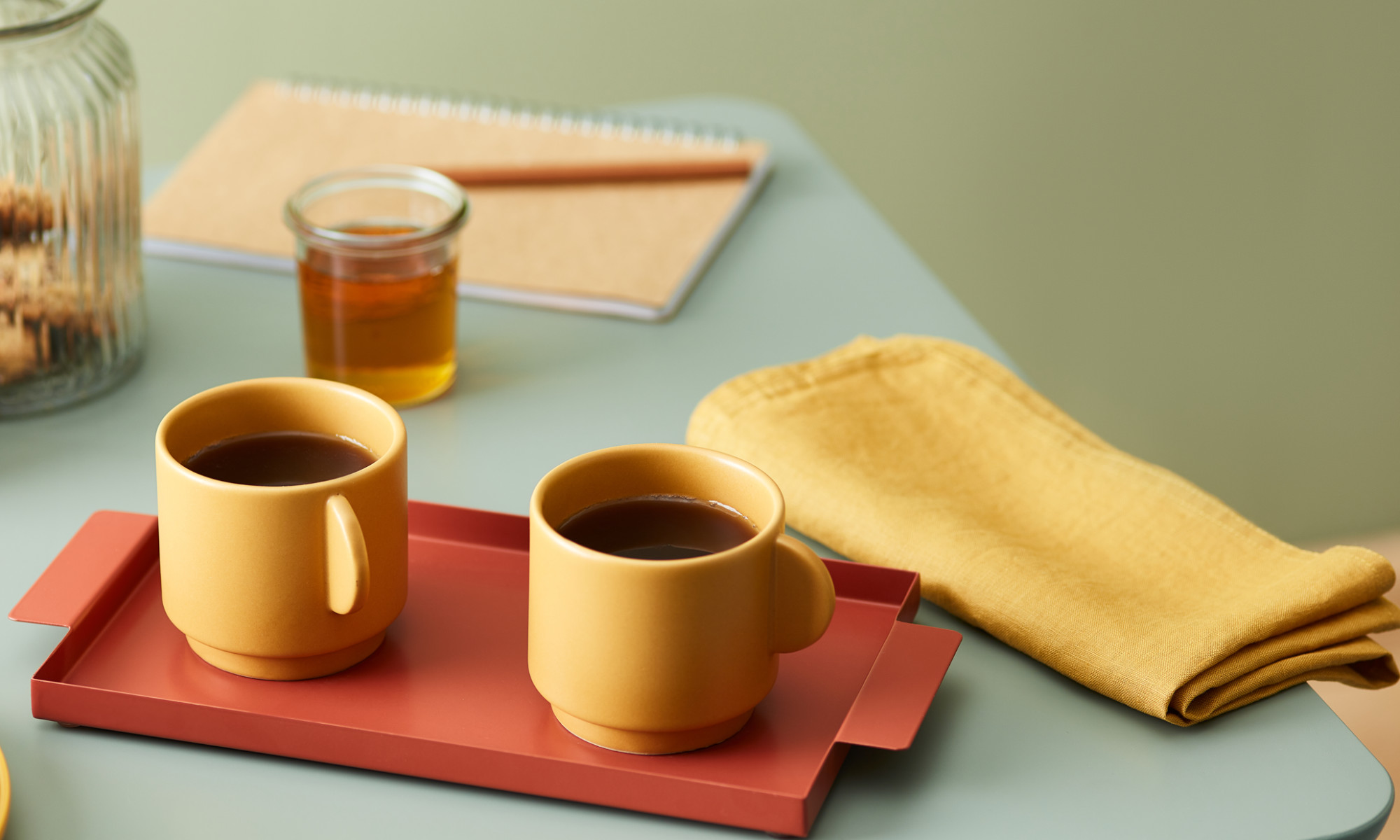
The method of preparation significantly influences the stability of the liquid. A common practice in herbalism is the "overnight infusion," where herbs are steeped in a sealed Mason jar. If the jar is sealed while the water is near boiling, a partial vacuum is created as it cools, which can help protect the liquid from airborne contaminants.
However, tea left in an open mug is exposed to environmental pathogens. Research into food-borne illnesses suggests that stagnant water at room temperature enters the "danger zone" (between 40°F and 140°F) where bacteria can double every 20 minutes. Therefore, a cup of tea left on a bedside table overnight is significantly more likely to harbor bacteria than one stored in a clean, lidded carafe in the refrigerator.
Comparative Analysis: Bagged vs. Loose-Leaf Longevity
The physical form of the tea plays a pivotal role in its degradation rate.
Bagged Teas:
Most commercial tea bags contain "fannings" or "dust"—the smallest particles of tea leaves. While convenient, these small particles have a much larger surface-area-to-volume ratio than whole leaves. This increased surface area facilitates rapid oxidation and the quick escape of volatile oils. As a result, bagged tea typically has a shorter peak flavor window than loose-leaf varieties. Additionally, the paper of the tea bag itself can absorb environmental odors if not stored in a secondary airtight container.
Loose-Leaf Teas:
Whole leaves act as their own preservative, keeping the essential oils trapped within the cellular structure of the leaf until they are broken or steeped. This allows loose-leaf tea to maintain its complexity for a longer duration. However, loose-leaf tea requires more diligent storage, as it is often sold in resealable pouches that may not be fully airtight.
Economic and Health Implications
The global tea market, valued at over $200 billion, is increasingly focused on the "premiumization" of tea. For the consumer, the failure to store tea correctly represents an economic loss. Beyond flavor, the health implications are noteworthy. The primary draw for many tea drinkers is the presence of Epigallocatechin gallate (EGCG) and other antioxidants. Studies have shown that these compounds degrade over time and with exposure to heat. Therefore, drinking "old" tea provides the hydration of water but lacks the functional health benefits that drive the industry.
From a safety perspective, the risk of mold in dried tea is a serious consideration. In humid climates, tea leaves can absorb moisture from the air. If the moisture content exceeds 10%, mold species such as Aspergillus can develop. Consumers are advised to discard any tea that shows visible clumping, white fuzz, or a damp, musty odor.
Official Guidelines for Optimal Preservation
To maximize the lifespan of tea products, industry experts and culinary professionals suggest the following standardized storage protocol:
- Opacity: Use tins or dark glass containers. Clear glass jars allow light to penetrate, accelerating molecular breakdown.
- Temperature: Store tea in a cool area, away from the stove, oven, or sunny windowsills.
- Isolation: Tea is hygroscopic and highly absorbent of odors. It should be stored away from spices, coffee, or cleaning chemicals.
- Volume Management: If purchasing tea in bulk, transfer a small amount to a "daily use" tin and keep the remainder sealed to minimize the frequency of oxygen exposure.
Conclusion and Future Outlook
As the tea industry continues to evolve with the rise of artisanal blends and functional herbal infusions, the importance of storage education becomes paramount. The transition from a simple commodity to a sophisticated culinary product requires consumers to treat tea with the same atmospheric respect as fine wine or specialty coffee.
By adhering to the two-year guideline for dried leaves and the strict 12-to-48-hour window for brewed infusions, consumers can ensure they are receiving both the intended flavor profile and the maximum biological benefits of the plant. Ultimately, the nose remains the most effective tool for the consumer; when the vibrant aroma of the tea fades, it serves as a biological indicator that the tea’s journey from the field to the cup has reached its natural conclusion. Give yourself the grace to discard tea that has lost its vitality, ensuring that every cup consumed is both safe and satisfying.