
 Indra Kusuma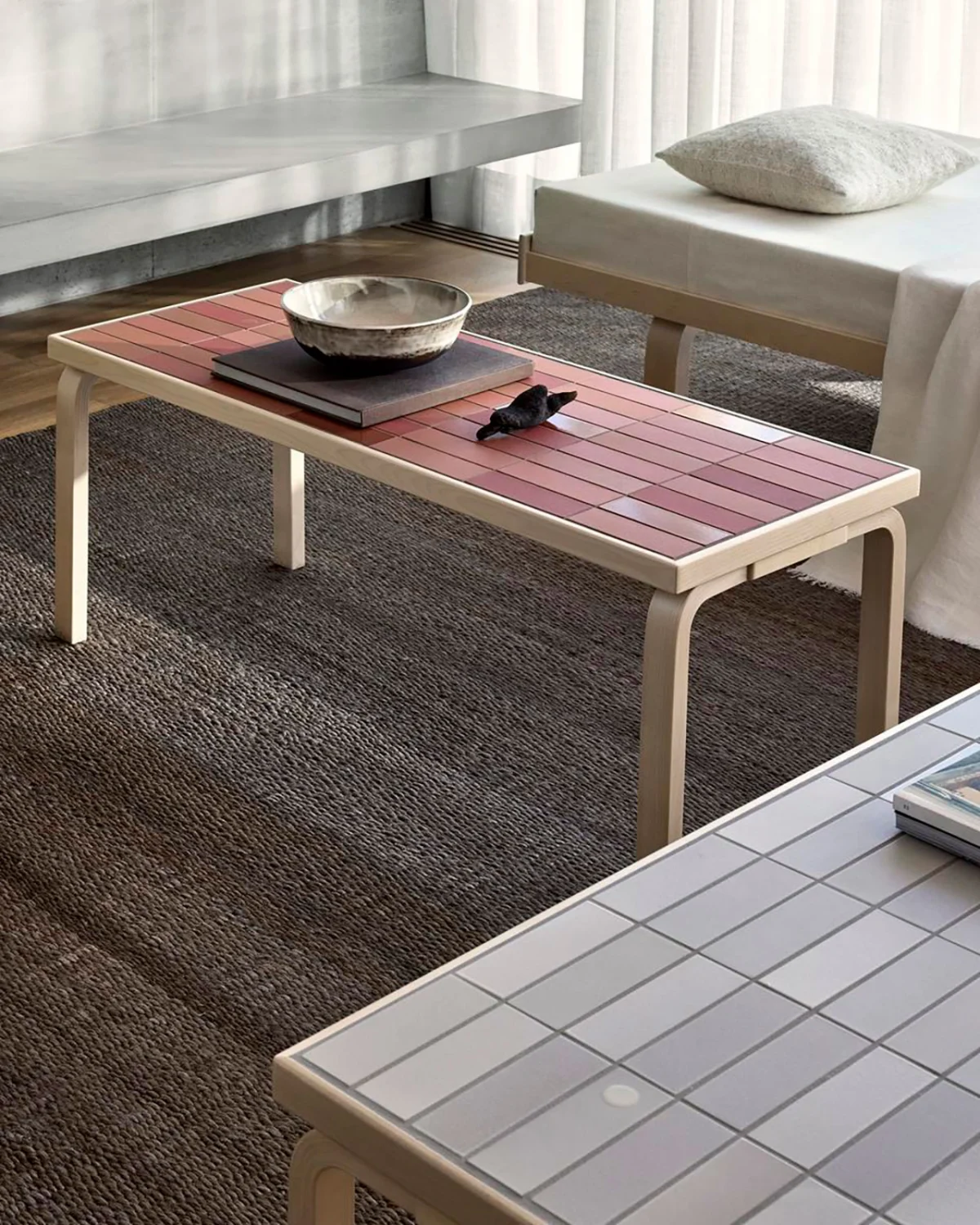
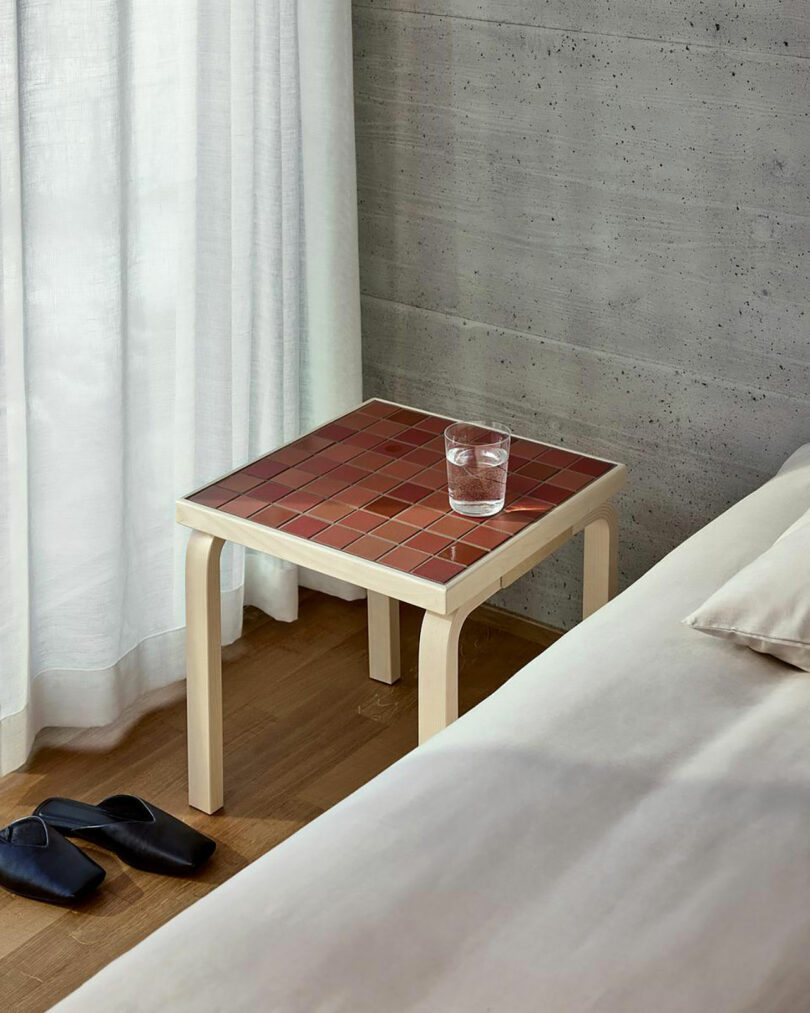
In a significant update to their acclaimed partnership, Finnish design powerhouse Artek and Californian ceramic icon Heath Ceramics have unveiled an expanded Tile Table collection, further cementing a collaboration rooted in shared design principles and a profound reverence for natural materials. This refreshed offering, building on its successful 2022 debut, introduces a new terracotta red colorway, alongside existing green and white options, inviting homeowners to engage in a playful exploration of color, texture, and functional design. The alliance seamlessly integrates the heritage of Alvar Aalto’s iconic Table Square with Edith Heath’s deftly proportioned and toned ceramic tiles, creating pieces that are both aesthetically compelling and remarkably practical.
The Genesis of a Design Dialogue: A History of Shared Values
The collaboration between Artek and Heath Ceramics is not merely a commercial venture but a convergence of two distinct yet harmonious design philosophies. Artek, founded in 1935 by the visionary architects Alvar and Aino Aalto, along with Maire Gullichsen and Nils-Gustav Hahl, emerged from the nascent Finnish modernist movement. Its mission extended beyond selling furniture to actively promoting a modern culture of habitation through exhibitions and educational initiatives. Alvar Aalto’s groundbreaking work, particularly his development of bentwood techniques and the iconic L-leg system, revolutionized furniture design, emphasizing functionalism, organic forms, and an intimate connection to natural materials. Pieces like the Stool 60 and the Paimio Chair became symbols of democratic, humane modernism, designed for everyday life with an inherent beauty and resilience.
Across the globe, in Sausalito, California, Edith Heath founded Heath Ceramics in 1948. A self-taught ceramicist, Heath’s approach was equally revolutionary, characterized by a commitment to artisanal craftsmanship, minimalist aesthetics, and the creation of durable, high-quality ceramic dinnerware and architectural tiles. Heath’s philosophy was deeply intertwined with Californian modernism, prioritizing natural materials, simple forms, and products designed to last a lifetime. Her studio became renowned for its distinctive glazes and robust stoneware, celebrating the inherent beauty of clay and the subtle variations that come with handcrafted production.
The alignment between these two companies, separated by geography but united by ethos, is striking. Both Artek and Heath Ceramics have consistently upheld core values of utility, integrity, and longevity, eschewing fleeting trends in favor of enduring design. Marianne Goebl, Artek’s Managing Director, encapsulates this synergy, stating, "As kindred spirits, the Artek and Heath Ceramics teams have once again come together to combine our respective crafts." This sentiment underscores a partnership built on mutual respect for material honesty and functional elegance.
The initial iteration of the Tile Table collection, launched in 2022, was met with widespread acclaim, demonstrating the market’s appetite for thoughtfully designed, durable home furnishings. It introduced the foundational concept of integrating Heath’s signature ceramic tiles into the surface of Alvar Aalto’s classic Table Square, offering a fresh take on a beloved design. The success of this first version paved the way for the current, expanded proposition, which further refines and enriches the user experience.
The Refreshed Tile Table Collection: A Study in Modularity and Materiality
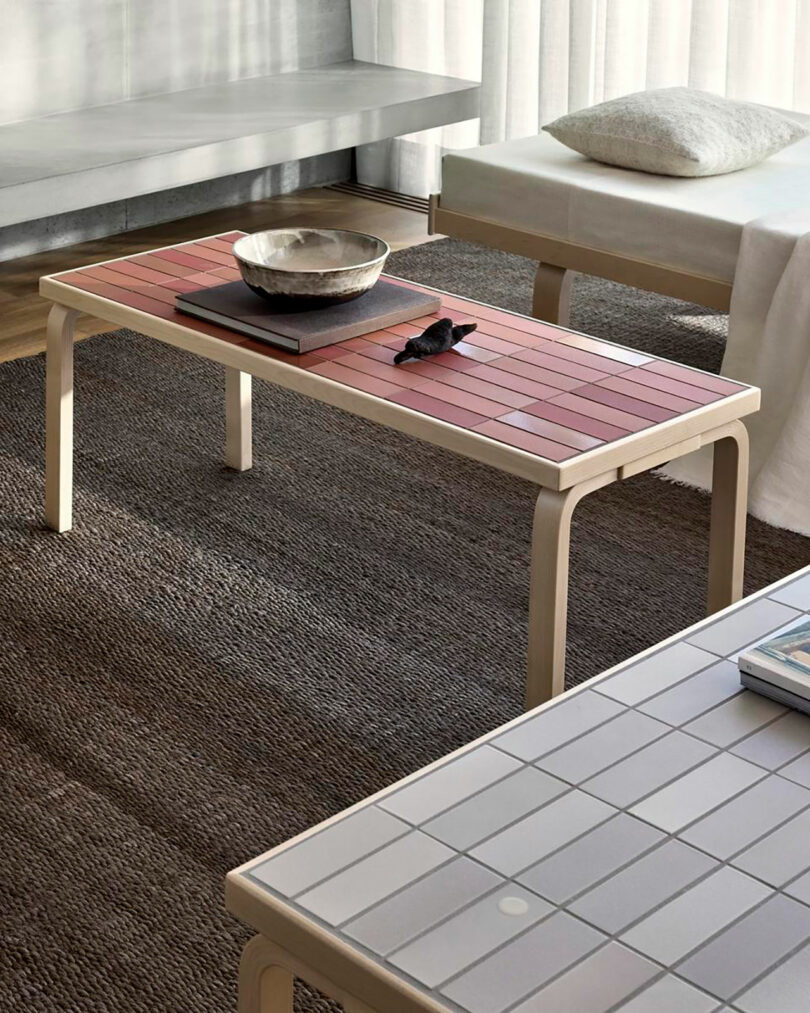
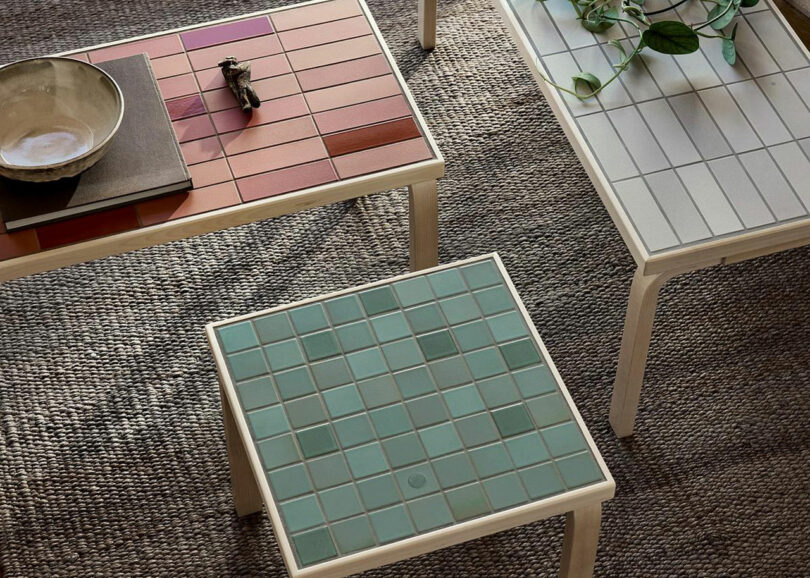
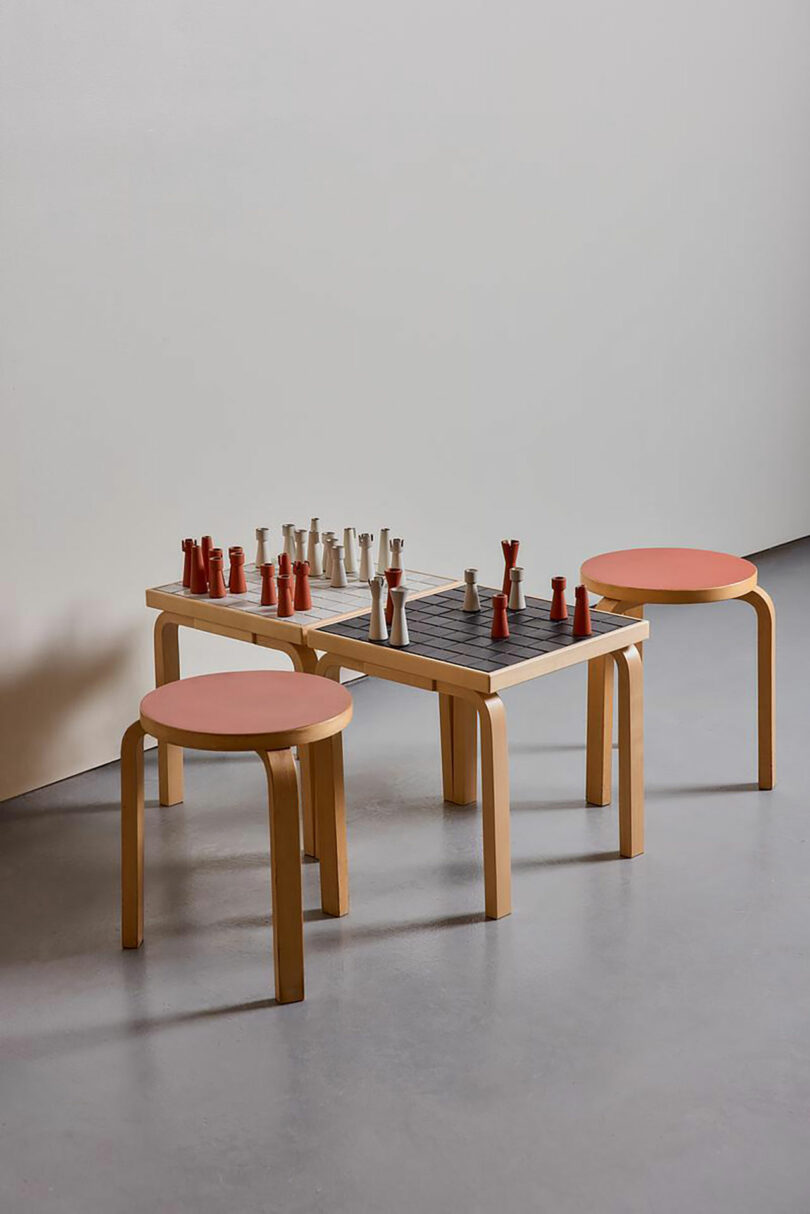
The latest Tile Table collection is presented not just as a piece of furniture, but as a "system" designed to foster creativity and personalization. The core idea remains the fusion of Artek’s elegantly simple wooden tables with Heath’s meticulously crafted ceramic tiles. These tiles are not merely fixed adornments; they are conceived as moveable elements, allowing users to "play and experiment with color and texture," as Goebl highlights. This modularity empowers individuals to tailor their tables to their specific tastes and evolving interior aesthetics, transforming a static object into an interactive design element.
The refreshed offering expands the palette to a trio of signature colorways: a vibrant green, a classic white, and the newly introduced terracotta red. The choice of terracotta red is particularly noteworthy, reflecting a broader industry trend. In recent years, there has been a discernible return to warmer, moodier hues and a resurgence of interest in design elements reminiscent of Art Deco embellishments. Terracotta, with its earthy warmth and historical resonance, perfectly aligns with this aesthetic shift, offering a sophisticated and inviting tone that can anchor a room or provide a subtle pop of color. This addition demonstrates the collaboration’s keen awareness of contemporary design currents while remaining true to its timeless principles.
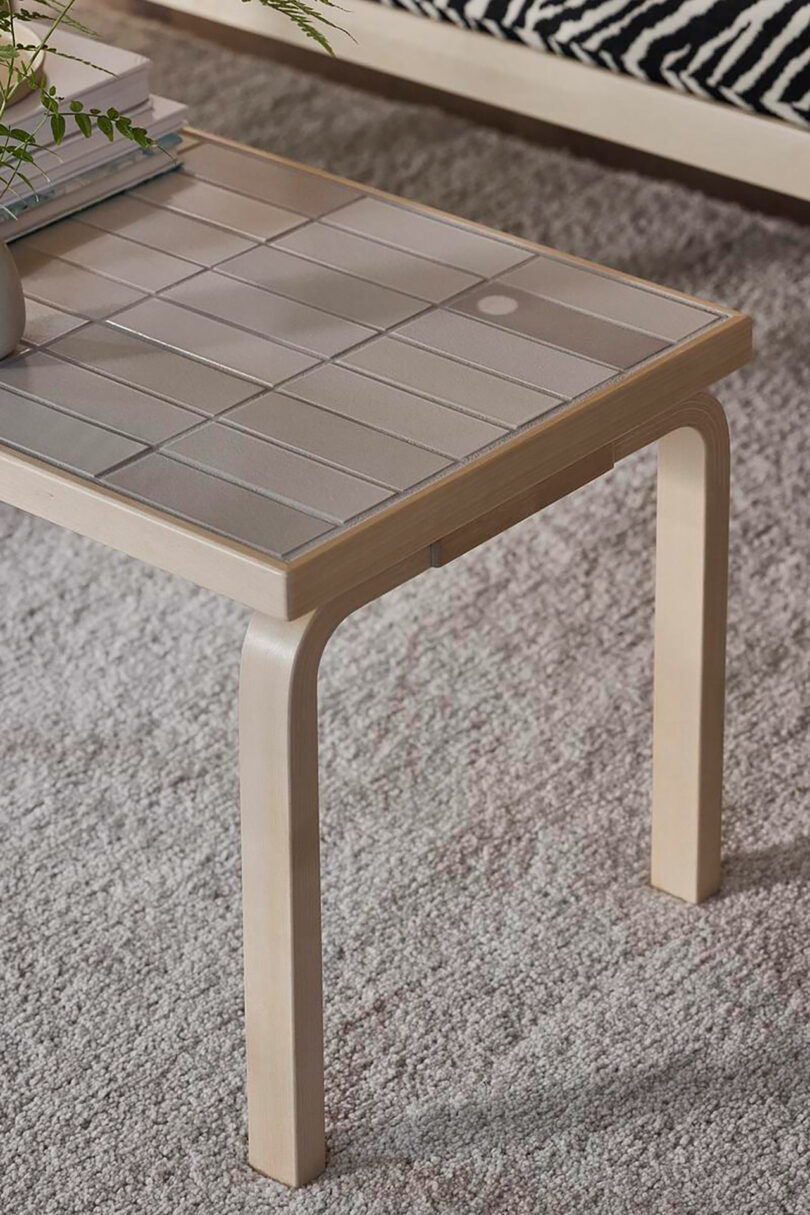
Central to the collection’s appeal is its "intersection between materiality, personality, and honesty." The wooden components of the table are simply treated, allowing the inherent beauty of the grain to shine through. This unpretentious approach to wood harmonizes with the natural, tactile quality of the ceramic tiles, creating a dialogue between the two materials. The moveable tiles, a key feature, not only offer aesthetic flexibility but also emphasize the user’s agency in shaping their living environment. The result, in Goebl’s words, are "delightful functional companions for the home," pieces that are both beautiful to behold and a joy to interact with daily.
Beyond Aesthetics: The Enduring Practicality of Ceramic Surfaces
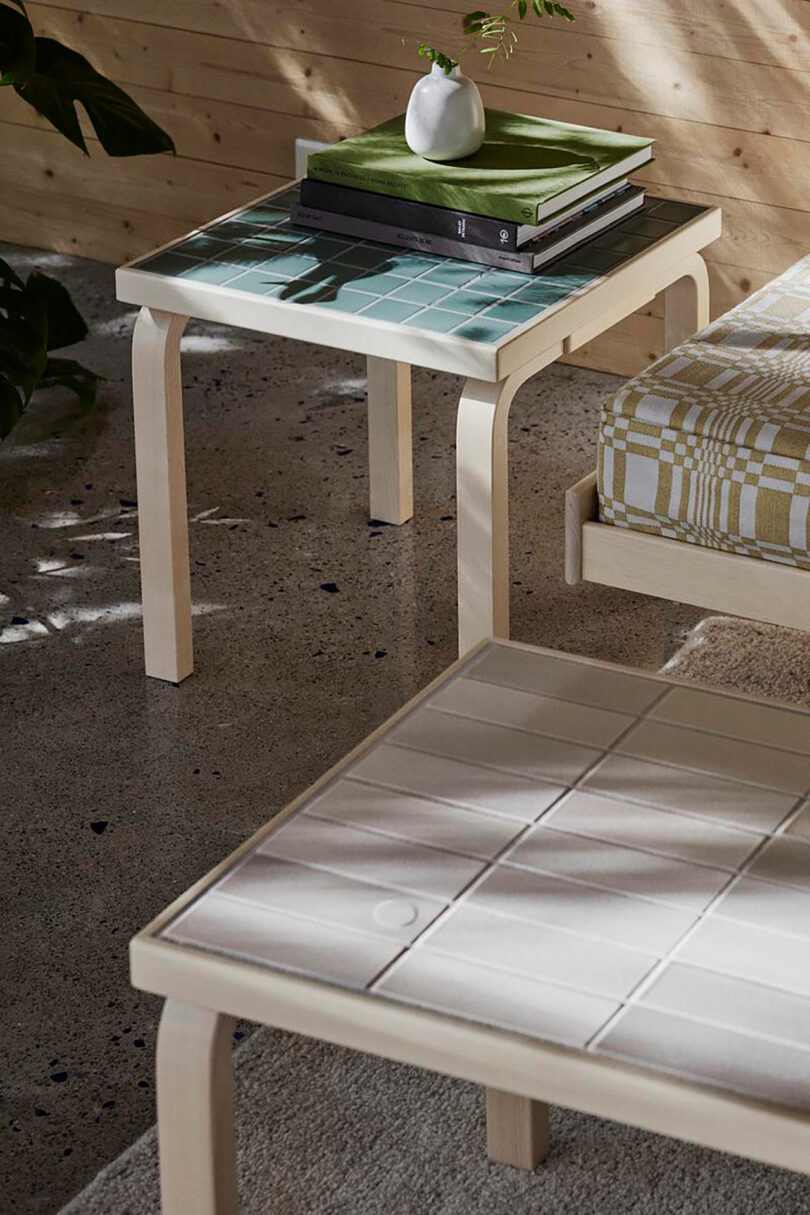
While the aesthetic appeal of the Tile Table collection is undeniable, its practical advantages are equally compelling. The application of fully glazed ceramic tiles as a table finish offers significant benefits in terms of durability, hygiene, and ease of maintenance. Ceramic tiles are inherently robust, resistant to scratches, stains, and heat, making them an ideal surface for everyday use in a bustling home or a commercial setting. Unlike more porous materials, glazed ceramic is non-absorbent, making it exceptionally hygienic and simple to clean—a quick wipe is often all that’s needed to maintain its pristine appearance.
This emphasis on practicality and longevity recalls the design sensibilities of past eras. One only needs to consider the prevalence of ceramic tiled kitchen countertops in the 1990s. These surfaces were lauded for their efficiency, cost-effectiveness, and resilience, providing a durable solution that could withstand the rigors of daily kitchen activities. While trends later shifted towards natural stones like granite and marble, which, though enduring, often come with a significantly higher price tag and specific maintenance requirements, the inherent advantages of ceramic tiles have never diminished. The Artek + Heath collaboration reintroduces these practical virtues into contemporary furniture design, offering a sensible and sustainable alternative that prioritizes function alongside form.
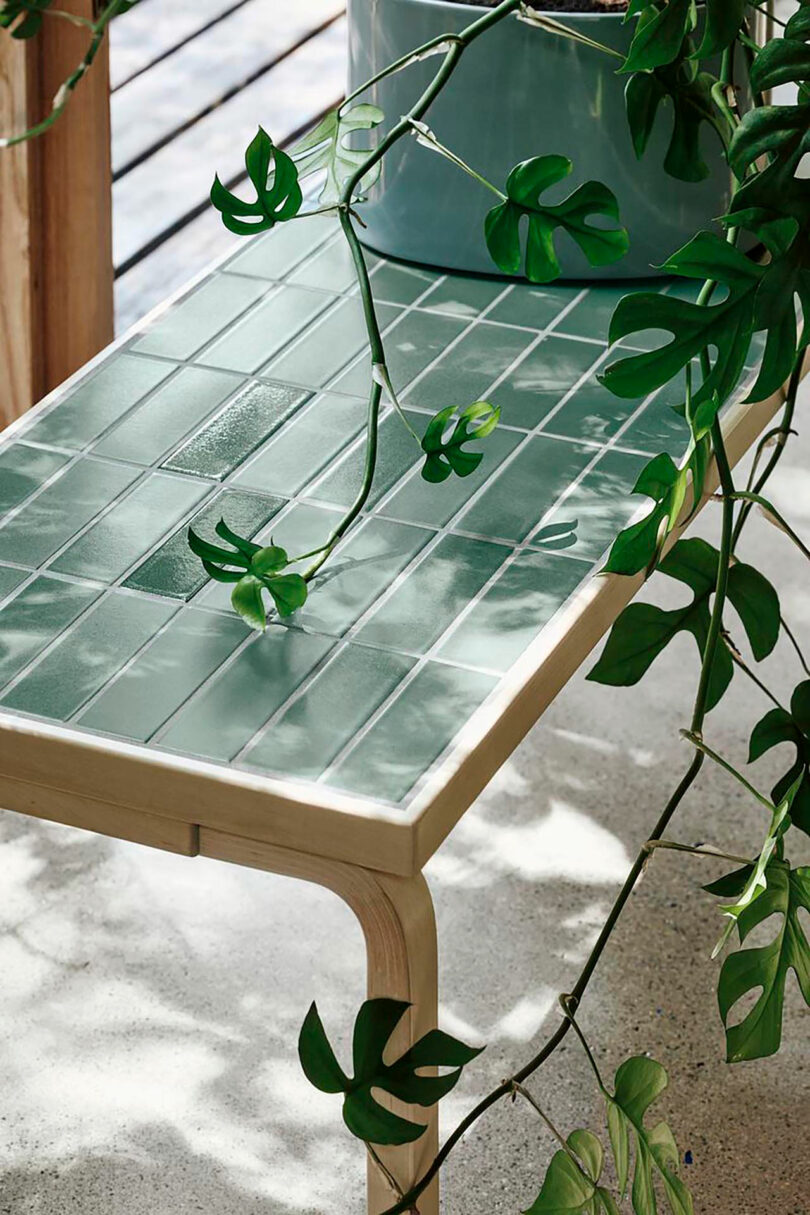
In an era increasingly concerned with sustainability and conscious consumption, the choice of durable materials that stand the test of time is more relevant than ever. By integrating ceramic tiles, the Tile Table collection offers a product designed for extended use, reducing the need for frequent replacement and contributing to a more sustainable lifestyle. This commitment to longevity is a hallmark of both Artek’s and Heath Ceramics’ legacies, reflecting a shared belief in crafting objects that age gracefully and gain character with time.
Voices from the Collaboration: A Testament to Creative Synergy
The collaborative spirit between Artek and Heath Ceramics is eloquently articulated by the leaders of both organizations. Marianne Goebl’s observation of the teams as "kindred spirits" speaks to a deep-seated philosophical alignment that transcends geographical and cultural differences. This shared understanding forms the bedrock of their partnership, allowing for a creative exchange that feels organic and authentic. Her description of the tables as "delightful functional companions" highlights the balance achieved between aesthetic pleasure and practical utility, positioning the collection as an integral part of daily life.
Further reinforcing this genuine connection, Tung Chiang, Director of Heath Clay Studio, emphasizes the foundational elements of their recurring collaboration: "What keeps us coming back to this [project] with Artek is a shared reverence for natural materials—clay, glaze, and wood—and how they respond to use over time." This statement goes to the heart of their material-driven approach. Both brands celebrate the inherent qualities of their chosen media, understanding that natural materials evolve, develop a patina, and tell a story over years of use. This appreciation for the aging process, for how an object becomes richer and more personal through interaction, is a powerful antidote to a culture of disposability.
Chiang further describes the collaboration as "both a creative exchange and a close friendship, rooted in the mutual love for thoughtful making." This insight reveals that the partnership extends beyond strategic business objectives; it is nourished by a genuine camaraderie and a shared passion for meticulous craftsmanship. Such a profound connection enables the kind of nuanced design that distinguishes this collection, where every detail reflects a thoughtful consideration of material, form, and function.
The Artek + Heath Chess Table: An Unexpected Play on Form and Function
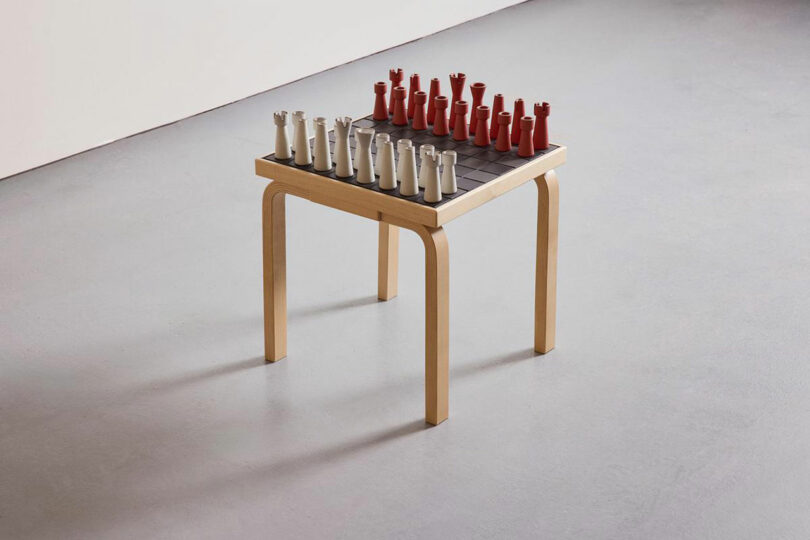
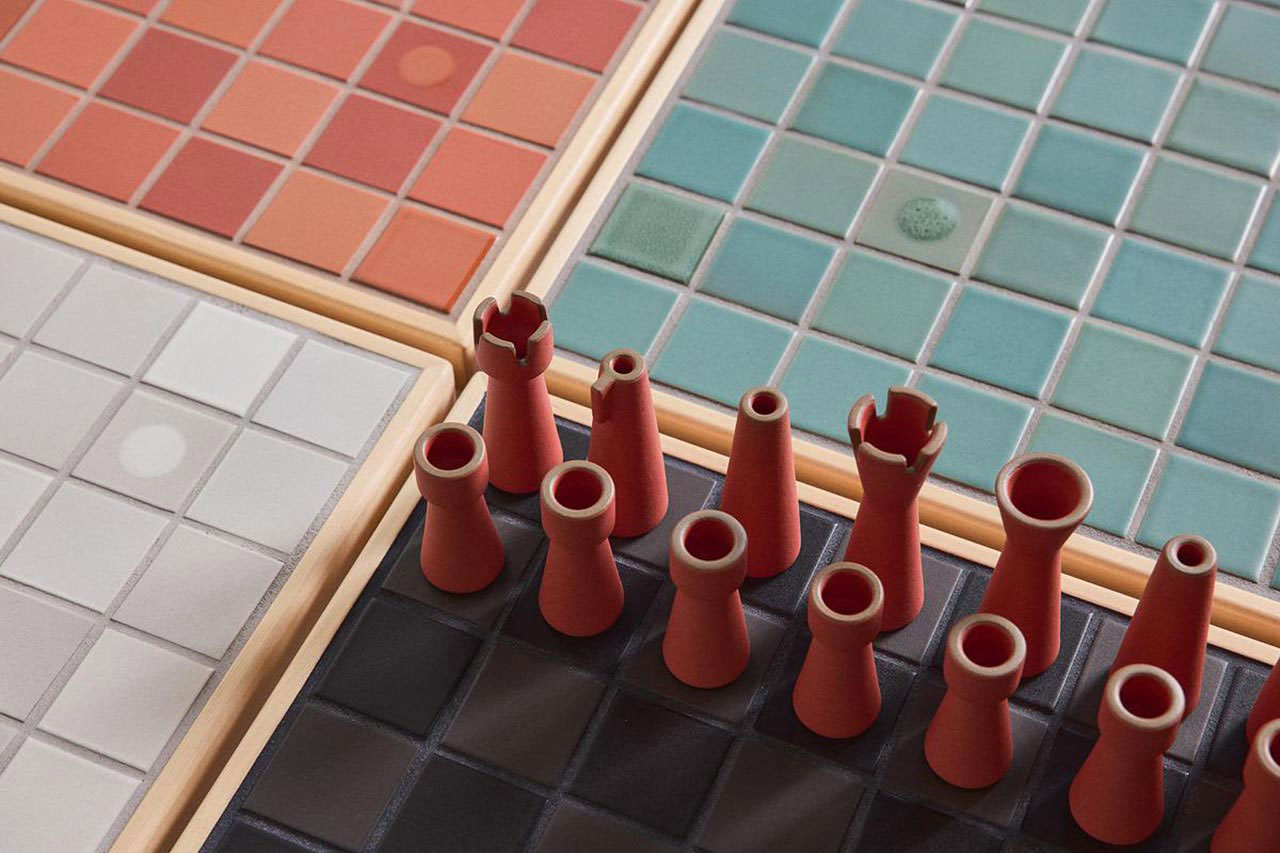
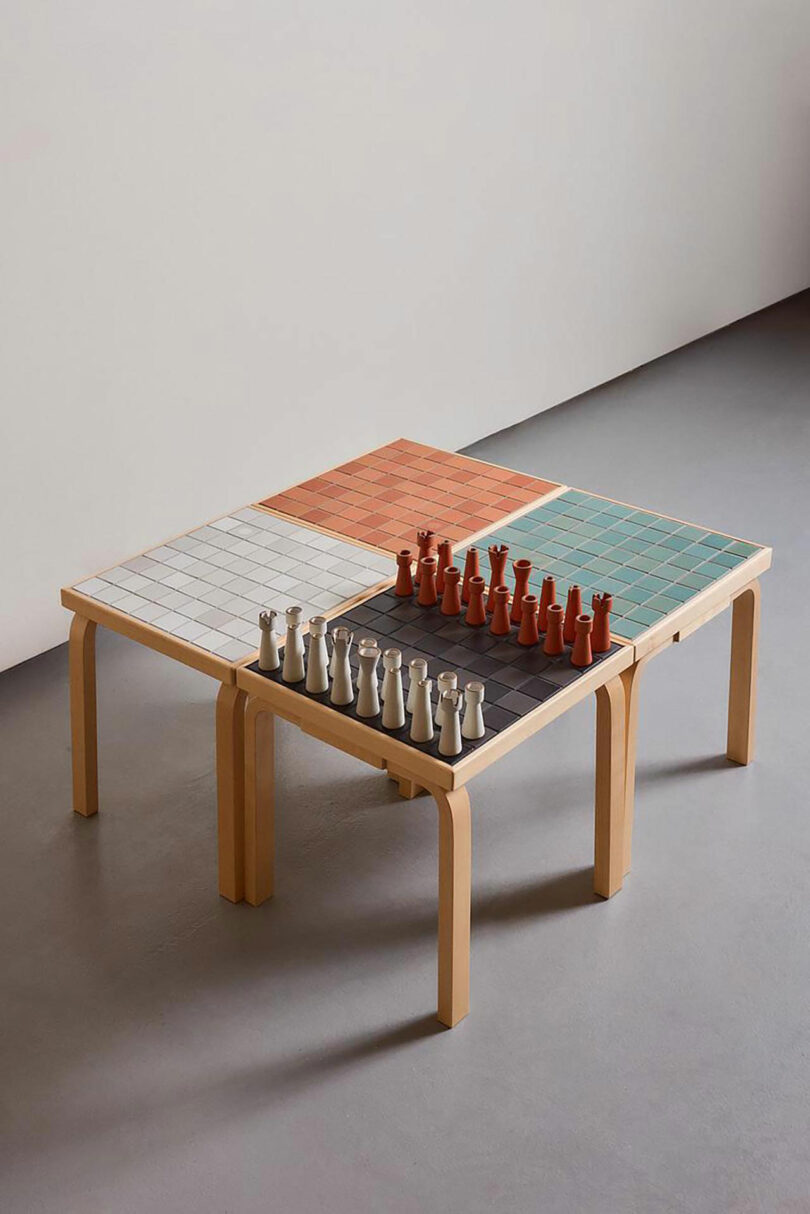
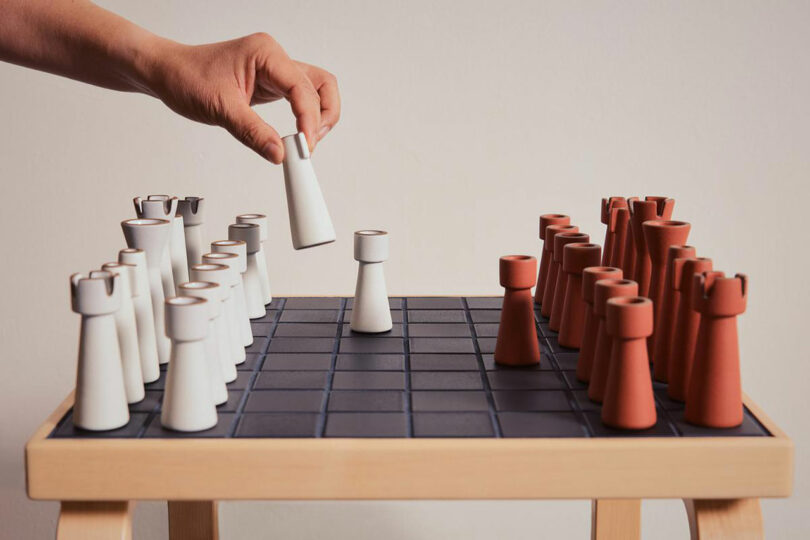
An unexpected yet utterly charming addition to the collection is the Artek + Heath Chess Table. This clever application is a direct homage to the Max Ernst chess table housed at Villa Mairea, the legendary private residence designed by Aino and Alvar Aalto. The original table, a masterpiece of art and design integration, serves as a rich source of inspiration, connecting the new collaboration to Artek’s historical roots and its founders’ innovative spirit.
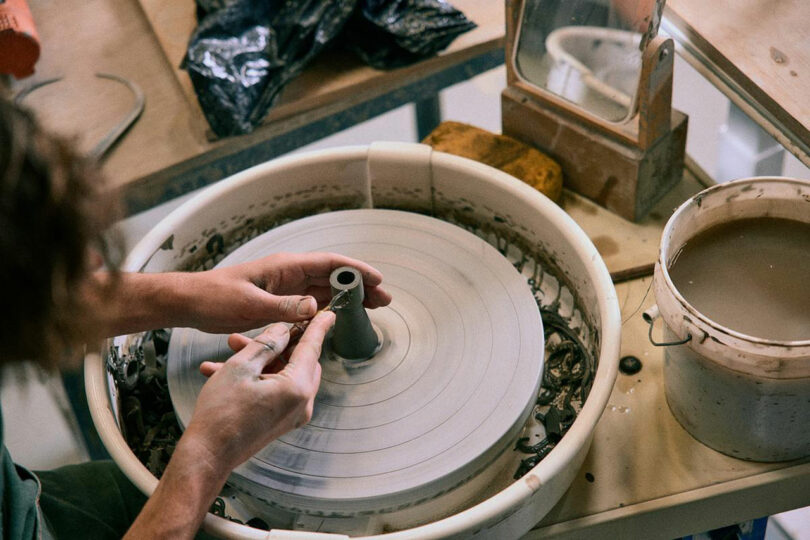
The ingeniously unexpected second application of the tiled surface as an impromptu game board seems to have emerged naturally from the inherent coherence of the tile and table typologies. The segmented nature of the tiles readily lends itself to the grid format of a chessboard, with alternating colors or textures defining the squares. To complement this unique feature, hand-thrown and hand-glazed ceramic chess pieces have been "imagined according to the previously outlined philosophy" of thoughtful making and material integrity. These pieces, crafted with the same attention to detail as Heath’s tiles, transform the table into a functional game space, inviting interaction and intellectual engagement.
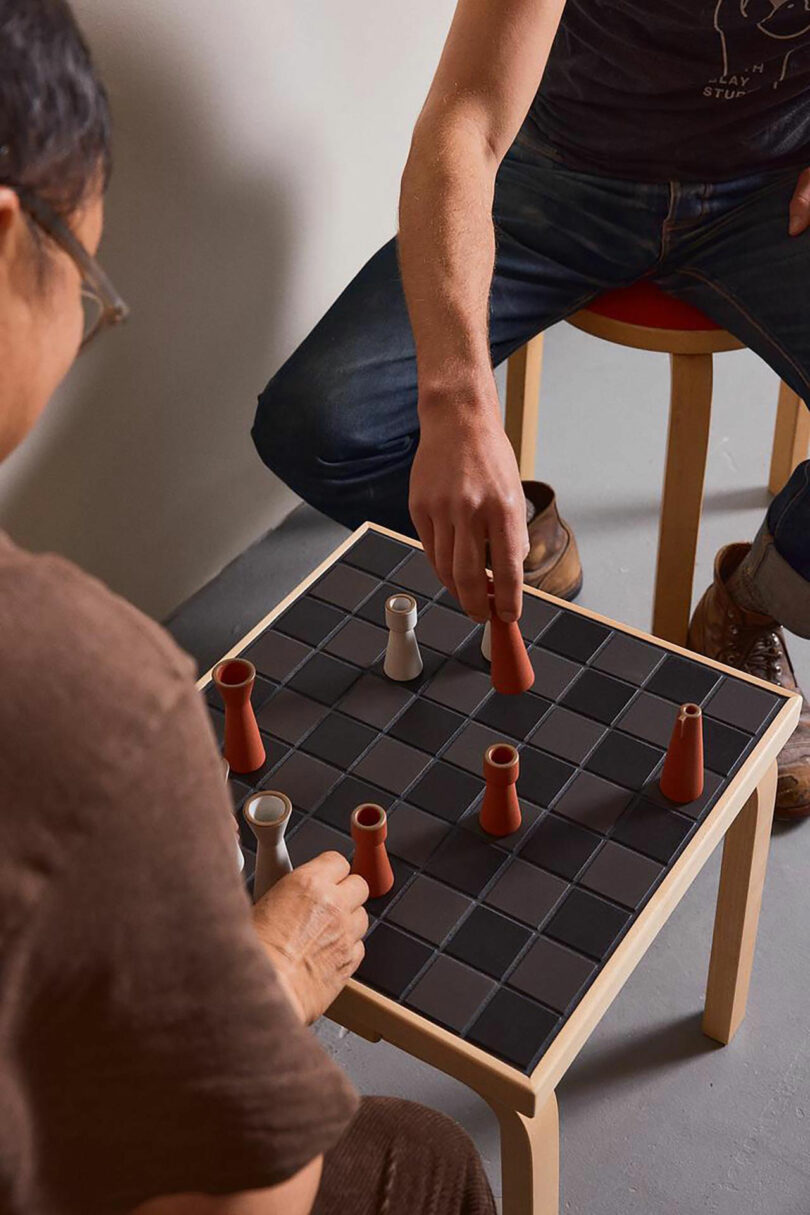
This dual functionality underscores the collection’s commitment to versatility and playfulness. It demonstrates that good design is not just about static beauty but about enhancing daily experiences in myriad ways. The possibilities of pattern configuration and unexpected function are, as the article suggests, "ostensibly, endless," encouraging users to discover new ways to interact with their furniture. The Chess Table is a testament to the power of design to surprise and delight, offering a blend of utility, artistry, and a touch of intellectual challenge.
Design Philosophy in Dialogue: Transcending Time and Place
The Artek + Heath Ceramics collaboration stands as a compelling example of how design can transcend geographical and cultural boundaries to achieve a universal appeal. Both boutique heritage producers rarely diverge from their central principles of beauty, utility, integrity, and longevity. Their new releases are almost always "nuanced reinterpretations of long-appreciated classics," rather than attempts to chase fleeting trends. This approach allows their designs to "transcend time without necessarily becoming ‘timeless’" in a generic sense. Instead, they retain a distinct character that feels both contemporary and deeply rooted in design history.
These fresh takes consistently hold fast to a long-established, underlying understanding of "succinct form-finding and resolute styling that has yet to be surpassed." This implies a mastery of essential design elements, where every curve, angle, and material choice serves a clear purpose, contributing to an overall aesthetic that is both strong and understated. The designs manage to be emphatically universal, enticing on both a visceral and visual level, without losing their distinct identities.
Interestingly, any overt "national or regional attribution"—what might be characterized as Finnish functionalism or Californian modernism—is hard to decipher in the final product. While nods to their distinct natural settings are implicit, informing material choices and color palettes (think Nordic forests for green, Californian earth for terracotta), these influences are subtly woven into the fabric of the design rather than explicitly stated. This allows the tables to fit seamlessly into diverse interior styles worldwide, speaking a design language that is universally understood and appreciated.
In a market saturated with brand collaborations that often feel "bombastic and gimmicky," the Artek + Heath Ceramics partnership distinguishes itself through its profound authenticity and logical coherence. It is a collaboration that simply "makes sense" because it is founded on genuinely shared values and a complementary expertise in crafting durable, beautiful objects from natural materials. This kind of thoughtful alliance sets a benchmark for meaningful design partnerships, demonstrating that true synergy arises from a shared philosophy rather than just a marketing opportunity.

In conclusion, the expanded Artek + Heath Ceramics Tile Table collection is more than just a series of new furniture pieces; it is a celebration of enduring design principles, a testament to the power of authentic collaboration, and an invitation to engage with functional art. By meticulously fusing the rich legacies of Finnish functionalism and Californian craft, Artek and Heath Ceramics have once again demonstrated that true innovation lies not in reinventing the wheel, but in thoughtfully reinterpreting classics with integrity, utility, and an unwavering commitment to quality. The collection, with its versatile modularity, honest materials, and practical durability, offers delightful companions for the home that promise to enrich living spaces for generations to come.







