
 Muhammad Hendra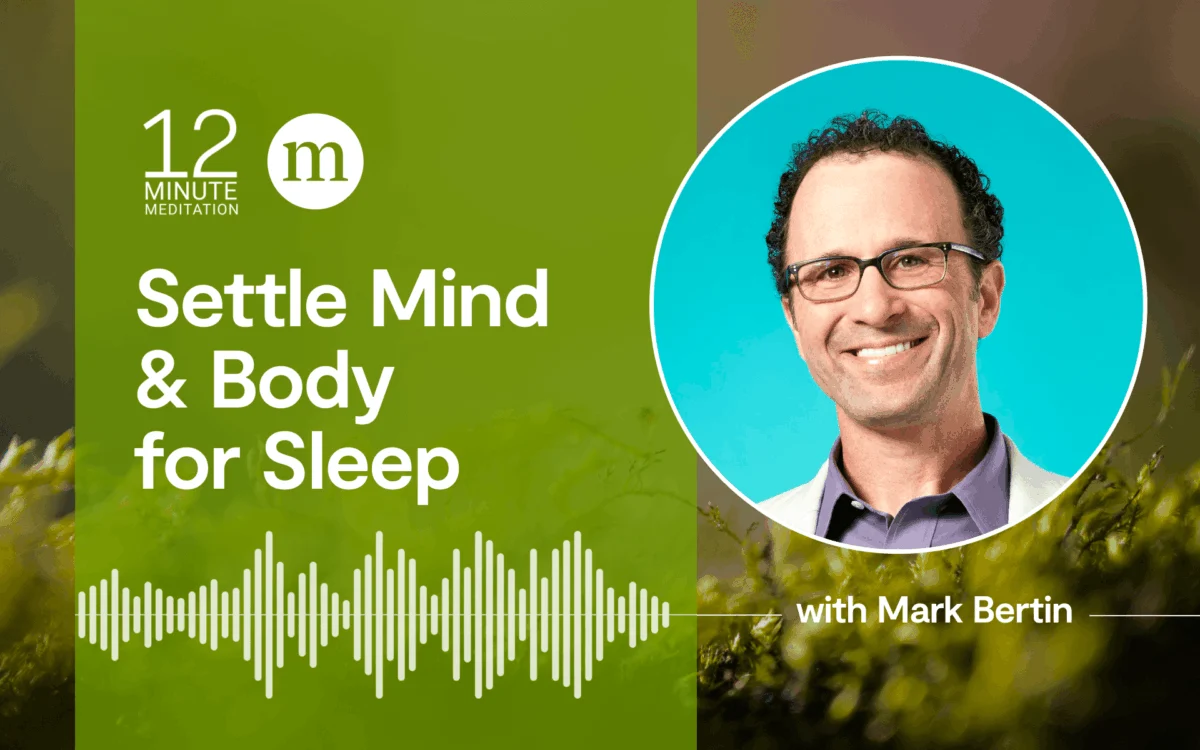
The Global Burden of Sleep Deprivation
Sleep difficulties are a widespread modern affliction, stemming from a complex interplay of factors. Work-related stress, the pressures of personal relationships, mounting financial anxieties, and even the broader geopolitical landscape contribute significantly to heightened states of arousal that impede sleep onset and maintenance. Beyond psychological stressors, physiological factors such as hormonal fluctuations, chronic health conditions, and lifestyle choices like excessive screen time or caffeine consumption further exacerbate the problem. The World Health Organization (WHO) and various national health bodies consistently highlight sleep deprivation as a significant public health concern.
According to the Centers for Disease Control and Prevention (CDC), an estimated one in three adults in the United States reports not getting enough sleep on a regular basis. Chronic insufficient sleep is linked to a litany of adverse health outcomes, including increased risks of obesity, type 2 diabetes, cardiovascular disease, and mental health disorders like depression and anxiety. Economically, the impact is staggering; a 2016 RAND Corporation study estimated that sleep deprivation costs the U.S. economy up to $411 billion annually in lost productivity, while other developed nations face similar proportional losses. This underscores the urgent need for effective, accessible interventions.
The Evolution of Mindfulness for Sleep
The integration of mindfulness into Western therapeutic practices represents a significant evolution in addressing mental and physical well-being. Originating from ancient contemplative traditions, particularly Buddhism, mindfulness was secularized and popularized in the late 20th century by figures like Jon Kabat-Zinn, who developed Mindfulness-Based Stress Reduction (MBSR) programs. These programs initially targeted chronic pain and stress, demonstrating the profound capacity of focused attention and non-judgmental awareness to alter physiological and psychological responses.
The application of mindfulness specifically to sleep disorders gained momentum as research illuminated the strong bidirectional relationship between mind states and sleep quality. Historically, sleep medicine primarily focused on pharmacological interventions or behavioral therapies like Cognitive Behavioral Therapy for Insomnia (CBT-I). While highly effective, CBT-I can be resource-intensive. Mindfulness offers a complementary or standalone approach that empowers individuals with self-regulation tools. The past two decades have seen a surge in studies investigating Mindfulness-Based Interventions (MBIs) for insomnia and general sleep improvement, marking a notable shift in the therapeutic landscape.
Scientific Underpinnings: How Mindfulness Calms the Brain
Numerous scientific studies have elucidated the mechanisms by which mindfulness meditation improves sleep. Neuroimaging research, for instance, has shown that regular mindfulness practice can lead to structural and functional changes in brain regions critical for sleep regulation and emotional processing. The amygdala, often dubbed the brain’s "fear center," shows reduced activity, while the prefrontal cortex, responsible for executive functions and emotional regulation, exhibits increased connectivity. This suggests an enhanced capacity to manage stress and anxiety that often precede sleep.
Furthermore, mindfulness positively influences the autonomic nervous system, shifting the balance from the sympathetic "fight or flight" response to the parasympathetic "rest and digest" mode. This physiological down-regulation is crucial for preparing the body for sleep. Studies published in journals such as JAMA Internal Medicine and Mindfulness have consistently reported that MBIs can significantly reduce insomnia severity, improve sleep quality, and decrease daytime impairment in various populations. These improvements are often attributed to mindfulness’s ability to:
- Reduce Rumination: By training individuals to observe thoughts without judgment, mindfulness helps detach from the cycle of worrying about past events or future anxieties that often keep minds racing at night.
- Enhance Body Awareness: Practices like body scans cultivate an awareness of physical sensations, helping individuals identify and release tension that might unconsciously contribute to restlessness.
- Improve Emotional Regulation: The ability to observe and accept emotions without being overwhelmed by them reduces the emotional reactivity that can disrupt sleep.
- Foster Present Moment Focus: Shifting attention away from sleep-disrupting thoughts and towards immediate sensory experiences, like the breath, anchors the mind in the present, reducing mental agitation.
Mark Bertin’s Practice: A Soothing Anchor for Rest
Mark Bertin, a developmental pediatrician and mindfulness instructor, offers a guided practice that epitomizes the therapeutic application of mindfulness for sleep. His method centers on utilizing the breath as a constant, calming anchor, gently guiding individuals away from the mental chatter and physical tension that characterize pre-sleep restlessness. This practice is designed not as a quick fix, but as a consistent tool to reprogram the body and mind for rest.
The core of Bertin’s approach involves a structured sequence of mindful attention:
- Establishing a Gentle Posture: The practice typically begins with finding a comfortable, supported position, either lying down or sitting, allowing the body to feel at ease. This initial step signals to the body that it is safe to relax.
- Focusing on the Breath: Attention is then drawn to the natural rhythm of the breath – the sensation of air entering and leaving the nostrils, the rise and fall of the abdomen. This focal point serves as a non-demanding anchor, allowing the mind to gently return whenever it wanders.
- Observing Body Sensations: A gradual "body scan" may be incorporated, moving awareness systematically through different parts of the body. This helps identify areas of tension and consciously encourages their release, promoting a deeper state of physical relaxation.
- Acknowledging Thoughts and Emotions: Rather than attempting to suppress racing thoughts or worries, the practice encourages their acknowledgment without engagement. Thoughts are viewed as transient phenomena, like clouds passing in the sky, allowing for a dispassionate observation that reduces their power to disturb.
- Cultivating a Sense of Softness: Throughout the practice, there’s an emphasis on cultivating gentleness and kindness towards oneself, softening any internal resistance to relaxation or sleep.
Experts like Bertin emphasize that consistent engagement with such practices serves as a powerful signal to the brain and body, conditioning them for restorative rest. "The more regularly you engage with these mindful practices," Bertin’s work suggests, "the more effectively your nervous system learns to downshift, recognizing these cues as a clear signal that it’s time for profound rest." This consistency builds a neural pathway for relaxation, making it easier to transition into sleep over time.
Integrating Mindfulness into Daily and Nightly Routines
The strength of Bertin’s sleep practice, and indeed many mindfulness-based interventions, lies in its adaptability and cumulative benefits. It is positioned not merely as a remedy for acute sleeplessness but as a valuable component of a regular sleep hygiene routine. By incorporating this practice nightly, individuals can proactively prepare their minds and bodies for sleep, rather than waiting for restlessness to strike.
The accessibility of such practices, often available through guided audio sessions or written scripts, makes them a practical tool for a broad audience. Unlike pharmacological sleep aids, mindfulness carries no risk of side effects, dependency, or withdrawal. Instead, it equips individuals with a transferable skill set for self-regulation, promoting long-term well-being beyond just sleep improvement. Many individuals report that consistent practice not only enhances sleep but also cultivates greater calm, focus, and emotional resilience during waking hours. This holistic impact reinforces its value as a foundational self-care strategy.
Broader Implications and Future Outlook
The growing acceptance and scientific validation of mindfulness for sleep signify a broader shift in healthcare towards integrative and preventive approaches. Public health initiatives are increasingly recognizing the importance of mental wellness and stress reduction as integral components of overall health. As technology continues to advance, the proliferation of mindfulness apps, wearables monitoring sleep patterns, and virtual reality platforms offering immersive meditation experiences will likely make these practices even more accessible and personalized.
The implications extend to workplace wellness programs, educational curricula, and clinical settings, where mindfulness training can be incorporated to mitigate stress and improve sleep among employees, students, and patients. This proactive approach to sleep health has the potential to alleviate the burden on healthcare systems, reduce reliance on pharmaceuticals, and empower individuals to take a more active role in managing their own well-being. The enduring message from practitioners like Mark Bertin is clear: by cultivating a mindful relationship with our internal experiences, we unlock a powerful, natural capacity for profound rest and enhanced vitality.