Cintya Tara Annisa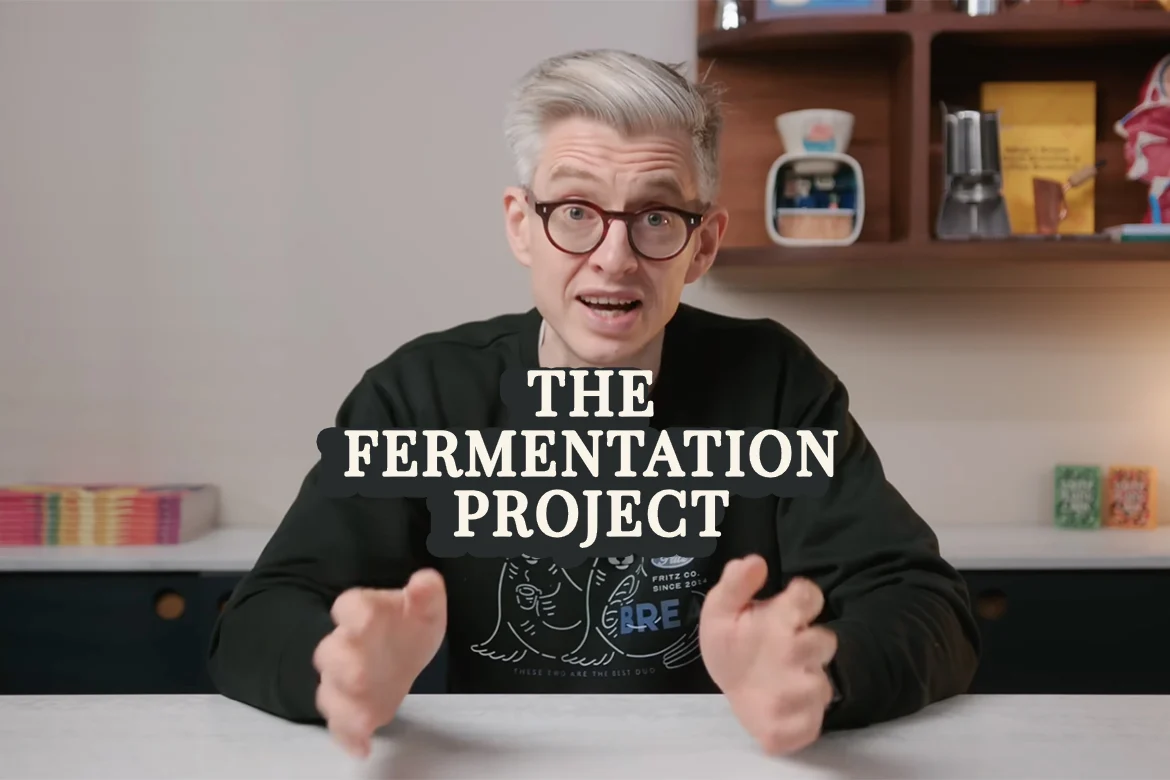
James Hoffmann, the 2007 World Barista Champion, prolific author, and co-founder of London’s Square Mile Coffee Roasters, has officially announced his next large-scale educational endeavor: The Fermentation Project. This initiative marks a significant follow-up to his 2023 global cupping event, which focused on the complexities of decaffeination and achieved unprecedented scale by distributing approximately 30,000 tasting kits to coffee enthusiasts and professionals across the globe. For the 2024 edition, Hoffmann is shifting the industry’s focus toward one of the most critical yet frequently misunderstood stages of coffee production: fermentation.
The Fermentation Project is designed as a collaborative, worldwide exploration of how different fermentation methods influence the final sensory profile of a coffee. To ensure scientific and technical rigor, Hoffmann has partnered with Lucia Solis, a highly respected fermentation designer and host of the "Solis" podcast. Solis, a former winemaker, has spent years bridging the gap between enology and coffee processing, advocating for a more controlled and intentional approach to microbial activity at the farm level. Her inclusion in the 2021 Sprudge Twenty cohort underscores her influence as a thought leader in the specialty coffee sector.
The Scope and Objectives of The Fermentation Project
At the heart of the project is a single lot of coffee sourced from Guatemala. This choice of origin is strategic, as Guatemalan coffees are renowned for their balance and clarity, providing an ideal "blank canvas" for observing the nuances introduced by processing. This single lot has been divided into four distinct micro-lots. Each micro-lot has undergone a different, controlled fermentation process under the guidance of Solis.
Unlike many contemporary "experimental" lots that utilize "weird and wacky" techniques—such as the addition of fruit, spices, or extreme anaerobic environments that can mask the inherent qualities of the bean—The Fermentation Project focuses on the fundamentals. The goal is to isolate the variables of fermentation to demonstrate how specific yeast or bacterial interactions, temperature controls, and durations affect the acidity, body, and aromatic complexity of the coffee. This educational focus aims to demystify the "funky" labels often associated with fermented coffees and replace them with a foundational understanding of microbial impact.
Building on the Success of the 2023 Decaffeination Project
The scale of this year’s event is informed by the massive logistical success of Hoffmann’s previous project. In 2023, the global decaffeination cupping shattered records for simultaneous coffee tastings. By providing consumers with high-quality decaffeinated samples processed through various methods (such as Swiss Water or Ethyl Acetate), Hoffmann successfully challenged the long-standing stigma that decaf coffee is inherently inferior.
The Fermentation Project seeks to replicate this impact but targets a broader segment of the supply chain. While last year’s event was heavily consumer-facing, the 2024 project is placing a significant emphasis on the participation of professional coffee roasters. By involving roasters directly, the project creates a "trickle-down" educational effect, where local businesses can share the findings and the coffee with their own customer bases, further amplifying the project’s reach.
Logistics and Roaster Participation
A notable change in this year’s logistics is the offering of the four Guatemalan lots in half-bag increments. In the global coffee trade, green coffee is typically sold in full bags (usually 60kg or 69kg depending on the origin). By offering half-bags, the project lowers the barrier to entry for smaller, independent boutique roasters who may not have the volume requirements or capital to purchase four full bags of experimental lots.
This democratization of access is a key pillar of Hoffmann’s strategy. It allows roasters from diverse geographic locations—from small towns in the American Midwest to bustling metropolitan areas in Southeast Asia—to participate in a synchronized global event. Interested roasters are currently being encouraged to sign up for The Fermentation Project newsletter. This platform serves as the primary communication channel for technical data, pricing structures, and shipping schedules. Hoffmann has clarified that signing up for the newsletter is an expression of interest rather than a binding commitment, allowing roasters to review the full project specifications before opting in.
The Science of Coffee Fermentation
To understand the importance of this project, one must look at the evolving science of coffee processing. Historically, fermentation in coffee was viewed primarily as a mechanical necessity—a way to remove the sticky mucilage from the parchment of the bean after pulping. However, research over the last decade has shown that the metabolic byproducts of yeast and bacteria during this stage are responsible for creating many of the precursor compounds that turn into flavors during the roasting process.
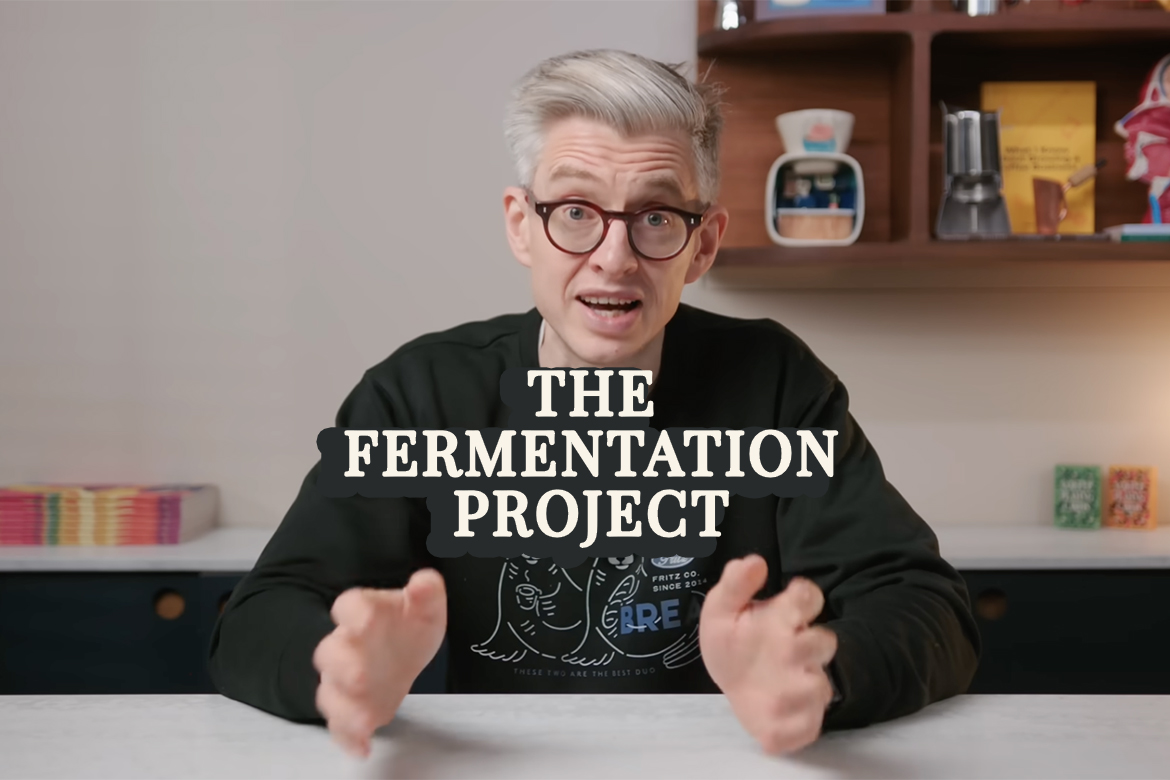
Lucia Solis has been a vocal advocate for "processing by design." Her methodology often involves the use of specific commercial yeast strains, similar to those used in the wine industry, to ensure clean, repeatable, and high-quality results. The Fermentation Project will likely highlight these controlled environments, showing that fermentation is not merely a "wild" or "natural" occurrence but a tool that can be wielded by producers to enhance the value of their crops. This has significant economic implications for producers, as coffees with superior or unique flavor profiles can command significantly higher prices on the specialty market.
Chronology of the Event
The timeline for The Fermentation Project is structured to allow for global shipping and roasting schedules. Following the initial announcement and the recruitment of roasters, the project will move into the distribution phase.
- Late Spring: Finalization of roaster sign-ups and distribution of green coffee samples and half-bags.
- Early June: Roasters receive the coffee and begin developing roast profiles tailored to the specific fermentation characteristics of the four lots.
- Late June to Early July: The tentative window for the live global cupping. This event will be broadcasted, likely via Hoffmann’s YouTube channel, allowing thousands of people to taste the coffees simultaneously and compare notes in real-time.
This synchronized tasting creates a massive, real-time data set of sensory experiences, providing a unique look at how different water chemistries, brewing methods, and roasting styles interact with the same fermented base products.
Broader Industry Implications and Analysis
The Fermentation Project arrives at a time when the specialty coffee industry is grappling with transparency and the definition of "processed" coffees. In recent years, the rise of "thermal shock," "anaerobic maceration," and "co-fermented" coffees has sparked debate among purists and innovators. Some argue that heavy processing obscures the "terroir" or the natural taste of the land, while others see it as a necessary evolution to keep consumers engaged and to help farmers mitigate the effects of climate change on crop quality.
By focusing on the fundamentals, Hoffmann and Solis are positioning themselves as mediators in this debate. They are providing the industry with a baseline of knowledge that distinguishes between the natural transformative power of fermentation and the additive nature of more extreme processing methods.
Furthermore, the project highlights the power of digital communities in the specialty coffee world. James Hoffmann’s YouTube channel, which boasts millions of subscribers, has become a central hub for coffee education. This project demonstrates how a digital platform can be used to coordinate physical, real-world commerce and education on a global scale. The economic impact of 30,000+ tasting kits—and the potential sale of hundreds of half-bags of green coffee—is a testament to the influence of "influencer" led education in modern niche markets.
Conclusion: A Global Sensory Experiment
The Fermentation Project is more than just a coffee tasting; it is a global sensory experiment that challenges the boundaries of traditional coffee education. By bringing together the technical expertise of Lucia Solis and the massive reach of James Hoffmann, the project offers a rare opportunity for both professionals and amateurs to engage with the science of coffee in a tangible way.
As the industry moves toward the live cupping event in the summer of 2024, the focus remains on the newsletter and the recruitment of roasters. This phase is crucial for ensuring the project’s success, as the roasters will serve as the conduits through which the Guatemalan micro-lots reach the global public. For those involved in the specialty coffee trade, The Fermentation Project represents a significant moment of collective learning, potentially setting a new standard for how processing techniques are understood and communicated to the world.
For more information and to track the progress of this initiative, stakeholders and enthusiasts are directed to the official website of The Fermentation Project, where the ongoing narrative of these four Guatemalan lots will continue to unfold.