
 Ali Ikhwan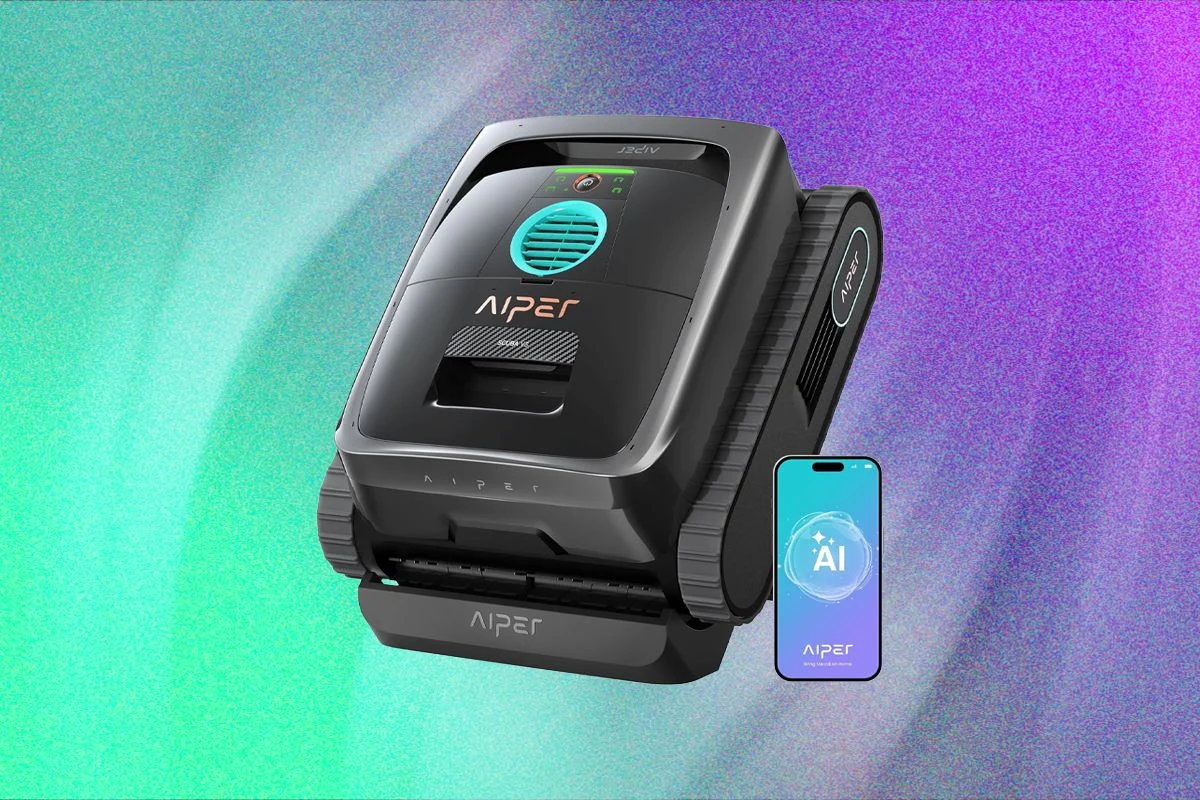
The Scuba V3 represents a significant technological pivot for Aiper, a company that has rapidly ascended the ranks of the domestic robotics market by focusing on the niche but high-demand sector of automated pool maintenance. As the flagship entry in their latest product lineup, the Scuba V3 is positioned as a sophisticated solution for residential pool owners, boasting an integrated artificial intelligence camera system and advanced navigation algorithms designed to minimize manual intervention. However, a rigorous evaluation of the device’s performance reveals a complex landscape of impressive hardware capabilities tempered by software inconsistencies and logistical challenges that highlight the current limitations of cordless robotic pool technology.
Core Specifications and Market Positioning
The Aiper Scuba V3 enters a competitive landscape currently dominated by long-standing players like Maytronics and Hayward, as well as newer, tech-focused startups. To differentiate itself, Aiper has outfitted the Scuba V3 with a robust hardware suite designed to handle large residential pools. The device is officially rated to cover a maximum surface area of 1,600 square feet, placing it in the upper echelon of consumer-grade cordless cleaners. This coverage is supported by a high-capacity lithium-ion battery system that facilitates a continuous operating window of approximately three hours.
Central to the Scuba V3’s value proposition is its dual-motor system, which provides the suction power necessary for debris collection while simultaneously driving the mechanical brushes required for scrubbing the pool floor, walls, and the often-neglected waterline. Unlike traditional suction-side or pressure-side cleaners that rely on the pool’s existing filtration pump, the Scuba V3 is a self-contained unit. This independence reduces wear on the pool’s primary plumbing and allows for more targeted cleaning patterns.
Performance Metrics and Debris Management
In empirical field testing, the Scuba V3 demonstrated a high degree of efficacy in its primary function: the removal of detritus from the pool environment. During standard test runs, the unit consistently operated for durations ranging between 170 and 190 minutes before the battery reached its critical threshold. This runtime is notably efficient, as the robot managed to clear the vast majority of visible debris within the first two hours of operation.
The integration of the AI camera system appears to offer tangible benefits in obstacle detection and pathing. During controlled tests involving the introduction of foreign objects—such as small pebbles and synthetic leaves—the Scuba V3’s visual sensors correctly identified the debris. The robot’s onboard processor then routed the unit to collect these items with a high degree of precision. In scenarios involving synthetic debris, the Scuba V3 achieved a 96 percent cleanliness rating. The remaining four percent of debris was largely confined to difficult-to-reach corners, a common challenge for rectangular or oval-shaped robotic cleaners.
The device’s ability to transition from the pool floor to the vertical walls is a critical performance indicator. The Scuba V3 utilizes its internal pumps to create the necessary downforce to maintain contact with vertical surfaces, allowing it to scrub the waterline where algae and calcium deposits frequently accumulate. This multi-surface capability is essential for comprehensive pool maintenance, reducing the need for manual brushing by the homeowner.
The Software Gap: AI Navium and Scheduling Realities
While the hardware of the Scuba V3 performs at a high level, the software integration presents a more inconsistent experience. Aiper has heavily marketed its "AI Navium" mode, a feature that suggests a high level of environmental awareness. In promotional materials, this mode implies that the robot uses its AI camera to periodically survey the pool’s cleanliness throughout the week, deploying itself only when it detects a build-up of debris.
However, technical analysis reveals that the AI Navium mode is less an autonomous surveillance system and more a predictive scheduling algorithm. Rather than performing real-time visual surveys of the pool’s state, the system analyzes the history of previous cleaning runs and uses that data to generate a schedule for the following days. This distinction is significant for consumers expecting a "set and forget" device that responds to environmental changes, such as a sudden influx of leaves after a storm.
Furthermore, the implementation of scheduled operational modes has encountered technical hurdles. The Aiper app offers a calendar-based mode with three frequency levels: 90 minutes twice a week, 60 minutes three times a week, or 45 minutes four times a week. During testing, these schedules were frequently ignored or executed incorrectly. In one instance, after analyzing the pool, the app suggested a five-day schedule that mixed floor-only runs with full-pool cleanings. However, the robot failed to adhere to this plan, instead performing a full three-hour run that exhausted the battery immediately, followed by unscheduled runs late at night. These discrepancies suggest that the firmware and cloud-based synchronization for the Scuba V3 require further refinement to meet the reliability standards expected of premium smart home devices.
The 10-Minute Retrieval Window and Engineering Trade-offs
One of the most unique, yet potentially frustrating, aspects of the Scuba V3’s design is its end-of-cycle behavior. Because the Scuba V3 is a cordless, heavy-duty robot, it does not possess inherent buoyancy. To facilitate retrieval, the robot is programmed to climb to the waterline at the end of its cleaning cycle.
Once at the waterline, the Scuba V3 sends a push notification to the user’s smartphone via the Aiper app. However, because the robot must actively run its motors to "tread water" and stay at the surface, it can only maintain this position for approximately 10 minutes using its remaining battery reserves. If the user does not retrieve the robot within this window, the device loses power and sinks to the bottom of the pool. Once submerged at the floor, the robot must be retrieved manually using a traditional pool pole and hook.
This "10-minute rule" necessitates a level of user vigilance that may conflict with the goal of automated cleaning. Industry analysts note that this is a common engineering trade-off in the cordless segment; adding enough flotation to make the device buoyant would compromise its ability to stay pinned to the pool floor during high-suction cleaning operations. For the consumer, this means that while the cleaning is automated, the retrieval process remains time-sensitive.
Maintenance and Filtration Challenges
The Scuba V3 utilizes a dual-layer filtration system designed to capture everything from large leaves to fine silt. The filter basket features a large lid, making the initial removal of bulky debris straightforward. However, the secondary fine-mesh filter presents a significant maintenance challenge.
While the mesh is highly effective at capturing micro-particles—achieving a level of water clarity that rivals high-end sand filters—the material is difficult to clean thoroughly. Debris often becomes trapped between the mesh and the structural basket. Removing the mesh for a deep clean is a cumbersome process, particularly when the components are wet. Testing suggests that most users will likely opt for a superficial hosing of the filter, which may lead to a gradual decrease in suction efficiency over time if the mesh becomes permanently clogged with fine particulates.
Broader Industry Implications and Future Outlook
The release of the Aiper Scuba V3 highlights the rapid evolution of the robotic pool cleaner market. As lithium-ion technology becomes more affordable and AI-on-the-edge processing more powerful, the industry is moving away from the cumbersome "tethered" models of the past. However, the Scuba V3 also serves as a case study for the "software-hardware gap" currently affecting many smart home sectors.
From a journalistic perspective, the Scuba V3 is a product of high ambition. Its ability to achieve a 96 percent cleanliness rating in under three hours is a testament to the progress made in underwater propulsion and suction technology. Yet, the failures in its AI-driven scheduling and the logistical hurdle of the 10-minute retrieval window indicate that the "smart" aspect of these devices is still in its nascent stages.
For Aiper, the path forward likely involves significant firmware updates to stabilize the app-to-hardware communication and a more transparent marketing approach regarding the capabilities of its AI systems. For the broader market, the Scuba V3 sets a high bar for cleaning performance that competitors will have to match, even as they attempt to solve the battery and buoyancy limitations that currently prevent a truly autonomous, "hands-off" pool maintenance experience.
In conclusion, the Aiper Scuba V3 is a powerful, highly capable cleaning machine that excels in the physical task of removing dirt and debris. Its innovative use of visual AI for navigation is a glimpse into the future of the industry. However, potential buyers must weigh these cleaning successes against a software ecosystem that is still maturing and a maintenance routine that requires more manual intervention than the "AI" branding might initially suggest. As the product matures through software iterations, it may yet fulfill its promise of being the definitive solution for modern pool care.







