Angie Faith
The publishing industry, a cornerstone of cultural dissemination and intellectual discourse, is confronting an unprecedented challenge: the burgeoning influence of artificial intelligence (AI) in content creation. This complex dynamic has recently ensnared a major traditional publisher, Hachette, forcing a significant retraction and sparking broader anxieties about authorship, authenticity, and the integrity of the literary marketplace. The incident, centered around a self-published horror novel that Hachette had acquired and planned for U.S. release, underscores the growing difficulties faced by established entities in navigating the rapidly evolving landscape of AI-generated and AI-assisted literary works.
The controversy began to unfold when Hachette, one of the "Big 5" publishing houses, announced its decision to withdraw the U.K. edition of Mia Ballard’s horror novel, Shy Girl, and cancel its forthcoming U.S. publication. This abrupt action followed allegations that the novel, which had garnered significant attention as a self-published success, was substantially generated or heavily assisted by artificial intelligence. The publisher’s move reflects a growing industry-wide unease and a reactive posture to the potential for AI to blur the lines of human authorship and artistic integrity.
Background: The Rise of AI in Content Creation and Publishing
The proliferation of sophisticated AI language models, such as GPT-3 and its successors, has democratized content creation to an extent previously unimaginable. These tools can generate text that is often indistinguishable from human writing, leading to an explosion of easily produced content across various platforms, including online retailers like Amazon. While AI can serve as a powerful tool for writers, researchers, and creatives, its application in generating entire literary works without significant human oversight or disclosure presents a new set of ethical and practical dilemmas for the publishing world.
The self-publishing boom, which has seen a dramatic increase in the number of books available, has been partly fueled by the accessibility of AI tools. This has led to a surge in titles, some of which are of questionable quality or origin. Industry observers have noted a rise in what is sometimes termed "AI slop" – low-quality, often repetitive content churned out by AI with minimal human intervention, aimed at exploiting algorithmic discovery on online platforms. The Shy Girl case, however, represents a more sophisticated challenge, where AI assistance may have been used to enhance or generate a manuscript that could pass initial scrutiny.
Chronology of the Hachette Incident
The timeline of events surrounding Shy Girl reveals a swift and decisive response from Hachette once the allegations surfaced. The novel initially gained traction in the self-published market, reportedly achieving significant sales and critical buzz, leading to its acquisition by a major traditional publisher. Hachette proceeded with plans for a U.K. release and a subsequent U.S. launch.
However, the narrative shifted dramatically with the emergence of claims regarding the novel’s AI authorship. According to a report by Alexandra Alter in The New York Times, the author, Mia Ballard, stated in an email to the newspaper that an acquaintance had utilized AI to edit Shy Girl. This admission, coupled with broader industry concerns about AI-generated content, prompted Hachette to reassess its position.
The publisher’s decision to withdraw the U.K. edition and cancel the U.S. release signals a zero-tolerance approach to undisclosed AI generation in its acquisitions. This action, taken swiftly, suggests that Hachette prioritized reputational risk and adherence to publishing standards over the potential commercial success of the title.
Industry-Wide Implications and Analysis
The Shy Girl incident is not an isolated event but rather a symptom of a larger, systemic challenge facing the entire publishing ecosystem. The implications are far-reaching:
- Authenticity and Authorship: The core of the issue lies in the definition of authorship. When a significant portion of a book is generated by AI, who is the author? Is it the individual who prompts the AI, the AI itself, or a combination? The lack of clear industry standards for disclosing AI assistance leaves readers and publishers in a precarious position. This case highlights the potential for authors to leverage AI without full transparency, undermining the trust between creators and consumers.
- Market Integrity: The influx of AI-generated content, particularly if not clearly labeled, can distort the literary market. It can make it harder for genuine human authors to gain visibility and recognition. Furthermore, publishers who acquire and promote AI-generated works without due diligence risk damaging their credibility and alienating their readership. The ease with which AI can produce content also raises concerns about the devaluation of human creativity and the labor involved in writing.
- Ethical Guidelines and Disclosure: The publishing industry is grappling with the urgent need for robust ethical guidelines and clear disclosure policies regarding AI in content creation. This includes defining what constitutes acceptable AI assistance, establishing standards for authorial intent, and mandating transparency for readers. Without such frameworks, the potential for widespread deception and the erosion of trust will only grow.
- Legal and Copyright Challenges: The legal ramifications of AI-generated content are still being explored. Questions surrounding copyright ownership, intellectual property rights, and liability for AI-generated works are complex and largely unresolved. Publishers and authors will need to navigate these evolving legal landscapes.
Responses and Reactions

While specific official statements from Hachette beyond the immediate retraction are not detailed in the initial report, the publisher’s action speaks volumes. Their decision to pull the book indicates a strong stance against undisclosed AI involvement.
The broader literary community, including authors, agents, and other publishers, is expressing growing concern. Many are calling for greater transparency and a proactive approach to addressing AI’s role. The New York Times piece, as cited, provides a crucial platform for these discussions, exploring the challenges faced by the industry as a whole. The author’s statement, attributing the AI editing to an "acquaintance," adds another layer of complexity, raising questions about responsibility and intent.
The Inside Literary Prize: A Counterpoint of Human Connection
In a contrasting development that highlights the enduring value of human connection and literary merit, the finalists for the 2026 Inside Literary Prize have been announced. This unique award distinguishes itself by having its judging panel comprised entirely of individuals serving prison sentences across 12 facilities in six states. The prize, which is the first major U.S. book award to be judged by incarcerated individuals, aims to foster literary engagement and critical discussion within correctional institutions.
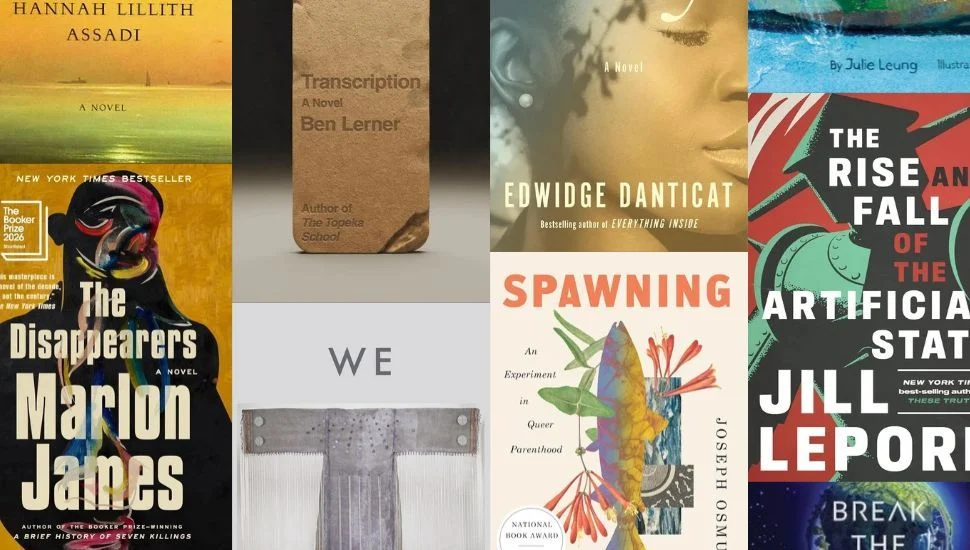
The 2026 shortlist features five titles that have previously received National Book Award recognition, underscoring the literary caliber of the works being considered. The selection process involves hundreds of incarcerated readers who will deliberate to determine the ultimate winner.
The significance of this prize is amplified by the profound words of Nana Kwame Adjei-Brenyah, winner of the 2025 Inside Literary Prize for his novel Chain-Gang All-Stars. Adjei-Brenyah eloquently articulated the immense value he places on this award, stating, "There is no question that this is the highest possible honor a book like this could ever receive. I take it to mean those who judged believed I was not careless or callous, that I used language in a way that felt like truth. This retroactive mandate is a gift I can never repay, but one I will forever be grateful for. I want to thank all those Inside, those who judged and those who did not. This award is dedicated to you all." His statement powerfully conveys the deep impact of having one’s work recognized by an audience that often grapples with themes of justice, humanity, and societal structures, resonating deeply with the essence of literary art.
Victor LaValle Adaptation: Human Storytelling Continues
Amidst the discussions surrounding AI, the enduring power of human-authored narratives continues to be adapted for wider audiences. Victor LaValle, a celebrated author known for his genre-bending and psychologically rich storytelling, is seeing his work brought to the screen once again. AMC+ and Shudder are set to premiere a series adaptation of his novel, The Devil in Silver.
LaValle himself is involved in the adaptation, serving as a writer and showrunner alongside Chris Cantwell, known for his work on Halt and Catch Fire. This six-episode limited series, part of the anthology series The Terror, delves into the unsettling narrative of a working-class man committed to a psychiatric hospital where a malevolent presence, possibly the devil himself, is believed to reside. Executive produced by Ridley Scott, the adaptation promises to explore the dark and complex themes that characterize LaValle’s writing.
Cantwell shared his enthusiasm for collaborating with LaValle, noting, "Working shoulder to shoulder with Victor LaValle to bring his masterful novel to the screen has been an incredible experience, as his story is, yes—packed with death and horror—but also brimming with beauty and the flickering-yet-unassailable light of our fragile humanity." This statement underscores the critical role of human emotion and experience in compelling storytelling, a contrast to the purely generative nature of some AI outputs.
The Pulse of the Reading Public: Goodreads Trends
In parallel with these significant industry developments, insights into reader engagement remain a vital metric. This week’s most read books on Goodreads, alongside titles garnering significant attention on platforms like Storygraph, offer a snapshot of current literary interests. These lists, which include both new releases and enduring popular titles, provide a valuable overview of the books that are capturing the imagination of readers. Book Riot’s ongoing coverage of these trends allows readers to explore the diverse landscape of contemporary literature and discover new works.
The confluence of these events—the AI controversy, the meaningful recognition through the Inside Literary Prize, and the continued adaptation of human-authored works—paints a complex picture of the literary world. As AI technology advances, the industry faces the critical task of establishing clear boundaries, ethical frameworks, and transparent practices to ensure that human creativity, authenticity, and the profound act of storytelling remain at the forefront. The future of publishing will undoubtedly be shaped by how effectively it navigates this new technological frontier while upholding the integrity of its art and its relationship with its readers.