rifanmuazin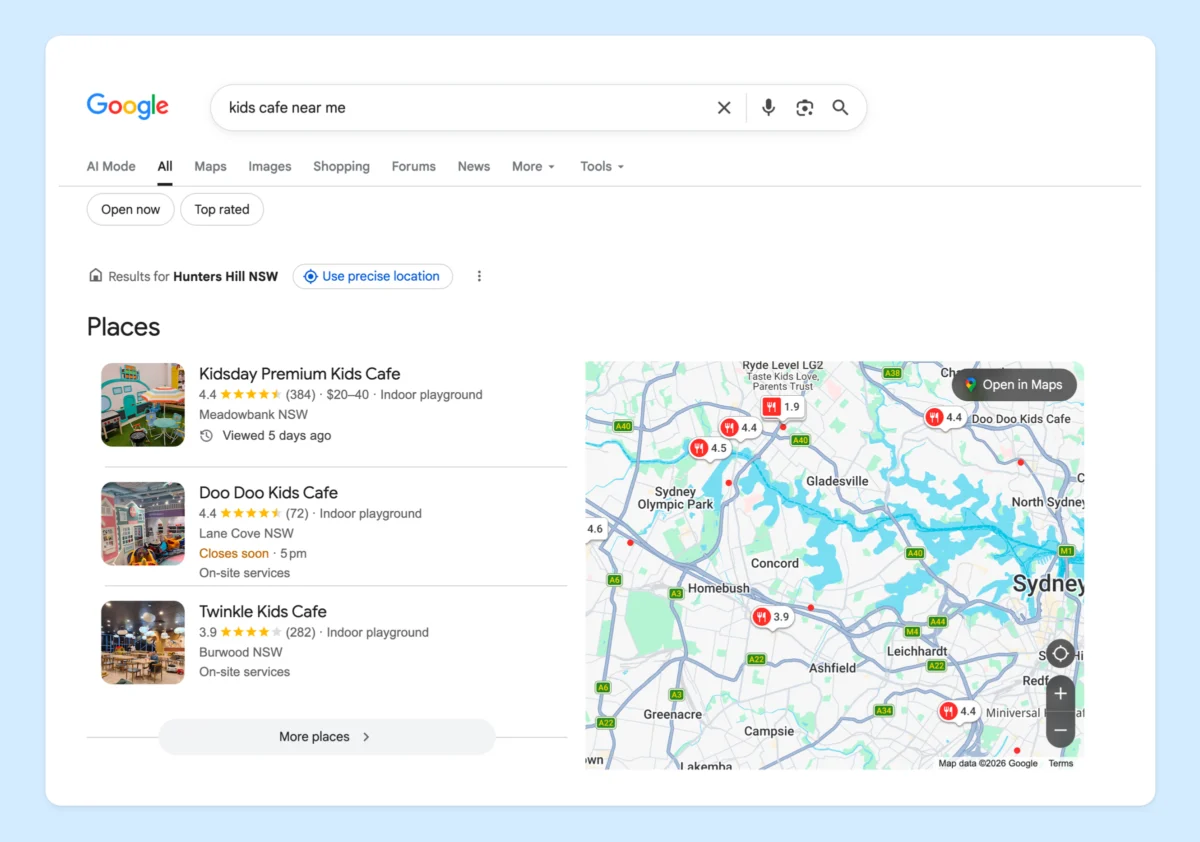
In the contemporary digital landscape, where consumer decisions are increasingly shaped by online feedback, actively responding to Google reviews has transitioned from a mere courtesy to an essential pillar of business strategy. What once might have been considered an optional customer service endeavor is now unequivocally linked to enhanced brand perception, elevated customer loyalty, improved search visibility, and, crucially, a measurable increase in revenue. This paradigm shift underscores the critical importance of a comprehensive review management strategy for businesses of all sizes, from local storefronts to multi-location enterprises and the agencies that support them.
The foundational shift in consumer behavior is starkly evident in recent research. BrightLocal’s comprehensive 2026 Local Consumer Review Survey reveals that an astounding 97 percent of consumers now read online reviews before making a purchasing decision, with a significant 41 percent admitting they "always" consult reviews when evaluating a business – a notable increase from 29 percent just the year prior. This pervasive reliance on peer feedback establishes online reviews as a primary source of information, often superseding traditional advertising and even direct business communications. Among these platforms, Google stands as the undisputed titan; Sixth City Marketing reports that roughly 81% of consumers specifically leverage Google reviews to assess local businesses. This means that a business’s Google Business Profile, and the conversations happening within its review section, serve as a de facto digital storefront and a critical first impression for a vast majority of potential customers.
Beyond merely reading star ratings, discerning consumers are actively scrutinizing businesses’ responses to reviews. This interaction provides a transparent window into a company’s operational ethos and its commitment to customer satisfaction. The presence of thoughtful, personalized responses signals attentiveness and care, fostering a perception of reliability and trustworthiness. Conversely, a lack of engagement can be interpreted as indifference, potentially deterring prospective patrons who prioritize responsive and customer-centric businesses.
The Direct Link to Consumer Choice and Brand Perception
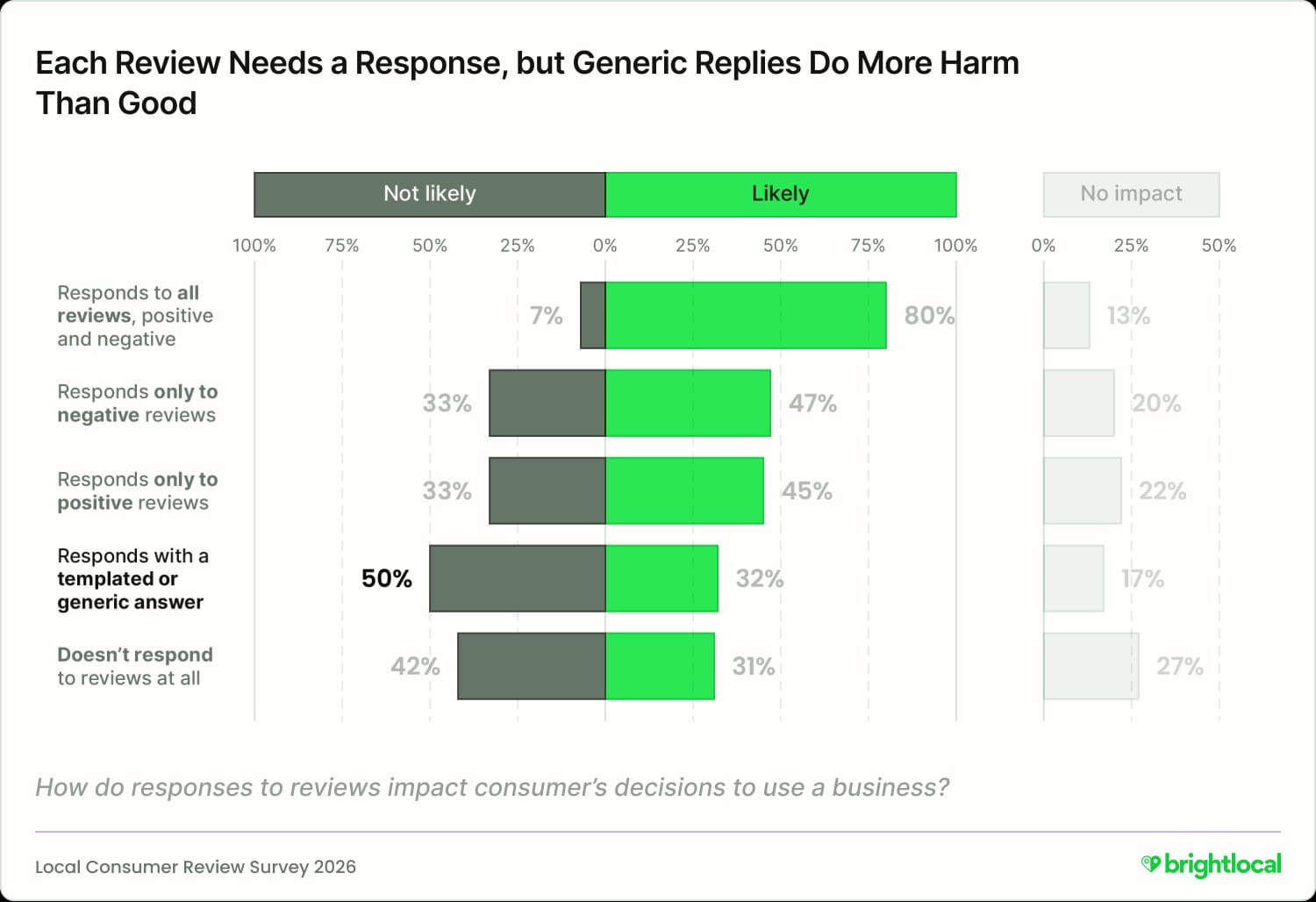
The impact of review responses extends directly to consumer purchasing decisions. The BrightLocal 2026 survey highlights that approximately 88% of consumers are influenced by whether a business responds to its reviews, irrespective of whether the feedback is positive or negative. This engagement makes consumers nearly twice as likely to choose a business that interacts with its reviewers. This statistic alone provides a compelling argument for prioritizing review responses, demonstrating that even imperfect engagement is significantly better than none.
Crucially, consumers do not appreciate selective engagement. The data indicates that businesses exclusively responding to negative reviews or solely to positive ones fare similarly poorly in consumer perception, with only 47% of consumers indicating they would use such a business. This suggests that a balanced, comprehensive approach to review management is vital. Consumers expect an authentic, across-the-board commitment to customer feedback, viewing cherry-picking as disingenuous or calculated. The latest 2026 BrightLocal survey further solidifies this expectation, with 89% of consumers now explicitly expecting business owners to respond to reviews. Moreover, a critical nuance has emerged: 50 percent of consumers report that generic, templated responses would make them less likely to choose a business, emphasizing the need for personalization and authenticity in every interaction. This evolving consumer expectation demands that businesses move beyond perfunctory acknowledgments to genuinely engage with the specifics of each review.
Quantifiable Returns: Revenue Growth and Enhanced Customer Loyalty

The benefits of active review management are not merely anecdotal or qualitative; they translate directly into tangible financial gains. A seminal study conducted by Womply, analyzing transaction data from over 200,000 U.S. small businesses, yielded compelling evidence: businesses that replied to at least 25 percent of their online reviews earned a substantial 35 percent more revenue than the average. Conversely, businesses that completely neglected their reviews experienced a 9 percent decrease in revenue. This direct correlation between engagement and profitability underscores the strategic value of review management as a revenue-generating activity, not just a customer service overhead.
The Womply study also revealed that consumers are willing to spend more at businesses that actively engage with feedback, with an observed increase of up to 49 percent in consumer spending. This indicates that a proactive review response strategy cultivates a perception of value and trustworthiness that encourages higher customer expenditure.
Further academic rigor supports these findings. Research published in the Harvard Business Review demonstrated that when hotels began responding to reviews on TripAdvisor, they received 12 percent more reviews, and their average ratings increased by 0.12 stars – all without explicitly soliciting more feedback. A separate Harvard study linked a one-star improvement in a business’s rating to a significant 5-9 percent increase in revenue. These studies collectively paint a clear picture: investing in review responses is a high-yield activity that directly contributes to a stronger financial bottom line and sustainable business growth.
The SEO Advantage: Boosting Local Search Rankings
Beyond direct consumer influence and revenue, responding to Google reviews offers a significant advantage in local search engine optimization (SEO). Google itself explicitly recommends that businesses respond to reviews within their official Google Business Profile help documentation, stating that such engagement demonstrates that the business values customer feedback and is responsive. This direct recommendation from the search giant underscores the importance of reviews as a ranking signal.
Review signals – encompassing volume, quality, recency, and crucially, whether a business responds to them – account for a meaningful portion of local search ranking factors. SOCi research indicates that businesses ranking in Google’s coveted "3-Pack" (the top three local results displayed prominently in search results) experience a staggering 126 percent more traffic and 93 percent more conversion-oriented actions compared to businesses ranked lower. This privileged positioning translates directly into increased visibility, foot traffic, and online inquiries.
Moreover, responding to reviews actively contributes to Google’s E-E-A-T framework (Experience, Expertise, Authoritativeness, Trustworthiness). Each thoughtful response adds fresh, keyword-rich content to a business’s Google Business Profile, which Google’s algorithms interpret as a signal of an active, reputable, and customer-focused enterprise. This continuous stream of relevant content and interaction helps to bolster a business’s authority and relevance in local search queries, making it more likely to appear prominently when consumers search for related products or services in their vicinity.
Turning Challenges into Opportunities: The Power of Negative Reviews
Perhaps one of the most counterintuitive yet powerful aspects of review management is the strategic advantage presented by negative reviews. While initially daunting, a well-handled negative review can transform a potential liability into a profound demonstration of accountability and customer commitment.
Research from Reputation.com reveals that consumers are 33 percent more likely to upgrade their initial review if a business responds with a personalized message within a single day. Furthermore, businesses experience a 16 percent boost in customer advocacy when they publicly address complaints, contrasting sharply with a 37 percent decline when complaints go unanswered. These figures illustrate the immense restorative power of a proactive and empathetic response to criticism.
Joe Burton, CEO of Reputation.com, aptly describes this phenomenon as a "superpowered review." A negative review where the company visibly takes steps to make things right showcases a level of transparency and problem-solving capability that even a five-star review cannot fully convey. It builds trust not only with the original reviewer but, more importantly, with every future potential customer who reads the exchange. The practical consideration here is significant: 85% of consumers report that seeing how a company responds to negative reviews is an important factor in their purchasing decision. Silence in the face of criticism is interpreted as either indifference or an inability to address issues, both of which are detrimental to a business’s reputation. Effectively managing negative feedback demonstrates a commitment to continuous improvement and customer satisfaction, ultimately strengthening brand loyalty and attracting new customers.
Operationalizing Review Management: The Agency Perspective and Technological Solutions
The compelling case for review management becomes exponentially complex for multi-location businesses, franchises, or marketing agencies managing numerous client profiles. Each location or client typically possesses its own Google Business Profile, generates distinct reviews, and serves a unique customer base, often necessitating tailored responses that account for local context and brand voice. Maintaining brand consistency while ensuring authentic, localized responses is a core tension, as highlighted by BrightLocal’s guide on multi-location review management. The stakes are high: BrightLocal found that 91 percent of consumers believe local branch reviews significantly impact their overall perception of a multi-location brand.
Alexandrea Browman, founder of Sapphire Social, a boutique social media marketing agency, articulates the historical challenges faced by agencies attempting to manage numerous Google Business Profiles. Her prior workflow involved the cumbersome process of logging into individual client accounts, navigating disparate platforms, and meticulously tracking reviews to ensure no feedback fell through the cracks. For an agency managing approximately 30 channels across multiple clients, this manual process was not only inefficient but also posed significant security risks associated with sharing client credentials.
The advent of centralized community management tools, such as Buffer, has revolutionized this operational headache. Browman specifically lauded Buffer’s ability to consolidate all incoming Google reviews into a single dashboard, eliminating the need for constant platform switching and individual logins. "I can’t tell you how amazing community management through Buffer has been," she stated. "We don’t have to select from inbox or comments, it’s just all in one place. It’s so simple." This streamlined approach allows agencies like Sapphire Social to efficiently monitor, respond to, and track reviews across their entire client portfolio, ensuring consistent engagement and adherence to brand guidelines without compromising security or operational efficiency. For franchises and chains, this offers an unprecedented centralized view of reviews across every location, enabling strategic oversight and standardized response protocols.
Building a Sustainable Review Response Habit
Developing an effective and sustainable review response strategy doesn’t require dedicating an entire team to the task. Adhering to a few core principles can transform an overwhelming chore into a manageable and highly beneficial daily habit:
- Respond to Everything: The data is unambiguous: consumers favor businesses that engage with all reviews – positive, negative, and neutral. Selective engagement appears calculated and can erode trust. A consistent approach demonstrates genuine commitment to every customer experience.
- Prioritize Timeliness: Consumer expectations for response times are increasing. BrightLocal’s research indicates that 19 percent of consumers expect a same-day response, and a vast 81 percent expect a reply within a week. Prompt responses signal an actively engaged and customer-focused business, enhancing the perceived value of the interaction.
- Embrace Personalization: Generic, templated replies are a significant deterrent, with half of consumers stating they would be less likely to choose a business that uses them. Tailor each response by referencing specific details from the review, using the reviewer’s name, and maintaining a conversational, human tone rather than corporate jargon. This authenticity fosters a stronger connection and reinforces the idea that each customer’s feedback is genuinely valued.
- Handle Negative Reviews Constructively: When confronted with criticism, avoid defensiveness. Acknowledge the reviewer’s experience, apologize sincerely where appropriate, and always offer to take the conversation offline to resolve specific issues. This approach not only addresses the immediate concern but also publicly demonstrates accountability and a commitment to customer satisfaction, positively influencing future customers who observe the interaction.
- Leverage Centralized Tools: For businesses managing multiple locations or agencies handling numerous clients, robust community management platforms are indispensable. Tools that consolidate all Google Business Profile reviews into a single interface allow for efficient monitoring, streamlined response workflows, and comprehensive tracking. This centralization transforms a potentially overwhelming task into an organized and manageable daily routine, ensuring that no review goes unanswered.
Conclusion: Don’t Leave Reviews on Read
In an era defined by digital connectivity and consumer empowerment, Google reviews represent far more than simple feedback; they are dynamic conversations, public testimonials, and critical touchpoints in the customer journey. Each review offers an invaluable opportunity to build trust, reinforce brand loyalty, and directly influence purchasing decisions. By proactively engaging with these conversations, businesses not only enhance their online reputation but also unlock tangible benefits in terms of increased traffic, improved search rankings, and, ultimately, sustained revenue growth. Neglecting this vital channel is akin to leaving the most visible piece of your digital storefront unattended. Embracing a strategic, empathetic, and consistent review management approach is no longer optional; it is an indispensable imperative for success in the modern marketplace.