 Cintya Tara Annisa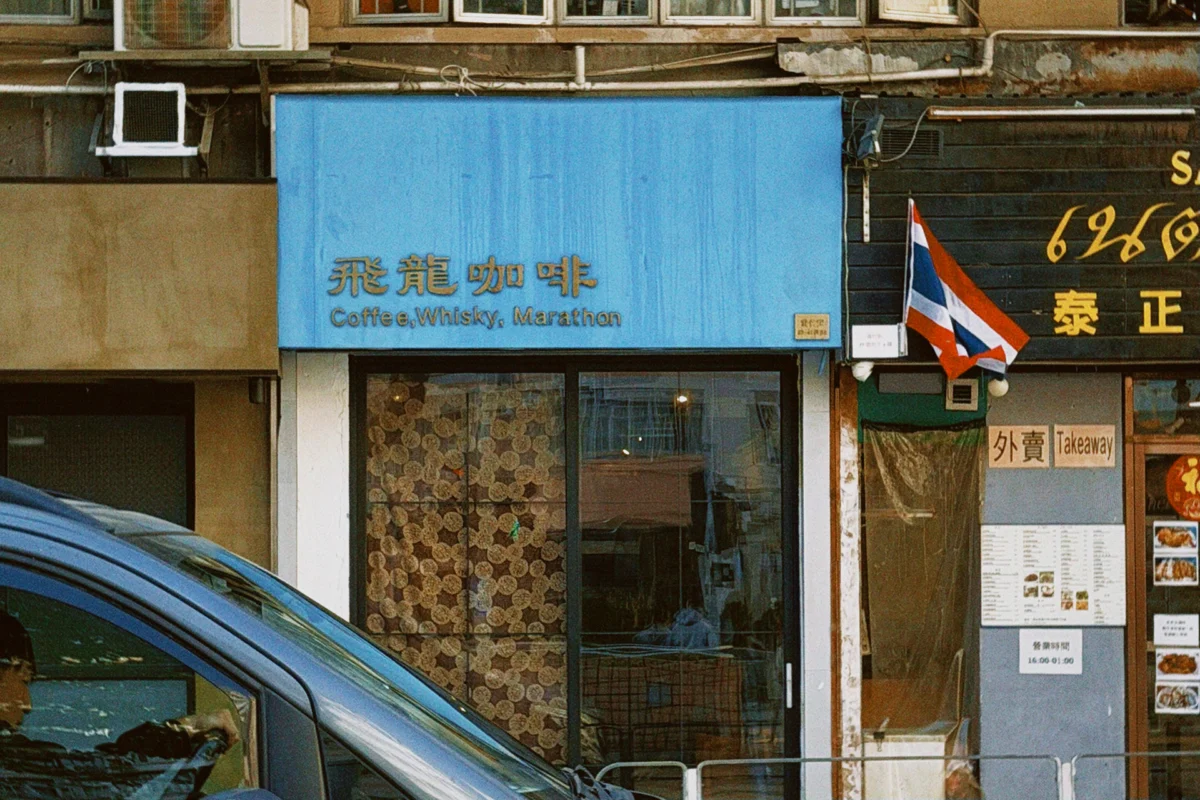
Hong Kong’s identity has long been synonymous with its relentless pace of life, a characteristic that permeates every facet of its urban fabric, from its high-frequency public transit to its competitive professional environment. Yet, within this high-velocity framework, a sophisticated and resilient specialty coffee culture has emerged, acting as both a counter-current and a necessary fuel for the city’s inhabitants. While the traditional "cha chaan teng" (Hong Kong-style tea restaurant) remains a cultural bedrock, the modern beverage landscape is currently undergoing a significant transformation. Independent cafes are now forced to navigate a complex market defined by the aggressive expansion of Mainland Chinese budget chains, a post-pandemic surge in home brewing, and an evolving consumer palate that demands transparency, technical precision, and community engagement.
The Historical Trajectory of Hong Kong’s Coffee Culture
The city’s relationship with coffee is not a modern phenomenon but rather an evolution that spans over seven decades. In the 1950s, coffee rose to prominence through the local tea restaurant culture. These establishments served a specific localized version of the beverage: a dark-roasted, often instant-based coffee blended with evaporated milk or sweetened condensed milk. This "classic" style, known for its bold bitterness and smooth texture, became a staple of the 3:00 p.m. afternoon tea break—a ritualized pause in the Hong Kong workday often accompanied by freshly baked egg tarts or pineapple buns.
The 1980s and 1990s marked a period of institutionalization for the industry. Japanese brands like UCC introduced siphon brewing and a different level of precision, while local chains such as Pacific Coffee (founded in 1992) began to establish the "second wave" of coffee, focusing on espresso-based drinks and a comfortable "third-space" environment. The entry of Starbucks in 2000 further solidified coffee as a lifestyle commodity. However, the last 20 years have seen the meteoric rise of the "third wave"—a movement characterized by an appreciation for coffee as an artisanal foodstuff rather than a mere commodity. This era has seen the proliferation of hundreds of specialty shops focusing on single-origin beans, light roasting profiles, and meticulous brewing methods.
Market Pressures and the Rise of Mainland Chains
Despite the thriving specialty scene, the industry faces unprecedented economic challenges. Market data indicates a significant shift in the competitive landscape due to the arrival of Mainland Chinese coffee giants. Luckin Coffee and Cotti Coffee have entered the Hong Kong market with aggressive pricing strategies, often offering beverages at a fraction of the cost of independent specialty shops. While a standard pour-over at a specialty cafe might range from HKD 50 to HKD 90, these mass-market chains frequently leverage subsidies and digital-first ordering systems to provide caffeine fixes for under HKD 20.
Furthermore, the COVID-19 pandemic fundamentally altered consumer behavior. Lockdowns and social distancing measures accelerated the "home barista" trend. According to industry observations, sales of high-end home brewing equipment—including V60 drippers, Comandante grinders, and espresso machines—soared between 2020 and 2022. This shift has created a more educated consumer base but has also raised the bar for physical cafes; to attract customers, establishments must now offer an experience or a level of quality that is difficult to replicate in a domestic kitchen.
Case Studies in Independent Resilience
To understand how the specialty sector maintains its foothold, one must look at the specific operational models of independent cafes across the city’s diverse neighborhoods. These establishments prioritize "detail-mindedness" and "hospitality," attributes that automated chains cannot easily scale.
The Artisan Model: Fei Lung Coffee
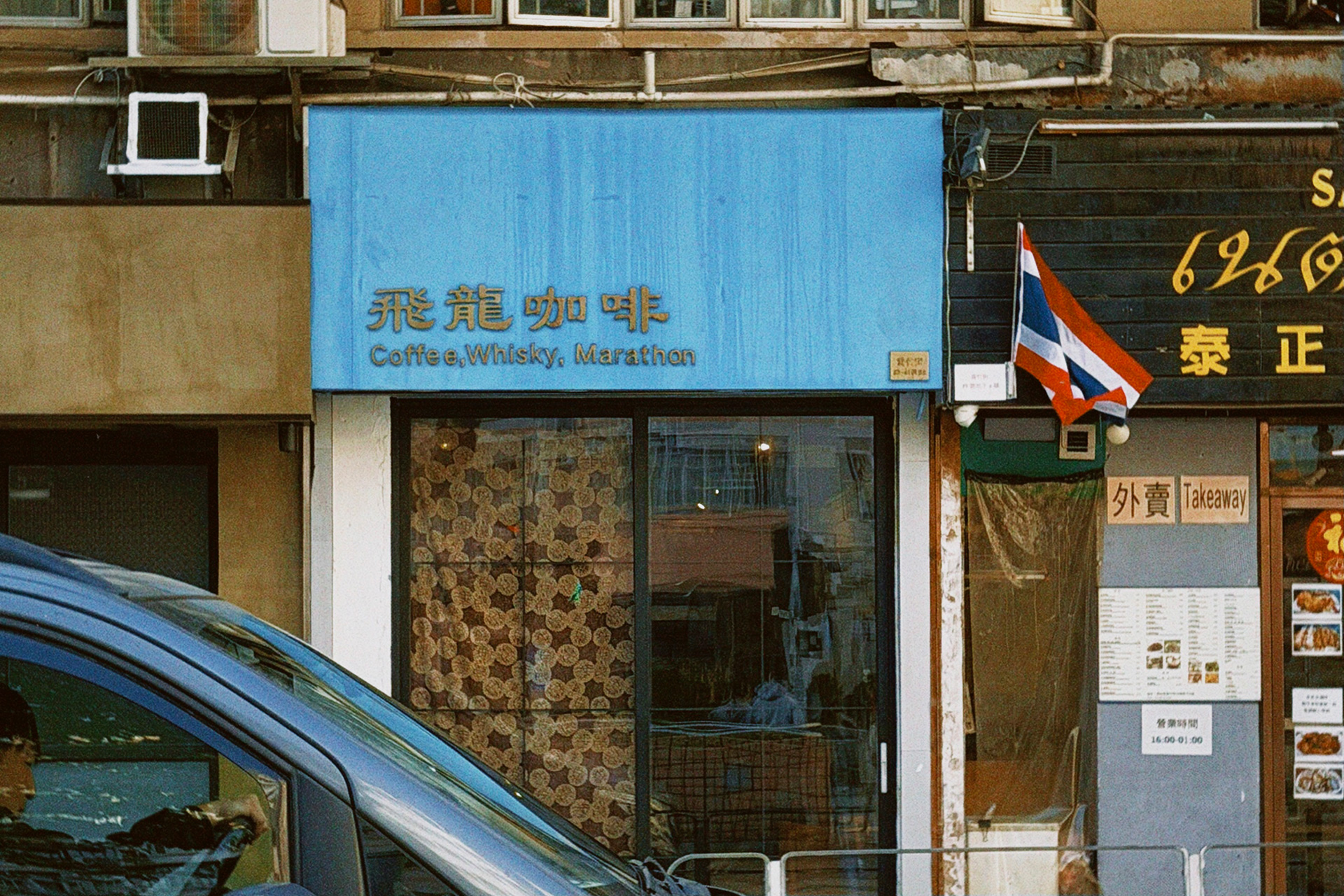
In the working-class district of Sham Shui Po, Fei Lung Coffee represents the "one-man shop" model that prioritizes expertise over mass appeal. Eschewing the traditional "Instagrammable" aesthetics of modern cafes, owner Fei Lung—a veteran with 16 years of barista experience—focuses on the intersection of coffee and spirits. His signature drinks blend high-end whiskey with specialty coffee, utilizing clear, large-format ice cubes to maintain beverage integrity—a technique borrowed from high-end mixology. This niche approach allows the shop to survive by offering a product that is both technically superior and unique in the marketplace.
The Educational Catalyst: Barista Jam
Located in the Sheung Wan financial district, Barista Jam serves as a bridge between the second and third waves. As one of the city’s earliest specialty pioneers, it combines a high-volume lunch service with a serious retail operation for coffee hardware. For many Hong Kong enthusiasts, Barista Jam functioned as an unofficial academy where baristas provided the technical knowledge necessary for customers to begin their own brewing journeys. By offering Australian-style staples like the flat white alongside seasonal single-origin hand-drips, the establishment maintains a broad demographic appeal.
The Hidden Boutique: Coffeer
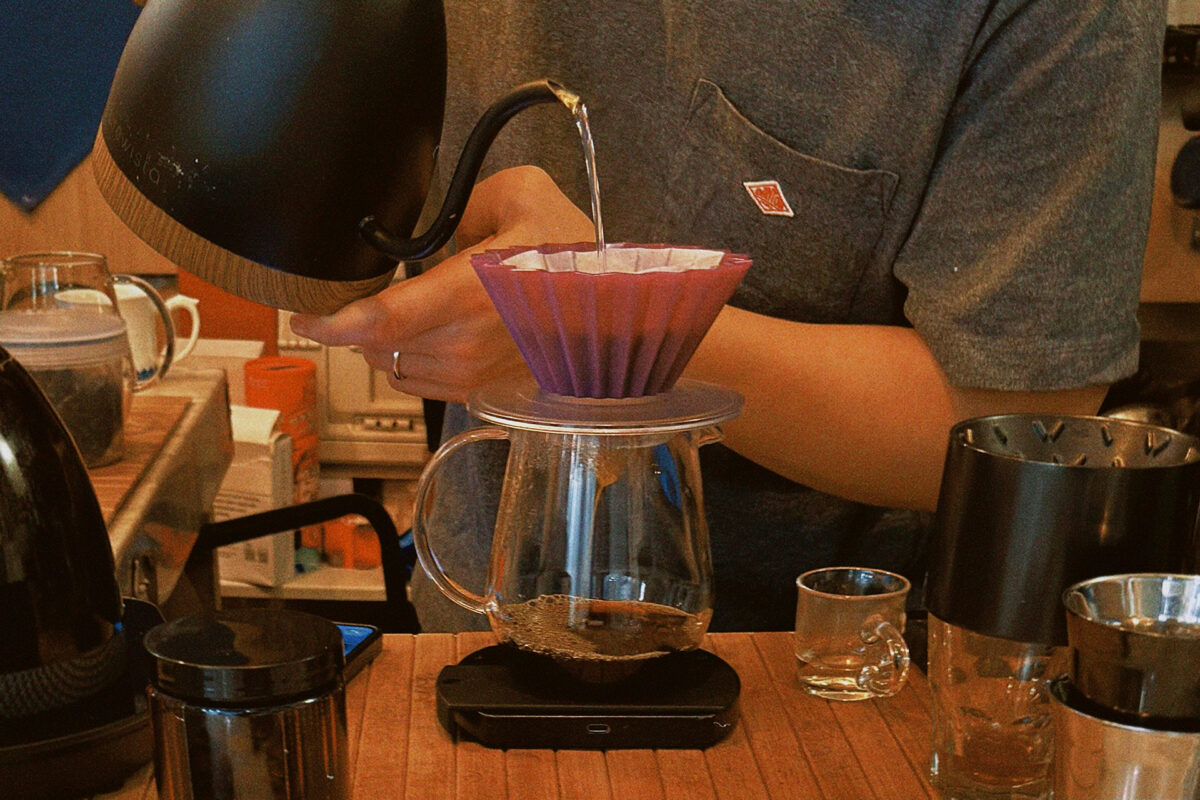
The high cost of real estate in Hong Kong frequently drives innovation in location strategy. Coffeer, situated in a nondescript mall in Causeway Bay, demonstrates how "hidden" locations can foster intimate, high-quality interactions. Run by Alex Lai, the shop utilizes a revolving selection of beans from international roasters (spanning from Germany to Japan) and employs varied dripper geometries, such as the Origami or Graycano, to highlight specific flavor profiles. This level of customization caters to the "serious" coffee drinker who views the beverage through a technical and sensory lens.
Experimental Processing: Uncle Ben Coffee
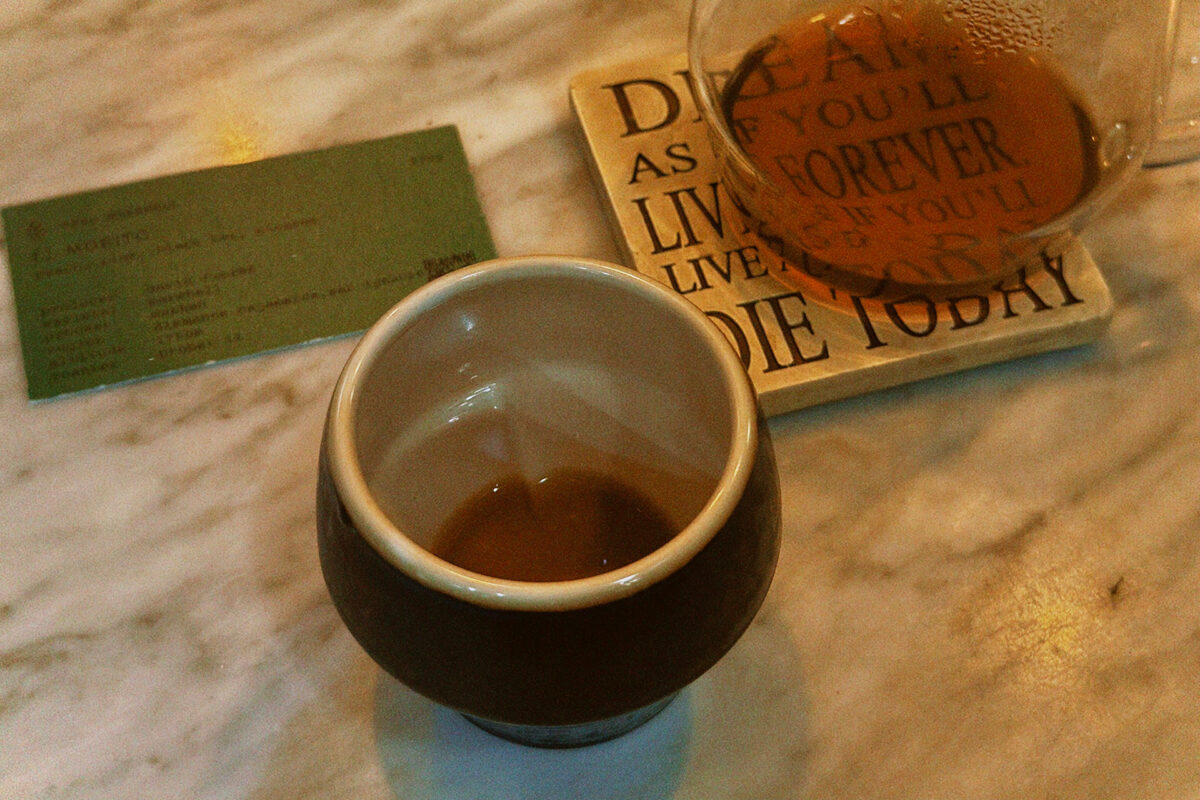
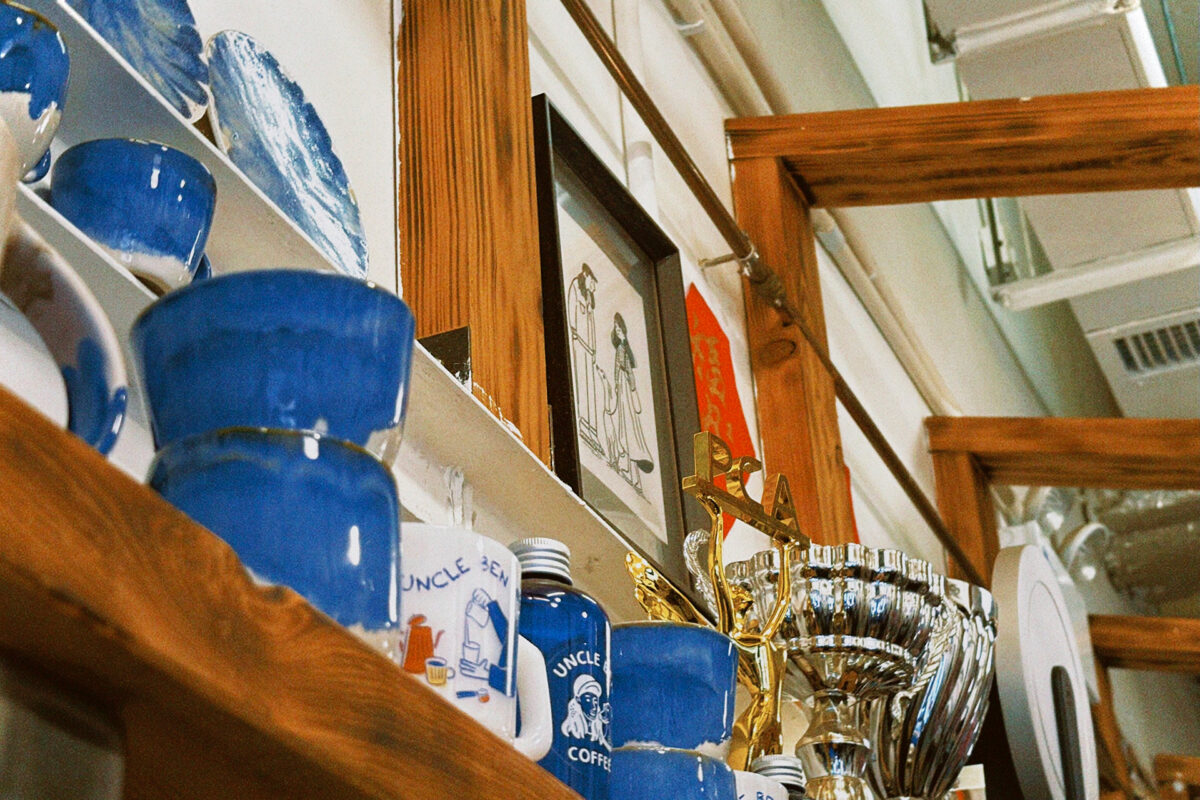
As the global coffee industry moves toward experimental fermentation—such as anaerobic, lactic, and co-fermented processes—local shops like Uncle Ben Coffee have become hubs for sensory exploration. By allowing customers to sample the aroma of beans before ordering and serving the same coffee in differently shaped vessels to demonstrate the impact of geometry on flavor perception, these shops transform a simple transaction into an educational event.
Community and Culture: Crew
In the bustling district of Wan Chai, Crew illustrates the importance of the "community hub" in a dense urban environment. By integrating pop-culture elements—such as Pokémon card collections and themes derived from Korean dramas—into the cafe space, Crew builds a loyal "crewmate" following. Their focus on consistency in single-origin espresso ensures that the quality matches the community engagement, providing a "respite" from the surrounding corporate atmosphere.
Supporting Data and Economic Implications
The sustainability of these independent models is crucial for Hong Kong’s service economy. While large chains contribute to high-volume employment, independent cafes are vital for the "creative economy," often revitalizing older neighborhoods like Sham Shui Po and Sai Ying Pun. However, the "matcha craze" and the diversification into non-coffee beverages suggest that even the most dedicated specialty shops are hedging their bets to ensure financial viability.
Industry analysts note that the "premiumization" of coffee in Hong Kong is a reflection of a wider trend in Asian urban centers, where rising middle-class incomes lead to a demand for "attainable luxuries." However, with the current economic climate and the influx of low-cost competitors, the "middle ground" of the coffee market is disappearing. Shops must either compete on extreme efficiency and price (the Luckin model) or extreme quality and experience (the specialty model).

Broader Impact and Future Outlook
The resilience of Hong Kong’s specialty coffee scene suggests that there is a permanent shift in consumer expectations. The "everyday caffeine fix" of the 1950s has evolved into a sophisticated pursuit of flavor, origin, and technique. While the challenges of high rents and mainland competition are significant, the "human touch" of the independent barista remains a powerful differentiator.
The broader implication for the city is a more diverse and vibrant urban culture. These cafes serve as informal social infrastructure, fostering conversations that "outlast the drink," as seen in the intimate settings of shops like Coffeer. As long as the city’s pace remains fast, the need for these artisanal "pauses" will likely continue to grow. The future of the industry will likely depend on the ability of these small businesses to maintain their technical standards while finding innovative ways to engage a community that is increasingly knowledgeable and increasingly price-conscious.
In conclusion, Hong Kong’s coffee industry is a microcosm of the city itself: a blend of traditional roots and global influences, currently navigating a period of intense transformation. The survival of the independent specialty scene is not just a matter of culinary preference, but a testament to the city’s enduring capacity for artisanal excellence in the face of mass-market homogenization.