
 Ali Ikhwan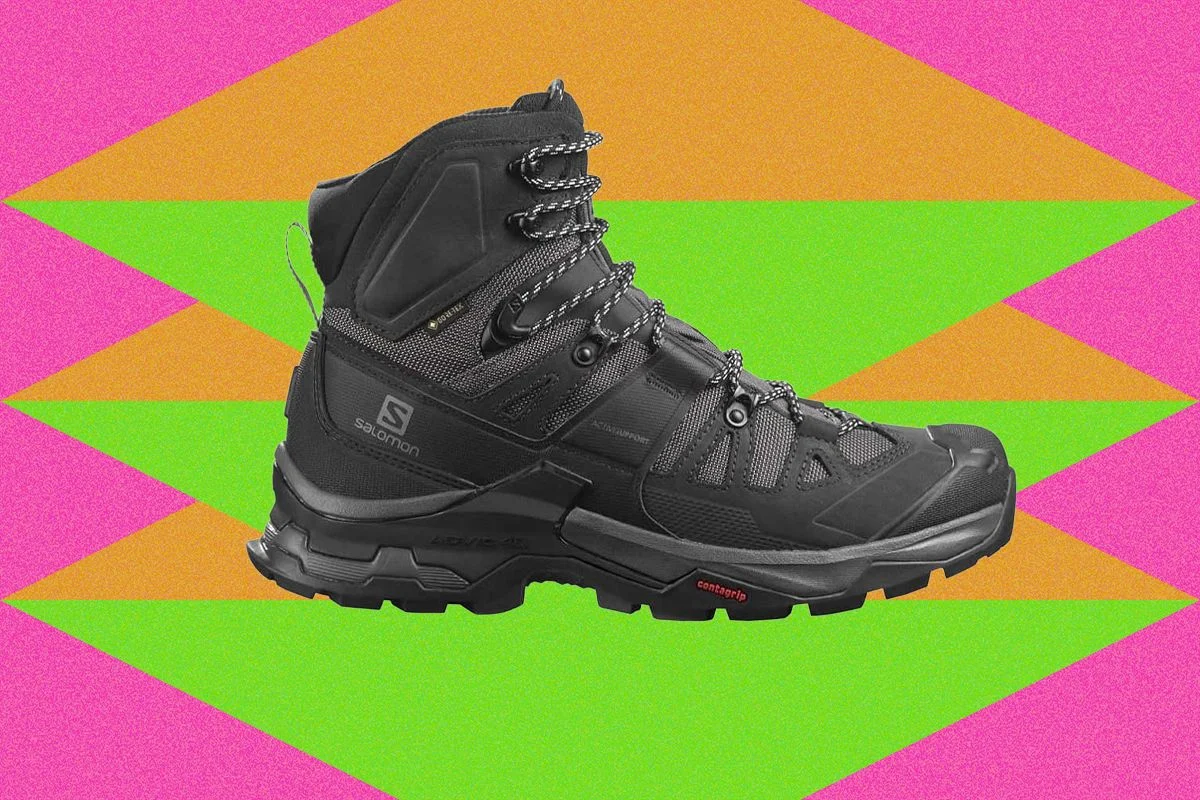
The global outdoor footwear market, valued at approximately $19.5 billion in 2023, is currently undergoing a fundamental shift in consumer preference and engineering philosophy. For decades, the standard for wilderness navigation was defined by the heavy, high-cut leather boot—a piece of equipment designed for generational durability and maximum ankle immobilization. However, a convergence of materials science, the rise of ultralight backpacking culture, and data-driven athletic engineering has fractured the market into three distinct categories: traditional hiking boots, high-performance trail runners, and technical hybrid hiking shoes. Choosing between these options is no longer a matter of tradition, but a calculation involving terrain technicality, pack weight, and physiological efficiency.
The Evolution of Trail Footwear: A Technological Chronology
The transition in hiking footwear can be traced through a clear technological timeline. In the mid-20th century, outdoor footwear was largely an offshoot of military and industrial work boots. These were characterized by heavy-gauge leather uppers and stiff rubber outsoles that required weeks of "break-in" time to avoid debilitating blisters.
By the 1990s, the introduction of Gore-Tex liners and synthetic fabrics like Cordura nylon began to reduce weight without sacrificing waterproofing. The early 2000s saw the "minimalist" movement, spurred by research into natural foot mechanics, which birthed brands like Altra and their signature zero-drop platforms. This era challenged the necessity of heavy heel cushioning and high-top support.
In the 2010s and 2020s, the "maximalist" revolution, led by Hoka, introduced high-stack EVA foam midsoles and carbon-fiber plates into the trail environment. Today, the industry has reached a state of "functional hybridization," where the stability of a boot is frequently blended with the energy return of a marathon shoe.
Engineering Stability: The Modern Hiking Boot
Despite the trend toward lighter gear, the traditional hiking boot remains a critical tool for specific environmental conditions. According to industry specialists, including Ingrid Johnson of REI, the primary metrics for choosing a boot are stability, protection, and load-bearing capacity.

High-Altitude and Heavy Load Performance
Hiking boots are engineered for "lateral rigidity." When a hiker carries a pack exceeding 30 pounds, the center of gravity shifts, increasing the risk of ankle eversion on uneven surfaces. Boots like the Salomon Quest 4 GTX ($230) utilize a "4D Advanced Chassis" to guide the foot, reducing muscle fatigue in the lower leg. The use of robust materials such as suede leather and rubberized toe caps ensures that the footwear can withstand the abrasive forces of scree fields and granite talus.
The Role of Waterproofing and Thermal Regulation
For expeditions involving snow, mud, or river crossings, the boot remains superior. The higher cuff of a boot, combined with a Gore-Tex membrane, provides a physical barrier that low-cut shoes cannot match. The Arc’teryx Kopec Mid GTX ($200), for example, utilizes 100 percent nylon Cordura to provide a stiff, secure feel while maintaining a weight of just 11.9 ounces for a size 8—a testament to how modern materials are narrowing the gap between boots and athletic shoes.
The Trail Runner Revolution: Efficiency and Biomechanics
The move toward trail runners is supported by a long-standing principle in wilderness travel: "one pound on the feet equals five pounds on the back." This concept, popularized by 19th-century mountain travelers and later studied by the U.S. Army, suggests that the energy cost of moving heavy footwear is exponentially higher than moving weight in a backpack.
Maximalism and Energy Return
Modern trail runners like the Hoka Mafate X or the Salomon Aero Blaze 3 GRVL ($160) prioritize "propulsive power." By utilizing dual-density foam and rocker geometries, these shoes encourage a faster cadence and reduce the impact forces on the knees and hips. The Hoka Mafate X features a massive 49-millimeter heel stack, providing a level of shock absorption that traditional boots cannot achieve. This "pillowy" sensation is designed to keep the athlete’s legs fresh over distances exceeding 20 miles per day.
The Zero-Drop Philosophy
The Altra Lone Peak series, currently on its ninth iteration, represents a specific subset of the trail running market favored by "thru-hikers" on the Pacific Crest Trail and Appalachian Trail. The "zero-drop" design—where the heel and forefoot are at the same height—aims to align the spine and encourage a midfoot strike. With a wide "FootShape" toe box, these shoes allow for natural toe splay, which is essential for managing foot swelling during multi-month expeditions.
Technical Hybrids: The Middle Ground
For hikers navigating technical terrain—defined by gravel, scree, and frequent scrambling—the "hiking shoe" offers a strategic compromise. These are low-cut shoes built on boot-like platforms.

Protection Without the Bulk
Models such as the Merrell Speedarc Matis GTX ($210) incorporate rock plates between the midsole layers. These plates act as a shield against sharp stones while maintaining the agility of a sneaker. The Speedarc Matis utilizes a Vibram MegaGrip outsole with 3-millimeter lugs, specifically designed to shed mud and grip slippery roots.
Breathability and Drainage
One of the most significant advantages of the hybrid hiking shoe is its ability to manage moisture. While a waterproof boot keeps water out, it also traps sweat inside. In dry or humid conditions, breathable hybrids like the Hoka Anacapa Breeze Low allow for rapid evaporation and drainage. This prevents the "maceration" of the skin that often leads to blisters during high-activity day hikes.
Comparative Data: Weight and Durability Analysis
When analyzing footwear, durability and weight are the two most contentious variables.
| Footwear Category | Average Weight (Pair) | Estimated Lifespan (Miles) | Primary Material |
|---|---|---|---|
| Traditional Boot | 2.5 – 3.5 lbs | 500 – 1,000+ | Leather / Cordura |
| Hiking Shoe | 1.5 – 2.0 lbs | 400 – 700 | Synthetic / Suede |
| Trail Runner | 1.0 – 1.5 lbs | 300 – 500 | Mesh / EVA Foam |
Data from field testing indicates that while a trail runner offers immediate comfort, its EVA foam midsole begins to "pack out" or lose its rebound after approximately 300 to 400 miles. In contrast, a leather boot with a polyurethane midsole can maintain its structural integrity for over a thousand miles, though it carries a significant weight penalty.
Expert Insights and Industry Standards
Industry specialists emphasize that the "right" choice is often subjective and dependent on the user’s physical condition. Ingrid Johnson of REI notes that for hikers recovering from injury or those with lower fitness levels, the confidence provided by a supportive boot often outweighs the weight savings of a trail runner.
"It is not worth sacrificing function just to shave weight," Johnson states. "If your fitness level, pack weight, or the terrain call for more stiff, supportive footwear, you will be more comfortable and perhaps actually able to travel faster because you are more confident in your footing."

Furthermore, the "influencer choice" has a significant impact on market trends. Brands like On Running, originally a niche Swiss road-running company, have successfully transitioned into the hiking space with models like the Cloudrock. These shoes prioritize style and brand recognition, often appealing to "day-hikers" who split their time between forest trails and urban environments.
Broader Implications for the Outdoor Industry
The diversification of trail footwear reflects a broader trend in the outdoor industry toward "specialization." No longer is a single pair of boots expected to handle every environment from a local park to a snow-covered glacier.
This specialization has led to increased consumer spending but also raises questions about environmental impact. Trail runners, with their shorter lifespans and synthetic compositions, contribute more frequently to landfill waste than a resolable leather boot. In response, brands like Hoka have begun incorporating recycled polyester and soybean-oil-based liners into models like the Anacapa Breeze, attempting to mitigate the ecological footprint of high-turnover athletic gear.
Conclusion: Making the Final Selection
The decision between boots and trail runners ultimately rests on three variables: the load on your back, the technicality of the path, and the speed of your travel.
- Choose Boots if you are carrying a pack over 30 pounds, navigating off-trail through snow or heavy mud, or if you require maximum ankle support due to previous injuries.
- Choose Trail Runners for fast-packing, day hikes with light packs, and well-maintained trails where speed and energy conservation are the primary goals.
- Choose Hiking Shoes for technical day hikes involving rock scrambling, where you need the grip and toe protection of a boot but the range of motion of a low-cut shoe.
As materials science continues to evolve, the line between these categories will likely continue to blur, offering hikers a future of "customized" support that was unimaginable during the era of the heavy leather boot.







