Reynand Holland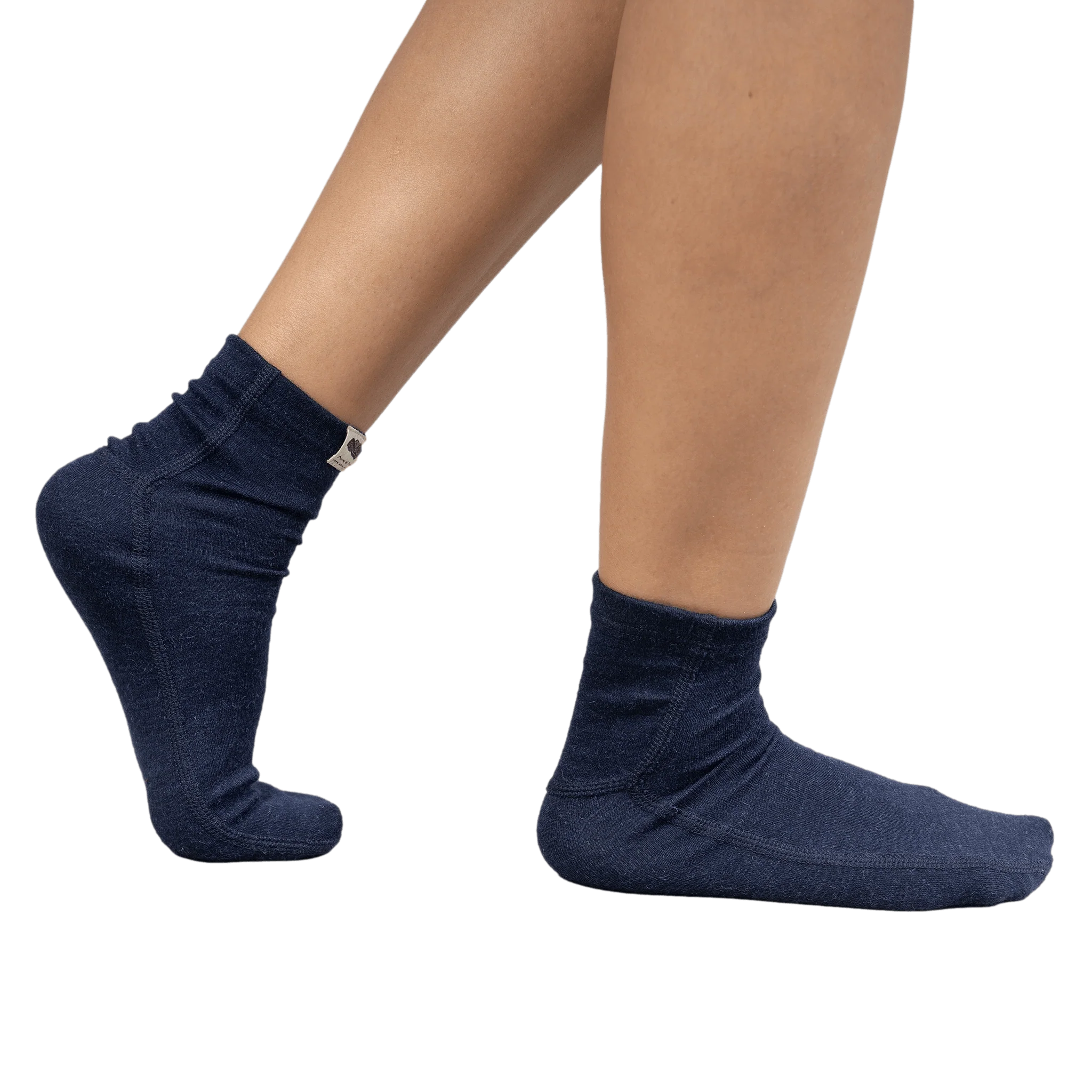
Socks, often overlooked as a mere accessory, play a surprisingly significant role in our daily comfort and potentially our health. For individuals experiencing skin irritation, itching, or other sensitivities, the common culprits might not be the shoes or the weather, but the very socks they wear. The prevalence of synthetic materials and potentially harmful dyes in many everyday socks warrants a closer examination of what we put directly against our skin. This investigation delves into the science behind sock sensitivities, the risks associated with conventional sock manufacturing, and a curated guide to brands prioritizing natural fibers, safe dyes, and ethical production practices.
The Unseen Irritants: Synthetics and Toxic Dyes
The discomfort many experience with certain socks can be attributed to two primary factors: the materials used and the dyes employed in their coloration. Plastic-based synthetic fibers, commonly found in a vast majority of socks, can trap moisture and odors, creating an environment conducive to bacterial growth and subsequent foot discomfort. Beyond mere smell, these synthetics can contribute to a feeling of clamminess and friction.
However, the more insidious threat lies in the dyes used on synthetic fabrics, particularly polyester. Azo-benzene disperse dyes, frequently utilized for their vibrancy and durability on polyester, have raised significant health concerns. Research has indicated that these dyes can act as skin sensitizers, leading to allergic reactions, redness, and itching. More alarmingly, some of these compounds have been classified as potential carcinogens when absorbed through the skin. This absorption is particularly efficient when the skin is warm and moist, such as during physical activity or in humid conditions, making socks – which are in constant contact with the skin – a high-risk category for chemical exposure.
The migration of these chemicals from the sock to the skin is accelerated by sweat. As the fabric absorbs moisture, it can release dye particles and associated chemicals, which are then absorbed by the epidermal layers. For those with sensitive skin, pre-existing conditions like eczema, or individuals seeking to minimize their exposure to potentially harmful substances, this presents a clear and present risk that is often underestimated. The casual nature with which we select socks often masks the underlying chemical interactions happening directly on our bodies.
A Shift Towards Conscious Comfort: The Rise of Natural and Safe Alternatives
Fortunately, the growing awareness of these health and environmental concerns has spurred a movement towards more conscious sock consumption. Consumers are increasingly seeking out alternatives that prioritize natural fibers and non-toxic dyes, ensuring both comfort and well-being. This shift is not merely about avoiding discomfort; it’s about embracing a holistic approach to personal care and making informed choices that align with a healthier lifestyle and a more sustainable planet.
The market is responding with a variety of brands committed to these principles. These companies are not only focusing on the tactile experience of their products but also on the ethical and environmental implications of their entire supply chain. From the cultivation of raw materials to the final packaging, a new standard of transparency and responsibility is emerging.
Understanding the Pillars of Safe Sock Selection
When navigating the world of healthy sock options, several key considerations come into play:
Natural Materials: The Foundation of Breathability and Hypoallergenic Properties
The most fundamental step towards comfortable and safe socks is the embrace of natural fibers. These materials are inherently breathable, moisture-wicking, and less likely to cause irritation compared to their synthetic counterparts.
- Organic Cotton: A perennial favorite, organic cotton is cultivated without the use of synthetic pesticides or fertilizers, making it gentler on the skin and the environment. It is known for its softness and breathability, making it an excellent choice for everyday wear. Certifications like the Global Organic Textile Standard (GOTS) ensure that the cotton is not only organically grown but also processed with environmental and social responsibility in mind.
- Merino Wool: Renowned for its exceptional temperature-regulating properties, merino wool is both warm in the winter and cool in the summer. It is naturally odor-resistant and moisture-wicking, drawing sweat away from the skin to keep feet dry and comfortable. Crucially, when seeking merino wool socks, look for the Responsible Wool Standard (RWS) certification. This standard ensures that the wool is sourced ethically, prohibiting the painful practice of mulesing, where a portion of the sheep’s skin is removed to prevent flystrike.
- Alpaca Wool: Similar to merino, alpaca wool offers excellent warmth, softness, and moisture-wicking capabilities. It is often considered even softer than merino and is hypoallergenic for many individuals who may be sensitive to sheep’s wool.
- Tencel™ Lyocell: Derived from sustainably sourced wood pulp, Tencel™ is a regenerated cellulosic fiber known for its smooth, soft feel, excellent breathability, and moisture management properties. Its production process is considered more environmentally friendly than traditional rayon or viscose.
- Linen: A strong and durable natural fiber, linen is highly breathable and becomes softer with each wash. It is excellent at wicking away moisture, making it a great choice for warmer climates or active wear.
- Bamboo Viscose: While processed from bamboo, it’s important to note that bamboo viscose is a semi-synthetic fiber created through a chemical process. However, it retains many of the desirable properties of bamboo, such as softness, breathability, and moisture-wicking. When sourced responsibly and processed with minimal harmful chemicals, it can be a good option. Look for certifications that ensure responsible processing.
While 100% natural fiber socks are ideal for those with extreme sensitivities, they can be rare due to the need for elasticity in most sock designs. Many brands incorporate a small percentage of elastane or other synthetics for stretch and durability. For individuals not severely sensitive, a blend where natural fibers are the predominant component (e.g., 80% or more) is often a suitable compromise.
Non-Toxic Dyes and Finishes: Ensuring Color Without Chemical Compromise
The vibrant colors that make socks appealing can also be a source of concern if the dyes are not handled responsibly.
- Oeko-Tex Standard 100: This is one of the most widely recognized certifications for textiles. It guarantees that every component of a product, from the threads to the dyes, has been tested for harmful substances and is therefore harmless to human health. This certification is crucial for identifying socks that are safe for sensitive skin.
- bluesign®: The bluesign® system goes a step further, addressing the entire textile manufacturing process. It focuses on sustainable chemistry and resource efficiency, ensuring that only approved chemicals are used and that emissions are minimized. A bluesign® approved dye indicates that it meets stringent environmental and health criteria.
- Undyed Options: For those with the highest levels of sensitivity or a desire to minimize chemical exposure entirely, undyed socks are the ultimate choice. These socks showcase the natural colors of the fibers themselves, offering a minimalist and pure aesthetic.
- Restricted Substances Lists (RSLs): Brands that publicly disclose their RSLs demonstrate a commitment to chemical management. These lists detail the chemicals that are prohibited or restricted in their products, providing an extra layer of assurance for consumers.
Traceable and Ethical Supply Chains: Transparency from Farm to Foot
Understanding where and how socks are made is as important as understanding their composition. Ethical production ensures fair labor practices and minimizes environmental impact throughout the manufacturing process.
- Supply Chain Transparency: Brands that openly share information about their manufacturing partners, from raw material sourcing to final assembly, allow consumers to make more informed decisions. This transparency builds trust and accountability.
- Fair Trade Certified™: This certification ensures that farmers and workers receive fair wages and work under safe conditions, fostering economic empowerment and social equity.
- Worldwide Responsible Accredited Production (WRAP): WRAP is an independent, non-profit organization that promotes safe, lawful, humane, and ethical manufacturing around the world.
- B Corporation (B Corp) Certification: B Corps are companies that meet high standards of verified social and environmental performance, public transparency, and legal accountability to balance profit and purpose. This holistic approach often extends to their entire product line, including socks.
Sustainable Packaging: Minimizing Waste from Start to Finish
The environmental impact of packaging is a growing concern. Even small items like socks can contribute to landfill waste if not packaged responsibly.
- Compostable and Biodegradable Materials: Brands using packaging that can be composted at home or in industrial facilities, or that naturally breaks down in the environment, are making a positive impact.
- Recycled and Recyclable Materials: Utilizing post-consumer recycled content in packaging and ensuring that the packaging itself can be easily recycled by the consumer is another key aspect of sustainable packaging.
- Forest Stewardship Council (FSC) Certification: For paper and cardboard packaging, FSC certification ensures that the materials are sourced from responsibly managed forests, protecting biodiversity and the rights of forest workers and local communities.
Leading the Charge: Brands Prioritizing Health and Sustainability
The growing demand for safe and sustainable socks has led to the emergence of numerous brands dedicated to these principles. Here are some of the frontrunners:
1. Harvest & Mill: This U.S.-based company stands out for its commitment to dye-free, 100% organic cotton socks. Grown, spun, and knit domestically, their supply chain is notably short, supporting local farmers. They actively repurpose fabric scraps and utilize compostable packaging, embodying a full-circle approach to sustainability. Their crew-style socks are praised for their comfort, breathability, and adequate cuff height, making them a favorite for sensitive skin testers.
2. Subset (formerly Knickey): A Brooklyn-based brand, Subset offers Fair Trade and Oeko-Tex certified organic cotton socks. Their sourcing and manufacturing are consolidated in India, streamlining their production process. While their socks are on the thinner side, they are noted for their refined feel, suitable for dressier occasions or pairing with tighter footwear. The embedded elastic in the cuffs is designed to prevent skin contact, a thoughtful consideration for those with sensitivities. It’s worth noting that Subset socks contain approximately 24% synthetics, a factor for those seeking minimal synthetic content.
3. Paka: This certified B Corp is lauded for its durable yet lightweight socks crafted from a blend of alpaca wool and Tencel. These socks are naturally odor-resistant and moisture-wicking, utilizing Oeko-Tex certified dyes and spun by Peruvian artisans. Their commitment extends to biodegradable and compostable packaging. Sensitive skin testers have found Paka socks exceptionally warm and comfortable, particularly in colder climates, though the natural texture of alpaca wool can sometimes feel slightly itchy after prolonged wear. A significant portion, up to 50%, of their socks can be composed of recycled synthetics, which is important for consumers to be aware of.
4. Arms of Andes: A rarity in the market, Arms of Andes produces socks entirely free of synthetic fibers. Their 100% alpaca slipper socks are sourced from free-range alpacas and are Oeko-Tex certified. The brand emphasizes close collaboration with co-op farmers in the Andes, ensuring ethical sourcing and production from start to finish. Their commitment to sustainability is further evident in their use of compostable packaging.
5. Cottonique: Specializing in allergy-free apparel, Cottonique offers entirely synthetic-free socks. Their 100% cotton socks are latex-free, bleach-free, and hypoallergenic, featuring covered seams to prevent irritation. Working in conjunction with dermatologists, they ensure their products are safe for even the most sensitive skin. Their organic cotton is sourced from India, with manufacturing in the Philippines, and they utilize compostable packaging.
6. Boody: This Australian brand offers a range of socks made from Oeko-Tex certified organic bamboo viscose, organic cotton, and recycled nylon. They adhere to a strict code of conduct and work with WRAP-certified facilities in China, Vietnam, and India, ensuring ethical manufacturing practices. Their socks cater to various needs, from relaxation to active wear.
7. Kotn: As a certified B Corp, Kotn focuses on building direct trade relationships with Egyptian cotton farmers, ensuring fair prices and ethical sourcing. Their socks are made with organic cotton and Oeko-Tex certified dyes. The brand prioritizes supply chain traceability and uses recycled and recyclable packaging. While many of their offerings are high in cotton content, some pairs may contain up to 20% synthetics. The socks are noted for their comfort and professional appearance.
8. Quinn: Designed with individuals with eczema in mind, Quinn’s garments are built for longevity and comfort. Their selection includes dye-free, lightweight, and mid-weight organic cotton socks, as well as merino wool options. The socks are designed in Canada and ethically produced in Oeko-Tex certified factories in Portugal and Sri Lanka. While their cotton is GOTS certified, the sourcing origin can be less transparent, and some pairs may contain up to 20% synthetics. The merino wool socks feature a particularly warm and cozy thick heel.
9. Cariloha: This certified B Corp offers hypoallergenic socks made from bamboo viscose and organic cotton. Their bamboo is sourced from China and is Oeko-Tex and Fair Trade certified. They also use FSC-certified paper packaging. Transparency regarding their manufacturing locations is less clear.
10. Dedicated: Known for its bold patterns, Dedicated offers Fair Trade organic cotton socks. Their cotton suppliers are WRAP certified, and the brand provides location details for each pair on its product pages. It is important to note that their socks can contain up to 25% elastane.
11. Darn Tough: This Vermont-based, family-owned company is celebrated for its exceptionally durable and comfortable socks. Made with RWS-certified merino wool in vibrant designs, they utilize Oeko-Tex certified materials and rigorously test for hazardous substances. Their commitment to sustainability extends to their packaging, which includes FSC-certified recycled paper, compostable bags, and vegetable-based inks. A notable aspect is that Darn Tough socks can contain up to 50% synthetics, a factor for those seeking minimal synthetic content.
12. Nisolo: A certified B Corp recognized for its leather goods, Nisolo also produces comfortable socks made in a family-owned mill in North Carolina. These socks utilize upcycled cotton, linen, wool, and recycled polyester. The brand is committed to supply chain traceability and paying living wages. Their packaging is made from recycled materials, though their socks can contain a higher proportion of synthetics, up to 70%.
13. Swedish Stockings: This brand focuses on knee-high and ankle socks, offering a variety of styles from classic to colorful. Their products are made in Italy using Oeko-Tex certified materials, including bamboo viscose, organic cotton, organic wool, recycled polyester, and virgin and recycled elastane. Some of their socks are made entirely from synthetic materials, which is a key consideration for discerning consumers.
The Broader Implications: A Healthier Footprint
The increasing availability and popularity of socks made with natural fibers and non-toxic dyes signal a broader shift in consumer consciousness. As individuals become more aware of the direct impact of their purchasing decisions on their health and the environment, brands that prioritize these values are poised to lead the market. This movement extends beyond socks, influencing the demand for sustainable and ethically produced clothing across all categories.
The implications are far-reaching. For individuals with sensitive skin, the availability of truly safe and comfortable options can significantly improve their quality of life, reducing discomfort and the need for specialized, often expensive, medical treatments. On a larger scale, the adoption of sustainable practices in the textile industry, from farming to manufacturing, contributes to reduced pollution, conservation of resources, and improved working conditions for garment workers globally. The humble sock, once an afterthought, has become a powerful symbol of how small choices can contribute to a healthier personal environment and a more sustainable planet.