Pranda Michaela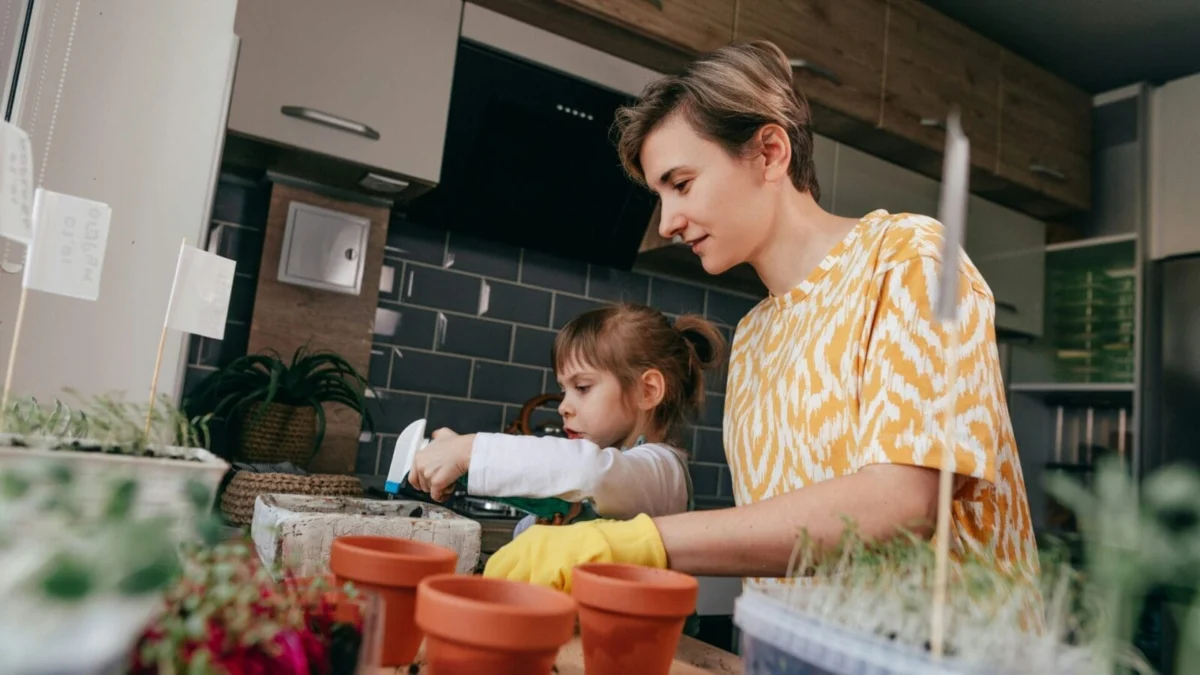
The arrival of the spring equinox marks a significant celestial event, a moment of perfect balance between day and night that has been recognized and celebrated by cultures across the globe for millennia. Occurring annually around March 20th or 21st, the equinox signifies the astronomical beginning of spring in the Northern Hemisphere and autumn in the Southern Hemisphere. This year, the spring equinox falls on Friday, March 20, at 10:46 a.m. EDT, a precise moment when the sun crosses the celestial equator, bestowing nearly equal amounts of daylight and darkness upon the planet. This natural phenomenon, devoid of any need for spiritual inclination or material possessions, serves as a powerful invitation to pause, observe, and embrace the cyclical nature of life.

The significance of the spring equinox is deeply rooted in human history, interwoven with agricultural cycles, spiritual beliefs, and the fundamental human desire for renewal. For ancient civilizations, the increasing daylight hours after the long, dark winter were a tangible sign of life’s resurgence, a promise of bountiful harvests, and a reason for celebration. These traditions, passed down through generations, continue to resonate today, offering a framework for reflection and intention-setting as we transition into a new season.

The Historical Tapestry of Equinox Celebrations
Across diverse cultures, the spring equinox has been a pivotal point for marking new beginnings and celebrating nature’s awakening.

-
Nowruz, the Persian New Year: Celebrated for over 3,000 years, Nowruz falls precisely on the spring equinox. At the heart of this celebration is the Haft-Seen, a ceremonial table meticulously arranged with seven symbolic items, each beginning with the Persian letter "S" (seen). These items represent various aspects of life and renewal:

- Sabzeh (sprouts): Symbolizing rebirth and growth.
- Seeb (apple): Representing health and beauty.
- Seer (garlic): Signifying medicine and protection.
- Serkeh (vinegar): Symbolizing patience and age.
- Samanu (sweet pudding): Representing abundance and prosperity.
- Sekkeh (coins): Symbolizing wealth and fortune.
- Sumac (spice): Representing the sunrise and the colors of dawn.
Families often supplement the Haft-Seen with a mirror, candles, painted eggs, and a book of poetry or wisdom, creating a rich tableau of hope and tradition. The observance of Nowruz underscores the human inclination to mark significant transitions with communal gatherings and symbolic gestures.
-
Higan in Japan: The spring equinox is a national holiday in Japan, observed as Higan. This week-long period is a significant Buddhist observance dedicated to reflection and remembrance. Families visit ancestral graves, offer prayers, and leave food offerings, honoring their ancestors and reflecting on the impermanence of life and the cycle of rebirth. The core principle of Higan is a mindful presence, acknowledging the transition of seasons and life itself.

-
Maya Civilization and the Planting Season: Ancient Maya cultures observed the spring equinox as a critical time for agricultural planning. The precise astronomical alignment was incorporated into their sophisticated calendar systems, guiding the timing of planting and harvesting. The equinox was seen as a divine signal, reinforcing the connection between celestial events and earthly sustenance.

-
Druidic Celebrations of Returning Light: For the ancient Druids, the spring equinox, known as Alban Eilir (the "Light of the Earth"), was a sacred turning point. It marked the triumph of light over darkness, a time for celebrating fertility, new life, and the reawakening of nature. Rituals often involved bonfires and ceremonies to honor the sun’s increasing power.

These historical traditions highlight the universal human experience of observing and responding to the natural rhythms of the planet. They provide a rich context for understanding the enduring significance of the spring equinox as a moment of renewal and reflection.

Embracing Renewal: Seven Spring Equinox Rituals
While the historical celebrations are rich with cultural specificity, the underlying themes of renewal, gratitude, and intention-setting are universally accessible. You don’t need to be deeply spiritual or possess specific accoutrements to connect with the energy of the equinox. A willingness to pause and observe is the only requirement. Here are seven rituals inspired by ancient wisdom and adapted for modern life, designed to ground you for the season ahead:

1. Curate a Table of Intentions
Inspired by the spirit of the Haft-Seen, this ritual encourages a personal interpretation of symbolic representation. Instead of adhering to a strict list of seven items, select objects that resonate with your personal hopes and aspirations for the spring season. This could include:

- A seed packet: To represent growth, new projects, or personal development.
- A photograph: Of a loved one you wish to connect with more deeply, or a place that inspires you.
- A candle: To symbolize inner light, peace, or clarity.
- A small stone or natural object: To represent grounding, strength, or connection to nature.
- A handwritten note: Expressing a specific intention or goal.
Arrange these items on a small table, shelf, or even a decorative tray. The act of choosing each item and placing it with intention transforms the display into a personal altar of aspirations, a visual reminder of what you wish to cultivate in the coming months. This ritual is a gentle way to acknowledge your desires and set a positive trajectory for the season.

2. Witness the Sunrise or Sunset with Purpose
The equinox offers a rare celestial alignment: the sun rises precisely due east and sets precisely due west. This astronomical accuracy, unique to the equinoxes, was recognized by ancient cultures who built monuments and conducted ceremonies around this perfect alignment. You don’t need ancient structures to participate. Simply find a clear view of the eastern horizon for sunrise or the western horizon for sunset.

-
For Sunrise: Set an alarm, prepare a warm beverage, and step outside. As the sun crests the horizon, observe the subtle shift in light and color. This act of conscious observation connects you to the dawning of the day and the re-emergence of light after winter. It’s a powerful metaphor for new beginnings.

-
For Sunset: If an early sunrise is not feasible, the sunset offers an equally profound experience. This year, the evening of the equinox will feature a crescent moon near Venus just after sunset, providing an added celestial spectacle. Gather with family, perhaps with a blanket, and simply watch the day conclude. This practice encourages presence and appreciation for the natural world’s rhythms.

3. Conduct a Mindful Spring Clean
Spring cleaning is more than a domestic chore; it’s a tradition embedded in many cultures as a way to clear out the old and make space for the new. From the Persian "khaneh tekani" (shaking the house) to pre-Easter traditions in Eastern Europe, a thorough cleaning before the equinox symbolizes energetic renewal.

-
Focus on a Single Area: Instead of overwhelming yourself, choose one space to declutter and clean: a closet, a kitchen drawer, or even your digital files. Approach this task not as an obligation, but as a practice of release and preparation. As you clear physical clutter, consider what mental or emotional baggage you are also releasing.

-
Invite Fresh Air: Open windows, even if the air is still cool. Allow the movement of air to circulate through your home, symbolizing the clearing of stagnant energy and the influx of fresh possibilities.

-
For Children: Transform spring cleaning into a "winter goodbye" ceremony. Have children select items or habits they are ready to let go of and items they wish to welcome. Write these down, ceremoniously tear up the "goodbye" papers, and display the "welcome" intentions. This playful approach can instill a sense of agency and renewal in younger family members.

4. Plant Something with Intention
The act of planting is a profound symbol of the spring equinox, representing the earth’s fertility and the promise of future growth. This ritual is accessible to everyone, regardless of whether you have a garden.

- A Single Pot or a Grand Garden: Planting a single herb on a windowsill, a few seeds in a small pot, or participating in a community garden all serve the same purpose. The act of placing something into the earth and committing to its care is the essence of this ritual.
- Set an Intention: As you plant, speak aloud or write down an intention for what you wish to cultivate this spring, both literally and metaphorically. What are you nurturing in your life? This could be a new skill, a healthier habit, or a deeper relationship. This simple act connects you to the life-giving forces of nature and your own capacity for growth.
5. Engage in a Balance Check
The spring equinox is fundamentally about balance—the equal measure of light and darkness. For parents, the concept of "balance" can often feel elusive. This ritual reframes balance as a point of awareness rather than an unattainable goal.

-
The Balance Sheet: Take a piece of paper and draw a line down the center. On one side, list aspects of your life that are currently taking more energy than they are giving. On the other side, list what is filling you up and bringing you joy. This is not a judgment, but a snapshot of where your energy is flowing.

-
A Small Adjustment: For the season ahead, identify one small, actionable adjustment you can make to shift the equilibrium, perhaps by reducing an energy drain or increasing an energy source.

-
The Egg Balance Tradition: An old, albeit scientifically inaccurate, tradition suggests that eggs can only stand upright on the equinox. While this is a myth (eggs can be balanced on any day with patience), attempting it with children can be a fun, tangible way to discuss the equinox. It provides a playful introduction to the concept of equilibrium and the unique celestial alignment of the day.

6. Prepare an Equinox Meal
Food has always been central to seasonal celebrations, and the spring equinox is no exception. Across cultures, meals prepared around this time often feature ingredients that symbolize new life and the earth’s bounty.

- Cook with the Season: Incorporate early spring vegetables like asparagus, radishes, and peas. Fresh herbs and eggs, symbolizing rebirth, are also excellent choices.
- Set the Scene: Create a special atmosphere for your meal. Set the table with flowers, light a candle, and encourage each person to share one thing they are looking forward to in the spring. This simple act transforms a meal into a mindful celebration, fostering connection and shared anticipation.
7. Write a Letter to Your Future Self
This personal ritual offers a unique opportunity for reflection and forward-looking intention. It’s a way to capture your current state of mind and to offer guidance and encouragement to yourself in the months to come.

- Date it for the Summer Solstice: On or around the spring equinox, write a letter to yourself, to be opened on the summer solstice (around June 20).
- Reflect and Envision: In the letter, capture your hopes, your anxieties, and what you want to remember about this specific moment in time. What are you currently planting, metaphorically speaking? What are you nurturing?
- Secure Your Message: Fold the letter and store it in a place where you will discover it in three months. This act creates a tangible link between your present self and your future self, offering a unique perspective on your journey and growth.
The Enduring Significance of Natural Cycles
The spring equinox serves as a potent reminder of the Earth’s cyclical nature and humanity’s deep connection to these rhythms. For millennia, people have used this moment to realign themselves with the natural world, to shed the old, and to embrace the new. In a world that often feels chaotic and unpredictable, participating in these ancient traditions, or simply acknowledging the profound significance of the equinox, can provide a sense of grounding and continuity. As the days lengthen and the world awakens, the spring equinox invites us to turn inward, set intentions, and step forward with renewed hope and purpose. It is a testament to the enduring human need for ritual and reflection, a timeless anchor in the ever-turning wheel of the seasons.