 Pranda Michaela
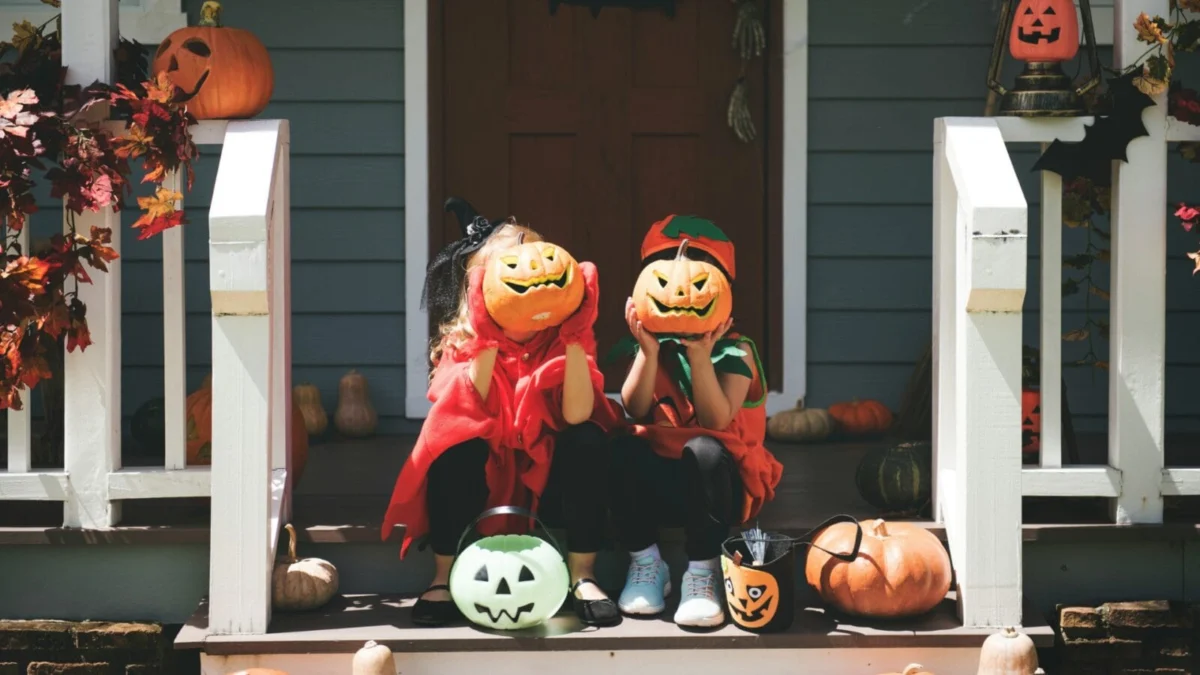
Every October, the ritual of selecting a Halloween costume transforms parents into amateur anthropologists, tasked with decoding the complex, rapidly shifting cultural landscape of their children’s interests. While parents may have once relied on classic tropes—ghosts, witches, or superheroes—the 2026 landscape is defined by a chaotic intersection of digital nostalgia, modern pop-country, and viral internet phenomena. According to Frightgeist, the data-driven project by Google that tracks search trends, the top ten list for the current year offers a fascinating glimpse into the collective consciousness of modern youth, ranging from country music royalty to an existential jester from an indie digital series.

The 2026 Landscape: A Snapshot of Trending Searches
The data compiled by Google reflects a unique cultural moment where legacy entertainment collides with niche internet micro-trends. The top-trending costumes for children in 2026 are:

- Dolly Parton
- Ella Langley
- Dumpling
- Shakira
- Ash Ketchum (Pokémon)
- Hannah Montana
- Spider-Gwen
- Michael Jackson (Thriller Era)
- Pomni (The Amazing Digital Circus)
- Grogu (Star Wars)
The absence of a singular, dominant theme—such as a blockbuster film release or a singular media event—underscores the fragmented nature of modern consumption. Children are increasingly curating their identities from a diverse array of sources, leading to a "gloriously incoherent" list that challenges traditional holiday marketing assumptions.

Cultural Context and Historical Milestones
Several entries on this year’s list are driven by significant anniversaries or strategic industry pushes. Hannah Montana, for instance, has seen a resurgence in search volume due to the show’s 20th anniversary. This milestone has prompted a nostalgia loop among the "elder Millennial" cohort, who were the original target demographic for the series and are now influencing their own children’s costume choices. Similarly, the inclusion of the Thriller-era Michael Jackson is largely attributed to the release of the Antoine Fuqua-directed biopic Michael earlier in 2026, which reintroduced the late artist’s iconic red leather aesthetic to a new generation.

Pokémon, celebrating its 30th anniversary, continues to demonstrate its staying power. Ash Ketchum remains a perennial favorite, serving as a rare bridge between generations. For parents, the costume is a functional favorite: it is recognizable, budget-friendly, and utilizes existing merchandise, such as plush Pikachu toys, to complete the ensemble.

The Rise of Country Pop and Global Icons
The dominance of country music figures—specifically Dolly Parton and Ella Langley—highlights the genre’s massive mainstream expansion in 2026. Parton, a cultural icon whose influence transcends musical boundaries, holds the number one spot. Her diverse wardrobe history provides parents with a wide array of options, from 1970s western glam to modern sequins.

Ella Langley’s presence at number two is a testament to the rapid acceleration of fame in the digital age. As a leader in this year’s CMA nominations and the first woman to simultaneously top the Billboard Hot 100, Hot Country Songs, and Country Airplay charts with "Choosin’ Texas," Langley has captured the attention of a youth demographic that is increasingly consuming country-pop through short-form video platforms.

Shakira’s inclusion, meanwhile, is bolstered by a combination of global sports visibility—following her performances at the 2026 World Cup—and the broader cultural revival of early-2000s fashion. As parents revisit the aesthetic of the era, Shakira’s signature look has become an accessible and popular choice for young trick-or-treaters.

Digital-Native Characters and Existential Narratives
Perhaps the most telling entry on the 2026 list is Pomni from The Amazing Digital Circus. As an animated character trapped in a simulated carnival, Pomni represents a shift toward more complex, "digital-first" storytelling. Unlike traditional television characters, Pomni exists within a web-based series that has cultivated a massive, hyper-engaged following. The popularity of this costume suggests that for the "tween" demographic, narrative depth and psychological intrigue are becoming as important as traditional aesthetic appeal.

The "Dumpling" costume, the only non-celebrity entry, represents the power of tactile, sensory-focused toys. Modeled after the squishy, bamboo-steamer-packaged merchandise that has dominated social media trends throughout the year, the Dumpling costume highlights a shift toward comfort and physical playability. These costumes are often designed to be "nap-compatible," reflecting a parental preference for practical, soft-textured attire that can endure an entire evening of activity.

The Role of Independent Representation
Spider-Gwen serves as the lone representative of the superhero genre in the top ten. Her popularity is notable for being entirely organic; unlike many other characters on the list, there was no major theatrical release for her specific iteration in 2026. Her status as a female superhero and a drummer in a punk rock band provides a multifaceted role model that resonates with children seeking independence and non-conformity.

Economic and Social Implications
The diversity of this list carries significant implications for the retail and costume industries. Manufacturers are finding it increasingly difficult to predict "the" costume of the year, forcing a shift toward smaller-batch, high-variety production. Furthermore, the reliance on DIY components—such as the gravity-defying wigs for Dolly Parton or the red leather jackets for Michael Jackson—indicates that parents are moving away from pre-packaged, "all-in-one" kits in favor of curated, customizable looks.

Economically, the data suggests that Halloween spending is being driven by niche interests rather than mass-market blockbusters. This trend places a greater premium on versatility. Retailers who offer modular costume components that can be repurposed or combined are finding more success than those relying on static, character-specific merchandise.

Expert Perspective and Parental Strategy
Child development experts suggest that the act of choosing a costume is an early exercise in self-expression and identity formation. When children request characters like Pomni or specific country artists, they are often signaling an alignment with a peer group or a digital subculture. For parents, the advice remains consistent: validate the child’s interest, even if the character is unfamiliar, and focus on the transformative power of the costume rather than its commercial viability.

The 2026 Frightgeist data also reflects a broader trend in parenting: the desire to reclaim play. By choosing costumes that are comfortable, such as the Dumpling, or socially connective, such as the Pokémon trainer, parents are facilitating experiences that prioritize child agency and comfort over elaborate, uncomfortable, or overly rigid designs.

Looking Ahead: The Future of Halloween Trends
As the holiday season progresses, the data from the final weeks of October will likely solidify these trends. However, the current top ten provides a clear roadmap for what defines the contemporary youth experience: a mixture of historical reverence for music icons, an obsession with digital-native content, and a preference for comfort-driven, tactile aesthetics.

Whether it is the "Saint of Tennessee" or an existential digital jester, the costumes of 2026 are ultimately a mirror of the world as children see it today. It is a world where Dolly Parton and a squishy dumpling can coexist at the top of a search list, proving that in the modern era of parenting, the only constant in Halloween is, indeed, the unexpected. For the millions of parents currently finalizing their plans, the 2026 list serves as a reminder that the holiday is not just about the candy—it is about the freedom to become anyone, even if that person is a dumpling.