Reynand Holland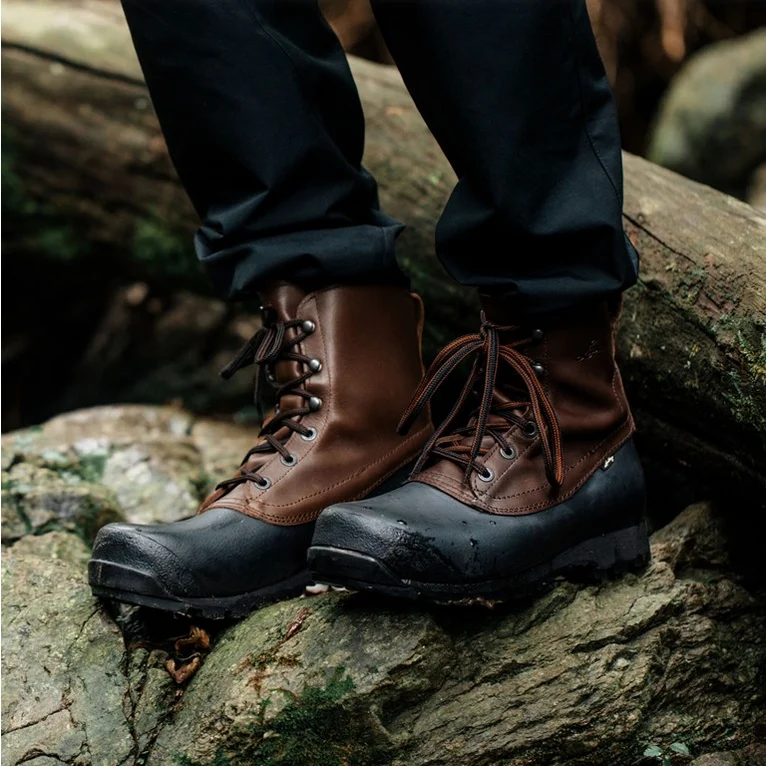
Stepping out into the winter landscape requires footwear capable of enduring snow, ice, and heavy slush while maintaining environmental integrity. Truly sustainable winter boots must offer robust weather resistance, exceptional durability to withstand years of heavy wear, and a complete absence of toxic waterproof finishes. For decades, the footwear and outdoor apparel industries relied heavily on chemical treatments to achieve moisture resistance, inadvertently introducing persistent toxins into ecosystems worldwide. As consumer awareness shifts toward health and environmental preservation, the demand for non-toxic, eco-friendly winter footwear has reached unprecedented levels.
Understanding the Threat of Forever Chemicals in Footwear
Consumers closely following environmental and public health developments have likely encountered discussions surrounding per- and poly-fluoroalkyl substances, commonly known as PFAS. These man-made chemicals have been utilized across numerous global industries since the mid-20th century, ranging from commercial fashion and household cleaning products to non-stick cookware. Their primary utility lies in their extraordinary ability to protect surfaces from water, oil, and stubborn stains without impeding material breathability.
Referred to scientifically as "forever chemicals" and designated within the textile trade as Durable Water Repellent (DWR) coatings, these waterproofing agents are exceptionally prevalent in outdoor gear, ski equipment, and snow-proof winter footwear. Without these synthetic treatments, traditional fabrics and leathers quickly saturate when exposed to prolonged moisture, prompting manufacturers to rely on them for decades to ensure dry performance in harsh climates.
However, the chemical resilience that makes PFAS effective also makes them an enduring environmental hazard. When microscopic particles flake off winter boots during everyday use, they enter the surrounding environment and fail to break down naturally. Due to exceptionally strong carbon-fluorine bonds, these substances persist indefinitely in snow packs, soil, and aquatic ecosystems. Over time, runoff carries them into municipal water supplies and agricultural groundwater, leading to widespread environmental contamination.
Beyond ecological concerns, human exposure poses significant public health risks. PFAS compounds migrate easily from footwear into indoor residential environments through normal wear, dust accumulation, and skin contact. Epidemiological and toxicological studies conducted by federal health agencies have linked chronic exposure to various health complications, including elevated risks of specific cancers, reduced female fertility, altered metabolic functions, and suppressed immune system responses in both adults and children.
Regulatory Shifts and Industry Response
The mounting body of scientific evidence regarding the persistence and toxicity of per- and poly-fluoroalkyl substances has triggered a wave of regulatory action and corporate accountability across North America and Europe. Environmental protection agencies have increasingly scrutinized the industrial discharge of fluorinated chemicals, pushing legislation aimed at restricting or outright banning the sale of consumer products containing intentionally added PFAS.
In response to impending regulations and shifting consumer demands, forward-thinking footwear brands have begun phasing out DWR treatments in favor of alternative technologies. Transitioning away from fluorinated chemistry is a complex engineering challenge, requiring brands to reformulate membranes, adhesives, and exterior treatments. Pioneering companies have invested heavily in research and development to create proprietary non-toxic waterproof barriers that rival the performance of legacy chemical treatments. Furthermore, leading outdoor industry coalitions have begun sharing successful transition strategies, fostering a collaborative approach to eliminating forever chemicals from the global supply chain. Unless a manufacturer explicitly certifies that its waterproofing finish is PFAS-free, PFC-free, or entirely devoid of fluorinated chemicals, consumers must assume the product incorporates these persistent synthetic compounds.
Evaluating Sustainable Footwear: Beyond the Chemical Free Label
Identifying a truly sustainable winter boot requires evaluating more than just the absence of toxic waterproofing chemicals. A comprehensive assessment involves examining material sourcing, ethical supply chain practices, and post-market product longevity.
Safe and Sustainable Materials
While eliminating PFAS is a critical first step, manufacturing practices across the entire material lifecycle demand rigorous scrutiny. For boots utilizing natural leather, moisture resistance can be achieved through traditional tanning methods combined with non-toxic waxes and oils. Consumers should look for certifications from the Leather Working Group (LWG), an international multi-stakeholder body that audits tanneries for environmental compliance, energy consumption, waste management, and chemical reduction.
For vegan or synthetic alternatives utilizing recycled textiles, verification standards such as the Global Recycled Standard (GRS) ensure that claimed recycled polyester or nylon content is authentic and traceable. Additionally, independent textile certifications like bluesign or adherence to a strict restricted substances list (RSL) indicate that a brand exercises rigorous oversight over chemical inputs throughout its manufacturing facilities.
Transparent Supply Chain Management
Ensuring that winter footwear is safe for the wearer must not come at the expense of fair labor practices and human welfare in manufacturing regions. Transparent brands maintain comprehensive mapping of their supply chains, tracing production from finished assembly down to raw material harvesting and yarn spinning. Partnerships with organizations such as the Fair Wear Foundation, public disclosure of tier-one and tier-two factory locations, and strict adherence to corporate codes of conduct serve as reliable indicators of ethical supply chain management.
After-Market Repair and Product Longevity
True sustainability is rooted in durability. Winter boots that degrade after a single season contribute directly to the global waste crisis, regardless of whether their materials are organic or recycled. Sustainable brands design products with modular components, reinforced seams, and replaceable soles to maximize operational lifespan. Leading manufacturers facilitate after-market longevity by offering professional repair services, providing spare replacement parts, and supplying consumers with maintenance guides to ensure their gear withstands years of heavy winter use.
Leading PFAS-Free Winter Boot Brands
A growing number of footwear manufacturers offer high-performance snow and slush-rated boots completely free of perfluorinated chemicals, combining safety, durability, and contemporary design.
Keen
Keen established itself as a trailblazer in the outdoor footwear sector by becoming one of the first major brands to eliminate PFAS across its entire product catalog. The company publicly shared its transition methodology with industry competitors to accelerate the broader elimination of forever chemicals. Keen offers a diverse collection ranging from stylish everyday city boots to heavy-duty alpine footwear, all protected by proprietary, PFAS-free Durable Water Repellent finishes. The brand enforces strict environmental standards by sourcing leather exclusively from LWG-certified tanneries and maintaining a comprehensive restricted substances list. Operational transparency is a core pillar, with the company producing at least one-third of its footwear in company-owned facilities while subjecting all tier-one and tier-two contract suppliers to rigorous independent social audits.
Price Range: $115–$250
Availability: United States, with select international distribution across Europe, Asia, Australia, and China via authorized partner dealers.
Jack Wolfskin
Operating out of Europe, Jack Wolfskin designs innovative, earth-conscious outdoor apparel and footwear engineered to endure extreme weather conditions. The brand’s winter boot lineup predominantly utilizes custom water- and wind-proof Texapore membranes constructed without fluorinated chemicals. Jack Wolfskin publishes an exhaustive list of its manufacturing partners, ensuring that all production facilities are bluesign-approved or operate entirely free of hazardous chemical inputs. Independent inspectors are regularly dispatched to manufacturing sites to verify that fair labor standards and safe working conditions are strictly upheld.
Price Range: $120–$230
Availability: Primarily available across most European countries.
Lundhags
Founded in Sweden in 1932, Lundhags brings nearly a century of Scandinavian heritage to its robust line of winter footwear. The brand manufactures its leather shell boots, single-layer, and multi-layer alpine designs directly within Europe, utilizing raw materials sourced from a specialized German tannery to maintain a remarkably short and transparent supply chain. Emphasizing product longevity, Lundhags operates a dedicated after-market shoemaker repair shop designed to refurbish and extend the operational lifespan of its gear. Factory working conditions and labor standards are regulated under the strict Brav code of conduct.
Price Range: $217–$597
Availability: Most European nations.
Vaude
Vaude integrates strict environmental ethics into its technical footwear line, constructing its boots with water- and wind-proof membranes made from PFAS-free recycled polyester. The brand sources its leather uppers from a local German tannery, minimizing transportation emissions and ensuring strict environmental compliance. Vaude empowers consumers to maintain and repair their footwear by offering affordable replacement parts directly through its online portal alongside a comprehensive full-service factory repair program. Transparent product pages disclose the exact manufacturing location for individual boot models.
Price Range: $200–$263
Availability: Canada and most European countries, though unavailable in the United States.
Forsake
Forsake bridges the gap between urban aesthetics and outdoor performance, offering a versatile range of waterproof footwear spanning sleek sneaker-boots and heeled hiking models. The brand utilizes LWG-certified waterproof leathers treated without harmful chemical compounds. Its parent organization enforces a uniform code of conduct across all partner manufacturing facilities, backed by scheduled third-party compliance audits.
Considerations: While upper materials and construction standards are well-documented, the exact sourcing origin of the internal memory foam insoles remains partially unspecified.
Price Range: $145–$160
Availability: United States.
EcoAlf
EcoAlf is a certified B Corporation committed to circular fashion, producing vegan winter boots utilizing GRS-certified recycled polyester derived from marine plastic waste alongside virgin and recycled rubber blends. The brand tracks its material inputs and production partners down to tier-three suppliers, ensuring rigorous accountability.
Considerations: While extensive supply chain mapping is practiced, specific geographic origins for all raw material inputs are not fully transparent.
Price Range: $145–$299
Availability: United States, alongside major markets in South America, Europe, and Asia.
Will’s Vegan Store
Will’s Vegan Store manufactures ethical, cruelty-free footwear in Portugal and Italy using advanced bio-based leather alternatives and recycled polyester insulation. The brand maintains end-to-end traceability across its production process, verifying fair labor conditions and sustainable material processing.
Considerations: The majority of the footwear line utilizes unspecified synthetic vegan leather compounds, which are plastic-derived. Furthermore, while the brand offers extensive vegan collections, shoppers must verify individual product descriptions to ensure specific waterproof styles are explicitly certified PFAS-free.
Price Range: $134–$190
Availability: Worldwide shipping to all global countries.
Poppy Barley
Poppy Barley crafts sophisticated water-resistant ankle and calf-length winter boots utilizing LWG-certified leathers. Production takes place in audited manufacturing facilities located in Europe and Mexico, ensuring fair wages and safe operational environments.
Considerations: Certification statuses vary across individual models, requiring consumers to check specific product pages to confirm sustainable material sourcing before purchase.
Price Range: $293–$480
Availability: Continental United States, Canada, Mexico, and Australia.
REI Used Gear
For consumers seeking sustainable alternatives on a budget, the REI Used platform offers an organized marketplace for buying, selling, and trading pre-owned outdoor gear. Shoppers can acquire discounted winter boots from premium outdoor brands, extending the lifecycle of existing consumer goods and reducing overall demand for new manufacturing.
Considerations: While REI maintains corporate initiatives to eliminate PFAS from its private-label inventory, buyers purchasing secondhand items from third-party brands must independently verify product specifications, as older models may contain legacy DWR treatments.
Price Range: $22–$149.50
Availability: United States.