Ali Ikhwan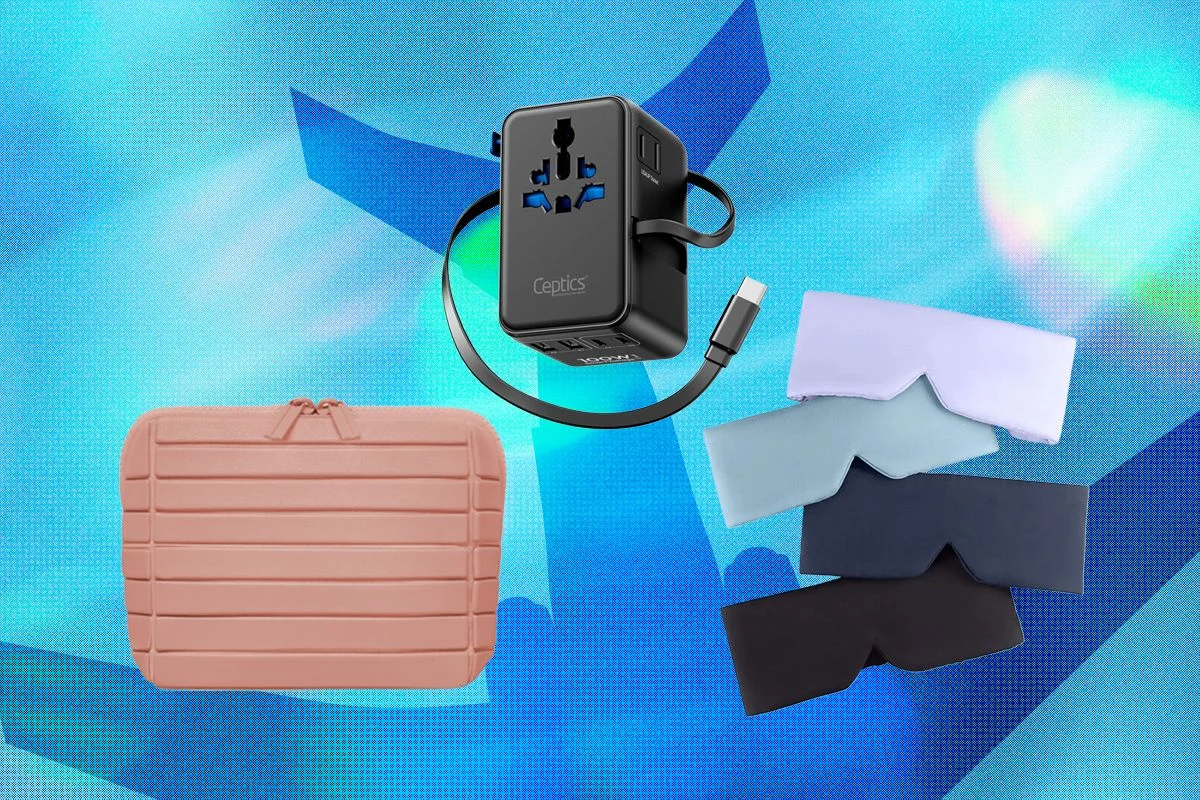
Even the most seasoned globe-trotter likely finds traveling stressful. Between the logistical hurdles of panic-packing, the inherent fatigue of navigating cramped airport terminals, and the disorientation of living out of a suitcase for days or weeks at a time, each phase of being away from home presents a unique set of sensory and cognitive overstimulations. As global tourism continues to surge—with the International Air Transport Association (IATA) reporting that total passenger numbers are expected to reach record highs in the coming fiscal year—the demand for travel accessories that offer tangible relief has reached an all-time peak. The best gifts for travelers are no longer just aesthetic novelties; they are essential tools designed to maximize ease, maintain physical health, and provide peace of mind.
The Evolution of Travel Logistics and Gear Requirements
The modern travel landscape has shifted significantly over the last decade. Security protocols have become more stringent, carry-on luggage dimensions have grown more restrictive, and the "bleisure" trend—blending business trips with leisure extensions—has changed how professionals pack. A three-day business retreat now requires the same organizational rigor as a two-week international expedition. According to data from travel analytics firms, the average traveler spends approximately 15 percent of their journey time simply managing personal belongings, from searching for passports to untangling charging cables. Consequently, the industry has seen a pivot toward "modular" travel gear that minimizes cognitive load and maximizes spatial efficiency.

Essential Luggage Systems for the Modern Jet-Setter
For many, the foundation of a successful trip is the luggage itself. While many travelers possess a favorite suitcase, the industry has recently moved toward high-durability, lightweight polycarbonate shells. The Quince Expandable Small Carry-On & Large Check-In Suitcase Set serves as a prime example of this market shift. By utilizing premium-grade materials previously reserved for high-end luxury brands, these sets offer 360-degree silent-run spinner wheels and integrated, TSA-approved locking mechanisms. The implementation of expandable interiors allows for a 20 percent increase in capacity, a critical feature for travelers navigating varying climates. Market analysts note that the rise of direct-to-consumer luggage brands has forced a price correction across the industry, providing consumers with better performance-to-cost ratios than were available five years ago.
Digital Literacy and the Future of Vacation Reading
As airlines continue to reduce weight on aircraft to improve fuel efficiency, passengers are increasingly looking for ways to shed physical weight from their own carry-ons. The transition from physical books to high-fidelity e-readers has been accelerated by advancements in display technology. The 12th-generation Amazon Kindle Paperwhite represents the current industry standard for digital reading, featuring a 7-inch, high-resolution display with a contrast ratio that mimics real paper.
Technological benchmarks indicate that these devices now offer up to three months of battery life, effectively eliminating the need to pack a dedicated charger for reading material. Furthermore, the industry-wide move toward IPX8 waterproofing allows these devices to be used in environments once considered hazardous for electronics, such as poolside or near the ocean. This durability is crucial for the modern traveler, whose devices are often exposed to fluctuating humidity and proximity to water.
-Offwhite-Background-SOURCE-Bearaby.jpg)
Secure Documentation and Passport Management
With the implementation of REAL ID requirements in the United States and the global shift toward digital-first border crossings, the humble passport wallet has evolved into a critical security accessory. The Calpak Luka Zip Passport Wallet addresses the need for centralized documentation. While aesthetically diverse, the functional implication of these wallets is significant: they reduce the likelihood of lost travel documents by providing a dedicated, high-visibility storage solution. However, travelers should be mindful of size; while larger wallets make documents easier to locate in a backpack, they must also be compatible with restricted cabin space.
Optimization Through Modular Organization
Perhaps the most significant improvement in travel efficiency is the adoption of packing cubes. Research into baggage handling suggests that organized interiors reduce the time required to retrieve items by roughly 40 percent. The Eagle Creek Pack-It Reveal Carry-On Set utilizes a combination of breathable mesh and opaque, water-resistant fabric, allowing for both ventilation and privacy. The inclusion of a "clean/dirty" dual-compartment system in the larger cubes solves a persistent hygiene issue for long-haul travelers. This level of organization is not merely a convenience; it is a fundamental component of stress reduction, allowing travelers to maintain a semblance of home-like order within a foreign environment.
Environmental Protection and Sun Safety
For travelers venturing into high-UV environments, proactive skin protection is a non-negotiable health priority. The Solbari Resort Wide Brim Sun Hat provides a quantifiable level of protection, boasting a UPF 50+ rating. Unlike standard headwear, these items are engineered for portability, using crush-resistant fabrics that can withstand being compressed into a carry-on without losing structural integrity. This represents a broader trend in travel gear: the convergence of medical-grade health benefits with high-fashion, packable design.
%2520SOURCE-Simon-Hill..jpg)
Security and Asset Tracking
The advent of Bluetooth and Ultra-Wideband (UWB) tracking technology has fundamentally changed the risk profile of lost baggage. Apple AirTags and their Android-compatible counterparts, such as the Chipolo Pop, have provided travelers with real-time visibility into their belongings. Chronologically, this technology emerged as a direct response to the massive baggage handling failures experienced by major airlines during the 2022 post-pandemic travel surge. By allowing passengers to independently verify the location of their checked bags, these trackers have shifted the power dynamic between the passenger and the airline, reducing the anxiety associated with flight connections and last-minute gate checks.
Sleep Hygiene in Unpredictable Environments
Sleep deprivation is a leading contributor to travel fatigue, particularly during international transit. The use of ergonomic eye masks, such as the Bearaby Tencel Sleep Mask, has become a standard practice for managing circadian rhythm disruption. These masks are designed to provide total light blockage while using breathable, natural fibers like eucalyptus. The physical design—focusing on a gentle fit that does not exert pressure on the temples—reflects a deeper understanding of the physiological needs of passengers on long-haul flights.
The Thermal Regulation Challenge
The "Travel Puffy Blanket" from brands like Rumpl has replaced the heavy, unhygienic wool blankets previously provided by airlines. By using synthetic, down-alternative insulation and a durable, water-resistant outer shell, these blankets serve multiple purposes: as a thermal layer in cold cabins, a picnic mat on arrival, or even a makeshift garment via integrated clips. This versatility is essential for the minimalist traveler, effectively replacing three or four items with a single, packable unit.

Global Connectivity and Power Standards
The proliferation of portable electronics has created a unique problem: the need for universal power compatibility. The Ceptics GAN 100W Universal Travel Adapter is the contemporary solution to the antiquated reliance on multiple regional adapters. By utilizing Gallium Nitride (GaN) technology, these adapters are smaller, more efficient, and capable of delivering high wattage to multiple devices simultaneously. This eliminates the "power strip" anxiety that often plagues travelers in older hotels or regions with limited outlet access.
Circulatory Health: The Compression Standard
Finally, for any traveler spending more than four hours in a seated position, compression socks are a medical necessity rather than a luxury. The 15-20mmHg range offered by companies like Bombas is the gold standard for promoting venous return and preventing Deep Vein Thrombosis (DVT) during long flights. The integration of high-quality materials and charitable giving models has moved these items into the mainstream, making them a staple for the health-conscious traveler.
Broader Implications and Future Outlook
The travel industry is currently undergoing a "refinement phase." As the novelty of post-pandemic travel fades, the focus has shifted toward the quality of the journey. The products detailed above do more than just facilitate movement; they mitigate the negative physiological and psychological effects of transit. As manufacturing techniques continue to improve, we can expect to see even lighter, more durable, and more intelligent travel gear. The ultimate implication for the consumer is clear: by investing in high-quality, purpose-built gear, the traveler can regain control over their environment, transforming the process of movement from a source of stress into a seamless extension of their daily life.