Michael Sholeh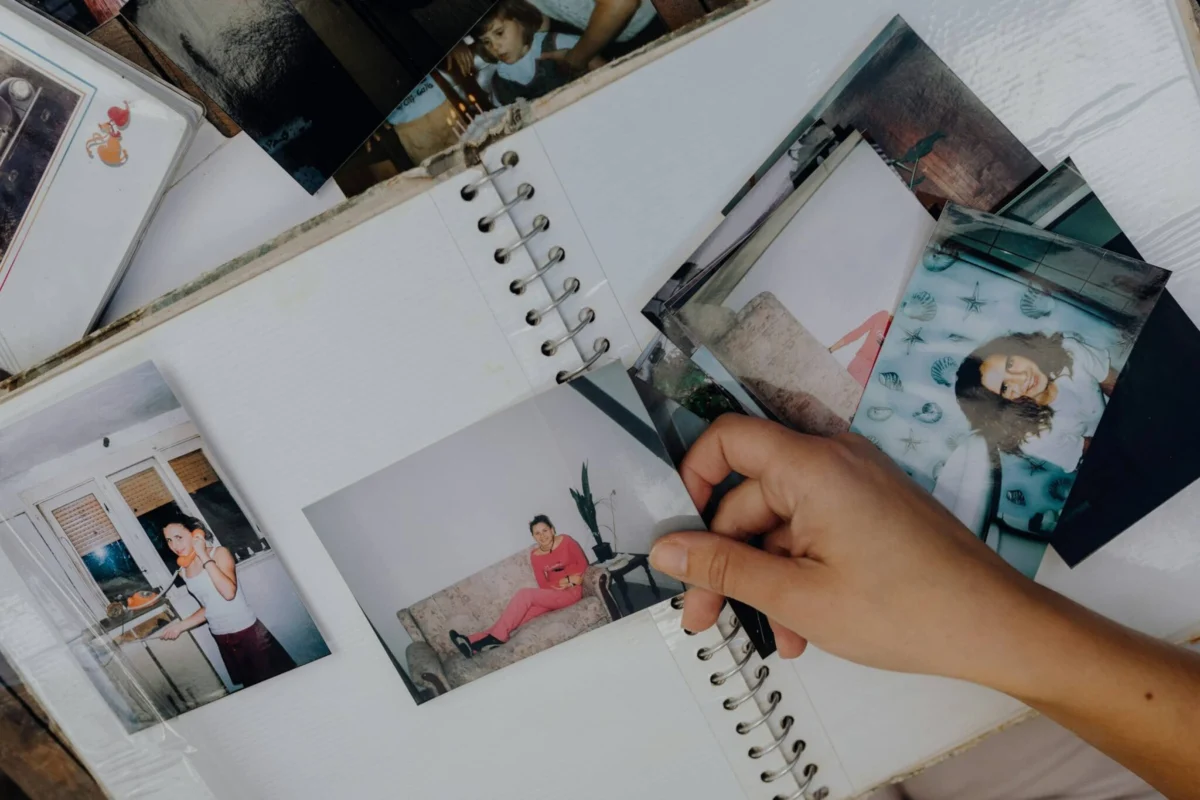
Navigating the complexities of end-of-life planning and estate management represents one of the most significant challenges families face in contemporary society. Recent demographic shifts, driven by the aging of the Baby Boomer generation, have brought issues of legacy, estate administration, and material accumulation to the forefront of household and financial discussions. When Joe Darago, Executive Director of the non-profit organization The Hope Effect, traveled to Northeast Ohio to officiate the funeral of his aunt, Liz, he encountered a universal human experience: the intersection of grief and the tangible responsibilities left behind by a deceased loved one.
Aunt Liz, along with her sister Marilyn, had long served as the steadfast matriarchal anchors of their extended family. Having never had children of their own, the sisters dedicated their lives to maintaining a consistent, supportive presence across generations, attending graduations, milestone celebrations, and maintaining regular correspondence. However, like many households shaped by decades of accumulation, their shared residence eventually became a repository for generations of family history, including vintage documents, inherited furniture, and artifacts from a historic family storefront.
The logistical hurdles associated with estate clearing are frequently compounded by emotional stress. Yet, through a series of intentional, proactive measures undertaken during the final year of her life, Aunt Liz managed to significantly mitigate the operational and emotional burdens typically placed upon surviving relatives. Her approach highlights actionable strategies that financial planners, eldercare specialists, and estate attorneys frequently recommend to families navigating similar transitions.
Chronology of Estate Preparation and Family Legacy
The timeline of Aunt Liz’s final years underscores the practical benefits of proactive end-of-life planning. Approximately a decade prior to her passing, both Aunt Liz and Aunt Marilyn faced increasing health challenges. To optimize care and manage financial resources efficiently, the sisters consolidated their living arrangements into a single household. This transition, while beneficial for daily mutual support, concentrated vast amounts of accumulated material possessions into one location.
Recognizing the impending realities of aging approximately one year before her death, Aunt Liz initiated a systematic approach to organizing her personal affairs. This targeted preparation unfolded across three distinct phases: financial structuring, material simplification, and communicative legacy planning. Estate experts note that when individuals take these steps prior to a medical crisis, the resulting administrative friction for surviving executors is substantially reduced.
Financial Structuring Through Formal Trusts
Among the most impactful steps taken by Aunt Liz was the establishment of a formal living trust. With a portfolio that included two residential properties, multiple retirement accounts, a life insurance policy, and a substantial collection of valuable coins, the potential for administrative delay or familial dispute was considerable.
By working alongside legal professionals to establish a trust, designate an executor—a role filled by Darago’s sister—and explicitly document asset distribution, Aunt Liz insulated her family from common probate complications. According to financial data compiled by estate planning associations, properties and assets subject to formal trusts frequently bypass the lengthy probate court process, saving families thousands of dollars in legal fees and months, or even years, of administrative delay. Furthermore, clear financial demarcation minimizes the interpersonal friction that frequently arises regarding the division of monetary assets, allowing grieving relatives to focus on emotional processing rather than legal arbitration.
Material Simplification and Heritage Preservation

The accumulation of material goods across multi-generational households presents a formidable challenge for descendants. Sociological studies on consumer behavior and material culture indicate that older generations often view physical objects as primary vessels for preserving familial memory. Aunt Liz’s home was no exception, containing decades of photographs, correspondence, and household items.
During her final year, however, Aunt Liz engaged in a measured process of material reduction. Closets were partially cleared, official documents were labeled and cataloged, and non-essential items were designated for charitable donation. While the residence still contained historical keepsakes, this preliminary sorting acted as a critical buffer for the surviving family members.
Estate liquidation specialists emphasize that pre-sorting personal property is one of the most valuable gifts an aging individual can provide. When descendants are forced to sort through decades of undifferentiated belongings during acute grief, decision fatigue often sets in, sometimes leading to the accidental disposal of items of genuine historical or sentimental value.
Communicative Legacy Planning and Intergenerational Dialogue
Beyond financial and material organization, Aunt Liz prioritized open communication regarding her final wishes and the redistribution of specific responsibilities. Rather than leaving her family to infer her preferences, she engaged in direct conversations with individual relatives, assigning specific roles such as the care of her aging pets, the continuation of annual holiday traditions, and the stewardship of the family’s historical archive.
This transparent dialogue transformed the post-loss period from a guessing game into a structured execution of known desires. Behavioral psychologists note that transparent conversations surrounding mortality alleviate the anticipatory anxiety experienced by both aging individuals and their caregivers. By clearly articulating the significance behind specific heirlooms—such as handwritten letters and historic photographs—Aunt Liz ensured that the contextual history of the family was preserved rather than lost.
Broader Implications for Aging Populations and Families
The experience of the Darago family reflects broader macroeconomic and demographic trends observed across the United States. As trillions of dollars in wealth and countless physical assets are transferred from the aging Baby Boomer generation to their heirs—a phenomenon frequently referred to in economic literature as the "Great Wealth Transfer"—the necessity for structured estate preparation becomes increasingly acute.
Financial advisors and geriatric care managers consistently advocate for early, structured communication regarding wills, trusts, healthcare directives, and property disposition. Statistics from estate planning registries indicate that a significant percentage of American adults die without a valid will or trust, frequently resulting in state-mandated intestacy laws dictating asset distribution, which may conflict with the deceased’s actual intentions.
Moreover, the psychological implications of structured legacy planning extend to community health. Families that engage in proactive dialogue regarding end-of-life care report lower levels of prolonged complicated grief and reduced incidence of family estrangement resulting from estate disputes.
Ultimately, the actions taken by Aunt Liz demonstrate that effective end-of-life preparation transcends mere legal compliance or minimalist organization; it represents an active form of care for the living. By establishing a trust, simplifying her physical footprint, and openly communicating her values and history, she provided a pragmatic blueprint for how individuals can manage the inevitable transition of legacy with dignity, clarity, and enduring consideration for those they leave behind.