Hanik Kholidah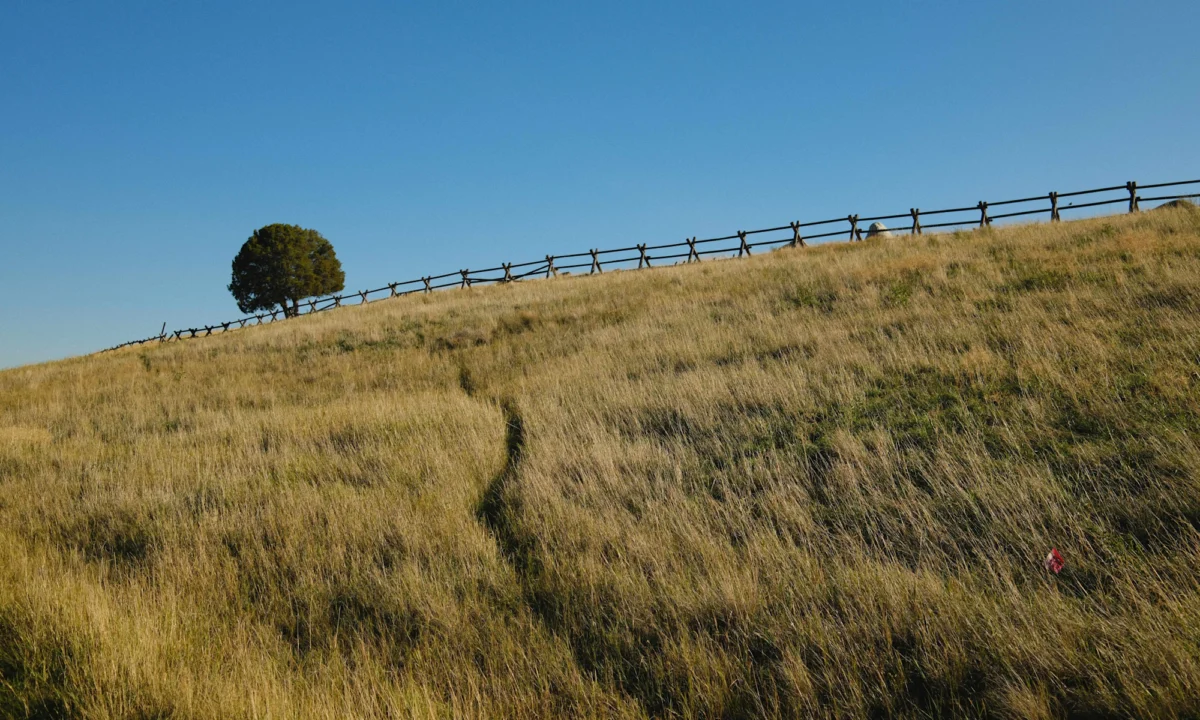
Nestled within the breathtaking expanses of Paradise Valley in Pray, Montana, Sage Lodge has emerged as a premier destination for travelers seeking a profound departure from hyper-connected modern life. Situated just 35 minutes north of Yellowstone National Park along more than a mile of the iconic Yellowstone River frontage, the property has earned sustained acclaim—including a prestigious Three MICHELIN Keys designation for three consecutive years—by offering a rare synthesis of rugged wilderness access and refined hospitality. General Manager Jon Martin characterizes the destination’s ethos succinctly, stating that Montana represents wellness both by nature and within nature. This philosophy underpins an operational model that deliberately sidesteps conventional, highly structured spa-centric wellness programs in favor of environmental immersion, organic nutrition, and active outdoor engagement.
Background Context and Property Evolution

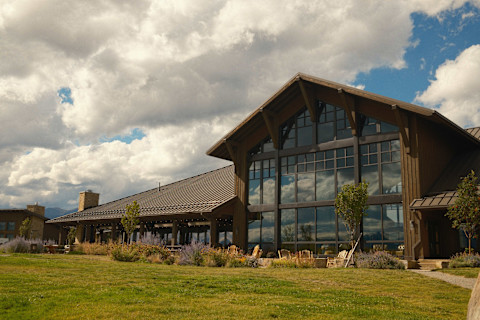
Established to capture the raw aesthetic of the American West without compromising contemporary comforts, Sage Lodge occupies a strategic geographical niche. The property spans a carefully managed footprint designed to preserve the tranquility of its natural surroundings. Accommodations are intentionally limited to 50 options: 34 well-appointed rooms housed within the main lodge and four standalone four-bedroom Ranch Houses. This low-density design ensures that even during periods of peak occupancy, guests experience a sense of profound seclusion.
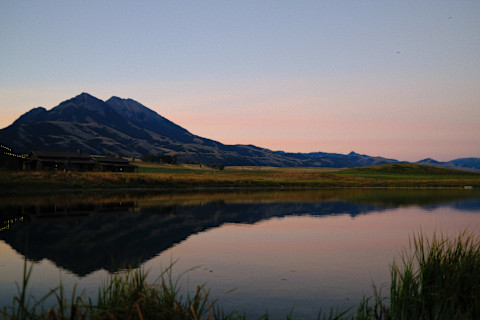
The resort’s development reflects a broader travel industry shift toward experiential tourism, where high-net-worth travelers increasingly prioritize mental restoration, digital detox, and ecological connectivity over passive leisure. According to hospitality analysts, post-pandemic travel demands have accelerated the growth of nature-based wellness retreats, with consumers seeking destinations that facilitate physical movement and genuine cognitive decompression. Sage Lodge capitalizes on this macro trend by integrating its physical architecture seamlessly into the dramatic backdrop of Emigrant Peak and the surrounding Yellowstone ecosystem.
Chronology of Offerings and Recent Expansions

Since its inception, Sage Lodge has continually expanded its infrastructure to meet evolving guest expectations regarding holistic health. The property’s operational timeline highlights a deliberate progression from outdoor adventure outfitter to comprehensive wellness sanctuary:
- Phase One (Inception): Establishment of the main lodge, riverside access, and foundational outdoor recreation programs, including guided fly fishing, hiking, and wildlife excursions.
- Phase Two (Culinary Integration): Launch of dual dining concepts—The Grill steakhouse and the casual Fireside Room—anchored by partnerships with regional Montana farmers and ranchers, spearheaded by Executive Chef Marc Felder, whose background includes distinguished service with Four Seasons and Ritz-Carlton properties.
- Phase Three (Current Expansion): Development and finalization of a major spa and wellness center expansion, slated for official opening in the fall. This multi-million-dollar project introduces an expanded fitness facility equipped with advanced cardio and strength-training apparatuses, a dedicated movement studio for modalities such as yoga and breathwork, steam and sauna facilities, an outdoor hot tub, and a cold plunge pool.
Comprehensive Outdoor Programming and Physical Engagement
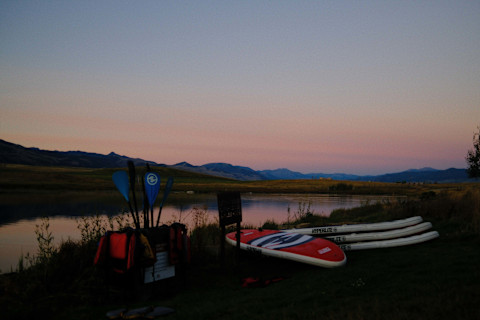
Unlike traditional resort properties centered around sedentary pastimes such as poolside lounging, Sage Lodge is engineered for active participation. Depending on the seasonal climate, the resort offers an extensive portfolio of guided and independent outdoor activities. Winter and shoulder seasons introduce cross-country skiing, snowshoeing, and ice fishing, while spring, summer, and autumn facilitate fly fishing, whitewater rafting, horseback riding, mountain biking, paddleboarding, and hiking.

Beyond standard wilderness pursuits, the lodge provides curated cultural and artisanal workshops, including archery, axe throwing, leather crafting, woodworking, stargazing tours, and gold panning. This diversity of programming encourages guests to engage in movement that feels organic rather than metric-driven. Behavioral health experts note that unstructured physical activity embedded within natural environments significantly lowers cortisol levels and enhances cognitive recovery compared to indoor, goal-oriented exercise routines. By framing movement as an exploratory tool rather than a fitness obligation, the lodge aligns with contemporary kinesiology research emphasizing the mental health benefits of outdoor play across the lifespan.
Culinary Philosophy and Regional Sourcing
Nutrition forms a foundational pillar of the guest experience at Sage Lodge. Recognizing the intrinsic link between dietary quality and physiological well-being, the culinary program emphasizes locally sourced, seasonal ingredients. The property’s two primary dining venues—The Fireside Room and The Grill—partner closely with regional agricultural producers to secure sustainable beef, game, and produce native to the Northern Rockies.
Chef Marc Felder’s menu design reflects a commitment to functional gastronomy, avoiding ultra-processed ingredients in favor of wholesome, nutrient-dense meals that support sustained physical endurance during outdoor excursions. Furthermore, the lodge bridges the gap between consumption and education by offering interactive cooking and pastry classes led by its culinary team. This hands-on approach fosters communal engagement among guests, reinforcing the psychological benefits of shared dining experiences—a habit frequently highlighted by longevity researchers studying Blue Zones and traditional Mediterranean dietary cultures.
Statements and Industry Implications
Hospitality executives and tourism economists view properties like Sage Lodge as indicators of a broader market correction within the luxury travel sector. While urban luxury hotels often rely on standardized amenities and tech-heavy integrations, rural sanctuaries are finding commercial success by championing digital minimalism and environmental integration.
"Guests arrive looking to disconnect from the constant demands of digital connectivity," notes general management. "The infrastructure is intentionally designed so that guests spend their hours engaging with the landscape rather than managing devices."
Market analysts indicate that properties offering integrated wellness—where physical architecture, local cuisine, outdoor recreation, and spa recovery function as a cohesive ecosystem—command higher repeat-guest rates and longer average lengths of stay. The addition of the new movement studio and hydrotherapy facilities positions Sage Lodge to capture a growing demographic of wellness-focused travelers who demand both high-adrenaline outdoor adventure and deep physiological recovery.
Broader Impact on Tourism and Well-Being
The economic and social footprint of Sage Lodge extends beyond individual guest satisfaction. By prioritizing partnerships with local Montana farmers, guides, and artisans, the property contributes directly to the regional economy of Park County while maintaining strict environmental stewardship along the Yellowstone River corridor.
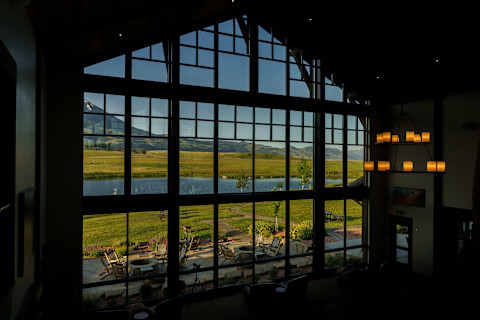
From a public health perspective, destinations that facilitate immersion in natural settings offer measurable cognitive benefits. Environmental psychology research consistently demonstrates that exposure to natural landscapes—frequently referred to as "green and blue space"—reduces mental fatigue, improves attentional capacity, and supports emotional regulation. By removing urban stressors and replacing them with vast topographical horizons, riverfront access, and unhurried daily schedules, Sage Lodge provides a replicable model for how the hospitality industry can support long-term mental health and stress resilience.
Conclusion and Future Outlook
As Sage Lodge prepares to unveil its expanded spa and wellness facilities, the property remains anchored by its core principle: that true luxury lies in simplicity, connection, and uncompromised access to the natural world. For travelers navigating the complexities of modern professional and personal obligations, the lodge offers a functional antidote—an environment where physical movement, nutritional integrity, and quiet isolation converge to restore baseline well-being.