 Indra Kusuma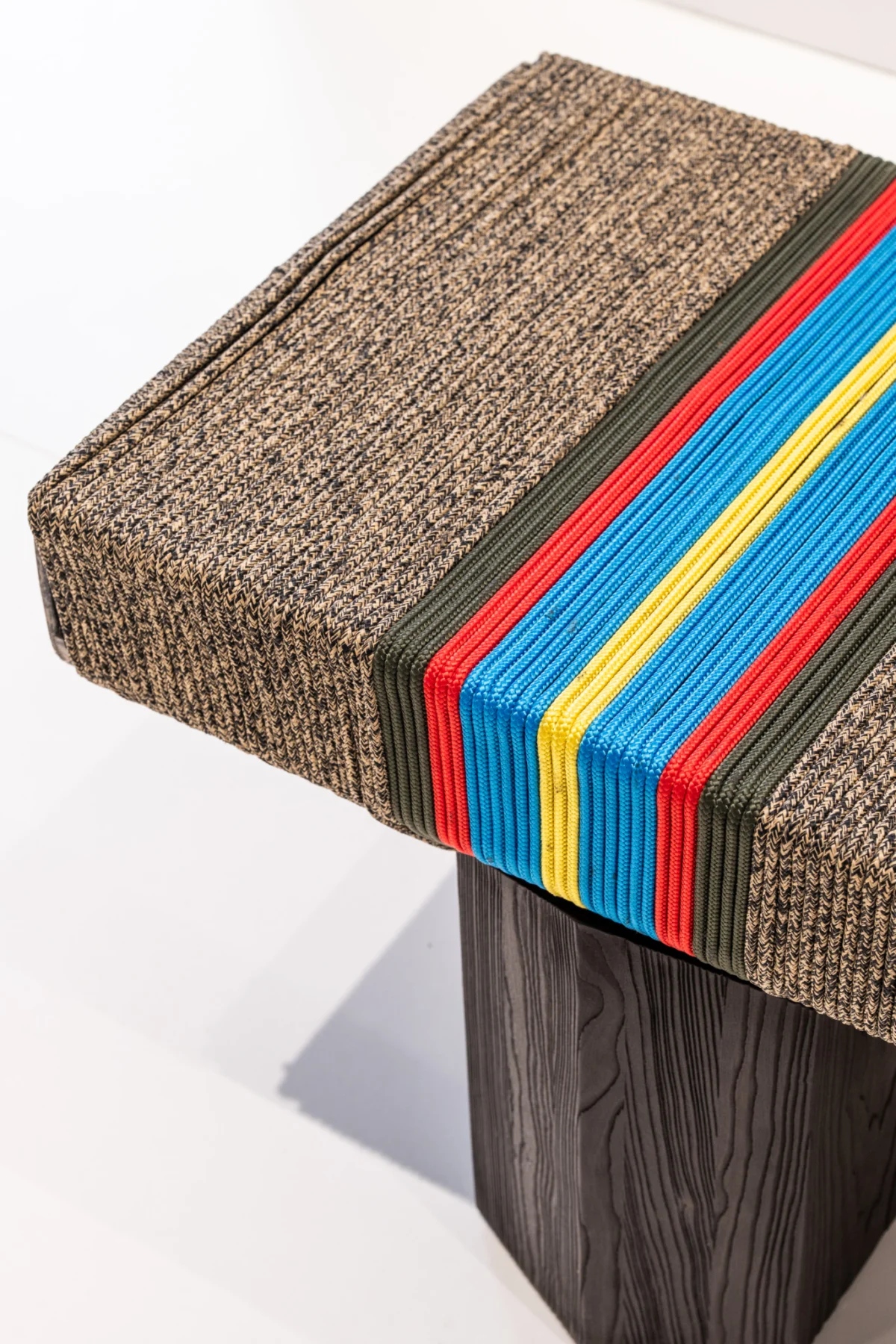
The global design community converged on the outskirts of Paris this September for the latest iteration of Maison&Objet, the premier biannual trade show that serves as a bellwether for international trends in interior architecture and product design. Amid the sprawling, high-octane atmosphere of the fair, a singular initiative provided a vital point of clarity: the Rising Talent Awards. For the 2026 edition, the spotlight was directed firmly toward South Africa, with seven designers and studios selected to showcase a sophisticated synthesis of craft, cultural heritage, and contemporary industrial practice.
This curated exhibition was the result of a strategic partnership between Maison&Objet and Decorex Africa, designed to bridge the gap between emerging designers from the Global South and the established European market. The selection represented a cross-section of South Africa’s creative hubs—Johannesburg, Cape Town, Durban, and Port Elizabeth—offering international buyers, architects, and journalists a focused lens into a design culture that is increasingly defined by architectural rigor, environmental activism, and a profound respect for historical narrative.
The Evolution of the Rising Talent Awards
Since its inception, the Rising Talent program has acted as a professional launchpad for designers under the age of 40 or those in the early stages of their careers. The program’s history is one of geographic discovery, having previously spotlighted talent from regions such as Lebanon, Italy, and China. The inclusion of South Africa in 2026 reflects a broader shift in the design industry’s focus toward the African continent, which is increasingly viewed as a reservoir of untapped innovation.

According to data released by the event organizers, the South African design sector has seen a steady increase in international exports, with furniture and decor exports growing by approximately 12% annually over the past three years. This surge is attributed to a growing global appetite for "slow design"—pieces that prioritize human labor, traditional techniques, and sustainable material sourcing over mass-production.
Meetlo Studio and the Preservation of Custom
Johannesburg-based Meetlo Studio, led by Oageng Manana and Tshegofatso Ramothibe, exemplifies the trend of modernizing indigenous practices. The studio’s name, derived from a word meaning "customs and traditions," serves as a mission statement for their work. Their presentation at the fair, highlighted by the "Abadimu" (for the ancestors) server, demonstrated a delicate balance between ancestral reverence and functional, contemporary utility.

"We aim to translate our story exactly as we envision it," Manana noted during the exhibition. By managing all production, including complex wood carving, in-house, Meetlo Studio maintains absolute control over the narrative of their pieces. This vertical integration is a growing trend among South African designers who seek to safeguard the authenticity of their work against the dilution that can sometimes occur in mass-market manufacturing.
Studio Lloyd and the Industrialization of Craft
Ashleigh Lloyd of Cape Town-based Studio Lloyd provided a compelling counter-narrative to traditional furniture making by repurposing techniques typically associated with the domestic sphere. Lloyd, who has built a reputation creating high-impact installations for the hospitality industry, showcased a new residential-focused collection at the fair. Her use of UV-protected synthetic rope, woven via crochet techniques into sculptural, architectural forms, challenges the perception of "women’s work."

The implications of Lloyd’s work are significant for the commercial sector. By applying crochet—a process known for its meditative rhythm and flexibility—to the rigid requirements of industrial lighting and outdoor furniture, she creates a tactile, human-centric aesthetic that is gaining traction in modern biophilic design projects.
Narrative-Driven Design: The Case of Simphiwe Mlambo
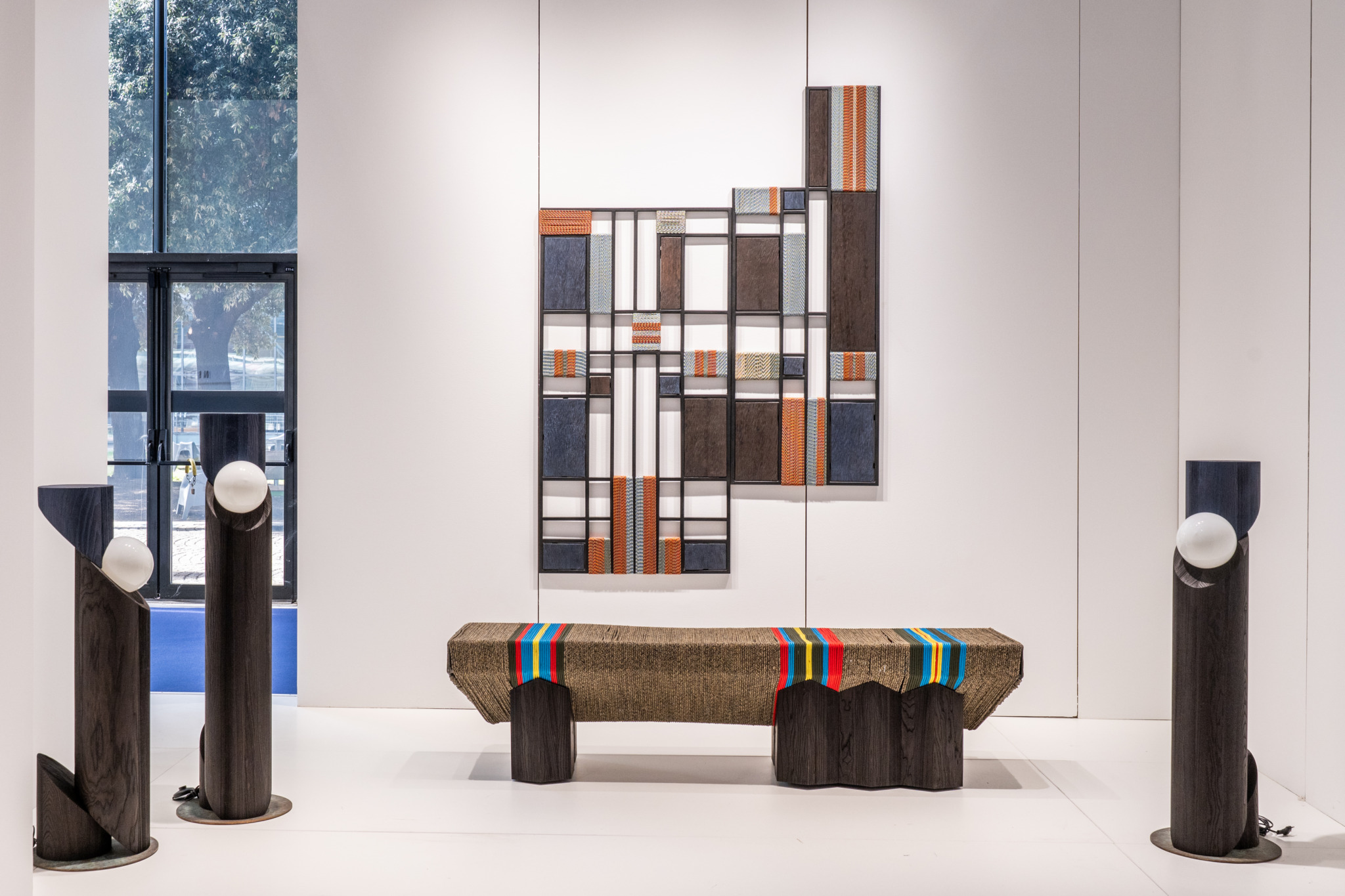
Simphiwe Mlambo’s contribution to the exhibition offered a poignant study in personal history. A graduate of the Durban University of Technology, Mlambo has spent years refining an approach that balances his background in the construction industry with the domestic legacy of his grandmother. His collection, which features benches and wall panels inspired by traditional grass mats, acts as a bridge between the historical loom and modern interior needs.

"The objective is to take personal experiences and traditional techniques and translate them into a modern context," Mlambo stated. The success of his presentation suggests that there is a burgeoning market for "narrative furniture"—objects that are not merely functional but serve as vessels for cultural memory and personal identity.
Materiality and Process: NISH and DEFT Studios
The 2026 cohort displayed a notable preoccupation with material agency. Tanisha Neill of NISH and the duo Martin Tallie and Zani Alberts of DEFT Studios both spoke at length about allowing materials to dictate the design process.

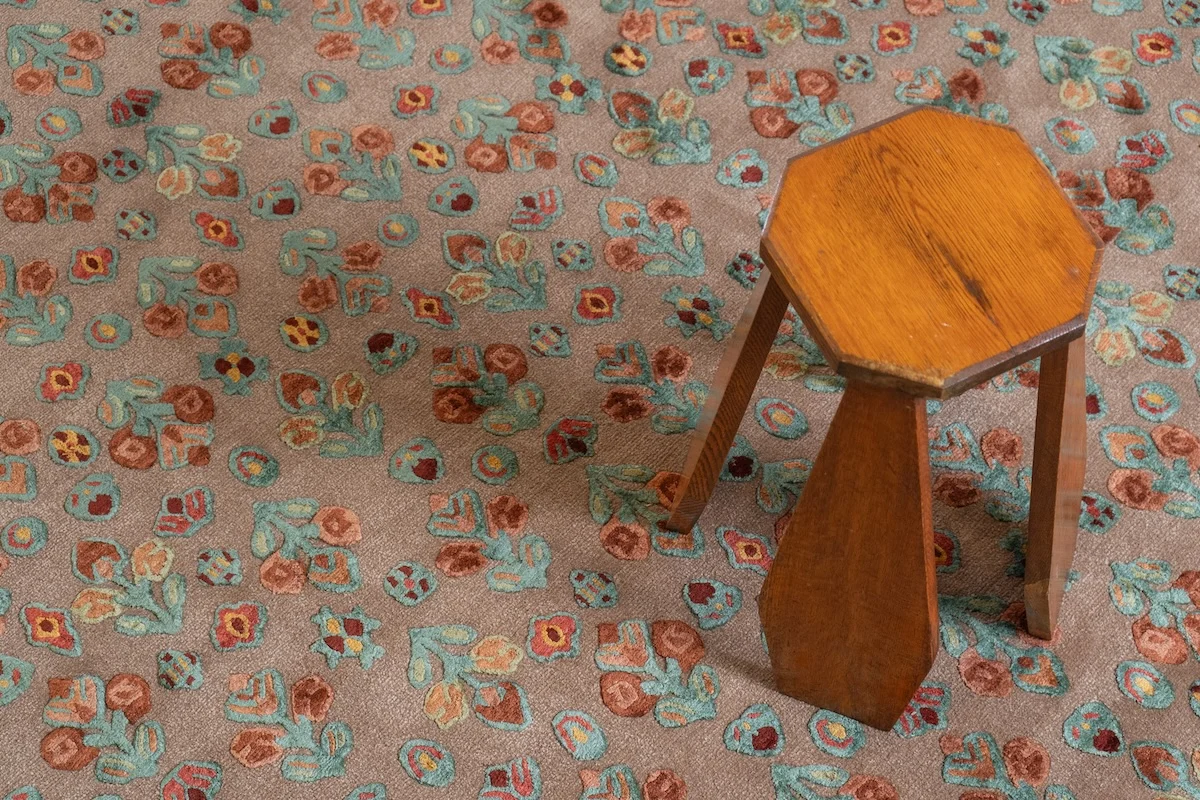
Neill, whose background as a dancer informs her sense of rhythm in space, collaborated with a collage artist to create a hand-tufted rug. The piece, which uses varying pile heights to emulate the depth of paper layering, was not a pre-planned design but an outcome of material experimentation. Similarly, DEFT Studios, founded by former architects, has embraced a self-taught, hands-on approach to woodworking. Their "étagère brune et claire" served as a centerpiece, demonstrating a commitment to pure geometry and long-lasting craftsmanship. Their shift from architecture to furniture design during the COVID-19 pandemic highlights a broader trend of professionals moving toward tangible, artisan-led production.
Neuro-Aesthetics: Karlien van Rooyen
Perhaps the most distinct aesthetic came from Karlien van Rooyen, whose work sits at the intersection of neuroscience and marine biology. Inspired by the organic structures of neurons and the delicate forms of coral observed while free-diving, her ceramic and wooden sculptures occupy a space between the biological and the brutalist. The sheer labor involved in her process—fusing chunks of African teak and carving away mass to reveal monument-like forms—speaks to the intense dedication required to produce high-end sculptural design in South Africa today.

The Role of Cultural Representation
The jury for the 2026 awards included prominent industry figures such as Alan Hayward and Garreth Van Niekerk of Decorex Africa, as well as renowned designers Thabisa Mjo and Donald Nxumalo. The involvement of these individuals was crucial in selecting designers who represent a synthesis of heritage and modernity.
The collaboration between Maison&Objet and Decorex Africa serves as a formal recognition of the professionalization of the South African design sector. By providing a platform at a world-class venue, the organizers have effectively signaled that South African design is no longer a peripheral interest but a central component of the global discourse on innovation and sustainability.

Broader Economic and Creative Implications
The selection of these seven designers serves as a barometer for the current state of South African creative output. Several factors underscore the growing international interest in this region:
- Supply Chain Autonomy: By controlling production in-house, these studios avoid the volatility of global supply chains and ensure ethical labor practices, a major selling point for European and American luxury buyers.
- Cultural Capital: As Western markets experience "aesthetic fatigue" from minimalist, mass-produced items, the infusion of Zulu, Ndebele, and Nguni patterns and histories provides a necessary differentiation for luxury interiors.
- Sustainable Innovation: The use of locally sourced materials, such as African teak and sustainable rope, aligns with global ESG (Environmental, Social, and Governance) targets that are increasingly influencing procurement decisions in major architectural firms.
Conclusion: A New Chapter for South African Design
As the 2026 Maison&Objet fair concluded, the consensus among observers was that the South African Rising Talent cohort represented a significant maturation of the region’s design language. The designers selected are not merely "local" creators; they are global innovators who are utilizing their specific cultural and geographic contexts to solve universal problems of space, light, and comfort.

The long-term impact of this exposure remains to be seen, but the immediate result is a heightened level of awareness among international buyers. For designers like Siyanda Mbele of Pinda Interior Design, the recognition is a validation of the "repetition and rhythm" inherent in his work. By elevating these voices on the world stage, Maison&Objet has confirmed that the future of design is increasingly decentralized, with the most compelling stories now emerging from the intersections of tradition and the future-forward thinking of the African continent. The 2026 Rising Talent Awards will likely be remembered as the moment the global design establishment finally acknowledged the depth, technical capability, and narrative power of South Africa’s creative vanguard.