 Indra Kusuma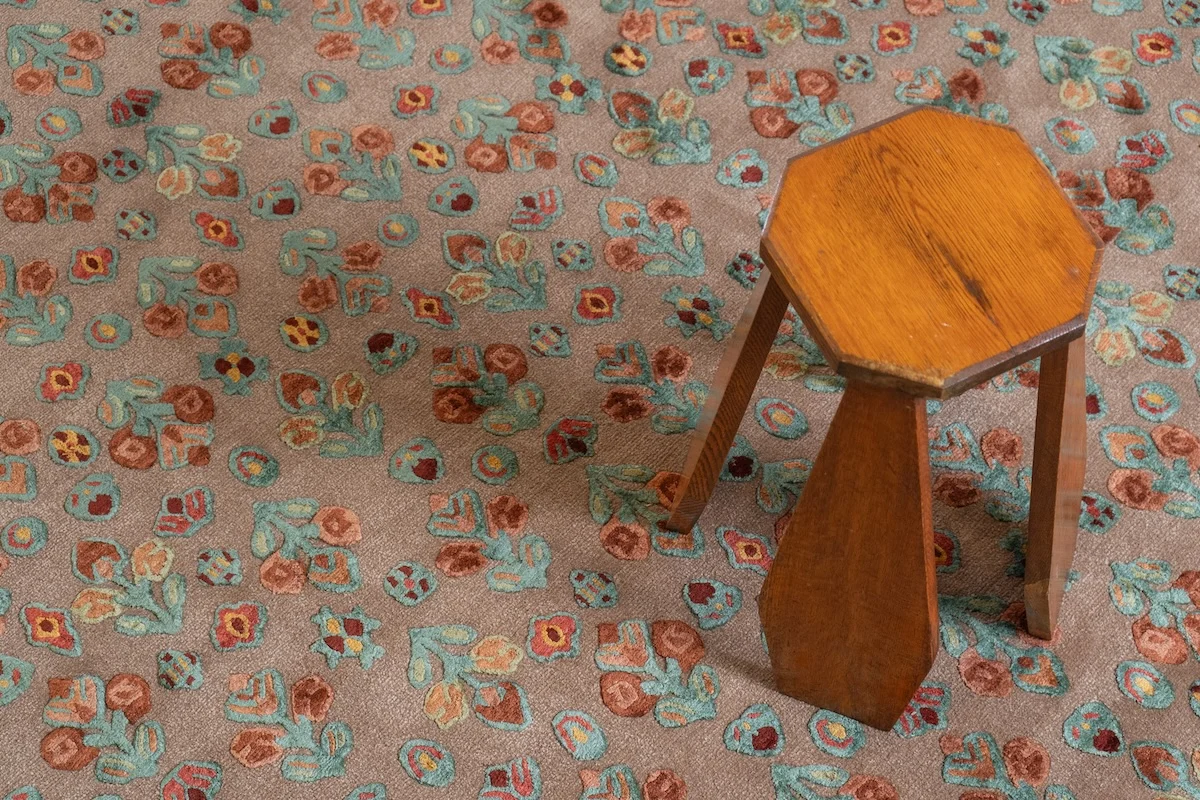
The landscape of contemporary interior design has been enriched by the launch of Patty Studios, a Portland-based design collective that has officially unveiled its debut collection of luxury rugs. Comprising six distinct designs, the collection synthesizes architectural rigor with the organic fluidity of the South of France. The brand, a collaborative venture between interior designers Candace Cohu and Ally Hasche of Pat Austin Studio and graphic designer Max Pluenneke, positions itself at the intersection of artisanal tradition and modern environmental consciousness.
The Genesis of a Design Partnership
The foundation of Patty Studios represents a multi-disciplinary confluence of expertise. Candace Cohu and Ally Hasche, both established figures in the Portland interior design community through their firm, Pat Austin Studio, sought to expand their creative output beyond spatial planning. Their objective was to develop high-end, bespoke textiles that could function as foundational elements within their own interior projects while serving a broader market.
The recruitment of Max Pluenneke was a strategic integration of generational craft knowledge and contemporary graphic sensibility. Pluenneke’s background is rooted in the rug industry; his formative years were spent navigating his family’s rug gallery, where he acquired a granular understanding of textile maintenance, fiber integrity, and historical weaving techniques. This hands-on experience, coupled with his formal education in graphic design, provided the necessary technical foundation for the studio’s ambitious design language. The trio’s collaboration began as a desire to fill a perceived void in the market for furnishings that balanced "considered" aesthetics with longevity.

Architectural and Natural Inspirations
The inaugural collection draws heavily from the Mediterranean aesthetic, specifically the rugged landscapes and distinct vernacular architecture of the Côte d’Azur. Each of the six designs—Elysium, Labelle, Puff, Puff Silky, Rue, and When You Were a Tulip—functions as a narrative piece, translating environmental influences into a tactile medium.
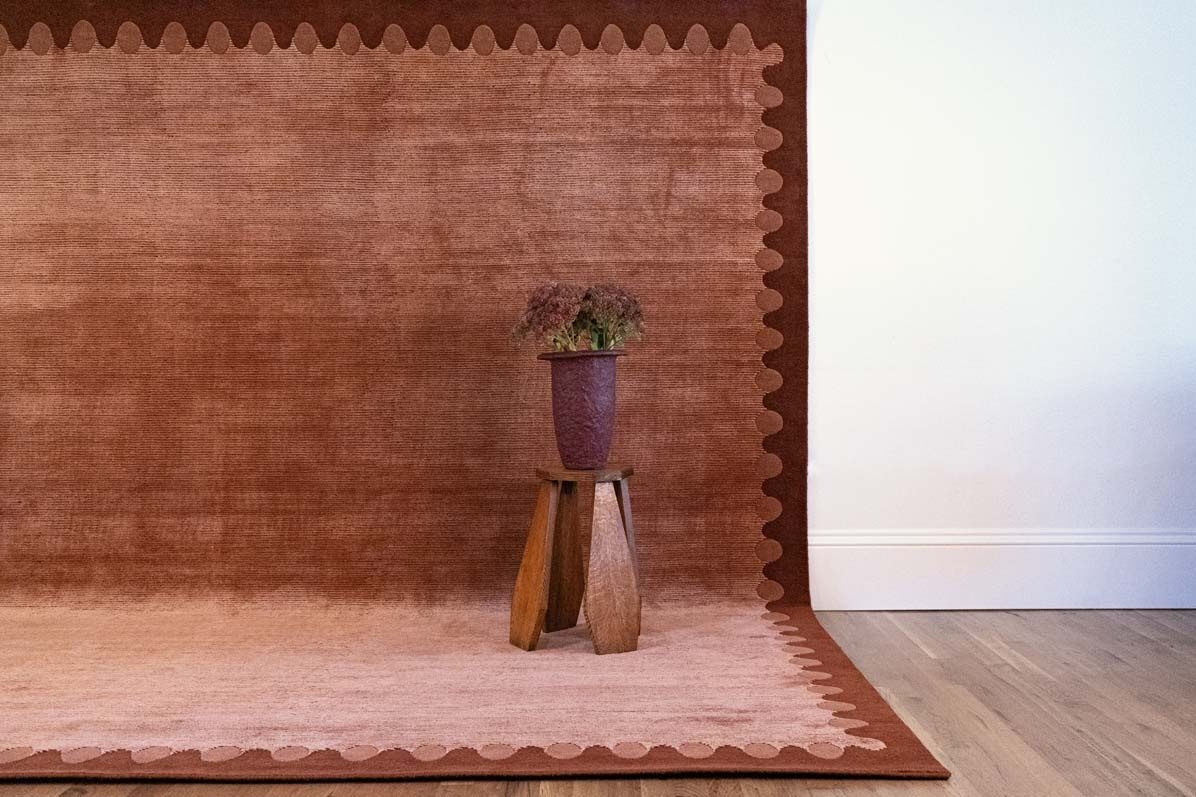
The design philosophy prioritizes a duality of restraint and playfulness. For instance, the "Puff" and "Puff Silky" models utilize low-pile grids to evoke the limestone tiling and rain-slicked cobblestones synonymous with coastal French villages. In contrast, "Labelle" offers a more sculptural engagement with geometry; its undulating border is a direct reference to the crimped, stepped rooflines of the region’s traditional architecture.

"Elysium," perhaps the most organic of the set, employs a relief-pattern technique to render floral motifs that shift in visual intensity depending on the colorway, transitioning from the soft, muted palettes of a morning meadow to the dramatic, deep-toned hues of a nighttime oasis. "Rue" adopts a structural approach, abstracting the bustling energy of village streets into a repeating geometric motif, while "When You Were a Tulip" acts as the collection’s centerpiece of whimsy, blending organic curves with strict geometric boundaries.
Materiality and Manufacturing Standards
A defining characteristic of the Patty Studios collection is its commitment to sustainable production. As consumer demand for eco-conscious luxury goods continues to rise, the studio has aligned its supply chain with high-level environmental standards. According to the founders, the rugs are manufactured in Nepal using a blend of Himalayan wool and Chinese silk, mounted on a cotton foundation.

The manufacturing process is explicitly designed to minimize ecological impact. The studio has implemented a policy that excludes the use of harsh chemical treatments, opting instead for what it terms "sustainable earth-derived yarns." This choice is not merely an aesthetic preference but a long-term strategy for waste reduction. Because the materials are natural and untreated, the rugs are biodegradable at the end of their lifecycle—a departure from many modern synthetic rugs that contribute to landfill growth.
From an economic perspective, this focus on "heirloom quality" materials is intended to justify the higher price point associated with made-to-order, hand-knotted textiles. By emphasizing durability, the studio is tapping into the "slow design" movement, which encourages consumers to invest in pieces designed to last for generations rather than cycles of fast-fashion home decor.

Industry Context and Market Implications
The launch of Patty Studios arrives at a moment of significant shift in the home decor industry. Data from industry analysts suggests that the luxury rug market is increasingly favoring brands that can articulate a clear narrative regarding provenance and ethical sourcing. The movement toward "transparent supply chains" has become a competitive differentiator for boutique studios attempting to challenge legacy manufacturers.
Furthermore, the "Portland School" of design, characterized by a mix of Pacific Northwest minimalism and European influence, has gained national traction. By leveraging their existing design firm as a launchpad, Cohu and Hasche have effectively utilized a "showroom-to-market" model, testing their designs in real-world residential projects before offering them to the public. This approach mitigates the risk of the "disconnect" often found between artistic concepts and functional reality in interior design.

Technical Specifications and Procurement
The logistics of the collection are structured around a made-to-order model, a common practice for high-end textile brands that wish to avoid the overhead of mass inventory. Each rug is bespoke, with pricing calculated on a per-square-foot basis to accommodate the varying sizes and spatial needs of different residential or commercial environments.
- Fiber Composition: Himalayan wool and Chinese silk; cotton foundation.
- Production Site: Nepal.
- Design Variations: Six core designs, each available in multiple colorways.
- Availability: Direct-to-consumer via the Patty Studios web portal, with custom consultations often facilitated through the founders’ design firm.
Future Outlook and Strategic Direction
The success of Patty Studios will be measured by its ability to scale its artisanal production model without compromising the quality that defines its launch. The studio’s entry into the market signals a broader trend: the rise of the "design-led manufacturer," where the distinction between the architect, the interior designer, and the product creator becomes increasingly blurred.

Industry observers note that the collaboration between specialized interior designers and textile experts is a potent combination for brand viability. By controlling the design process from the architectural concept to the final fiber weave, the founders have ensured a cohesive aesthetic that is easily marketable to interior design firms across the country.
As Patty Studios looks toward future collections, the challenge will remain in maintaining the delicate balance between the "wild garden" inspirations of their debut and the necessity of evolving their design language to remain relevant in a fast-moving industry. However, by centering their brand identity on the principles of sustainability and timeless, heirloom-quality craftsmanship, the studio has established a robust framework for long-term growth.

The current collection stands as a testament to the idea that modern luxury is no longer defined solely by exclusivity, but by the thoughtful integration of environmental responsibility, regional inspiration, and expert technical execution. As these pieces begin to appear in residential and commercial spaces, their impact on the broader design discourse—specifically regarding the potential for sustainable textiles to act as art—will be a subject of significant interest for designers and consumers alike.