 Cintya Tara Annisa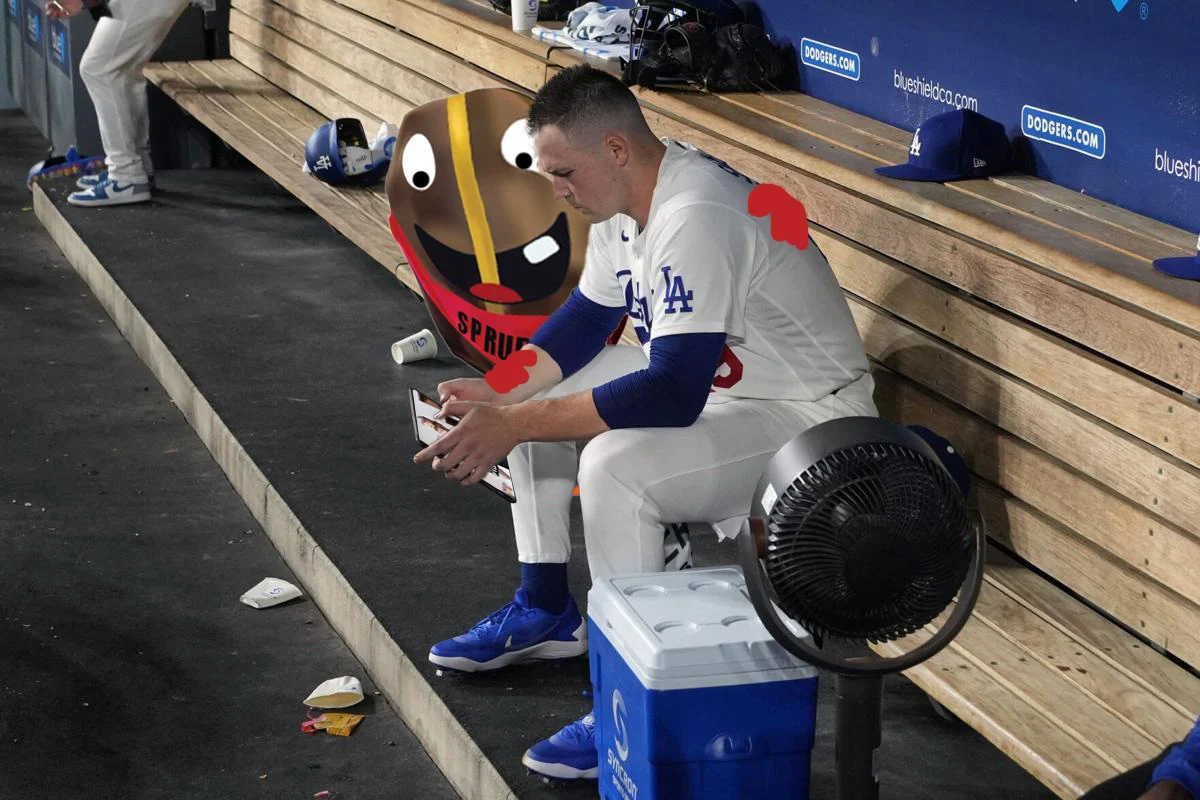
As the Major League Baseball regular season draws to a close, the Los Angeles Dodgers find themselves in a familiar position: under the intense scrutiny that accompanies a team with championship expectations and a massive payroll. However, the most peculiar narrative surrounding the club this autumn does not concern high-priced free agents or rotation adjustments. Instead, it involves a piece of specialized kitchen equipment that followed ace pitcher Tarik Skubal from the Detroit Tigers to his new home in Southern California. The saga of the "absconded" espresso machine has sparked a peculiar investigation into the intersection of professional athlete luxury, clubhouse culture, and the high-end specialty coffee market.
The Origin of the Clubhouse Barista Station
The story began earlier this year in the Detroit Tigers clubhouse, where Skubal, then a cornerstone of the Tigers’ pitching staff, teamed up with teammate Casey Mize to upgrade their daily caffeine routine. Professional clubhouses are often characterized by a standard array of amenities, typically including basic drip coffee machines, sports drinks, and energy supplements. For players with refined palates or those seeking specific pre-game rituals, individual equipment is sometimes introduced to the communal space.
According to statements provided to the media, Skubal and Mize decided to invest in a higher-quality brewing solution to bypass the standard clubhouse fare. The acquisition was intended to be a private convenience, yet it quickly became a staple of their training regimen. The situation remained unremarkable until the MLB trade deadline, when Skubal was dealt to the Los Angeles Dodgers. In a move that caught many observers off guard, the pitcher did not leave the equipment behind as a parting gift to the Tigers organization. He opted to transport the machine to his new clubhouse in Los Angeles, citing the input of his wife, who reportedly argued that the device was too significant an investment to simply abandon.
The $200 Casa Brews vs. The $10,000 Myth
The investigation into the identity of the machine initially gained momentum through social media sleuthing. TikTok users analyzing footage of Skubal and Mize from earlier in the season identified a machine in the background of clubhouse videos that appeared to be a Casa Brews Ultra. This model, which retails for approximately $200, is a capable entry-level home espresso machine, but it lacks the heavy-duty specifications typically associated with industrial or "prosumer" equipment.
When news of the "theft" began to circulate, the disparity between Skubal’s $32 million annual salary and a $200 kitchen appliance became a focal point of ridicule. The math, as skeptics noted, appeared inconsistent with the high-stakes world of elite sports contracts. However, the narrative shifted significantly when Casey Mize publicly defended his former teammate.
In comments reported by Yahoo Sports, Mize clarified that the machine identified by internet sleuths was not the actual device in question. "This machine is like $10,000," Mize stated, emphasizing that the device was highly customized and calibrated to Skubal’s specific preferences. "He had just got it the way he wanted. So he was like, ‘Yeah, sorry, I’m gonna take it with me.’ Which I totally understand."
This revelation effectively reframes the incident. A $10,000 espresso machine is not a casual kitchen purchase; it is a serious piece of equipment. In the world of specialty coffee, this price point places the machine in the realm of high-end prosumer gear or light-commercial equipment, potentially including brands like Slayer, Victoria Arduino, or a heavily modified La Marzocco.
Technical Specifications and the World of Prosumer Coffee
To understand why a professional athlete would go to such lengths to transport a coffee machine, one must look at the technical requirements of high-level brewing. A $10,000 machine typically features dual-boiler systems, precision PID temperature control, and advanced pressure profiling. These features allow a user to manipulate the flavor profile of espresso with a degree of consistency that is impossible to achieve with standard appliances.
For an athlete like Skubal, who operates at a level where minor adjustments in mechanics can have massive impacts on performance, the ability to maintain a consistent routine is paramount. If a pitcher has spent time "dialing in" a specific bean variety—adjusting grind size, dosage, and water pressure—a move to a new city presents a logistical hurdle to that routine.
If the machine is indeed a high-end unit, it is likely one of the following:
- The Victoria Arduino E1 Prima: A machine often found in boutique cafes, known for its compact footprint and advanced digital control.
- A Single-Group Slayer: Renowned for its needle-valve technology, which allows for extremely precise flow control, effectively changing how coffee is extracted.
- Custom-modified La Marzocco GS/3: A staple in high-end home setups, frequently customized with wood accents and specialized pumps to reach the $10,000 price point.
The Organizational and Cultural Context
The act of taking a piece of equipment from a clubhouse, even if purchased personally, is a nuanced issue. MLB clubhouses operate under strict rules regarding property and team culture. While the machine was clearly private property, the decision to remove it reflects a modern shift in how athletes view their workspace.
Historically, players were expected to rely on the infrastructure provided by the team. However, the rise of "player-empowerment" and the trend of athletes treating their bodies as high-performance, high-cost assets has led to an increase in personalized clubhouse environments. From specialized recovery equipment to custom nutrition stations, players are increasingly curating their own surroundings.
The Tigers organization has not issued a formal grievance, suggesting that the team likely views the situation as a personal matter between players. However, the incident serves as a case study in the logistics of the modern MLB trade. When a star player is traded, they are not just moving their cleats and gloves; they are moving an entire ecosystem of equipment that supports their daily professional life.
Broader Implications of the "Espresso Saga"
Beyond the humor of the situation, the controversy highlights the increasing commodification of specialty coffee in professional sports. As players become more educated about nutrition and the quality of their daily intake, specialty coffee has become a legitimate component of the athlete’s wellness routine.
The discrepancy in the reported value of the machine also speaks to the nature of digital misinformation. The speed with which a $200 machine was erroneously identified as the "culprit" demonstrates the limitations of internet-based fact-checking. Without a direct statement or an image of the actual machine, the public narrative was steered by a visual assumption that did not align with the reality of the equipment’s value or utility.
As the Dodgers continue their postseason push, Skubal’s performance remains the primary focus. However, the espresso machine will likely remain a topic of interest for coffee enthusiasts and baseball fans alike. Until Skubal or Mize chooses to provide definitive documentation—perhaps a photograph of the machine in its new Southern California location—the mystery will persist.
The incident invites a broader discussion on the standards of clubhouse life. As professional sports continue to evolve, teams may find it necessary to provide higher-tier amenities to keep pace with the expectations of players who are accustomed to luxury and precision in all facets of their lives. For now, the "Skubal Espresso Machine" remains a symbol of the peculiar, high-stakes, and occasionally caffeine-fueled world of Major League Baseball, serving as a reminder that even the most elite athletes are subject to the same comforts and routines as the rest of the working world—just on a much larger, more expensive scale.
Whether the machine is a $10,000 piece of Italian engineering or a more modest setup, its value to the pitcher is clearly significant. In the high-pressure environment of a playoff run, the ability to control one’s environment—down to the exact extraction of a morning double shot—is a luxury that top-tier talent is clearly unwilling to sacrifice, regardless of the relocation costs or the public scrutiny that follows.