 Ali Ikhwan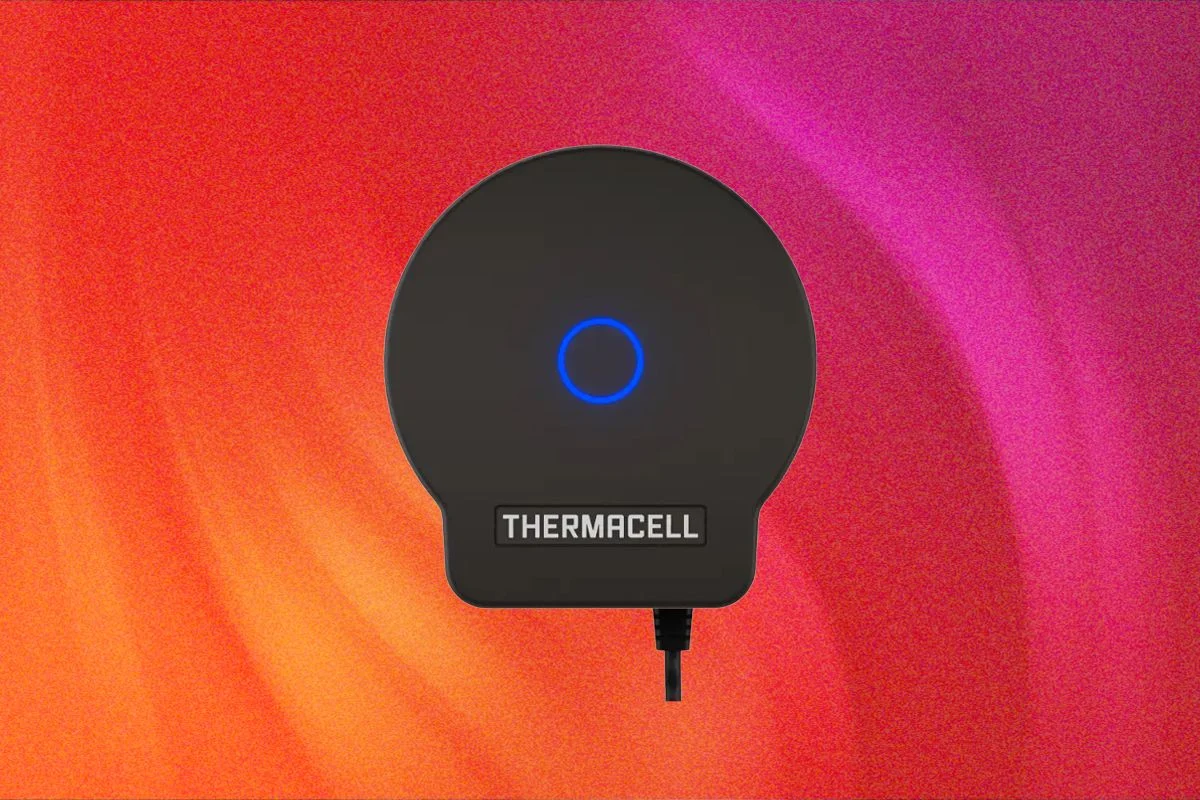
Four years ago, the return of a Texas resident from California highlighted a persistent and intensifying public health and quality-of-life issue: the escalating prevalence and aggressive behavior of local mosquito populations. Upon re-establishing residence in the Lone Star State after a 25-year absence, the individual observed that the indigenous mosquito population had seemingly adapted, appearing larger and more persistent than historical records suggested. This anecdotal experience mirrors a broader trend observed by entomologists across the Southern United States, where warming climate patterns and urbanization have contributed to longer breeding seasons and increased mosquito density.
The immediate response to this environmental challenge involved traditional chemical abatement methods. Specifically, the homeowner engaged a local professional service to perform periodic, high-intensity pesticide applications. This process involved the use of backpack-mounted industrial foggers to treat residential foliage. While effective in the immediate aftermath of application, these treatments proved to be transient and costly. Data regarding such residential applications indicate that the efficacy of broad-spectrum pyrethrin or permethrin sprays typically degrades within 48 to 72 hours due to ultraviolet light exposure, irrigation, and wind, necessitating recurring four-figure annual expenditures for minimal, short-term relief.
The Technological Pivot: From Eradication to Repellency
Recognizing the limitations of reactive, high-volume chemical spraying, the search for a sustainable, non-lethal, and localized solution led to the adoption of the Thermacell LIV Smart Mosquito Repellent System. Unlike traditional aerosol foggers that aim to eliminate insects through contact, the LIV system operates on a principle of area-based repellency.
The technology utilizes metofluthrin, a pyrethroid insecticide that acts primarily as a repellent. When heated, the chemical creates a vapor barrier that interferes with the sensory receptors of mosquitoes, effectively deterring them from entering a designated zone. In 2022, the original LIV system was installed to protect a residential swimming pool area, demonstrating that controlled, perimeter-based vapor dispersion could offer a viable alternative to indiscriminate chemical spraying.
Evolution of the LIV 2.0 System
Two years following the initial deployment, the manufacturer has released the LIV 2.0, an iterative upgrade to the original hardware. While the core operational logic—a daisy-chained network of repellers connected to a central Wi-Fi hub—remains consistent, the new iteration incorporates refined engineering to address maintenance, aesthetics, and reliability.
The system architecture remains modular. Users install a primary control hub, which communicates via a 2.4 GHz or 5 GHz Wi-Fi network to the companion mobile application. This hub regulates the power delivery to a series of peripheral repeller units. The units are linked by proprietary low-voltage cabling, allowing them to be spaced up to 20 feet apart. This flexibility allows homeowners to customize the perimeter based on the specific topography of their property.
In the most recent field test of the 2.0 hardware, the configuration included two hubs and six repellers. The addition of a sixth unit served to address identified "dead zones" where previous coverage was insufficient to prevent mosquito ingress. By extending the perimeter, the system demonstrates the importance of spatial planning in achieving comprehensive protection.
Analytical Data and Field Performance
The transition from the original LIV to the 2.0 version involves several mechanical enhancements. While the internal cabling remains identical to the original version—ensuring backwards compatibility for users upgrading their existing infrastructure—the repeller housings have been redesigned for better heat distribution and weather resistance.
Metofluthrin, the active ingredient housed within the replaceable vials, remains the industry standard for this type of system. According to the Environmental Protection Agency (EPA), metofluthrin is approved for use in residential environments when applied according to label instructions. The system’s efficacy is contingent upon the vapor density maintained within the perimeter. Unlike "kill" sprays that are designed to lower the total mosquito population in a neighborhood, the LIV system is designed for "zone defense."

Independent observations suggest that the system’s performance is optimal in low-wind conditions. When wind speeds exceed 5 to 7 miles per hour, the vapor barrier can be compromised, reducing the system’s effectiveness. Consequently, the software integration within the LIV 2.0 app allows users to adjust runtime schedules based on local weather forecasts, an essential feature for maximizing the lifespan of the chemical vials.
Public Health and Environmental Implications
The move toward smart-repellent technology represents a shift in how suburban households manage the risks associated with mosquito-borne illnesses, such as West Nile Virus, Zika, and Dengue. Public health officials have long cautioned that relying solely on residential pesticide spraying can lead to the development of insecticide resistance among mosquito populations.
By focusing on repellency rather than lethality, the Thermacell LIV system minimizes the impact on non-target species, such as pollinators. Standard industrial fogging often kills beneficial insects, including honeybees and butterflies, leading to ecological imbalances. The targeted, localized vapor approach of the LIV system significantly reduces the volume of chemicals introduced into the environment, aligning with modern integrated pest management (IPM) strategies.
Furthermore, the automation offered by the 2.0 system enables precise usage. By scheduling the system to operate only during peak activity hours—typically dusk and dawn—users reduce unnecessary exposure and extend the duration of each chemical vial, effectively lowering the long-term cost of ownership compared to the high-frequency professional spraying services utilized at the outset of the four-year timeline.
Economic and Practical Considerations
For the average consumer, the initial capital expenditure for a system like the LIV 2.0 remains higher than traditional manual traps or candles. However, when analyzed against the recurring costs of professional landscaping and chemical application services, the return on investment (ROI) becomes clearer over a 24-month period.
The requirement for Wi-Fi connectivity serves as both an advantage and a potential limitation. The reliance on cloud-based controls allows for remote operation, but it necessitates a stable outdoor wireless signal. For large properties or those with significant masonry or metallic obstacles, installing a mesh Wi-Fi network or outdoor signal extenders may be a prerequisite for the system to function at its peak.
Future Outlook and Industry Trajectory
The mosquito abatement industry is currently seeing a significant influx of "smart" devices. As climate change continues to expand the geographic range of vector-borne disease, the demand for residential solutions will likely grow. The iterative updates seen in the LIV 2.0 suggest that manufacturers are prioritizing durability and user experience, moving away from the "disposable" nature of smaller, battery-operated personal repellers.
The successful implementation of this technology relies on the user’s ability to map their property effectively. As seen in the recent addition of a sixth repeller to the pool perimeter, the system’s effectiveness is highly sensitive to the geometry of the installation. Future advancements in this field may involve the integration of environmental sensors that automatically adjust the vapor flow based on real-time wind, temperature, and humidity data, further refining the balance between chemical conservation and pest suppression.
In conclusion, the progression from the initial, invasive chemical treatments to the current, smart-perimeter configuration reflects a broader transition in household technology: moving from heavy-handed, brute-force solutions to precise, data-driven management. While the LIV 2.0 does not represent a paradigm shift from the original, its refinements in hardware and software demonstrate a commitment to long-term viability in the face of an enduring environmental challenge. As homeowners continue to navigate the complexities of managing outdoor spaces, the integration of such systems will likely remain a critical component of residential property maintenance in regions where mosquito populations remain a consistent threat.