 Reynand Holland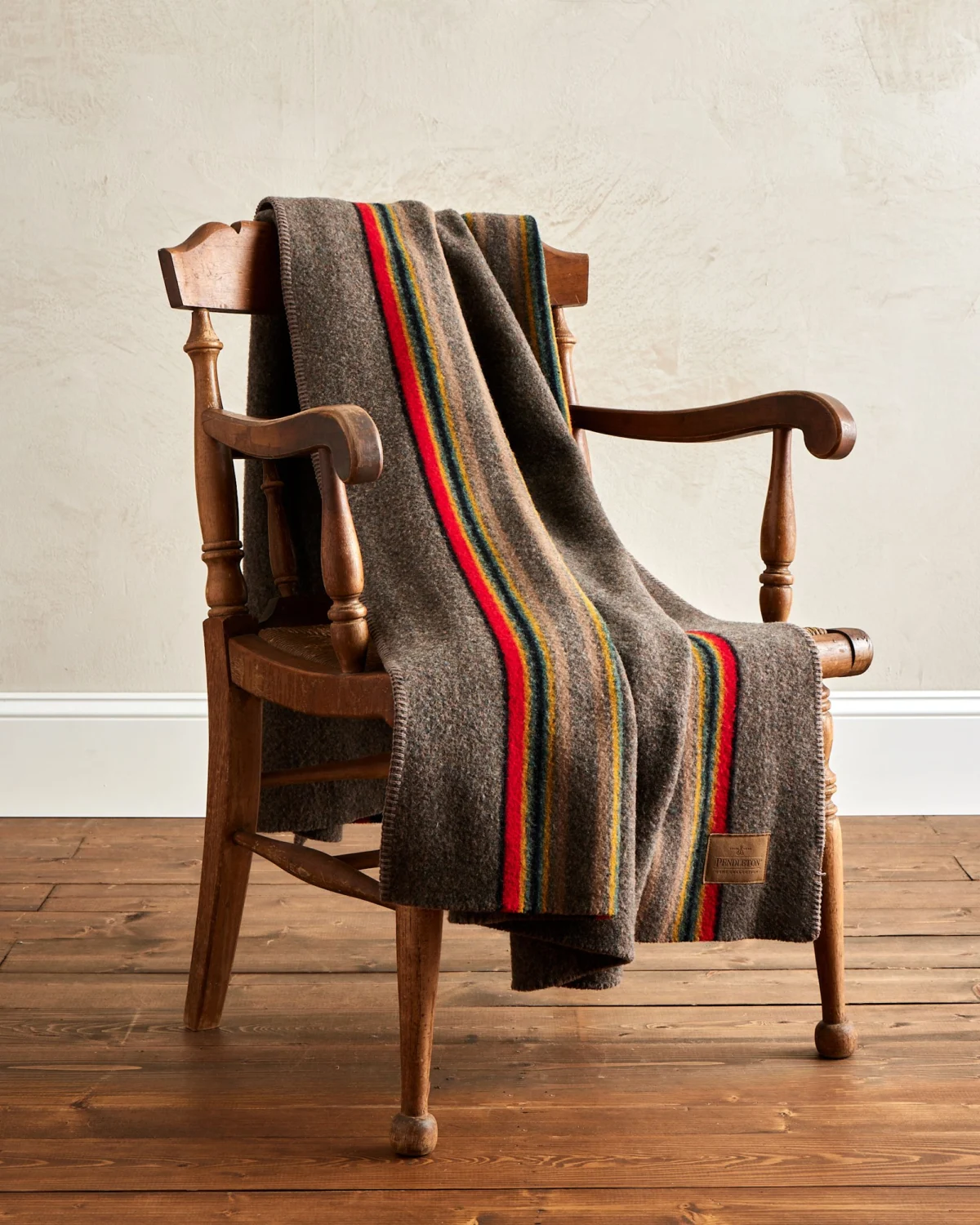
As winter descends, bringing sub-zero temperatures, howling winds, and extended periods spent indoors, the demand for high-quality domestic textiles increases exponentially. From heavy wool quilts to lightweight organic cotton throws, blankets serve as an essential seasonal refuge. However, behind the comfort of a standard winter blanket lies a complex global supply chain often reliant on synthetic inputs, hazardous chemical dyes, and non-transparent labor practices. In response to shifting consumer awareness, a growing segment of the home goods market is redefining winter comfort through rigorous sustainability standards, non-toxic materials, and ethical manufacturing supply chains.
The Environmental and Health Impacts of Conventional Blankets
The traditional home textile market has long depended on synthetic fibers such as polyester, acrylic, and nylon, largely due to their low production costs and durability. However, these petroleum-based materials carry significant environmental and human health costs. According to lifecycle assessments in the textile industry, synthetic blankets are frequently treated and dyed with immuno-sensitizing azo-benzene disperse dyes. These chemical agents are known to trigger allergic contact dermatitis and skin sensitizations when textiles come into direct, prolonged contact with human skin. Furthermore, physical degradation of synthetic blankets over time releases microscopic plastic microfibers into household dust, contributing to indoor air pollution that can be inhaled by occupants, presenting cumulative health risks to families and children.
Beyond synthetic textiles, conventional cotton farming—which supplies a substantial portion of global bedding—is notoriously resource-intensive. Traditional cotton cultivation utilizes approximately 16% of the world’s insecticides and 4% of its pesticides, despite occupying only about 2.5% of global agricultural land. These agricultural chemicals degrade soil microbiology, contaminate local water tables, and pose occupational hazards to agricultural workers.
In contrast, the market shift toward organic and regenerative fibers—such as certified organic cotton, traceable merino wool, alpaca, linen, hemp, and sustainably sourced Tencel—mitigates these risks. Consumers are increasingly demanding third-party certifications, such as Oeko-Tex Standard 100, bluesign, and Global Organic Textile Standard (GOTS), to verify that finished blankets are entirely free from harmful chemical residues and heavy metals.
The Evolution of Ethical Supply Chains in Home Textiles
The movement toward sustainable home goods is not limited to raw material sourcing; it encompasses a broader reckoning with labor practices and manufacturing transparency. Historically, the textile and apparel sector has been plagued by opaque supply chains, characterized by subcontracting, low wages, and precarious working conditions in developing nations.
In recent years, however, market pressures and stricter regulatory frameworks—particularly in the European Union and North America—have compelled brands to map their supply chains comprehensively. The rise of Certified B Corporations and Fair Trade-certified enterprises has established a new benchmark for corporate accountability. Brands are increasingly partnering directly with artisan cooperatives in regions such as South America, South Asia, and Southern Europe, ensuring living wages, safe working environments, and the preservation of traditional weaving techniques.
This structural evolution has transformed the blanket from a basic commodity into an investment piece. By prioritizing durability, timeless aesthetic design, and biodegradable natural fibers, sustainable brands are countering the throwaway culture of fast fashion and fast home decor. Natural fibers like wool possess inherent anti-odor and self-cleaning properties, drastically reducing the frequency of washing required and thereby extending the functional lifespan of the product while conserving water and energy.
Curated Directory of Sustainable and Non-Toxic Blanket Brands
To assist consumers in navigating the complex landscape of eco-friendly home textiles, industry analysts and ethical lifestyle curators have evaluated market offerings based on material safety, supply chain transparency, durability, and fair labor practices. The following curated selection highlights leading brands meeting these rigorous criteria.
Pendleton
Established in 1909, Pendleton is a historic fixture in American textile manufacturing. The company operates two of the very few remaining woolen mills in the United States, managing the entire production cycle from raw wool scouring and dyeing to spinning, weaving, and hand-finishing. Pendleton maintains long-standing partnerships with domestic sheep ranchers and indigenous artists who design its iconic geometric patterns. Its wool and cotton blankets are certified under Oeko-Tex standards, ensuring a closed-loop commitment to quality and safety.
Price Range: $60–$529. Availability: United States.
Minna
Headquartered in Upstate New York, Minna is a certified B Corp and queer-led enterprise recognized for its minimalist, abstract textile designs. The brand produces small-batch blankets utilizing alpaca wool, Oeko-Tex-certified cotton, and merino wool. Minna collaborates directly with artisan cooperatives across Central and South America, explicitly identifying the makers of each product on its public platform to ensure complete supply chain transparency.
Price Range: $165–$398. Availability: Global shipping available to most countries.
April Notes
Specializing in earth-friendly home linens, April Notes utilizes linen, cotton, and merino wool to craft breathable, hypoallergenic blankets free from synthetic dyes and toxic chemicals. Operating on an on-demand manufacturing model to eliminate overproduction and textile waste, the brand partners with a boutique atelier in Lithuania, guaranteeing fair wages and safe working environments for its skilled artisans.
Price Range: $149–$180. Availability: United States, Canada, United Kingdom, Australia, New Zealand, Mexico, Norway, Switzerland, Gibraltar, and EU member states.
Avocado
Based in Los Angeles and structured as a certified B Corp, Avocado is widely recognized for its sustainable bedding and mattress lines. Its throw blanket collection features Oeko-Tex-certified organic cotton, alpaca wool, cashmere, merino wool, and recycled cotton. Notably, the brand utilizes un-dyed, naturally occurring colored alpaca wool for select models, while employing azo-free dyes for others. Avocado sources its wool primarily from Northern India through regularly audited supply chains.
Price Range: $39–$349. Availability: United States.
Coyuchi
Coyuchi focuses on high-end home goods designed for minimal environmental impact. Its blanket catalog features organic cotton and wool harvested in India, woven within Fair Trade-certified manufacturing facilities in Turkey, Portugal, and Germany. The brand provides extensive consumer education, including an online blanket guide designed to assist buyers in selecting appropriate thermal weights and material compositions.
Price Range: $58–$478. Availability: United States.
Savvy Rest
As a certified B Corp, Savvy Rest offers a specialized line of organic cotton blankets ranging from throw sizes to king dimensions. Emphasizing complete chemical transparency, the brand’s cotton is cultivated, processed, and woven exclusively within the United States using dye-free, unbleached natural fibers suitable for chemically sensitive consumers.
Price Range: $89–$198. Availability: United States.
Under the Canopy
Under the Canopy produces durable home textiles using Oeko-Tex-certified low-impact dyes. Sourcing raw materials internationally—including Argentinean merino wool and Turkish organic cotton—the brand manufactures its products across facilities in India, Pakistan, Turkey, and China, adhering to strict environmental and social compliance standards.
Price Range: $178–$212. Availability: United States.
Boll & Branch
Operating as a Fair Trade Certified enterprise, Boll & Branch prioritizes non-toxic industrial processing to manufacture luxury bedding. Its throws are crafted by artisan partners in India, Turkey, and Pakistan, utilizing fully traceable, Oeko-Tex-certified organic cotton and ethically sourced alpaca wool.
Price Range: $149–$699. Availability: United States and Canada.
Bearaby
While primarily known for its therapeutic weighted blankets designed to alleviate anxiety and improve sleep architecture, Bearaby also produces lightweight decorative throws. The brand utilizes Austrian Tencel, Indian organic cotton, and Oeko-Tex-certified recycled polyester to offer diverse thermal weights and tactile experiences.
Price Range: $149–$309. Availability: United States.
Cold Picnic
Cold Picnic bridges the gap between home textiles and functional art, utilizing domestically sourced Oeko-Tex-certified recycled cotton. Its blankets are designed in Brooklyn and produced in small batches by a family-owned domestic manufacturer, while its artisanal quilts are handmade in India. Consumers sensitive to synthetics should verify individual product compositions, as select items incorporate minor polyester blends.
Price Range: $130–$560. Availability: Worldwide.
Parachute
Parachute operates as a direct-to-consumer home goods brand emphasizing modern aesthetics and longevity. Its blanket collection incorporates Oeko-Tex-certified cotton, alpaca wool, and linen. Parachute partners with Fair Trade-certified manufacturing facilities in Portugal and Turkey. Buyers should review product specifications, as certain models incorporate minor polyester blends for structural elasticity.
Price Range: $99–$289. Availability: United States and Canada.
The Citizenry
The Citizenry sources warm and lightweight throws and quilts exclusively from international artisan partners. Utilizing ethically sourced, Oeko-Tex-certified alpaca wool, mohair, linen, and cotton, the brand provides granular transparency regarding the geographic origin and specific weaving cooperatives behind each item. Minor synthetic blends are present in select items and noted on product specifications.
Price Range: $189–$299. Availability: United States and Canada.
Made Trade
Made Trade functions as an ethical online curation platform that pre-screens products for supply chain transparency and environmental standards. The marketplace allows consumers to filter inventory based on specific value metrics—such as USA-made, handcrafted, or Fair Trade status—as well as preferred raw material inputs, including organic cotton, hemp, linen, and wool.
Price Range: $40–$719. Availability: United States, Australia, Canada, United Kingdom, and most European and Asian nations.
Market Implications and Future Outlook
The expansion of the sustainable home textile market reflects a broader macroeconomic trend: consumers are increasingly viewing household purchases through the lens of personal health, ecological footprint, and social equity. As regulatory bodies in major global markets tighten oversight regarding chemical use and greenwashing claims, brands failing to provide verifiable certifications for dyes, fibers, and labor conditions face mounting economic and reputational risks.
Ultimately, investing in a high-quality, sustainably produced blanket serves as both a practical defense against winter temperatures and a vote for responsible industrial practices. By favoring durable, natural, and transparently sourced textiles, consumers can reduce indoor toxic exposure while supporting a regenerative global textile economy.