

The landscape of digital marketing and social media administration has undergone a profound transformation, requiring brands, creators, and agencies to adopt sophisticated software solutions to maintain relevance. As digital footprints expand across multiple platforms, the choice of a social media management system (SMMS) dictates operational efficiency, audience engagement, and overall return on investment. Among the myriad choices available to modern digital strategists, Buffer and Loomly have emerged as two prominent contenders, each catering to vastly different organizational structures and operational demands. This comprehensive analysis evaluates both platforms across pricing architectures, scheduling capabilities, analytics depths, inbox engagement, team collaboration protocols, and technological infrastructure to provide an objective blueprint for prospective buyers.
Industry Background and Strategic Positioning
The social media management software market has expanded rapidly alongside the proliferation of digital communication channels. Organizations no longer view social networks as mere broadcasting boards; instead, they are recognized as dynamic ecosystems requiring active community management, real-time analytics, and rigorous compliance oversight. Within this competitive ecosystem, software developers must continually innovate to meet the divergent needs of solo creators, small-to-medium enterprises (SMEs), and large-scale marketing agencies.
Buffer, established as a pioneer in simplified content scheduling, has evolved into a flexible, cost-effective platform designed to serve individual creators, small businesses, and growing agencies. Its strategic philosophy centers on low-friction publishing, accessible pricing models, and open developer access via comprehensive application programming interfaces (APIs) and Model Context Protocol (MCP) integrations. Conversely, Loomly has positioned itself as a collaboration-first enterprise tool. By emphasizing structured approval workflows, centralized calendar management, and robust multi-user controls, Loomly targets small teams and regulated industries that require strict hierarchical oversight before content reaches the public domain.
Pricing Architectures and Cost-Scaling Dynamics
Financial considerations frequently dictate software adoption, making pricing transparency a critical factor in tool evaluation. Recent shifts in the market, including notable pricing restructuring by Loomly in 2025—which prompted extensive industry discussions regarding software inflation—have forced digital marketing professionals to closely examine subscription models.
Buffer employs a tiered, per-channel pricing mechanism. On its Essentials plan, pricing is calculated per channel per month, with unit costs decreasing as organizations connect a higher volume of accounts. This design ensures that solo users and small enterprises only pay for the exact infrastructure they utilize. Furthermore, Buffer maintains a robust free plan allowing three channels with refillable posting limits, alongside API access and core AI features.
In contrast, Loomly operates on a flat-rate subscription model tied strictly to predefined tiers of users and social channels. The Starter plan accommodates up to three users and 12 channels for a flat monthly fee, whereas the Beyond plan expands capacity to unlimited users and 60 channels at a substantially higher cost. For micro-enterprises and individual creators managing fewer than ten channels, Loomly’s fixed entry barrier presents a significant financial hurdle. However, for a tightly defined team of three users managing the maximum allowable channels under the Starter plan, Loomly’s flat-rate structure can occasionally undercut usage-based scaling. Nevertheless, scaling beyond three users or exceeding 12 channels triggers an immediate, steep financial jump to the Beyond tier, altering the cost-benefit analysis for growing enterprises.
Scheduling, Publishing, and Content Organization
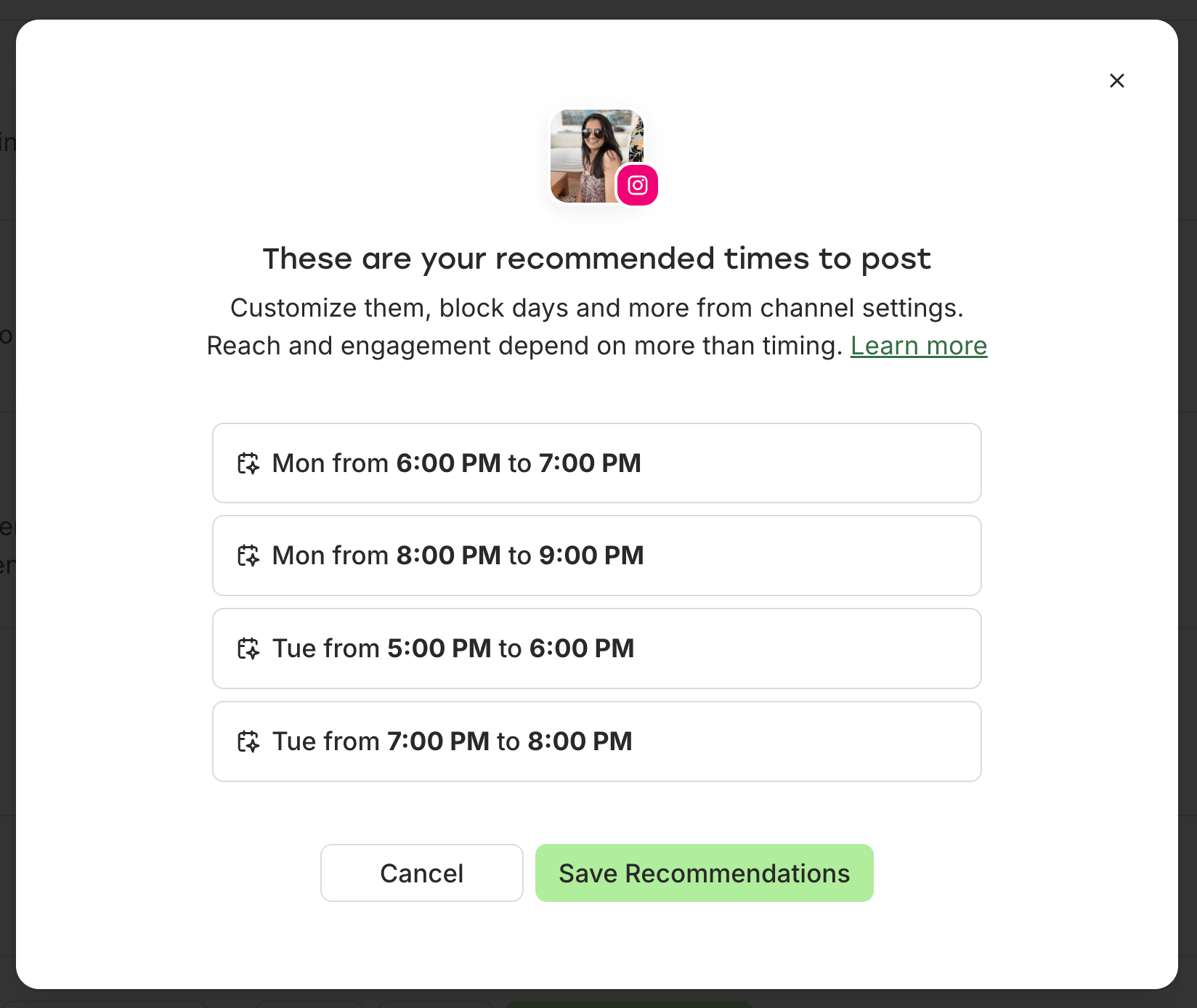
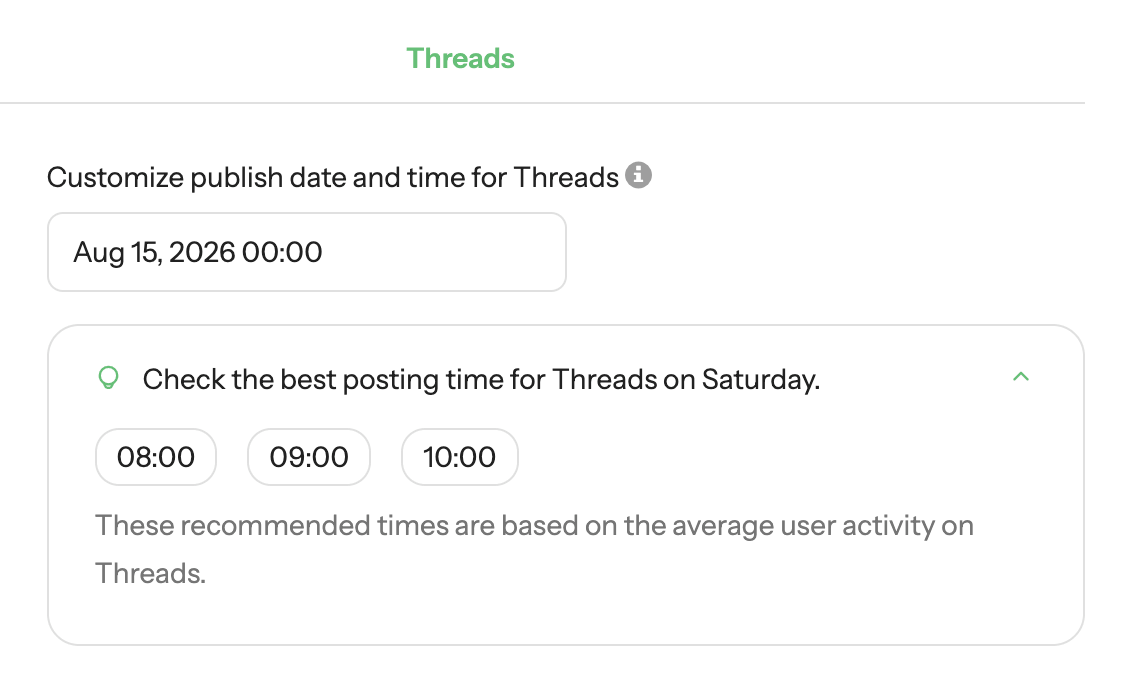
Content execution forms the operational core of any social media strategy. Buffer’s scheduling interface emphasizes speed and low-friction workflow design. Users can draft content, select multiple target channels, customize platform-specific copy within a single window, and deploy posts immediately, schedule them for precise dates and times, or queue them automatically. Buffer incorporates data-backed timing recommendations directly into the composer window, allowing administrators to leverage optimal engagement windows identified through historical network data. Additionally, Buffer’s "Create" space serves as an ideation scratchpad, enabling creators to capture fleeting concepts and convert them into scheduled posts with minimal clicks.
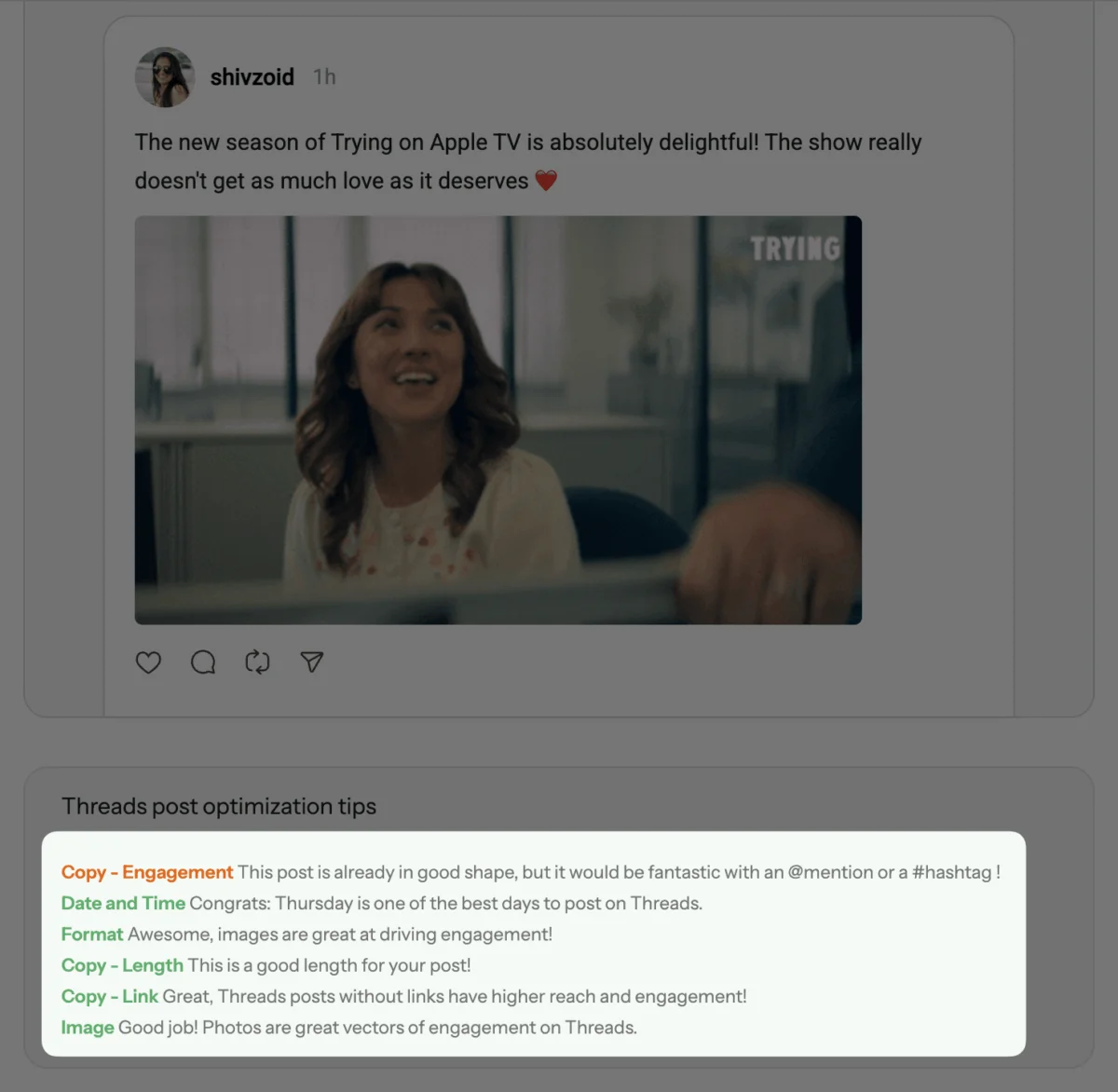
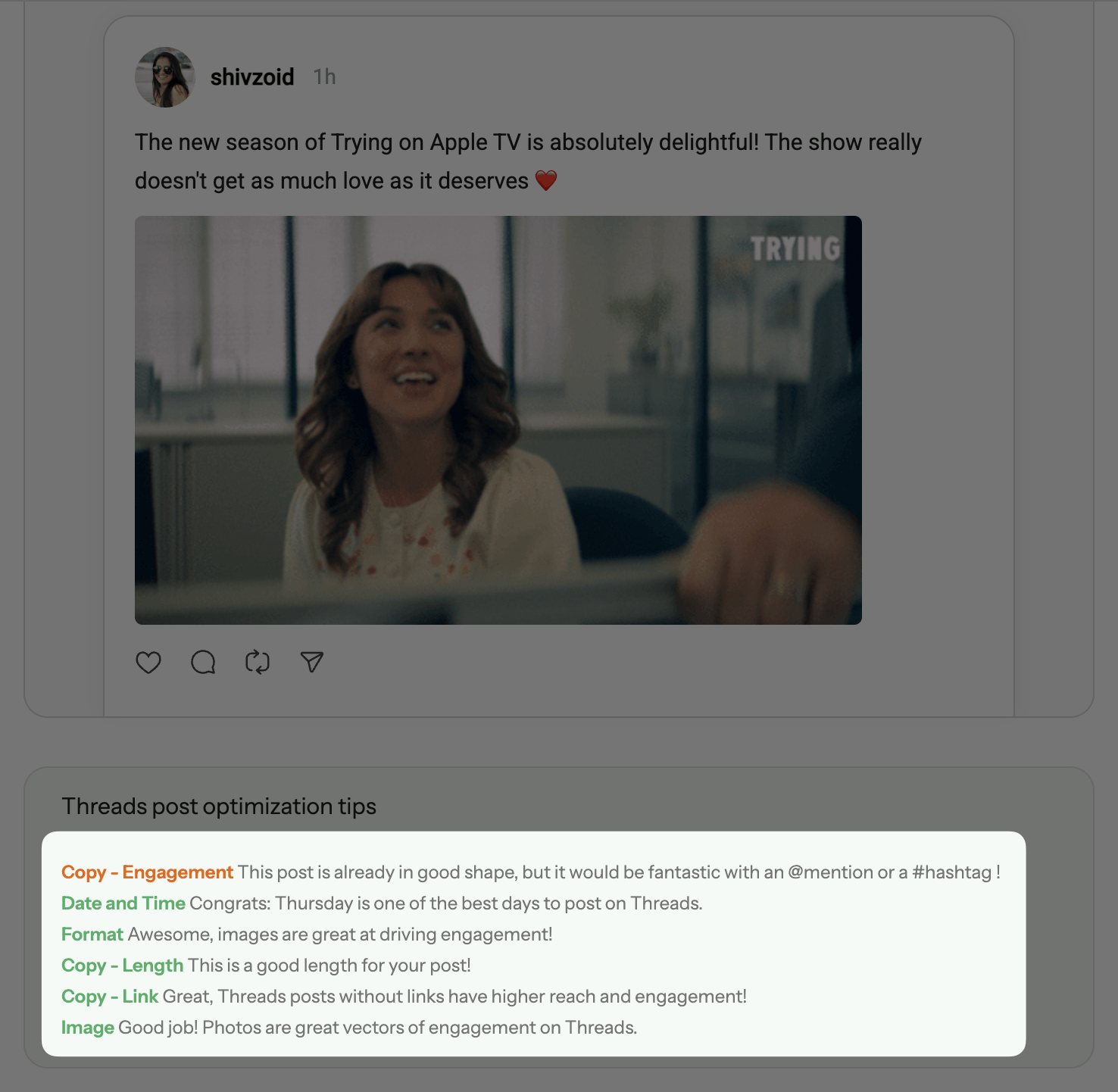
Loomly approaches content scheduling through a calendar-centric workspace model. Each calendar operates as an isolated operational silo where posting slots are established collectively for all connected channels. While this structure maintains order for distinct client accounts within an agency environment, it introduces rigidity; administrators cannot easily assign distinct, platform-optimized posting times to diverse networks residing within the same calendar without relying on platform-specific suggestions during composition. Loomly offers live post-optimization tips that dynamically evaluate draft content—such as suggesting the addition of images or altering text lengths—providing actionable guidance during the creation phase. However, a notable operational constraint of Loomly involves its synchronization limitations: natively published posts and newly connected channels do not reliably backfill into the core calendar view, potentially fracturing the completeness of a brand’s master content schedule.
Analytics Depth and Data Reliability
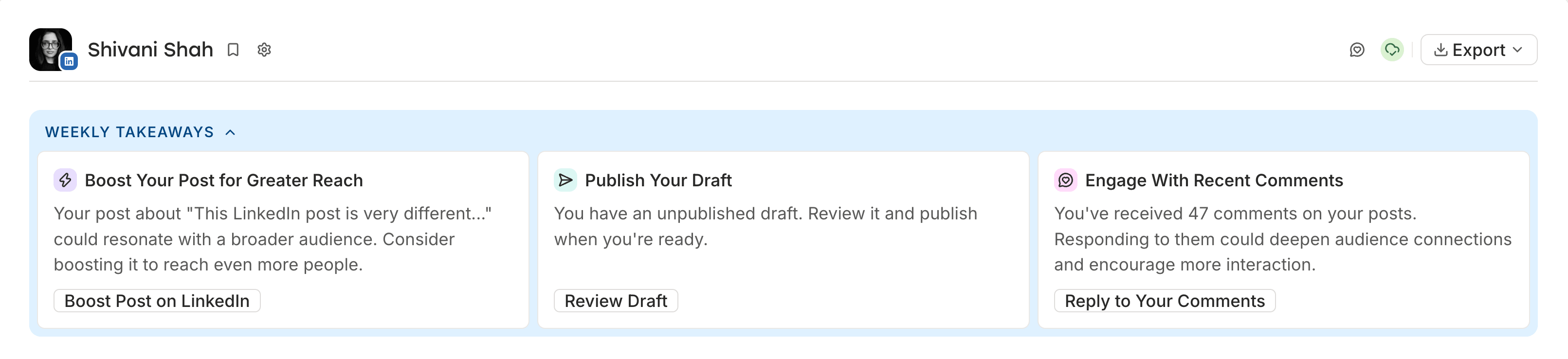
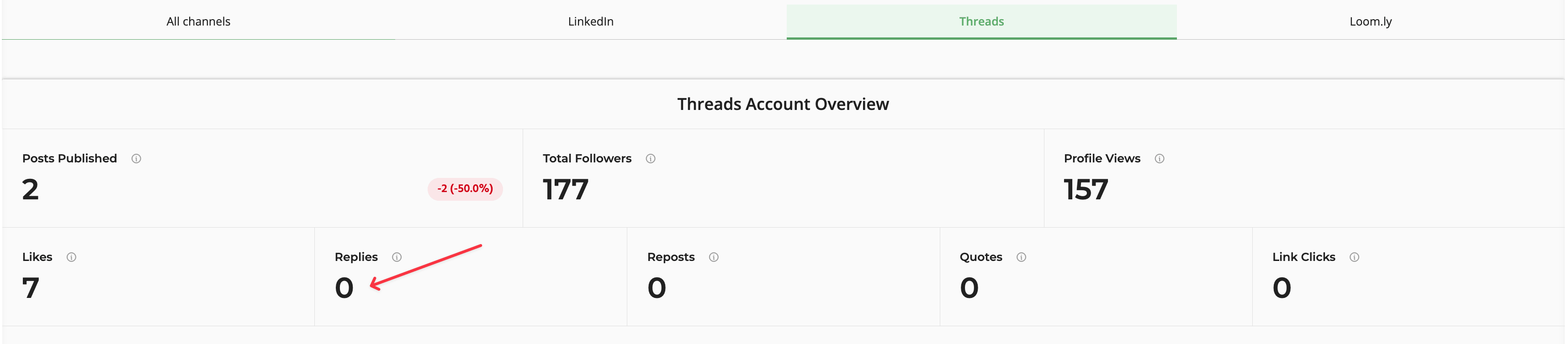
Evaluating performance metrics is essential for optimizing digital strategy. Buffer Insights provides unified data reporting across post-level performance, channel-level growth, and aggregate follower metrics within a centralized dashboard. A distinctive attribute of Buffer’s analytics suite is its AI-powered weekly takeaway generator. By analyzing actual historical performance data, the system produces actionable suggestions—such as content repurposing alerts or posting frequency adjustments—which update weekly. Furthermore, paid tiers enable users to export clean data sets in PDF, CSV, or Markdown formats for advanced, custom analysis.
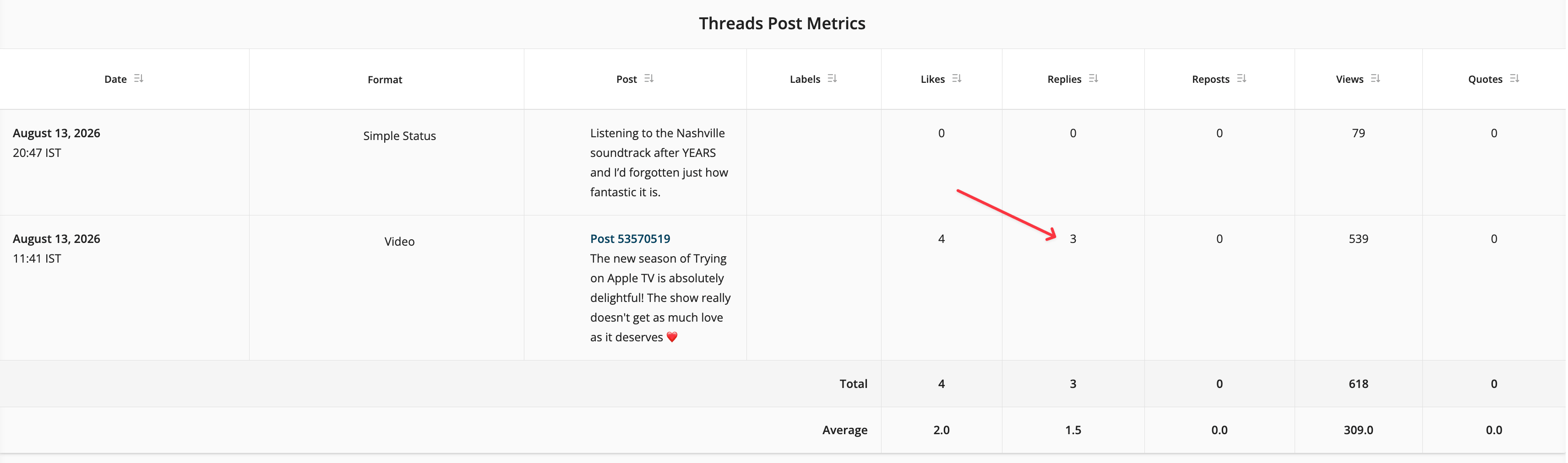
Loomly offers basic and advanced analytics across its paid subscriptions, covering metrics such as follower growth, repost distribution, and link click-through rates. However, user testing frequently highlights data retrieval latency and synchronization discrepancies. Complex analytical queries can experience substantial processing delays, and occasional dashboard contradictions—such as aggregate overview metrics failing to align with granular post-level reporting—can undermine user confidence. On its highest Beyond tier, Loomly permits automated scheduling of PDF performance reports distributed via email to designated stakeholders, facilitating recurring client reporting for agencies.
Inbox Management and Community Engagement
Maintaining active dialogues with digital audiences requires responsive engagement tools. Buffer’s Community inbox aggregates comments and mentions across nearly a dozen supported networks into a single operational feed. This eliminates the inefficiency of navigating multiple native applications. Buffer enhances response speed by providing AI-powered reply suggestions and a shared library of saved responses for frequently asked questions. Additionally, the platform computes a "Comment Score," tracking team response velocity and consistency week-over-week.
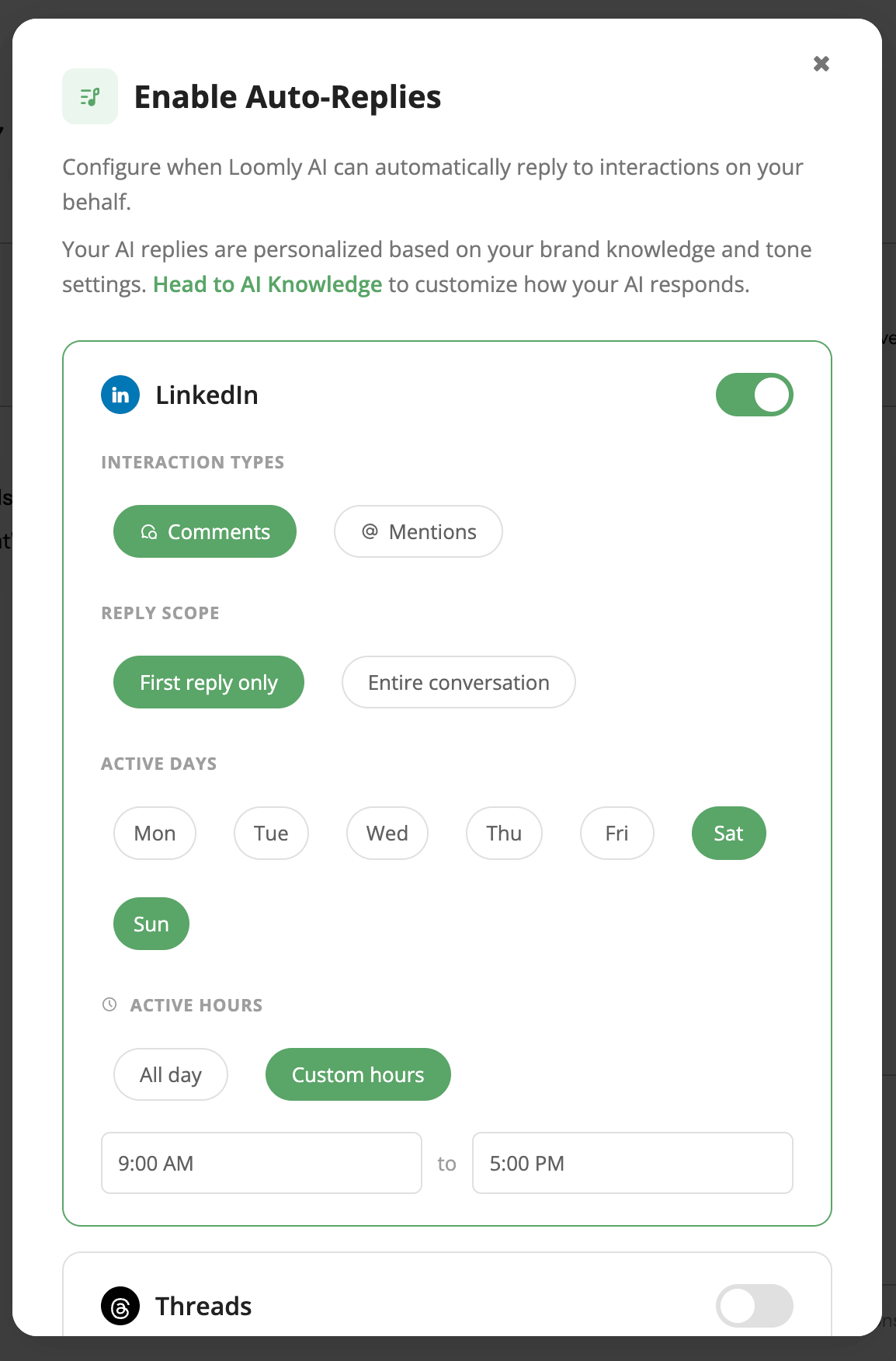
Loomly’s equivalent feature, designated as "Interactions," consolidates comments, mentions, and direct messages. Its distinguishing capability lies in advanced automation controls, including scheduled auto-replies governed by customizable rules, active hours, and designated interaction scopes. By integrating an AI Knowledge base that references external help documentation and brand voice guidelines, Loomly enables automated responses to complex customer service inquiries. Furthermore, Loomly permits conversation assignment, allowing managers to route specific inquiries to appropriate team members. While Buffer prioritizes rapid clearance and simplicity in community management, Loomly provides deeper customer-support automation tailored for service-heavy operations.
Team Collaboration and Approval Workflows
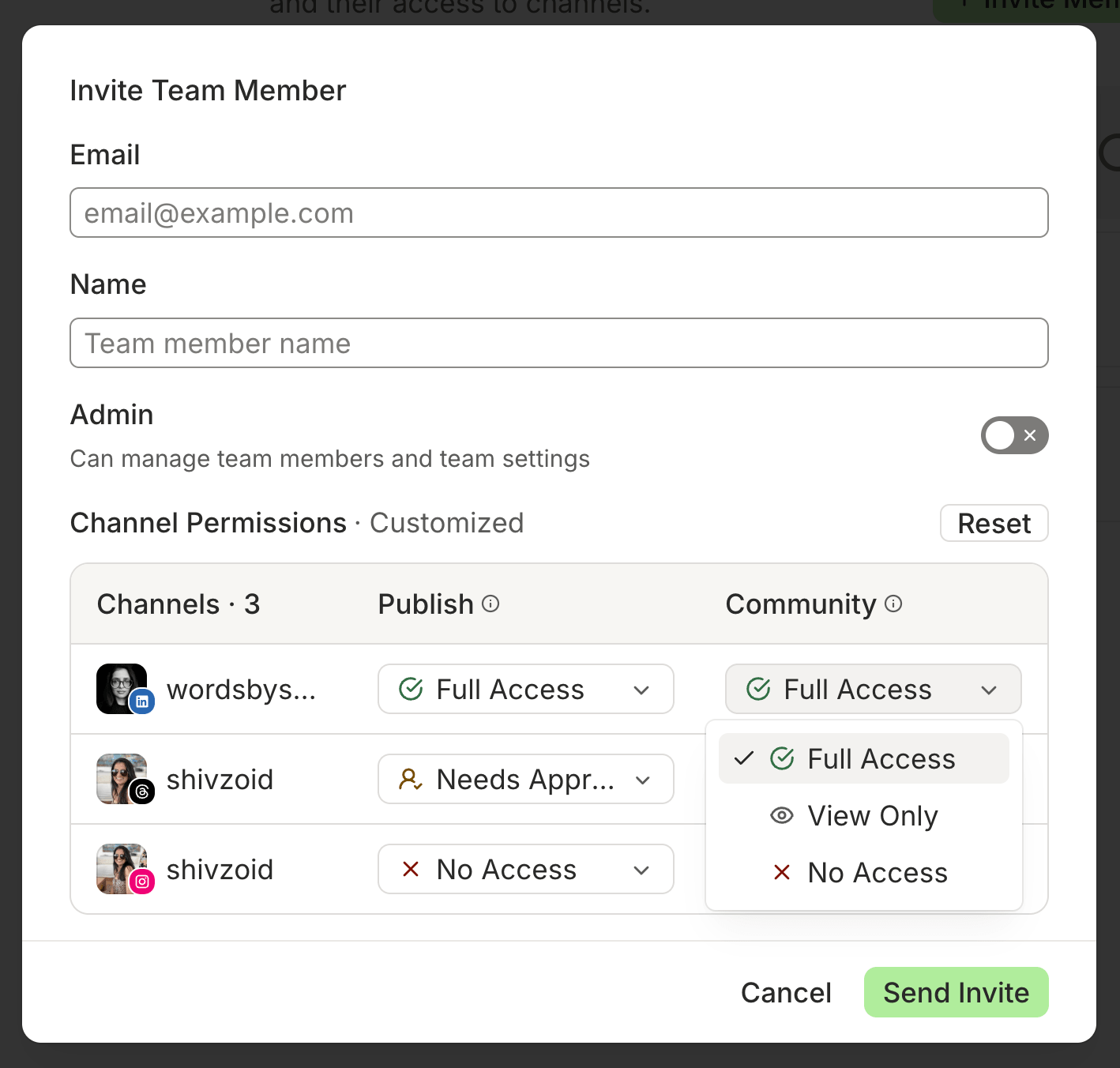
Organizational hierarchy dictates the necessity of administrative controls. Buffer’s collaboration framework, embedded within its Team plan, utilizes per-channel pricing combined with unlimited user seats. Administrators maintain granular control over permissions, assigning full access, approval requirements, view-only rights, or complete restriction on a channel-by-channel basis. This granular permission model allows agencies to grant client access without inflating licensing costs. Approval mechanisms are straightforward: drafts submitted by restricted users route to designated administrators for review, accompanied by internal commenting threads.
Loomly’s collaborative infrastructure is tailored for formalized organizational structures requiring multi-tiered review boards. The platform features automated workflow routing, assigning posts to specific individuals based on their status in the publishing pipeline. Furthermore, Loomly incorporates "state guards," which legally or procedurally mandate that multiple designated reviewers explicitly sign off on a draft before it can transition to the scheduling queue. For highly regulated industries or organizations with strict legal compliance requirements, Loomly’s rigid approval gates offer risk-mitigation capabilities that exceed Buffer’s streamlined approach.
Artificial Intelligence Integration
Artificial intelligence has transitioned from an experimental novelty to a foundational component of modern software architecture. Buffer integrates its AI Assistant across all subscription tiers, including the free plan, without artificial usage caps. Users can generate post concepts, draft copy, and repurpose content seamlessly within the composition window. In contrast, Loomly implements a tiered credit system for its AI capabilities. While Loomly offers sophisticated onboarding features that ingest brand websites to establish contextual messaging guidelines and supports conversational ideation via a chat interface, its restrictive usage limits on lower-tier plans can result in unexpected credit depletion for heavy content creators.
API Accessibility and Developer Ecosystem

The availability of robust developer tools defines a platform’s adaptability for bespoke enterprise workflows. Buffer provides an accessible public API across all plans, empowering technical and non-technical users alike to construct automated publishing pipelines and custom analytics integrations. Furthermore, Buffer’s inclusion of a Model Context Protocol (MCP) server allows direct integration with contemporary AI assistants like ChatGPT and Raycast, facilitating conversational content management. Loomly, conversely, restricts its API functionality strictly to a status monitoring interface designed to broadcast system maintenance alerts and operational incidents. It does not support programmatic content creation, data extraction, or third-party workflow automation.
Platform Support and Ecosystem Integration
Broad network compatibility ensures that organizations can execute omni-channel strategies effectively. Both Buffer and Loomly support core commercial networks including Instagram, Facebook, LinkedIn, TikTok, Pinterest, Threads, Bluesky, and Google Business Profiles. Notable distinctions include Buffer’s native support for X (formerly Twitter), Mastodon, and an integrated link-in-bio tool (Shop Grid), none of which are accommodated by Loomly. Conversely, Loomly supports Snapchat and provides a "Custom Channel" feature that allows users to log external platforms (such as Reddit or newsletters) via manual email alerts or Zapier automations. Both applications integrate with popular productivity tools like Slack, Microsoft Teams, and Canva, though Buffer offers broader developer-side interoperability via its API and MCP infrastructure.
Strategic Implications and Recommendations
Selecting between Buffer and Loomly requires an objective assessment of organizational scale, workflow complexity, and financial parameters.
For solo creators, micro-entrepreneurs, and small-scale digital agencies, Buffer represents the structurally superior option. Its usage-based, per-channel pricing model, generous free tier, expansive platform compatibility (including X and Mastodon), and developer-friendly API access align with the agile demands of modern independent operators.
Conversely, Loomly serves a distinct, specialized market segment: small, tightly constrained teams consisting of fewer than three users who manage up to 12 channels, operate within strict regulatory or multi-tiered approval environments, and do not utilize X. For organizations fitting precisely within these parameters, Loomly’s structured approval workflows and flat-rate pricing provide operational utility. However, for growing enterprises, scaling teams, or high-volume agencies, Loomly’s rigid tier thresholds and automation limitations render it less economically viable over the long term.
Ultimately, prospective users are advised to leverage the trial periods offered by both platforms to empirically test feature alignment against their specific digital communication objectives before committing financial resources.